Trainer Rates for a Siberian Husky That Bolts
It's incredibly frustrating, and often terrifying, when your beloved Siberian Husky decides to bolt. One minute they're there, the next they've vanished into thin air, leaving you with a sinking feeling of panic and a desperate scramble to find them. This guide will delve into why huskies are prone to this escape artistry, explore the various professional training options available to help mitigate this instinct, and break down what influences the rates you can expect to pay for a trainer specializing in these energetic, independent dogs.
The Instinct Behind a Bolting Siberian Husky
If you own a Siberian Husky, you're likely already intimately familiar with their innate desire to explore, to run, and to chase. This isn't just "being naughty"; it's a deeply ingrained behavioral trait that stems directly from their history as endurance sled dogs. They were bred to cover vast distances, often without direct human supervision once on the trail, and to make their own decisions. This independent nature, combined with a powerful prey drive, makes them champions of escape and master adventurers.
Imagine a world where your survival depended on your ability to traverse miles of challenging terrain, sometimes finding your own food, always moving forward. That's the genetic blueprint of your Husky. They don't see a fence as a barrier; they see it as a challenge. They don't see an open gate as an invitation to stay; they see it as a thrilling opportunity. Their noses are powerful tools, picking up scents from incredible distances, and their ears can detect the rustle of a squirrel or the distant bark of another dog long before you do. For them, bolting isn't an act of defiance, but an expression of their very being. It’s why you'll often hear Husky owners lamenting how their dogs treat recall as an optional suggestion rather than a command.
The Dangers a Bolting Husky Faces
The moment your Siberian Husky bolts, a cascade of potential dangers opens up. It's not just the inconvenience of a frantic search; it's a genuine threat to their safety, and sometimes, the safety of others. Traffic is, of course, the most immediate and terrifying concern. A Husky focused on a scent or the thrill of the chase is often oblivious to cars, leading to devastating accidents. Many a heartbroken Husky owner has had to face this tragic reality. You might want to read Siberian Husky Deaths From Trauma and Escape to understand the severity of this risk.
Beyond traffic, there's the risk of getting lost. While their internal compass might be strong, unfamiliar territory can disorient even the most capable canine adventurer. They can pick up parasites, get into fights with other animals, or injure themselves on rough terrain or by falling into unseen hazards. There's also the legal aspect: a loose dog, especially one with a strong prey drive, can be perceived as a threat. If your Husky chases livestock, or even a neighbor's cat, the consequences can range from hefty fines to legal action. It's a stressful situation for everyone involved, and it highlights why effective containment and training are non-negotiable for this breed.
Why Standard Training Often Fails on a Husky
Many owners try standard obedience classes or methods with their Huskies, only to feel like they're hitting a wall. The problem often isn't the owner or the dog's intelligence; it's the fundamental mismatch between the Husky's innate drives and conventional training approaches. A Labrador might be eager to please, a Golden Retriever might live for a pat on the head, but a Siberian Husky is rarely so easily motivated. Their independence means they often evaluate whether a command is worth their time and effort. If chasing that squirrel or exploring that new scent is more rewarding than coming back to you for a small treat, guess what they'll choose?
Force-based training methods, like harsh leash corrections or e-collars, are particularly ineffective and often detrimental for Huskies. They tend to shut down, become more resistant, or even develop fear and aggression. Their minds are sharp, and they quickly learn to associate punishment with you, rather than with the "bad" behavior of running off. What they respond to is motivation, consistency, and making the desired behavior far more appealing than the alternative. This is where a specialized trainer really shines, understanding that you're not just training a dog, but partnering with a highly intelligent, independent spirit. For more on this, check out Why Force Training Fails on a Siberian Husky.
Types of Professional Training for Bolters
When you're dealing with a Siberian Husky that bolts, professional help isn't just a luxury; it's often a necessity for peace of mind and your dog's safety. There are several avenues you can explore, each with its own structure, benefits, and cost implications. The key is finding a trainer who truly understands the Husky mentality.
Group Obedience Classes
Group classes can be a good starting point, especially for a young Husky or one with foundational obedience needs. These classes usually focus on basic commands like "sit," "stay," "down," and "come." The benefits include a more affordable price point compared to private sessions, socialization with other dogs and people, and the opportunity for you to learn alongside your dog in a structured environment. You also gain a community of fellow dog owners, which can be invaluable.
However, for a Husky that truly bolts, group classes often fall short. The distractions of other dogs and new environments can be overwhelming for a breed known for its laser-like focus on anything but you once a tempting scent or sight appears. The level of individualized attention is limited, and the pace might not be tailored to your Husky's unique learning style or stubborn streak. While they can teach you the mechanics of commands, they might not instill the rock-solid recall and impulse control needed to counteract a Husky's powerful instinct to run. Think of them as building blocks, but rarely the entire house for a serious bolter.
Private, One-on-One Training Sessions
This is where you start getting serious about addressing specific behavioral issues like bolting. Private sessions involve a trainer working directly with you and your Husky, either at your home, a park, or the trainer's facility. The biggest advantage here is the personalized approach. The trainer can assess your Husky's temperament, your home environment, and your specific challenges, then design a tailored program. They can focus intensely on recall, impulse control, and boundary training in real-world scenarios, gradually increasing distractions.
A good private trainer will teach you how to train your Husky, empowering you with the techniques and understanding needed to continue the work long-term. This includes identifying high-value rewards (maybe some premium Ollie treats are just the ticket for your discerning Husky!), working on leash manners that prevent escapes, and building an emergency recall word. These sessions tend to be more expensive per hour than group classes, but the targeted results can be priceless. The depth of instruction and personalized feedback are invaluable for managing a bolting Husky.
Board-and-Train Programs
For some owners, especially those with particularly challenging bolters or limited time, a board-and-train program is a consideration. In this model, your Husky lives with the trainer for a period, typically a few weeks to a month or more, undergoing intensive daily training. The idea is that the dog learns fundamental behaviors and impulse control in a highly structured environment, away from the familiar distractions and habits of home.
When your Husky returns, the trainer usually provides several "transfer sessions" to teach you how to maintain the learned behaviors. This can be effective for jump-starting progress, especially with recall, but it's crucial to understand that you still need to commit to maintaining the training. Without your consistent follow-through, old habits can quickly resurface. These programs are often the most expensive option, as they include housing, care, and intensive training. It's vital to research trainers thoroughly, visit their facility, and get references to ensure your Husky is in safe and capable hands.
Factors Influencing Professional Training Costs
The price tag on professional dog training can vary wildly, leaving many owners scratching their heads. For a Siberian Husky that bolts, you're often looking at more specialized expertise, which naturally affects the rates. Understanding these factors can help you budget and make an informed decision.
Trainer Experience and Specialization
Just like in any profession, experience commands a higher rate. A trainer who has dedicated years to working with high-drive, independent breeds like Siberian Huskies, and has a proven track record of successfully mitigating bolting behaviors, will likely charge more than a general obedience instructor. These specialists often have a deeper understanding of breed-specific traits, learning theory tailored to stubborn dogs, and a wider array of techniques to draw upon. They understand that a "come" cue for a Husky often requires different motivation and proofing than for a Golden Retriever.
Trainers with specific certifications from reputable organizations, or those who are members of professional associations (like the Association of Professional Dog Trainers), also tend to have higher rates. This reflects their investment in ongoing education, ethical practices, and a commitment to positive, humane training methods. When your Husky's safety is on the line, investing in a highly experienced and specialized trainer is often worth the extra cost.
Program Length and Format
The total cost will heavily depend on the duration and structure of the training program.
A single private session, while helpful for a quick tune-up or specific advice, won't solve a deeply ingrained bolting habit. Instead, trainers often recommend packages of multiple sessions (e.g., 4-6 private lessons) to build foundational skills and progress systematically. These packages are usually priced at a discount compared to booking individual sessions.
| Training Format | Typical Duration | Focus | General Cost Implication |
|---|---|---|---|
| Group Classes | 6-8 weeks | Basic obedience, socialization, public manners | Entry-level |
| Private Sessions | 1-3 months (multiple sessions) | Specific behavior issues (bolting, reactivity), personalized coaching | Moderate |
| Board-and-Train Programs | 2-6 weeks | Intensive behavior modification, foundational habits | High |
| Advanced/Specialty Workshops | Weekends/short courses | Specific skills (e.g., strong recall in distractions) | Varies, often moderate |
Board-and-train programs, as discussed, are typically the most intensive and therefore the most expensive, encompassing not just training but also boarding and care for your dog. For some, the upfront cost is a trade-off for faster, more consistent progress, especially if you're struggling to implement training yourself.
Location and Overhead
Where you live can also impact trainer rates significantly. Trainers in major metropolitan areas with higher costs of living and business overhead (rent for facilities, insurance, etc.) will generally charge more than those in rural or less expensive regions. Similarly, if a trainer travels to your home for private sessions, they might charge an additional travel fee to cover their time and gas.
Some trainers operate out of their own homes or use public parks, which might allow for slightly lower rates due to reduced overhead. Others have dedicated training facilities, complete with secure yards and indoor spaces, which contribute to their pricing structure. It's always worth asking about these details when you inquire about rates, as it helps you understand what you're paying for.
Making Training Affordable and Effective
Professional training for a bolting Husky is an investment, but there are ways to approach it smartly to maximize its effectiveness and manage the cost. It's about being proactive, consistent, and knowing what resources are available to you.
Leveraging High-Value Rewards and Tools
A bolting Husky needs powerful motivation to choose you over the thrill of the chase. This means high-value rewards – not just dry kibble, but truly irresistible treats. Think cooked chicken, bits of cheese, or those specially formulated soft treats you can find from brands like Ollie. These treats need to be small, easy to eat quickly, and only used for your most important commands, especially recall. This makes coming back to you a truly exceptional experience.
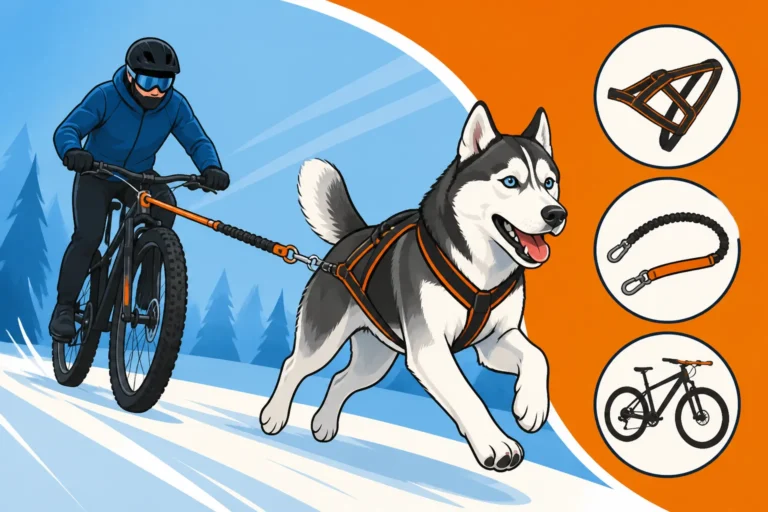
Beyond treats, proper equipment is critical. A secure harness (like a front-clip harness to help with pulling, though not foolproof against escapes) and a high-quality, long line (15-30 feet) are essential for practicing recall in a safe, open space. You can find excellent options for these on sites like Chewy. The long line allows your Husky to experience some freedom while still giving you control if they decide to bolt. This practice is vital for teaching them boundaries even when they're not directly at your side.
Consistency and Follow-Through at Home
Even the most expensive, specialized training program will fail if you, the owner, aren't consistent. Professional trainers lay the groundwork and teach you the techniques, but the real work happens every single day at home. This means practicing recall multiple times a day, reinforcing good leash manners, and consistently enforcing boundaries. Every interaction with your Husky is a training opportunity.
If you attend private sessions or a board-and-train, pay close attention during the "transfer sessions" and ask all your questions. Take notes, record sessions if the trainer allows, and commit to the homework they give you. The more diligently you apply what you've learned, the faster and more reliably your Husky will respond, making your investment truly pay off. This also means supervising your Husky religiously when outdoors, especially in unfenced areas, to prevent opportunities for bolting. A strong recall starts with never letting them rehearse the behavior of running off unchecked.
Considering Pet Insurance for Related Costs
While pet insurance typically doesn't cover behavioral training directly, it can be an invaluable safety net for the consequences of a bolting Husky. Accidents happen. A Husky that bolts could get hit by a car, run into something sharp, get into a fight, or fall and injure themselves. These unexpected veterinary emergencies can lead to significant bills, from diagnostic tests to surgeries.
Having a robust pet insurance policy, like those offered by Healthy Paws, can help ease the financial burden of these unforeseen incidents. While it won't pay for your trainer, it can cover the cost of treating a broken leg, lacerations, or other injuries that might occur if your Husky's adventurous spirit leads them into danger. It's a way to protect your financial well-being while you're actively working on your Husky's training and escape prevention. Always read policy details carefully to understand what is and isn't covered, and consider enrolling your Husky while they are young and healthy.
Disclaimer
This article is for general informational purposes only and does not constitute professional advice. Laws, prices and regulations vary by location and change over time. Consult a qualified professional for guidance on your specific situation.