Enrolling a Siberian Husky Before the Eye Exam
One of the most disheartening things a Siberian Husky owner can face is discovering their beloved companion needs expensive veterinary care, only to find out their pet insurance won't cover it. This often boils down to the confusing and sometimes frustrating world of "pre-existing conditions," especially when it comes to breed-specific issues like eye diseases. This guide is here to walk you through exactly why enrolling your Siberian Husky in pet insurance before their initial comprehensive eye exam, or even before any significant vet visits, is not just a good idea, but a critical financial safeguard.
The Frustrating Reality of Pre-Existing Conditions in Pet Insurance
Let's be honest, pet insurance can feel like a labyrinth, and the concept of pre-existing conditions is often the biggest, most intimidating monster in the middle. You're just trying to do right by your furry family member, and suddenly you're bogged down in definitions and exclusions. It’s a common source of stress, and you’re absolutely not alone in feeling overwhelmed by it.
What Exactly Counts as "Pre-Existing"?
In the simplest terms, a pre-existing condition is any illness, injury, or symptom that showed up before your pet's insurance policy became active, or before the end of its waiting periods. This isn't just about a formal diagnosis from a vet; it can include any signs or symptoms that were noted in your Husky's medical records, even if they hadn't been fully diagnosed yet. For example, if your vet noted your Husky was squinting during an exam before your policy started, and later it's diagnosed as glaucoma, that could be deemed pre-existing.
The tricky part is that insurance companies don't always define "pre-existing" in the same way. Some might exclude a condition for life if it appeared before coverage, while others might have a "curable" clause, where if a condition hasn't recurred for a certain period (e.g., 6-12 months), it might then become eligible for coverage. This is particularly relevant for things like ear infections or certain skin issues that can come and go. However, for chronic or genetic conditions, the "curable" clause rarely applies, making it a permanent exclusion.
How Insurance Companies Identify Past Health Issues
When you enroll your Siberian Husky in a pet insurance plan, one of the first things the company will do is request your Husky’s veterinary records. They’re not just looking for major surgeries or chronic illnesses; they’re meticulously combing through every note, every observation, every minor complaint or symptom recorded by any vet you’ve ever visited. This often includes initial puppy exams, booster shot visits, and even routine wellness checks.
They're essentially looking for a timeline of your dog's health. If a symptom or a potential problem is mentioned before your policy's start date and any applicable waiting periods, that condition is very likely to be flagged as pre-existing. This is why it’s so vital to understand the timing of your enrollment in relation to your first comprehensive vet check-ups, especially for breeds with known predispositions to certain conditions, like our beloved Siberian Huskies and their eyes. It's a review process that can feel intrusive, but it's how they manage risk and ensure fairness across all policyholders.
Siberian Huskies and Their Unique Eye Health Challenges
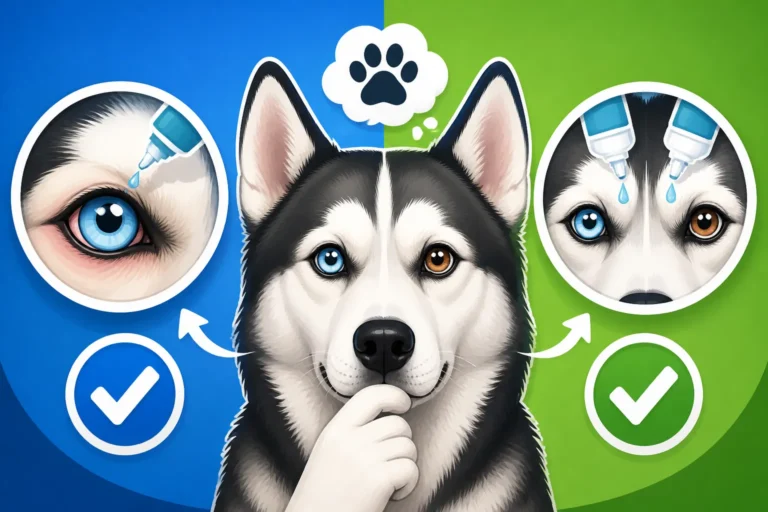
Siberian Huskies are famous for their stunning blue, brown, or even multi-colored eyes. But beyond their beauty, their eyes are also points of particular concern when it comes to their health. This breed, like many purebreds, carries a predisposition to several specific ocular conditions that every owner should be aware of.
Common Ocular Conditions in the Breed
Siberian Huskies are more prone to certain eye diseases than the general canine population, which is why organizations like the Orthopedic Foundation for Animals (OFA) recommend yearly eye exams. One of the most common issues is Juvenile Cataracts in the Siberian Husky, which can appear in young dogs and may progress to affect their vision. These aren't like the cataracts older dogs get; they're often genetic. Another significant concern is Progressive Retinal Atrophy in Siberian Huskies (PRA), a degenerative disease that leads to blindness. While some forms of PRA are detectable by DNA tests, not all are, and clinical signs often appear later in life.
Other conditions to watch for include corneal dystrophy, which can manifest as cloudy spots on the cornea, and glaucoma, a painful condition caused by increased pressure within the eye that can lead to rapid vision loss if not treated quickly. It's a lot to consider, and the emotional and financial toll of these conditions can be immense. Understanding these risks is the first step in being a responsible and prepared Husky parent. For more detailed information, you can read about The Three Eye Diseases a Siberian Husky Faces.
The Importance of Early and Regular Eye Screenings
Given the breed's predisposition, early and regular eye screenings are non-negotiable for Siberian Huskies. A certified veterinary ophthalmologist is specifically trained to detect subtle changes that a general practitioner might miss. For puppies, a screening around 8-12 weeks can sometimes catch early signs of juvenile cataracts or other congenital issues. For adult Huskies, annual eye exams are crucial to monitor for the onset or progression of conditions like PRA, glaucoma, or worsening cataracts.
These regular check-ups aren't just about detecting problems; they're also about creating a consistent medical history. This detailed record becomes invaluable if you ever need to file an insurance claim, providing clear documentation of when a condition was first observed or diagnosed. Many reputable breeders will have their breeding stock screened annually, and you can often look up a Siberian Husky in the OFA database to verify health testing.
Genetic Predispositions and Their Insurance Implications
The genetic component of many Siberian Husky eye conditions adds another layer of complexity to pet insurance. If a condition is known to be hereditary in the breed and your dog's parents weren't screened, or if your dog develops the condition, insurance companies will look at the timing of its diagnosis very carefully. For instance, if your Husky's juvenile cataracts are discovered after you’ve enrolled in a policy and completed all waiting periods, the costs associated with managing or treating them (like Cataract Surgery on a Siberian Husky) would likely be covered. However, if any cloudiness or vision problems were noted before enrollment, even if a full diagnosis came later, it would almost certainly be excluded as a pre-existing condition.
This is why, for breeds like the Siberian Husky, securing pet insurance before any vet visit that might document potential eye issues is paramount. Even a routine puppy check-up where a vet simply notes "eyes clear" is a critical piece of documentation for your future insurance claims, establishing a clean bill of health at the policy's inception. It’s about leveraging that initial clean slate to your advantage.
The Critical Timing: Why Enrollment Before Exams Matters
It might sound counter-intuitive to sign up for something before you even know if you'll need it, but with pet insurance and Siberian Huskies, this timing is the golden rule. Waiting until after an initial vet visit, especially one that includes a thorough eye exam, can inadvertently trigger the dreaded pre-existing condition clause.
Avoiding the "Pre-Existing" Trap for Undiagnosed Conditions
Imagine this scenario: you bring home a beautiful Siberian Husky puppy. You schedule their first comprehensive vet exam for next week. You think, "I'll get pet insurance after the vet gives them a clean bill of health." However, during that initial exam, the vet notes a slight opacity in one eye, or a subtle change in gait that could indicate hip issues (though Siberian Husky Hips and Why the Rate Is Low generally means they're less prone). Even if it’s just an observation, and not a definitive diagnosis, that note in the medical record is now a potential flag for insurance.
If you then try to enroll in pet insurance, and later that opacity develops into a full-blown cataract, the insurance company could deny coverage because the symptom was observed before your policy was active. This is the "pre-existing trap." By enrolling your Husky before that initial comprehensive veterinary examination, you're ensuring that any condition discovered after enrollment and the waiting periods began will likely be covered, provided it wasn't already symptomatic or diagnosed. This simple act can save you thousands of dollars down the road.
Understanding the Impact of Initial Vet Visits
Every interaction with a vet creates a paper trail, or more accurately, a digital trail. From the moment you step into the clinic for puppy shots to the yearly wellness checks, every observation and diagnosis is recorded. Pet insurance companies will request these records as part of their underwriting process. They're looking for patterns, symptoms, and any health concerns that arose prior to your policy's effective date.
Even a seemingly innocuous comment like "minor redness in eye" or "slightly cloudy lens noted" can be enough to classify a later eye condition as pre-existing. This isn't about blaming your vet for their thoroughness; it's simply the mechanism by which insurance companies operate. Therefore, the absolute best strategy is to have your pet insured before these initial diagnostic visits, allowing for a clean slate when your policy begins. This way, your Husky’s health journey truly begins with comprehensive coverage.
Navigating Waiting Periods and Maximizing Coverage
So, you've enrolled your Husky before any major exams—fantastic! But the journey to full coverage isn't instantaneous. Pet insurance policies come with waiting periods, and understanding them is crucial to maximizing your benefits and avoiding further frustration.
Deciphering Different Types of Waiting Periods
Most pet insurance policies aren't active the moment you click "enroll." There are typically several waiting periods you need to be aware of:
- Accident Waiting Period: This is usually the shortest, often just 2-3 days, before your policy will cover injuries from accidents (like a broken leg or an ingestion of something harmful).
- Illness Waiting Period: This is generally longer, ranging from 14 to 30 days. Your Husky must not show any symptoms or be diagnosed with an illness during this time for it to be covered. This is the critical period for conditions like eye diseases.
- Orthopedic Waiting Period: Some plans have a specific, often longer (e.g., 6 months to a year), waiting period for orthopedic conditions like hip dysplasia or cruciate ligament tears. While Huskies are less prone to hip dysplasia, it's still a good thing to be aware of.
It's vital to read your policy's terms carefully to understand these periods. For example, if you enroll your Husky today, and an eye condition is diagnosed 10 days later, it might not be covered if your illness waiting period is 14 days. This again highlights why enrolling your Husky as early as possible, ideally as a young puppy, is the most robust strategy.
Strategies to Ensure Continuous and Comprehensive Care
The best strategy for comprehensive care begins with enrolling your Husky as a puppy. This way, they have a clean medical history, and any conditions that develop after the waiting periods are fully covered. If you're adopting an older Husky, enroll them immediately, even before their first vet visit with you. The insurance company will review their prior vet records (if available), but if the previous owner didn't have detailed records of certain conditions, it might still give you a better chance at coverage for issues that arise under your care.
Think of it this way: the sooner you enroll, the sooner waiting periods pass, and the broader your Husky's coverage becomes. Many owners find peace of mind with a plan from providers like Healthy Paws, which is known for its comprehensive coverage for accidents and illnesses once waiting periods are met. Regular wellness exams, even if not covered by your specific policy, are still crucial for early detection, and that documentation helps solidify your insurance claims. Don't let gaps in coverage lead to unexpected financial burdens.
Choosing the Right Pet Insurance for Your Siberian Husky
Selecting a pet insurance plan for your Siberian Husky can feel like picking the best kibble from an entire aisle at Chewy – there are so many options, and you want to make the right choice. It's not just about the monthly premium; it's about what truly gives you peace of mind and financial security when unexpected health issues arise.
Key Factors to Compare in a Policy
When comparing pet insurance policies for your Husky, you’ll want to look beyond the initial price tag. Here are some critical factors to consider:
- Deductible: This is the amount you pay out-of-pocket before your insurance starts reimbursing you. Options usually range from $100 to $1,000. A higher deductible means a lower monthly premium, but be prepared to pay more upfront if a claim arises.
- Reimbursement Percentage: This is the percentage of eligible vet bills the insurance company will pay after your deductible. Common percentages are 70%, 80%, or 90%. Opting for a higher reimbursement means less out-of-pocket expenses for you.
- Annual Limit: This is the maximum amount the policy will pay out in a year. Some plans offer unlimited annual coverage, which is often ideal for serious, long-term conditions. Other plans have limits like $5,000, $10,000, or $15,000. Given the potential costs of managing chronic conditions or multiple emergencies, a higher or unlimited annual limit can be a huge relief.
- Exclusions: Always read the fine print. What conditions are explicitly not covered? Are there specific breed exclusions? For Huskies, confirm how breed-specific genetic conditions are handled. This is where the pre-existing condition clause comes in heavily, as well as sometimes specific exclusions for things like cosmetic procedures or certain dietary foods.
- Waiting Periods: As discussed, understand how long they are for accidents, illnesses, and any orthopedic issues.
- Direct Pay vs. Reimbursement: Most pet insurance works on a reimbursement model where you pay the vet upfront and then submit a claim. A few providers offer direct pay, where they pay the vet directly, which can be a huge help in an emergency.
Here's a quick comparison table of typical features you might encounter when looking at pet insurance plans:
| Feature | Lower Premium Plan (Example) | Mid-Range Plan (Example) | Higher Premium Plan (Example) |
|---|---|---|---|
| Deductible | $500 – $1,000 | $250 – $500 | $100 – $250 |
| Reimbursement | 70% | 80% | 90% |
| Annual Limit | $5,000 – $10,000 | $15,000 – $20,000 | Unlimited |
| Accident Waiting Period | 5-7 Days | 2-3 Days | 0-1 Day (rare, but exists) |
| Illness Waiting Period | 30 Days | 14-30 Days | 14 Days |
| Orthopedic Waiting Period | 6-12 Months (may exclude certain conditions) | 6 Months (may be shorter for some breeds with vet waiver) | 0-6 Months (often depends on vet exam confirmation) |
| Common Exclusions | Pre-existing, cosmetic, breeding, some hereditary, exam fees | Pre-existing, cosmetic, breeding, some hereditary | Pre-existing, cosmetic, breeding (more comprehensive for hereditary) |
This table shows how different choices can impact both your monthly cost and your potential out-of-pocket expenses.
Top Providers and What They Offer for Huskies
When you start looking at specific providers, you'll find a range of options. Many companies offer flexible plans that allow you to customize your deductible, reimbursement percentage, and annual limit to fit your budget.
For a breed like the Siberian Husky with known eye predispositions, looking for plans that have strong coverage for hereditary and congenital conditions is crucial. Providers like Healthy Paws are often praised for their comprehensive accident and illness plans, which generally cover hereditary conditions as long as they aren't pre-existing. They typically offer unlimited annual benefits, which is a huge plus if your Husky faces a chronic or very expensive condition. Their claims process is often streamlined, and they pride themselves on quick reimbursements.
Another option is to explore marketplaces that aggregate various pet insurance providers. Chewy, for instance, has a pet health page that allows you to compare different insurance plans from multiple carriers, making it easier to see what’s available in one place. This can be a great starting point for researching and finding a plan that fits your specific needs and budget, especially when you're considering the long-term health prospects of your Siberian Husky. Always remember to get quotes and read sample policies before making a final decision. You're making an investment in your Husky's future well-being, and your financial peace of mind.
Practical Steps to Enroll Your Siberian Husky
Once you've done your research and decided on a plan, the actual enrollment process is usually quite straightforward. However, a few key steps can ensure everything goes smoothly and your Husky gets the coverage they deserve.
Gathering Necessary Information and Documentation
Before you start the online application, gather all the necessary details about your Siberian Husky. You’ll need:
- Your Husky's basic information: Name, breed, age (date of birth), and gender.
- Your contact information: Name, address, phone, and email.
- Veterinary contact information: The name, address, and phone number of your current vet. Even if your Husky hasn't had a full exam yet, you'll likely need to list your chosen vet for future claims.
- Payment information: For your monthly premiums.
Some insurance companies might ask for basic health information during the application, such as whether your Husky has any known conditions. Be honest and thorough. Remember, the goal is to get coverage before issues arise, so if your Husky is healthy, that's what you'll indicate. If you're adopting an adult Husky, try to get as much of their previous veterinary history as possible, even if it's just a few vaccination records. This helps establish a baseline, but the critical part for new conditions is what happens after your enrollment.
Completing the Enrollment Process
Most pet insurance enrollments can be done quickly and easily online. Navigate to your chosen provider's website (like Healthy Paws) or a marketplace (like Chewy's pet insurance section) and follow the prompts. You'll typically:
- Get a Quote: Enter your Husky's age, breed, and your zip code to get estimated monthly premiums.
- Customize Your Plan: Adjust the deductible, reimbursement percentage, and annual limit to see how it affects your premium.
- Provide Husky and Owner Details: Fill in the information you've gathered.
- Agree to Terms and Conditions: This is where you'll find all the fine print about waiting periods and exclusions. Read this carefully!
- Submit Payment Information: Your first premium will often be processed immediately.
Once you've enrolled, you'll receive confirmation and your policy documents. Keep these in a safe, easily accessible place. It's also a good idea to inform your vet that your Husky is now insured. This makes the process smoother if you ever need to file a claim, as the vet can send records directly to the insurance company.
Taking this proactive step means you've put a crucial safety net in place for your Siberian Husky. You've shielded yourself from the financial shock of unexpected breed-specific health issues, giving you the freedom to focus on your Husky's well-being without crippling financial stress.
Disclaimer
This article is for general informational purposes only and does not constitute professional advice. Laws, prices and regulations vary by location and change over time. Consult a qualified professional for guidance on your specific situation.