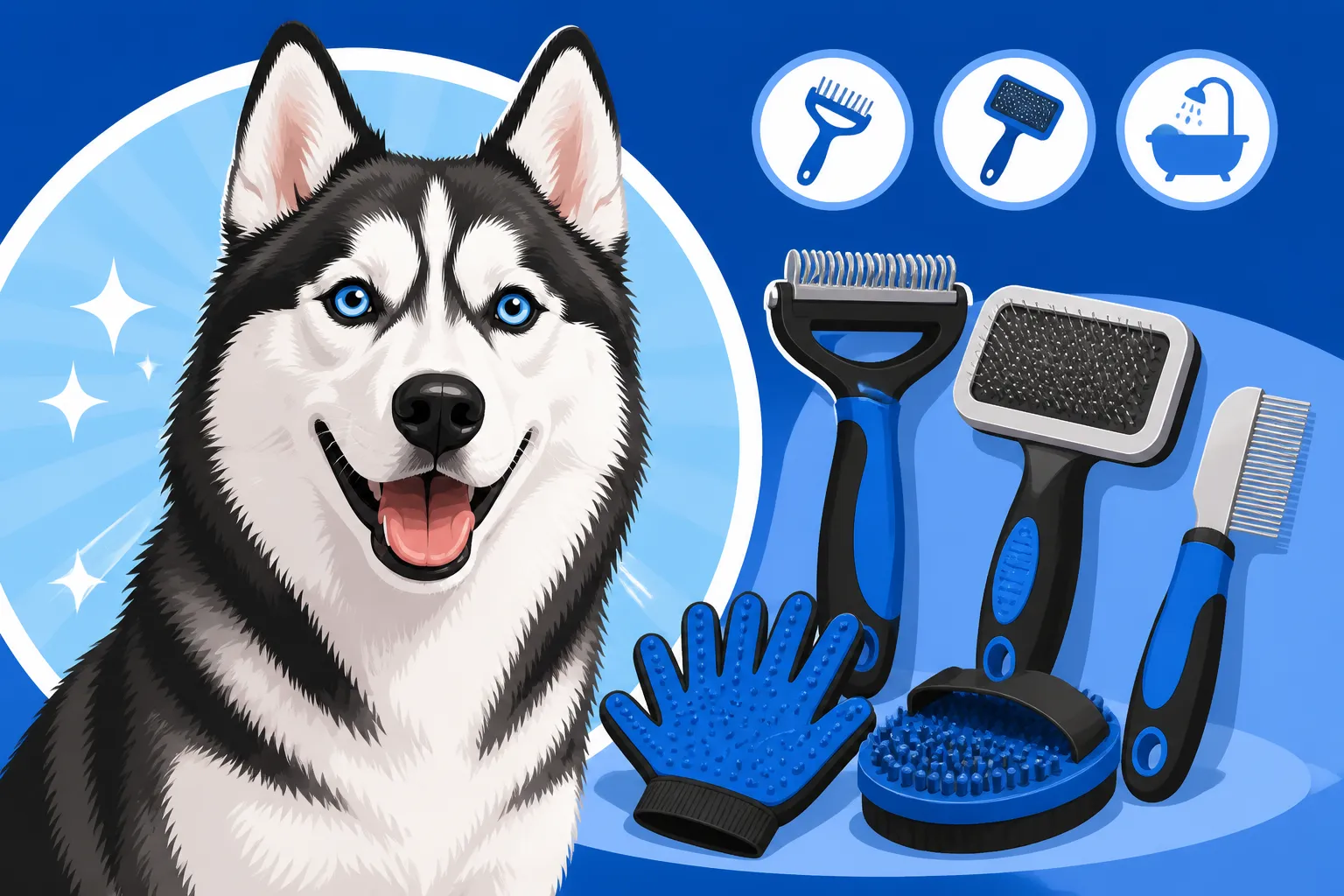
Grooming Tools a Siberian Husky Owner Buys Once
Anyone who has lived with a Siberian Husky knows the sheer, unending snowfall of fur that can descend upon a home, especially during a "coat blow." It's a unique challenge trying to keep that majestic double coat healthy and your living space somewhat fur-free without feeling like you're constantly fighting a losing battle. This guide is all about equipping you with the right grooming tools, the ones you'll invest in once and use for years, to tackle that famous Husky fluff and maintain their beautiful, functional coat.
Understanding the Siberian Husky Coat and Its Needs
Before we even dive into specific tools, it's crucial to understand why Siberian Huskies have the coat they do and why it demands particular care. This isn't just about aesthetics; their coat is their natural insulation system, protecting them from both extreme cold and heat.
The Double Coat Explained
Your Siberian Husky isn't just fluffy; they're equipped with a specialized double coat designed for survival in harsh Arctic conditions. This marvel of nature consists of two distinct layers, each with its own job. The outer layer, known as the guard hairs, is made up of longer, coarser, and somewhat stiff hairs. These guard hairs are water-resistant and protect the softer undercoat from snow, ice, and external elements. They lie flat, creating a protective barrier that repels moisture and dirt, much like a natural raincoat. They also provide UV protection from the sun, which is often overlooked but incredibly important.
Beneath this protective shield lies the undercoat. This is the soft, dense, woolly layer that is typically lighter in color and much shorter than the guard hairs. Its primary function is insulation. The undercoat traps air close to the dog's body, forming a thermal barrier that keeps them warm in frigid temperatures. In warmer weather, it helps to regulate their body temperature by allowing air circulation against their skin, preventing overheating. When a Husky "blows" their coat, it's this dense undercoat that comes out in astounding volumes, a natural process to adjust to seasonal changes. Understanding the mechanics of this amazing coat is the first step to properly caring for it, because if you don't respect its design, you can inadvertently cause more harm than good. You can read more about What the Siberian Husky Double Coat Actually Does to truly appreciate this natural wonder.
Why Shaving Is a No-Go for Huskies
This is one of those topics that comes up constantly when summer rolls around, and I get it – you see your Husky panting in the heat, and the instinct to shave them down to "cool them off" is strong. But please, resist that urge with all your might. Shaving a Siberian Husky, or any double-coated breed, is one of the biggest mistakes you can make for their coat health and overall well-being. Their double coat isn't just for warmth; it's a dynamic climate control system. By removing the guard hairs, you strip away their natural protection from sunburn and insect bites. Without this outer layer, their delicate skin is exposed to harmful UV rays, increasing their risk of skin cancer and other dermatological issues.
Furthermore, shaving often damages the hair follicles, leading to improper regrowth. The undercoat often grows back faster and coarser than the guard hairs, creating a woolly, matted mess that traps heat rather than insulating or cooling. This can actually make your Husky hotter in the summer and completely compromise their ability to stay warm in the winter. It’s a vicious cycle that can take years, if ever, for the coat to fully recover its natural texture and function. Instead of shaving, focus on proper deshedding and providing plenty of shade and water. Trust me on this, your Husky will thank you in the long run. I've even dedicated an entire piece to Why You Must Never Shave a Siberian Husky to really drive this point home.
Essential Brushing and Raking Tools for Daily and Weekly Care
Consistent, thoughtful grooming is your best defense against the "Husky tumbleweeds" and matting. These are the tools you'll be reaching for most often.
Undercoat Rakes: The Workhorses of Husky Grooming
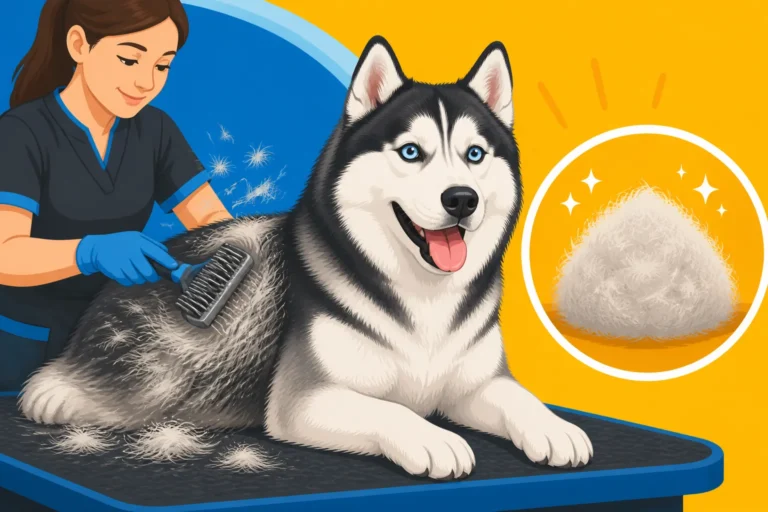
When it comes to managing the sheer volume of fur on a Siberian Husky, an undercoat rake is an absolute non-negotiable tool. This isn't your average dog brush; it's specifically designed to penetrate the dense guard hairs and reach down into the soft, thick undercoat to pull out loose, dead fur without damaging the healthy outer layer. The teeth of an undercoat rake are usually long and spaced in a way that allows them to gently rake through the undercoat, effectively removing shed hair that would otherwise accumulate and potentially cause matting or hot spots.
There are various styles, from those with rotating teeth that help prevent pulling, to more traditional fixed-tooth designs. I highly recommend trying a few different types if you can, as every Husky's coat density can vary slightly. When using an undercoat rake, always brush in the direction of hair growth, starting from the head and working your way back. Use gentle, even strokes, and prepare for a significant amount of fur to come out. This tool is especially invaluable during the seasonal "coat blows," where you'll be amazed (and slightly horrified) by the sheer volume it removes. Regular use, even just 10-15 minutes a few times a week, can drastically reduce shedding in your home and keep your Husky's coat healthy and functioning as it should. For more targeted advice, check out Undercoat Rakes and Slickers for a Siberian Husky.
Slicker Brushes and Pin Brushes: For the Topcoat and Finishing Touches
While undercoat rakes are crucial for the dense underlayer, slicker brushes and pin brushes play different, but equally important, roles in your Husky's grooming routine. A slicker brush typically has a broad, rectangular head covered in fine, short wires bent at an angle. These are excellent for removing surface mats, tangles, and loose hair from the guard coat. They're also great for fluffing up the coat and giving it a polished finish after you've thoroughly raked out the undercoat. However, due to the fine wires, you need to use a light touch, especially on areas with thinner skin or if your Husky has any sensitive spots, as they can scratch the skin if used too aggressively.
Pin brushes, on the other hand, resemble human hairbrushes with widely spaced metal pins, often tipped with plastic or rubber beads. These are less about removing massive amounts of undercoat and more about general coat maintenance, distributing natural oils, and gently detangling the longer guard hairs. They're particularly useful for puppies learning to tolerate grooming or for older Huskies with sensitive skin. I often use a pin brush after a thorough raking session to smooth out the topcoat and ensure there are no lingering tangles. Neither a slicker nor a pin brush will effectively remove the bulk of the undercoat, but they are fantastic for daily tidying, light detangling, and making your Husky look picture-perfect.
Deshedding Tools: Handle with Care
Deshedding tools, like those from FURminator, are a bit of a controversial topic in the Husky world, and for good reason. While they can remove a significant amount of undercoat, they must be used with extreme caution and moderation. These tools typically have a fine-toothed blade designed to grab and pull out loose undercoat. When used correctly and sparingly, they can be effective during a heavy coat blow. However, the potential for damage is high. Overuse or aggressive brushing with these tools can cut or damage the delicate guard hairs, compromising the protective outer layer of the coat. This can lead to a dulled, uneven coat texture and, in severe cases, even skin irritation.
My advice is this: if you choose to use one, do so very gently, only when your Husky is actively blowing coat, and limit sessions to a few minutes. Focus on areas with the densest shedding undercoat and stop immediately if you notice any skin redness or irritation. For most routine maintenance, a good undercoat rake is generally safer and more effective for a Husky's unique coat. Always remember, the goal is to remove dead undercoat, not to cut or damage the living coat. If you're unsure, consulting a professional groomer who specializes in double-coated breeds can provide valuable guidance on proper technique.
Dealing with the "Coat Blow" – Specialty Tools
Twice a year (sometimes more!), your Husky will shed their entire undercoat, a phenomenon lovingly (or despairingly) known as the "coat blow." This is where some specialized tools really shine.
High-Velocity Dryers: A Game Changer for Shedding and Cleaning
If you own a Siberian Husky and haven't invested in a high-velocity dryer, you are missing out on a truly transformative grooming experience, especially during a coat blow. These aren't your average human hairdryers; they blow cool or warm air at a powerful, concentrated speed. The force of the air literally blasts the loose undercoat out of your Husky's dense double coat, much like a powerful leaf blower clears leaves from a yard. You will be absolutely stunned by the sheer volume of fur that comes flying out – it's both gross and incredibly satisfying.
Beyond deshedding, a high-velocity dryer is essential for thorough drying after a bath. Given their thick undercoat, traditional towel drying just doesn't cut it, often leaving the undercoat damp for hours, which can lead to skin issues like hot spots. A good high-velocity dryer will dry your Husky down to the skin, quickly and efficiently. Look for models with adjustable speeds and heat settings. Brands like K9-II or Flying Pig Grooming often get rave reviews from Husky owners. It's an initial investment, yes, but it will save you countless hours of brushing, reduce household fur, and ensure your Husky's coat stays healthy and dry. Seriously, this tool will pay for itself in sanity and fur reduction. We've got more details on A High-Velocity Dryer for a Siberian Husky Coat if you're ready to make the leap.
Specialized Grooming Vacuums: Containing the Chaos
Let's be honest, grooming a Husky, especially during a coat blow, can feel like you're creating more mess than you're cleaning. Fur gets everywhere – on your clothes, clinging to the walls, floating through the air. This is where specialized grooming vacuums come into play, offering a way to contain the chaos. These systems typically combine grooming brushes or rakes with a powerful vacuum that sucks up the shed hair as you brush. Think of it as a cleaner, more efficient way to deshed without having fur fly across the room.
Brands like Neabot or Dyson offer pet grooming kits that attach to their vacuums, while standalone units like the one from Pet Rake are designed specifically for this purpose. The idea is simple: as you brush, the vacuum attachment pulls the loose hair directly into a cannister, minimizing airborne fur and making cleanup significantly easier. While they might not have the sheer "blast power" of a high-velocity dryer for deep deshedding, they are fantastic for regular maintenance, making grooming a much tidier affair. If you're tired of chasing fur bunnies around your house after every brush session, a grooming vacuum could be a worthwhile addition to your arsenal.
Bathing and Drying Essentials for a Clean Husky
Huskies are surprisingly clean dogs, often grooming themselves much like cats. They don't need frequent baths, but when they do, you need the right products.
Shampoos and Conditioners for Double Coats
When it's time for a bath (which, for a Husky, isn't very often – maybe a few times a year, or when they've truly rolled in something unspeakable), choosing the right shampoo and conditioner is important. You want products specifically formulated for dogs, ideally those designed for double coats or sensitive skin. Look for gentle, pH-balanced formulas that are free of harsh chemicals, dyes, and strong fragrances that could irritate their skin or strip essential oils from their coat. Brands like Earthbath, TropiClean, or even specific oatmeal-based shampoos can be excellent choices.
The key is to ensure the shampoo effectively cleans without over-drying the skin or leaving residue that could weigh down the coat or cause itchiness. A good conditioner, also formulated for dogs, can help to hydrate the skin and coat, making it easier to brush out any lingering tangles after the bath. When applying, make sure to thoroughly work the shampoo down to the skin and rinse extremely well. Any leftover soap can cause skin irritation. Remember, the goal isn't to make your Husky smell like a bouquet of roses (they naturally have very little "doggy odor"), but to cleanse their coat and skin effectively.
Towels and Drying Methods
After the bath, drying a Siberian Husky is almost as important as the washing itself. Their dense undercoat can hold an incredible amount of water, and if left damp, it creates a perfect breeding ground for bacteria and yeast, leading to hot spots or skin infections. Regular cotton towels are a start, but you'll likely go through several trying to absorb enough moisture. Microfiber towels designed for pets are far more absorbent and can cut down initial drying time considerably. Wrap your Husky in a large microfiber towel and gently squeeze the water out, rather than rubbing vigorously, which can tangle the fur.
However, as mentioned earlier, towel drying alone is rarely sufficient for a Husky's thick coat. This is where your high-velocity dryer truly becomes an indispensable tool. Start with the dryer on a lower setting to get your Husky accustomed to the noise and sensation, then gradually increase the power. Work in sections, directing the air down and against the grain of the fur to lift the undercoat and thoroughly dry it. Be patient; this process can take a good 30 minutes to an hour or more, depending on your Husky's coat. Ensure every inch of their coat, especially the belly and armpits, is completely dry to the touch to prevent any skin issues.
Nail Care Tools: Keeping Paws Healthy
Husky paws are tough, built for traversing varied terrain, but their nails still need regular attention. Neglecting nail care can lead to discomfort, pain, and even structural issues over time.
Nail Clippers: Scissor vs. Guillotine
Trimming your Husky's nails is often one of the least favorite grooming tasks for both dog and owner, but it's absolutely vital. Long nails can cause pain when walking, splay their toes, and lead to problems with their gait and joints. When it comes to nail clippers, you'll generally find two main types: scissor-style and guillotine-style. Scissor-style clippers, which resemble a pair of pliers, are often favored for larger breeds like Huskies because they provide more leverage and control, making it easier to cut through thick, strong nails. They come in various sizes, so make sure to get a sturdy pair designed for large dogs.
Guillotine-style clippers have a small hole where you insert the nail, and a blade slides across to make the cut. Some owners find these easier to use for precise cuts, but they can sometimes struggle with very thick nails. Whichever style you choose, ensure the blades are sharp; dull clippers can crush the nail rather than cut it cleanly, causing discomfort. Always keep some styptic powder (like Kwik Stop) on hand in case you accidentally cut too far and hit the quick, which will bleed. Many pet product brands, including those found on Chewy, offer a variety of high-quality clippers to choose from.
Nail Grinders: The Smoother Alternative
For many Husky owners, nail grinders (also known as Dremels) are a godsend, especially if your dog is fearful of traditional clippers or if you're worried about cutting into the quick. A nail grinder uses a rotating abrasive head to gradually file down the nail, rather than cutting it. This allows for more control and a smoother finish, reducing sharp edges that can scratch you or your furniture. Many Huskies tolerate the grinding process better than clipping, though it still requires desensitization to the noise and vibration.
When using a grinder, hold the paw firmly and gently touch the rotating head to the tip of the nail, grinding in short bursts to prevent the nail from overheating. Be careful not to hold it on one spot for too long, as friction can generate heat and cause discomfort. The goal is to gradually shorten the nail and round off the edges. Over time, consistent grinding can actually help the quick recede slightly, allowing you to get the nails even shorter. If you have a Husky with thick, dark nails where the quick is hard to see, a grinder is often a safer and less stressful option.
Other Handy Grooming Accessories
Grooming isn't just about the coat and nails; it encompasses overall hygiene and comfort.
Ear Cleaning Supplies
While Siberian Huskies have those wonderfully erect, stand-up ears that tend to get better airflow than floppy-eared breeds, they still need occasional attention. Dust, dirt, and even moisture can accumulate, especially after outdoor adventures, potentially leading to irritation or infection. You'll want a good quality, vet-approved ear cleaning solution – avoid using harsh chemicals, alcohol, or hydrogen peroxide, as these can be irritating. Look for gentle, pH-balanced solutions specifically designed for canine ears.
To clean your Husky's ears, lift the ear flap and squeeze a small amount of the solution into the ear canal. Gently massage the base of the ear for about 30 seconds to help break up any wax or debris. Then, use a cotton ball or soft gauze (never cotton swabs, which can push debris further into the ear) to wipe away any visible dirt and excess solution from the outer ear and ear canal opening. You only want to clean what you can see. If you notice any redness, strong odor, excessive discharge, or if your Husky is shaking their head or scratching their ears frequently, it's time for a vet visit, as these can be signs of an infection that needs professional treatment. Regular, gentle cleaning, however, can help prevent these issues.
Dental Hygiene Tools
Dental care is one of the most overlooked aspects of pet health, and unfortunately, Siberian Huskies are no exception. Just like humans, dogs can develop plaque, tartar, gum disease, and tooth decay, which can lead to pain, tooth loss, and even affect their overall health. Getting your Husky used to teeth brushing from a young age is ideal, but it's never too late to start. You'll need a canine-specific toothbrush (often smaller with softer bristles or a finger brush) and dog-friendly toothpaste. Never use human toothpaste, as it contains ingredients toxic to dogs.
Aim to brush your Husky's teeth several times a week, focusing on the outside surfaces of their teeth, particularly the back molars, where tartar tends to accumulate most. If brushing isn't an option, dental chews, water additives, or even specially formulated dental diets (like some offered by Ollie or other premium pet food brands) can help reduce plaque buildup, though brushing remains the gold standard. Regular dental check-ups during vet visits are also crucial. You might be surprised to learn that Siberian Husky Dental Disease by Age Five is a common problem, so proactive care is key.
Paw Balms and Protectors
Siberian Huskies are built for tough terrain, but their paw pads can still suffer from wear and tear, especially with exposure to extreme temperatures, rough surfaces, or irritating chemicals. Think about walking on hot pavement in summer, icy sidewalks treated with salt in winter, or rocky trails during hikes. These conditions can lead to dry, cracked, irritated, or even burned paw pads. A good paw balm can provide a protective barrier and help moisturize and heal damaged pads. Look for natural, non-toxic balms made with ingredients like shea butter, coconut oil, or beeswax.
Apply the balm regularly, especially before and after walks in challenging conditions, or if you notice their pads looking dry. In extreme weather, paw protectors or booties can offer an additional layer of defense. While it might take some time to get your Husky accustomed to wearing booties, they are incredibly effective at shielding their paws from salt, ice, hot asphalt, or sharp debris. This is especially true if you live in an urban area where sidewalks are heavily salted in winter. Keeping those hardworking paws healthy is essential for your Husky's comfort and mobility throughout their life.
Markdown Table: Essential Grooming Tools for Your Siberian Husky
| Tool Category | Specific Tool | Primary Function | Frequency of Use | Important Considerations |
|---|---|---|---|---|
| Coat Care (Raking) | Undercoat Rake | Remove loose undercoat, prevent matting | 2-3x/week, daily during coat blow | Choose rotating teeth for comfort; brush with hair growth |
| Coat Care (Finishing) | Slicker/Pin Brush | Detangle guard hairs, remove surface debris, polish coat | Daily/Every Other Day | Use gently, especially slicker brushes; good for puppies |
| Deshedding (Power) | High-Velocity Dryer | Blast out loose undercoat, quickly dry after bath | During coat blows, after baths | Essential for deep deshedding & complete drying, can be noisy |
| Deshedding (Containment) | Grooming Vacuum | Brush and vacuum loose hair simultaneously | Regular maintenance | Great for minimizing mess and airborne fur during brushing |
| Bathing | Dog Shampoo/Conditioner | Clean coat, moisturize skin | Rarely (2-4x/year), as needed | pH-balanced, gentle, thorough rinsing is crucial |
| Drying | Microfiber Towels | Absorb initial moisture post-bath | After every bath | More absorbent than cotton; gently squeeze, don't rub |
| Nail Care | Nail Clippers | Shorten nails, prevent overgrowth | Every 2-4 weeks, as needed | Scissor-style often better for thick Husky nails; have styptic powder |
| Nail Care | Nail Grinder | File nails smoothly, reduce quick risk | Every 1-2 weeks, as needed | Quieter alternative; grind in short bursts to prevent heat |
| Ear Care | Ear Cleaning Solution | Clean ear canal, prevent infections | Monthly, or as needed | Vet-approved solution; use cotton balls, not swabs |
| Dental Care | Canine Toothbrush/Paste | Prevent plaque/tartar buildup, maintain oral health | Several times/week | Never use human toothpaste; start early for best results |
| Paw Care | Paw Balm/Booties | Protect and moisturize paw pads | As needed (weather, terrain) | Essential for extreme weather; can take time to get used to booties |
Keeping Up With a Husky's Grooming Needs for a Lifetime
Let's face it, owning a Siberian Husky means accepting a certain level of fur as a constant in your life. But with the right tools and a consistent routine, it doesn't have to be an overwhelming battle. Investing in quality grooming equipment upfront is not just about convenience; it's about investing in your Husky's health and comfort. Regular grooming helps prevent matting, skin issues, and keeps their amazing double coat functioning as nature intended.
From the relentless demands of the bi-annual Siberian Husky Coat Blow and the Six Weeks It Lasts to the simple joy of a silky-smooth coat, having these tools makes all the difference. Remember, grooming isn't just a chore; it's a bonding experience. It gives you an opportunity to check your Husky over for any lumps, bumps, or skin irritations, and to ensure they're feeling their best. And frankly, it's a small price to pay for the privilege of sharing your life with such magnificent and unique companions. While products from Chewy can help stock your grooming kit, remember that insurance providers like Healthy Paws can give you peace of mind for any unexpected health issues that might arise despite your best preventative care efforts.
Disclaimer
This article is for general informational purposes only and does not constitute professional advice. Laws, prices and regulations vary by location and change over time. Consult a qualified professional for guidance on your specific situation.