Taking On a Surrendered Siberian Husky
The decision to bring a new dog into your home is always significant, but when that dog is a Siberian Husky who has already experienced the upheaval of being surrendered, it adds layers of complexity and immense emotional weight. Many families find themselves overwhelmed when facing the unique needs and formidable personalities of these incredible dogs, often leading to heart-wrenching decisions to give them up. This guide aims to walk you through everything involved in taking on a surrendered Siberian Husky, from understanding why they end up in rescues to preparing your home and heart for the journey of a lifetime.
Understanding Why Huskies Are Surrendered
It's a sad reality that Siberian Huskies are one of the most common breeds found in shelters and rescues across the country. This isn't a reflection on the dogs themselves, but rather a testament to how often people fall in love with their stunning looks without fully appreciating their distinct needs. These aren't just pretty faces; they're high-energy, intelligent, and deeply independent creatures bred for a very specific purpose. When their human companions aren't prepared for that, the relationship can quickly become strained, leading to a surrender.
The Unforeseen Challenges of Husky Ownership
Many people are drawn to the Siberian Husky's striking blue eyes, wolf-like appearance, and playful demeanor. What they don't always realize is that beneath that beautiful exterior lies an ancient instinct for running, exploring, and often, testing boundaries. These dogs were bred by the Chukchi people for endurance and resilience in harsh environments, not for lounging quietly in a suburban backyard. Their innate drive to run means that without sufficient, high-quality exercise, they can become destructive, anxious, and vocal. A quick walk around the block simply won't cut it for a husky who truly needs to stretch their legs and engage their mind.
Another significant challenge is their famous "escape artist" tendencies. A standard fence that might contain a Labrador or a Golden Retriever is often merely a suggestion to a determined husky. They can jump impressive heights, dig tunnels with astonishing speed, and even figure out complex gate latches. Many surrendered huskies come from homes where their owners simply couldn't keep them safely contained, leading to frequent escapes and the associated dangers. If you're considering adopting, understanding Stopping a Siberian Husky From Escaping the Yard is paramount.
Lifestyle Changes and Unpreparedness
Life happens, and sometimes even the most devoted owners face unforeseen circumstances that make keeping their husky impossible. A sudden job loss, a move to a new apartment with breed restrictions, a growing family that changes available time and space, or even serious health issues for the owner can force a heartbreaking decision. These situations often leave a husky confused and distressed, as they thrive on routine and strong bonds.
Beyond these external factors, many surrenders stem from a fundamental mismatch between the owner's lifestyle and the husky's needs. People working long hours, traveling frequently, or living in small spaces without access to extensive exercise opportunities often find themselves overwhelmed. The commitment required for training, mental stimulation, and physical activity is far greater than with many other breeds. When a husky is bored or under-exercised, they will create their own entertainment, which often manifests as destructive chewing, incessant howling, or constant attempts to escape. This can lead to frustration on both sides, making the home environment stressful for everyone.
Health Issues and Financial Strain
While Siberian Huskies are generally a healthy breed, they are not immune to medical problems. Conditions like zinc-responsive dermatosis, certain eye diseases, or even unexpected injuries can incur significant veterinary bills. For families already stretched thin, an unforeseen health crisis can become the final straw, leading to surrender. This is particularly true if the dog was acquired from a breeder who didn't conduct proper health clearances, or if the owners didn't budget for potential medical expenses.
The financial burden of owning a Siberian Husky extends beyond just health care. Their specific dietary needs, especially if they are working dogs, can be higher-cost. Training classes, durable toys to withstand their chewing, and even specialized grooming tools for their dense double coat all add up. When owners aren't prepared for The Yearly Cost of Owning a Siberian Husky, these expenses can accumulate rapidly, leading to a feeling of being trapped by the financial demands of their beloved pet. Understanding these common reasons for surrender helps new adopters approach the situation with empathy and preparedness, offering a fresh start with a more informed perspective.
The Reality of Adopting a Surrendered Husky
Adopting a surrendered Siberian Husky is a truly noble act, offering a dog a second chance at a loving, stable home. However, it's crucial to enter this process with open eyes, understanding that these dogs often come with a past that influences their present behavior. They are not blank slates, but rather individuals with unique histories, temperaments, and potential challenges that require patience, consistency, and a deep well of understanding.
Assessing a Husky's History and Needs
When you adopt a surrendered husky, the rescue or shelter will typically have as much information as they've been able to gather about the dog's past. This might include details about their previous living situation, why they were surrendered, any known behavioral issues, and their general temperament around people and other animals. It’s vital to ask every question you can think of. Was the dog surrendered due to destructive behavior, aggression, escape artistry, or simply a change in the previous owner's circumstances?
Understanding their history can give you invaluable clues about how to help them adjust. A husky surrendered for being an escape artist will need an impeccably secure yard and constant vigilance. One who struggled with separation anxiety might need a slower acclimation period and specialized training. Sometimes, the history is vague or unknown, especially if the dog was found as a stray. In these cases, you'll need to be prepared for a period of observation and discovery, patiently learning your husky's quirks and needs as they settle in.
Potential Behavioral Quirks and Training Gaps
Many surrendered huskies have developed coping mechanisms or simply haven't had the consistent training they needed in their previous homes. This can manifest in various ways, from anxiety-driven behaviors like excessive chewing or howling, to resource guarding, or simply a lack of basic obedience cues. They might not understand house training if they were primarily outdoor dogs, or they might be unsure of how to interact politely with other dogs if they weren't well socialized.
Their famed independence often means that traditional "eager to please" training methods don't always work as effectively. Huskies are incredibly intelligent, but they're also notorious for deciding if something is "worth their while." You might find yourself working with a dog who has a solid "sit" in the living room but completely forgets it the moment a squirrel runs by outside. This requires a patient, positive reinforcement approach, often involving high-value treats and a deep understanding of Training an Independent Siberian Husky. Be ready to invest time, and potentially money, in professional training to help bridge these gaps.
The Joys of Giving a Husky a Second Chance
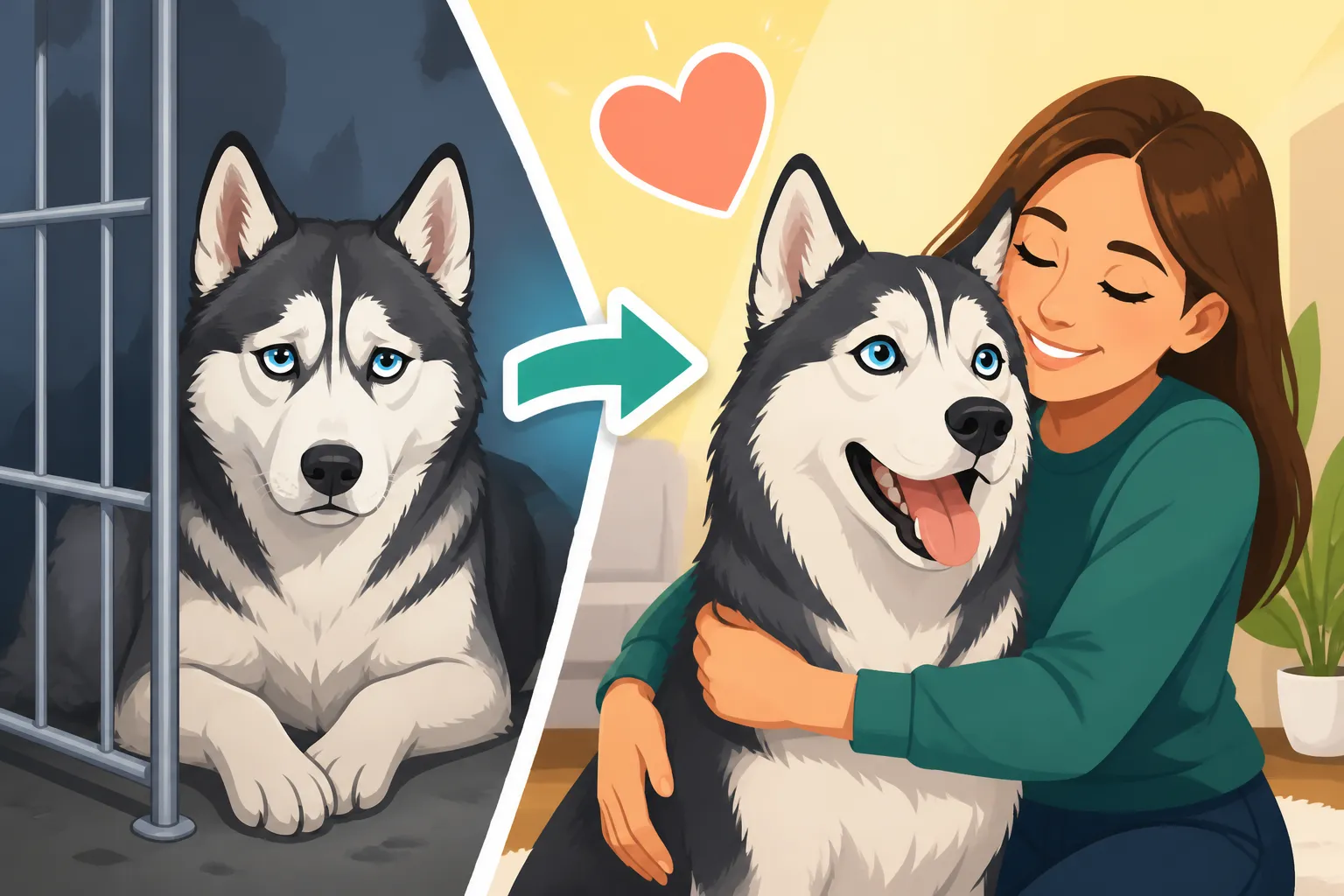
Despite the potential challenges, bringing a surrendered husky into your life is an incredibly rewarding experience. These dogs, often resilient and forgiving, have an amazing capacity to bond deeply with their new families once they feel safe and understood. Witnessing a previously timid or anxious husky blossom into a confident, playful companion is one of the greatest joys of rescue adoption.
There's a unique satisfaction in knowing you've provided a safe haven and a loving home to a dog who truly needed it. Surrendered huskies often seem to appreciate their new lives profoundly, showing immense loyalty and affection. They remind us that every dog deserves a chance, and with patience, consistency, and love, they can overcome past traumas and live full, happy lives. Their quirky personalities, vocal communications, and boundless energy, once understood and channeled, become endearing traits that enrich your life in countless ways.
Navigating the Adoption Process
The adoption process for a surrendered Siberian Husky is designed to ensure that the dog finds a suitable, permanent home. Rescues and shelters are diligent because they want to avoid a dog ending up back in their care. This means the process can sometimes feel extensive, but remember it’s all in the best interest of the husky. It’s a journey that requires commitment, honesty, and a willingness to learn.
Choosing the Right Rescue or Shelter
Your first step is finding the right organization. While local animal shelters often have huskies, breed-specific Siberian Husky rescues are often the best choice. These organizations specialize in the breed, understanding their unique temperament, exercise needs, and potential health concerns. They often have experienced foster homes where dogs are evaluated, house-trained, and even started on basic obedience before adoption. This direct experience means they can give you a much more accurate picture of a dog's personality and needs.
When choosing a rescue, look for one with a strong reputation, clear adoption policies, and a commitment to post-adoption support. Ask about their vetting process for dogs, what medical care they provide, and how they ensure a good match between dog and adopter. Reputable rescues like those found through the Siberian Husky Club of America will prioritize the dog's well-being above all else. They might have a longer waiting list or a more rigorous application, but the benefits of their expertise and support are invaluable. Many will even allow you to sign up for email alerts when a husky becomes available on platforms like Petfinder or Adoptapet, helping you find a good match from a trustworthy organization.
The Application and Interview Stage
Once you've identified a rescue, you'll typically start with a detailed application form. This form asks about your living situation, your experience with dogs (especially strong-willed breeds), your lifestyle, and your ability to meet a husky's needs. Be honest and thorough. This isn't a test to trick you, but a tool for the rescue to assess potential matches. For example, if you live in an apartment, they'll want to know how you plan to provide adequate exercise for a breed known for its need to run. If you have cats, they’ll want to discuss Siberian Husky Prey Drive Around Small Animals.
Following the application, you’ll likely undergo an interview, either over the phone or in person. This is your chance to ask detailed questions about specific dogs and for the rescue to delve deeper into your application. They might ask about your fencing, your work schedule, how you plan to handle training, and your budget for vet care. Some rescues even conduct home visits to ensure your living environment is safe and suitable. This might seem intrusive, but it’s part of their commitment to finding forever homes and reducing the chances of a husky ending up back in the system, which unfortunately is why So Many Siberian Huskies Reach Rescue at Two years old.
Meeting Your Potential New Family Member
After your application is approved, you'll be invited to meet the huskies who might be a good fit. This is an exciting but crucial step. Don't rush it. Spend time observing the dog's behavior, asking questions of their foster parent or shelter staff, and interacting with them in different ways. Bring your family, including any other dogs (if permitted and supervised), to see how everyone interacts.
Pay attention to body language. Does the husky seem comfortable, or are they showing signs of stress? Are they aloof, overly eager, or just right? Remember that a shelter environment can be incredibly stressful, so a dog might not show their true personality immediately. Sometimes, a "meet and greet" might occur in a neutral location or the foster home, providing a more relaxed setting. Trust your gut feeling, but also listen to the rescue's advice. They know their dogs best and are excellent at making informed matches, ensuring both you and the husky are set up for success.
Preparing Your Home for a Surrendered Husky
Bringing a surrendered Siberian Husky home requires thoughtful preparation. These dogs, especially those who have experienced instability, thrive on structure, security, and predictability. By setting up your home and environment correctly from day one, you can minimize stress for your new companion and set the stage for a smooth transition.
Securing Your Yard and Home Environment
This is arguably the most critical step for any Siberian Husky owner, but especially for one adopting a rescue who might already have a history of escaping. Huskies are master escape artists. As discussed in The Fence Bill a Siberian Husky Forces, a minimum six-foot fence is highly recommended, and even then, you'll need to think about how they might climb or dig. Burying a section of fencing or laying chicken wire along the bottom, extending inward, can deter diggers. For climbers, "coyote rollers" at the top can prevent them from getting a grip to hoist themselves over.
Inside the home, consider dog-proofing. Huskies are known for their chewing abilities, especially when bored or anxious. Put away anything valuable or potentially dangerous that could be chewed, from shoes to electrical cords. Ensure trash cans have secure lids and that food items are out of reach. If your husky will be crated, invest in a sturdy, escape-proof crate. Brands like Impact or Ruffland are known for their durability and ability to contain even the most determined escape artists, far surpassing the typical wire crates often found on sites like Chewy that a husky might easily bend or break.
Essential Supplies and Initial Setup
Before your husky arrives, stock up on the essentials. This includes a high-quality food bowl, a heavy-duty water bowl (they can easily tip lighter ones), a secure collar or harness, and a strong leash. For a husky, a martingale collar or a front-clip harness is often recommended for walks to prevent slips and manage pulling, as they have a natural instinct to pull. You'll need durable, mentally stimulating toys that can withstand powerful chewing. Kongs, Nylabones, and puzzle feeders are excellent choices.
Food is another crucial consideration. Many rescues will send you home with a small supply of the food the husky has been eating to help transition. If you plan to switch foods, do so gradually over several days to avoid an upset stomach. Talk to your vet or the rescue about appropriate nutrition, keeping in mind that huskies often have a remarkably efficient metabolism and may require less food than similarly sized breeds, as detailed in Feeding a Siberian Husky on 60 Percent of the Label. Consider brands that offer high-quality ingredients, or if you're interested in fresh food, services like Ollie provide pre-portioned, human-grade meals that can be great for picky eaters, but remember to adjust quantities for a husky's unique metabolism.
Establishing a Routine and Boundaries
Huskies, particularly those who have experienced instability, thrive on routine. Establishing a predictable schedule for feeding, potty breaks, walks, and playtime from day one will help your new dog feel secure and understand expectations. Decide where your husky will sleep, eat, and spend time when unsupervised, and be consistent with these rules.
Setting clear boundaries is equally important. Decide what areas of the house are off-limits, whether they are allowed on furniture, and what behaviors are acceptable. Use positive reinforcement to reward desired behaviors. Remember that a husky tests boundaries; they’re not being malicious, they're simply exploring what they can get away with. Consistency and patience are key. If one family member allows a behavior and another corrects it, the husky will become confused and frustrated, making training much harder. Start with a structured routine and gradually introduce new experiences as your husky gains confidence in their new home.
Addressing Common Challenges with Adopted Huskies
Adopting a surrendered Siberian Husky can come with its share of unique challenges, largely due to their breed-specific traits and their individual past experiences. Being prepared for these common hurdles is essential for a smooth integration and a lasting bond. Patience, consistency, and a proactive approach are your best allies.
Managing Separation Anxiety and Destructive Behaviors
Many surrendered huskies have experienced the trauma of being left behind, which can lead to separation anxiety when they find themselves alone again. This anxiety often manifests as destructive chewing, excessive howling, inappropriate urination or defecation, or attempts to escape. Imagine coming home to a shredded couch or a door frame gnawed through – it's a frustrating situation, but remember it's usually a sign of distress, not spite. If your husky is showing signs of Siberian Husky Destruction When Left Alone, it's crucial to address the root cause.
Start with very short absences, gradually increasing the time you leave them alone. Provide engaging, durable puzzle toys stuffed with high-value treats (like frozen peanut butter or cream cheese) to keep their minds occupied. A high-quality crate, if properly introduced as a safe den, can also be a valuable tool. Never punish anxiety-driven behaviors, as this will only exacerbate the fear. For severe cases, consult a professional dog trainer or veterinary behaviorist who specializes in positive reinforcement and can help you create a tailored plan. Sometimes, prescription medication in conjunction with behavior modification is necessary to help a severely anxious husky cope.
Overcoming Leash Pulling and Prey Drive
Siberian Huskies were literally bred to pull, so walking politely on a leash doesn't come naturally to them. This can make walks a constant struggle, especially if you have a strong, determined husky who sees every walk as an opportunity to practice their sled-dog skills. You might find yourself dreading walks because your husky is dragging you down the street. It’s a common frustration, but it can be managed with the right tools and training. For detailed guidance, check out Siberian Husky Leash Work Against a Pulling Instinct.
Utilize front-clip harnesses (like the Freedom No-Pull Harness or the Balance Harness) or martingale collars, which provide more control than standard flat collars without causing discomfort if used correctly. Enroll in obedience classes that focus on loose-leash walking, and practice frequently in low-distraction environments before moving to busier areas. Consistency is key; every time your husky pulls and you allow it, you're inadvertently reinforcing the behavior.
Then there's the infamous prey drive. Huskies have a strong instinct to chase and often kill small animals. This means cats, squirrels, rabbits, and even small dogs can trigger their chase response. Siberian Husky Prey Drive Around Small Animals is a significant consideration, especially if you have other pets. Management is crucial: never trust a husky off-leash in an unfenced area, and always supervise interactions with smaller pets. Introduction to existing cats should be done slowly, carefully, and under strict supervision, ideally with a professional trainer's guidance. This instinct is deeply ingrained and cannot be "trained out," so your focus should be on safe management and redirecting their attention.
Building Trust and Strengthening Your Bond
For a surrendered husky, building trust is paramount. They’ve likely experienced at least one major disruption in their life, and possibly more. This can make them wary, aloof, or even fearful. Creating a strong bond takes time, patience, and a consistent demonstration that you are a reliable, loving leader.
Start with positive interactions. Hand-feed meals, engage in play sessions that the husky enjoys (like tug or fetch), and provide plenty of calm, affectionate petting. Avoid harsh corrections or punishment, as this can break down trust quickly. Instead, focus on rewarding good behavior. Spend quality time together, even if it's just sitting quietly in the same room. As your husky learns that you are a source of comfort, food, and fun, their trust in you will grow. This bond is the foundation for all future training and a happy life together, allowing their true, playful husky personality to shine through.
Long-Term Care and Integration
Bringing a surrendered Siberian Husky into your home is just the beginning. Long-term care and thoughtful integration are crucial to ensuring they thrive and remain a beloved member of your family for years to come. This means a commitment to ongoing development, health, and understanding their unique needs as they age.
Ongoing Training and Socialization
Many people think that once basic obedience is achieved, training is over. For a husky, this couldn't be further from the truth. Their intelligence and independent nature mean that ongoing training and mental stimulation are vital to keep them engaged and well-behaved. Continued positive reinforcement, learning new tricks, and even engaging in dog sports like agility, canicross, or bikejoring can provide the mental and physical outlets they crave. These activities are not only fun but also reinforce your bond and keep their minds sharp.
Socialization, too, is an ongoing process. While your husky might be great with other dogs, regular, positive interactions with a variety of dogs and people will help maintain their social skills. Carefully chosen dog parks (if your husky is trustworthy off-leash, which is rare for a husky, or if there are secure, private rentals like Sniffspot), group walks, or playdates with known, friendly dogs can be beneficial. Remember that not every dog needs to be best friends with every other dog, but they should learn to coexist politely. If you're struggling with reactivity or specific behavioral issues, don't hesitate to seek out a certified professional dog trainer for guidance.
Nutritional and Veterinary Considerations
A healthy diet is the cornerstone of long-term well-being. Work with your veterinarian to determine the best diet for your husky, considering their age, activity level, and any specific health concerns. As mentioned, huskies have a unique metabolism, so closely monitoring their weight and adjusting portions is essential. If your husky has a history of zinc-responsive dermatosis, you might need to discuss specific supplements or dietary adjustments. Premium dog food brands are widely available through retailers like Chewy, offering a vast selection from kibble to raw and fresh options, allowing you to find what works best for your husky and your budget.
Regular veterinary care is non-negotiable. This includes annual check-ups, vaccinations, and parasite prevention. Be mindful of potential breed-specific health issues. For example, Siberian Huskies are prone to certain eye conditions, so annual eye exams are recommended. Understanding Siberian Husky Lifespan and What Shortens It can help you anticipate potential health changes as they age. Consider pet insurance from providers like Healthy Paws; it can be a lifesaver for unexpected illnesses or accidents, helping to manage costs and ensure your husky receives the best care without financial stress. Enroll them as early as possible to avoid pre-existing condition clauses.
Embracing the Unique Husky Personality
Perhaps the most important aspect of long-term integration is truly embracing the Siberian Husky for who they are. They are not Golden Retrievers or German Shepherds. They are intelligent, often stubborn, vocal, independent, and full of character. They will talk back, they will test you, and they will likely try to escape given the slightest opportunity. But they will also offer unparalleled loyalty, boundless joy, and endless entertainment.
Learn to appreciate their distinctive "woo-woo" conversations, their playful antics, and their determination. Understand that their independence doesn't mean they don't love you; it means they are thinkers. Providing them with opportunities to engage their minds and bodies will tap into their deepest breed instincts and make them incredibly happy, fulfilled companions. By accepting their unique traits and meeting their specific needs, you won't just integrate a dog into your life; you'll gain a truly extraordinary family member.
Financial Realities of Rescued Huskies
While the emotional reward of adopting a surrendered Siberian Husky is immeasurable, it's vital to be realistic about the financial commitment involved. Many surrenders happen because previous owners underestimated the costs, and you want to ensure your husky has a stable, secure future without financial strain.
Adoption Fees vs. Initial Outlays
The immediate cost you'll face is the adoption fee. These fees vary significantly depending on the rescue organization, the dog's age, and their health status, but they typically range from $150 to $500, though some breed-specific rescues might charge more for desirable dogs. This fee usually covers a portion of the rescue's expenses, including spay/neuter surgery, initial vaccinations, microchipping, and any necessary veterinary care or behavioral assessments. While this might seem like a lot, it’s often significantly less than what a breeder charges for a puppy, and it also covers initial medical expenses that you would otherwise pay for immediately. For a more detailed breakdown, you can read about Rescue Fees for an Adult Siberian Husky.
However, the adoption fee is just the beginning. You'll have immediate out-of-pocket expenses for supplies: a durable crate, food bowls, a high-quality leash and harness, ID tags, and a variety of indestructible toys. These initial outlays can easily add up to several hundred dollars. If your husky comes with specific dietary needs, or if you opt for premium food from services like Ollie, that will be an additional cost to factor in right away. Investing in quality items from the start, often found at retailers like Chewy, can save you money in the long run by avoiding frequent replacements of chewed-up gear.
Unexpected Medical Bills
One of the biggest financial surprises for new dog owners, especially with a rescue, can be unexpected medical bills. While rescues provide initial vetting, a surrendered husky might have underlying health issues that haven't yet manifested or were not fully diagnosed. This could range from dental problems requiring a cleaning, to skin issues like zinc-responsive dermatosis, or more serious conditions that develop after adoption.
For example, if your husky has an undiagnosed eye condition that surfaces, the cost of specialist visits and potential treatments can quickly run into thousands. This is precisely why considering pet insurance is so important. Companies like Healthy Paws offer various plans that can cover a significant portion of unexpected veterinary expenses, giving you peace of mind. It’s a worthwhile investment to protect against financial hardship and ensure your husky gets the care they need throughout their life. Be sure to enroll before any conditions are diagnosed, as pre-existing conditions are typically not covered.
Training Investments and Ongoing Expenses
Beyond the initial costs and potential medical surprises, you'll have ongoing expenses that are part of responsible husky ownership. Training is often an area where new owners underestimate the investment. If your surrendered husky comes with behavioral challenges like leash reactivity, separation anxiety, or a lack of basic obedience, you might need to hire a professional dog trainer or enroll in specialized classes. Group classes can range from $150-$300, while private sessions can easily cost $100-$200 per hour.
Then there are the regular monthly costs. Food will be a primary expense, though huskies are known for their efficient metabolisms, so they may eat less than you expect for their size. Factor in flea, tick, and heartworm preventatives, which can cost $50-$100 every few months. Don't forget durable toys, treats for training, and occasional grooming supplies for their double coat. Over their lifespan, which can be 12-15 years, these costs add up significantly. A table like the one below can help visualize the common costs.
| Expense Category | Initial Costs (Estimate) | Monthly/Annual Ongoing Costs (Estimate) | Notes |
|---|---|---|---|
| Adoption Fee | $150 – $500 | N/A | Varies by rescue; typically includes initial vet care. |
| Initial Supplies | $200 – $600 | N/A | Crate, bowls, leash, harness, ID tags, toys. |
| Food | N/A | $50 – $100/month | Varies by brand/diet type; huskies are efficient eaters. |
| Vet Care (Annual Check-ups) | N/A | $150 – $300/year | Vaccinations, check-ups. |
| Preventatives | N/A | $200 – $400/year | Flea, tick, heartworm. |
| Training (Classes/Trainer) | $150 – $1000+ | $0 – $100/month (if ongoing) | Depends on initial needs and continued engagement. |
| Pet Insurance | N/A | $30 – $70/month | Highly recommended for unexpected medical bills (e.g., Healthy Paws). |
| Grooming Supplies | $50 – $150 | $0 – $20/month (if self-grooming) | Brushes, de-shedding tools, shampoo. |
| Emergency Fund / Miscellaneous | $500 – $1000 (suggested) | Variable | For unexpected illnesses, accidents, boarding, etc. |
This table offers a snapshot, but remember that individual circumstances can significantly alter these figures. The key is to budget realistically and prepare for the long-term financial commitment that comes with truly providing a forever home for a surrendered Siberian Husky.
Disclaimer
The information provided in this article is for general informational purposes only and does not constitute professional veterinary advice. Always consult with a qualified veterinarian or certified professional dog trainer for any health or behavior concerns regarding your Siberian Husky.