Why So Many Siberian Huskies Reach Rescue at Two
It’s a heartbreaking reality that far too many Siberian Huskies find themselves in rescue shelters and foster homes right around their second birthday. You see these beautiful, energetic dogs advertised as "too much to handle" or "needs a different home," and it leaves you wondering how a dog could go from cherished family member to homeless in such a short time. This guide is going to peel back the layers and explain exactly why the two-year mark often becomes a breaking point for Siberian Husky owners and what factors contribute to this sad trend.
The Fading Puppy Charm and Emerging Reality
When you bring home a fluffy, blue-eyed Siberian Husky puppy, it’s easy to get swept up in the adorable antics and the promise of a beautiful, athletic companion. They're like little wolves, charming everyone they meet. But what many new owners fail to fully grasp is that puppies grow into adult dogs, and with the Siberian Husky, that transition brings a whole host of deeply ingrained breed traits that can be overwhelming if you're not prepared. The initial cuteness often overshadows the immense responsibility, and by two years old, that "cute" phase is definitely over.
Misconceptions About Temperament
A lot of people are drawn to the Siberian Husky's striking looks, perhaps influenced by images of majestic sled dogs or even characters from popular fantasy shows. They imagine a loyal, easily trained companion. However, the breed was developed by the Chukchi people for a very specific purpose: to pull light loads over vast distances with minimal food, and to do so with an independent, often stubborn, nature. They are not naturally inclined to be "people pleasers" in the way some retriever breeds are. This independence, which can be charming in a tiny puppy exploring its world, becomes a challenging characteristic when you're dealing with a fifty-pound dog that decides your commands are optional. Many owners expect a dog that lives to obey, and when faced with a Husky that consistently makes its own choices, they feel frustrated and unprepared.
The True Energy Levels Unveiled
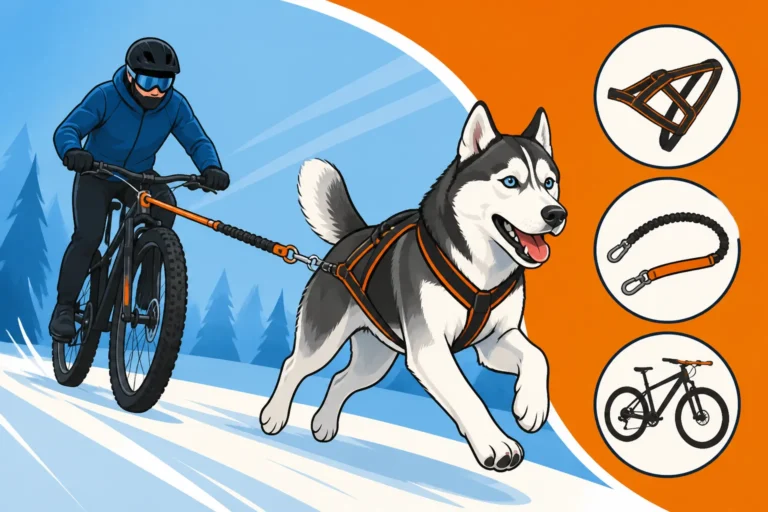
A young Siberian Husky puppy might seem to tire out after a brisk walk or a short play session in the yard. It lulls owners into a false sense of security about their exercise needs. By the time a Husky hits two years old, its full adult energy levels are well and truly established. We're talking about a dog that was bred to run for hours in harsh conditions. A simple walk around the block twice a day isn't going to cut it. Owners find themselves with a dog that is literally bouncing off the walls, engaging in destructive behaviors, or constantly vocalizing, not because it's "bad," but because it's bored and under-exercised. This mismatch between an owner's lifestyle and the dog's inherent needs is a massive contributor to surrenders, especially once the initial novelty wears off and daily life sets in.
Behavioral Challenges That Peak Around Two Years
The age of two is often when a Siberian Husky's most challenging breed-specific behaviors fully mature and become impossible to ignore. These aren't just minor quirks; they are deeply ingrained instincts that require consistent management and a deep understanding of the breed. What might have been a manageable puppy tendency often becomes a full-blown adult characteristic that owners feel ill-equipped to handle.
The Escape Artist Extraordinaire
If you've spent any time around Siberians, you know they are the Houdinis of the canine world. This isn't just about slipping a collar on a walk; it's about a deep-seated roaming instinct. Around two years old, when their strength and problem-solving skills are fully developed, they become incredibly adept at escaping. We're talking about dogs that can climb chain-link fences, dig under concrete foundations, or even figure out how to open gate latches. One minute they're in the yard, the next they're gone, often traveling miles before they can be caught. This constant stress of a potential escape, the fear of their dog getting hit by a car or causing an incident, takes a tremendous toll on owners. You can read more about Stopping a Siberian Husky From Escaping the Yard.
Unmanageable Prey Drive
Siberian Huskies have a very strong prey drive. This isn't a fault; it's a genetic trait honed over centuries for survival and working. While a puppy might show interest in squirrels, by two years old, that interest often escalates into an intense, focused drive to chase and potentially harm smaller animals, including cats, rabbits, and even small dogs. This can make walks a nightmare, as a sudden lunge after a squirrel or a bird can pull an unprepared owner off their feet. Furthermore, it means keeping them in a multi-pet household can become a dangerous balancing act. Many owners underestimate the severity of this drive, believing they can train it out, only to find themselves constantly managing a highly vigilant, always-hunting canine. This is a primary reason why Siberian Husky Prey Drive Around Small Animals is such a critical topic.
Destructive Habits From Boredom and Anxiety
A bored Siberian Husky is a destructive Siberian Husky. If their immense energy isn't channeled positively through exercise, training, or a "job," they will find their own outlets, and those outlets often involve chewing, digging, and tearing apart your home or yard. A two-year-old Husky has the jaw strength and endurance to do serious damage in a surprisingly short amount of time. Couch cushions, drywall, carpets, even doors can fall victim to a frustrated Husky. This destruction isn't malicious; it's simply a manifestation of unmet needs. When you couple this with potential separation anxiety, which some Huskies develop if left alone for long periods without proper preparation, the damage can become financially crippling and emotionally exhausting for owners. The realities of Siberian Husky Destruction When Left Alone are often a rude awakening.
Here's a quick look at how common behavioral challenges escalate as a Husky matures:
| Behavioral Trait | Puppy Stage (0-1 year) | Adult Stage (1.5-3 years) | Owner Impact at 2 Years |
|---|---|---|---|
| Independence/Stubbornness | Adorable "selective hearing" during play. | Consistent refusal to comply, strong self-will. | Frustration with training, feeling ignored. |
| Energy Levels | Energetic bursts, naps frequently. | Sustained, high-intensity exercise requirement daily. | Destructive behaviors, constant "demand" for activity, burnout. |
| Prey Drive | Curiosity towards small animals, some chasing. | Intense, focused drive to hunt; danger to cats, wildlife. | Stress on walks, fear of escape, risk to other pets. |
| Escapism | Poking head under fence, testing gates. | Climbing, digging, gate-latching expertise, frequent escapes. | Constant anxiety, property damage, legal/financial repercussions from loose dog. |
| Vocalization | Occasional howls or "talking." | Regular, loud howls and barks from boredom/loneliness. | Neighbor complaints, disruption, inability to leave dog alone. |
Unrealistic Expectations Versus Real-World Ownership
A significant portion of the problem stems from a fundamental misunderstanding of what owning a Siberian Husky truly entails. Prospective owners often don't delve deep enough into the breed's history and purpose, leading to expectations that are completely out of alignment with the Husky's inherent nature. By two years old, these differences become stark and often lead to an unsustainable living situation.
The Financial Strain No One Mentions
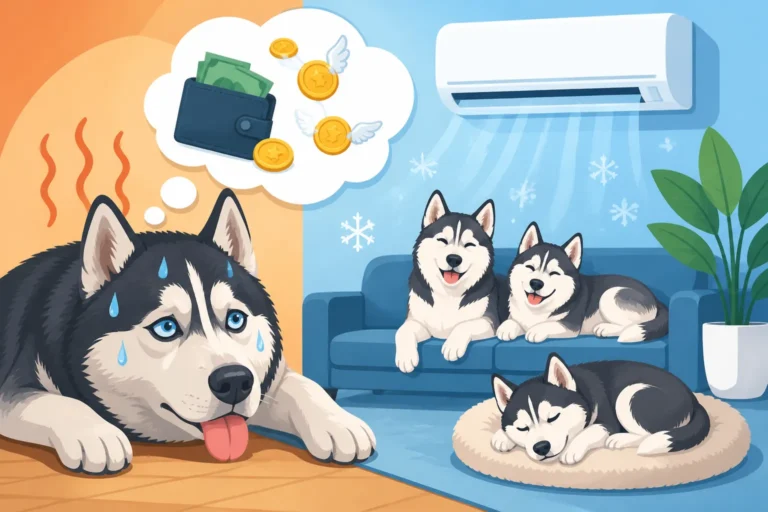
Let's be brutally honest: Siberian Huskies are not cheap dogs to own, especially when things go wrong. While a puppy might seem like a manageable initial cost, the ongoing expenses can quickly add up. Beyond the usual food and vet bills, Huskies often incur additional costs. Their penchant for escape can lead to expensive fence reinforcements. Their destructive tendencies might mean replacing furniture or repairing walls. If they escape and get into trouble, animal control fines, vet bills from injuries, or even liability claims can be astronomical. Even preventative measures, like durable toys, professional grooming during a Siberian Husky Coat Blow and the Six Weeks It Lasts, and specialized training to combat their independence, represent significant financial investments. Many owners simply haven't budgeted for the true Costing Out a Siberian Husky From Puppy to Senior and find themselves overwhelmed by the financial demands by the time the dog is two years old. Investing in pet insurance like Healthy Paws early on can help mitigate some of these unexpected veterinary costs, especially with a breed prone to adventurous escapes and potential injuries.
Time Commitment Underestimated
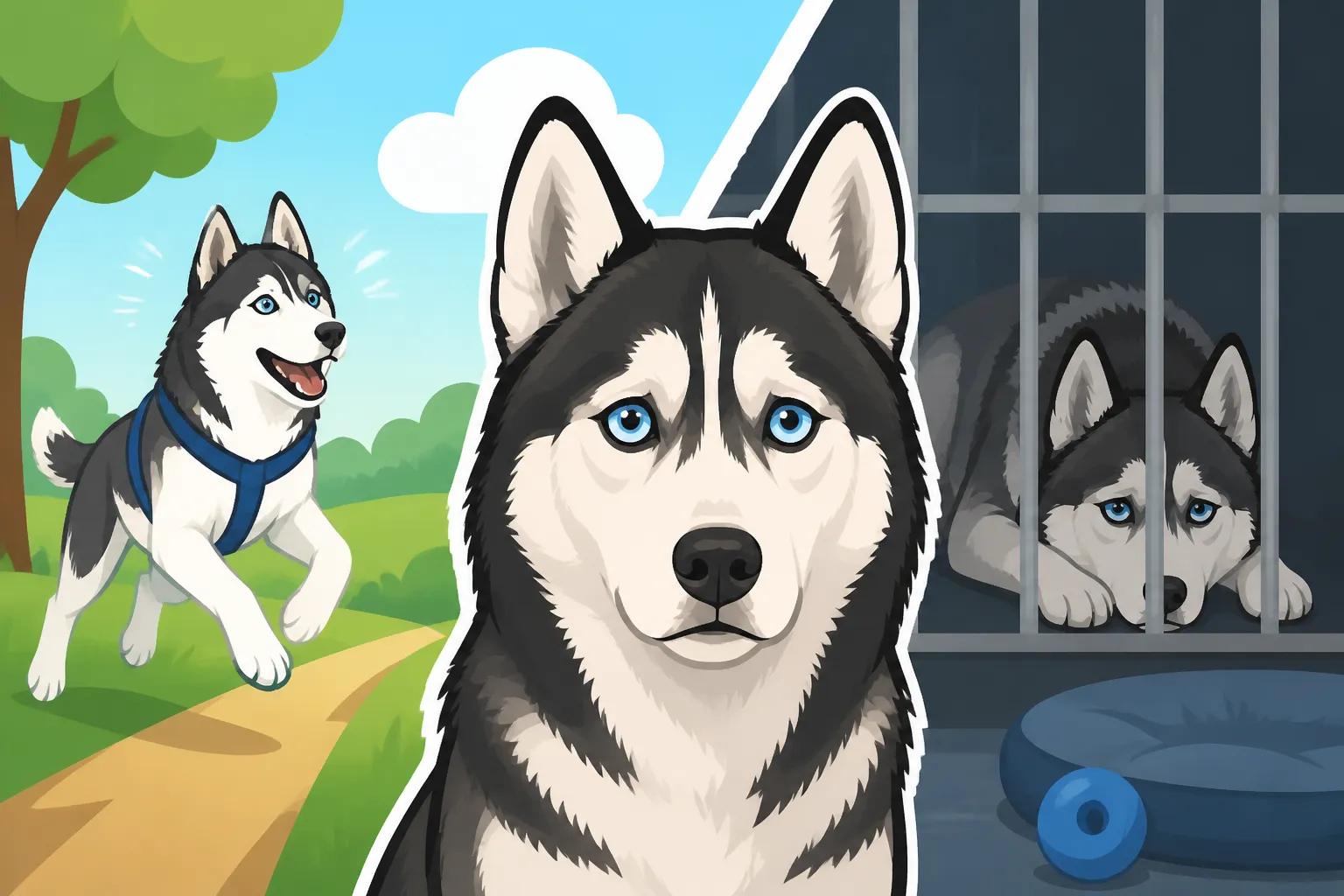
Siberian Huskies demand an incredible amount of time and attention. They need mental stimulation just as much as physical exercise. This means dedicated training sessions, engaging puzzle toys (maybe even some robust options from Chewy that can stand up to their chewing), and interactive playtime. Many people get a Husky expecting a dog that can entertain itself while they work all day, only to realize by age two that their dog is miserable, destructive, or developing separation anxiety. They are a pack animal that thrives on companionship, and long hours left alone in a backyard or crate are a recipe for disaster. The reality of having to dedicate 2-3 hours daily to their exercise and mental needs, on top of basic care, is a shock to many who simply don't have that kind of time.
The "I Can Fix It" Mentality
Some owners adopt a Husky with the optimistic belief that they can "fix" any behavioral issues with love and patience. While love and patience are crucial, they are not substitutes for consistent, informed training and breed-specific management strategies. The independent nature of the Siberian Husky means that traditional obedience methods often need to be adapted. They're smart, but they're not always motivated by pleasing you; they're motivated by what's in it for them. By two years old, when a Husky's habits are more ingrained, and their physical strength is at its peak, owners realize that their "fix-it" approach isn't working. This can lead to deep frustration and a feeling of failure, culminating in the decision to surrender the dog. This is why specialized advice on Training an Independent Siberian Husky is so crucial from day one.
A Perfect Storm: The Two-Year Mark
The reason the two-year mark is so significant isn't just about individual behaviors; it's about all these factors converging at a critical developmental stage. At this age, a Siberian Husky is no longer an endearing, clumsy puppy; they are a fully mature adult, both physically and mentally.
Peak Physical and Mental Maturity
Around 18 months to two years, Siberian Huskies reach their full physical size, strength, and mental maturity. This means their roaming instinct is at its most potent, their prey drive fully developed, and their energy levels are at their peak. They've also had two years to practice and refine any unwanted behaviors they've discovered. A clever puppy who learned to unlatch a gate at six months is now a powerful, determined adult who can do it in seconds. Owners who might have managed a slightly rebellious adolescent now face a formidable, independent adult dog with deeply ingrained habits.
Owner Burnout and Lifestyle Changes
By two years, the novelty of puppyhood has long worn off. The constant vigilance, the daily battles with leash pulling, the stress of potential escapes, and the financial drain can lead to severe owner burnout. Life circumstances also change: people move, jobs become more demanding, children arrive, or new relationships form. A dog that was a manageable challenge at 10 months can become an insurmountable obstacle when other life stressors come into play. The sheer exhaustion of trying to keep up with a high-energy, high-drive breed often leads owners to the difficult decision of surrender, believing it's the best option for both the dog and themselves. For those considering a high-quality diet, a brand like Ollie might offer tailored nutrition to support their high energy without overfeeding, but even specialized food needs careful budgeting.
Lack of Preparedness for the Long Haul
Ultimately, the high rate of Siberian Husky surrenders at two years old boils down to a fundamental lack of preparedness for the entire lifespan of the breed. Many people get a Husky for its looks without truly understanding the long-term commitment. They don't realize they're adopting a dog with ancient instincts, a profound need for exercise and mental stimulation, and a unique, independent personality that requires a specific kind of owner. The two-year mark is simply when the gap between expectation and reality becomes too wide to bridge for many, leading them to seek rescue organizations that specialize in this magnificent, yet challenging, breed. It's a testament to the breed's enduring nature that they often live long lives, but that means a long commitment. Owners need to understand The Health Milestones of a Siberian Husky Year by Year to be truly prepared.
Disclaimer
This article is intended for informational purposes only and is not a substitute for professional veterinary advice, training guidance, or behavioral consultation. Always consult with a qualified professional for any health, behavior, or training concerns regarding your Siberian Husky.