Snow Nose in a Siberian Husky Through Winter
It can be quite startling to look at your beautiful Siberian Husky's dark nose one day and realize it's starting to fade, turning lighter, sometimes even pinkish, especially as the colder months set in. Many Husky owners worry they've missed something serious, but this common phenomenon, affectionately known as "snow nose," is often a completely normal and harmless seasonal change. This comprehensive guide will help you understand what causes snow nose, when it’s nothing to worry about, and when a change in your Husky’s nose pigment might signal something more.
What Exactly is "Snow Nose" in a Siberian Husky?
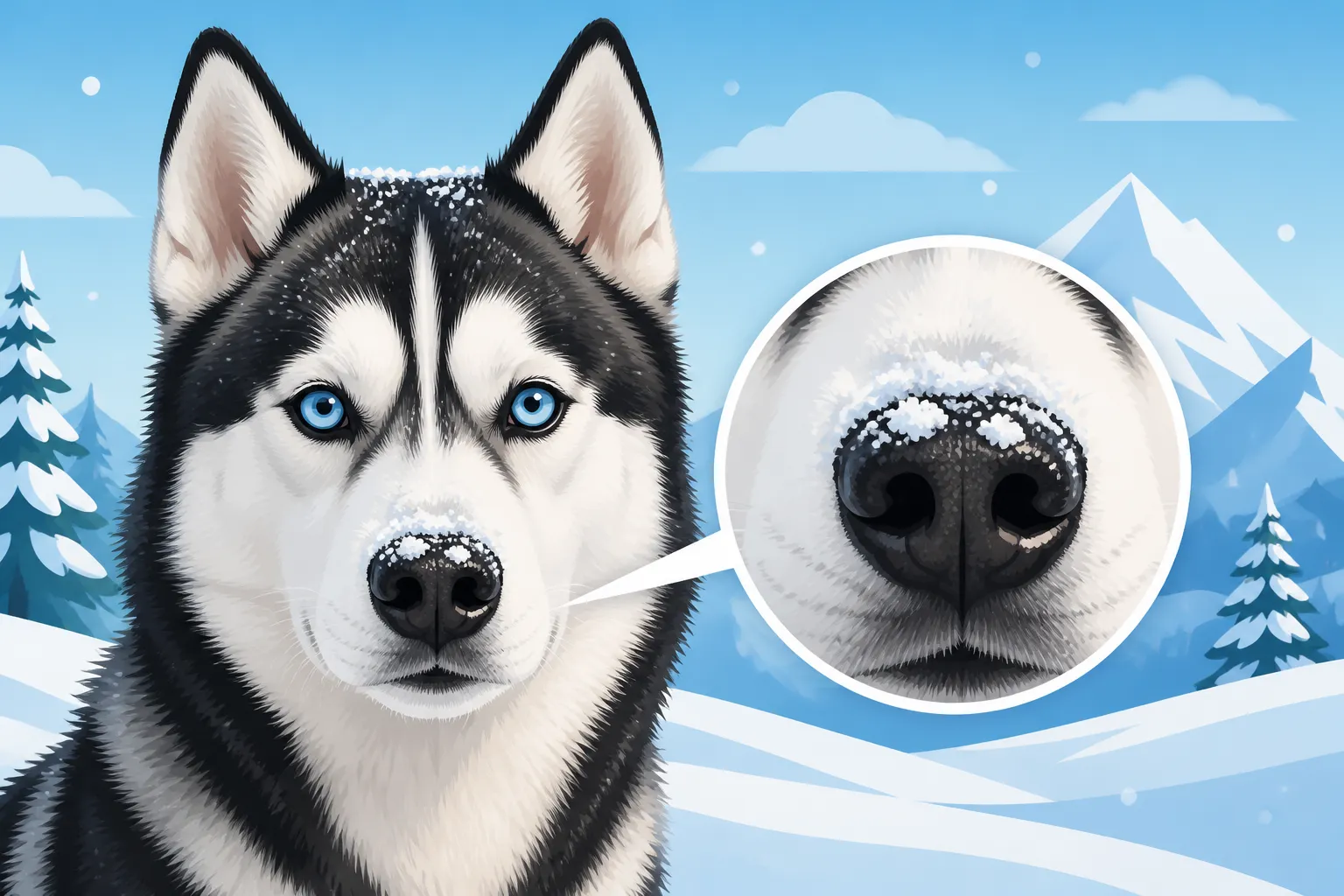
"Snow nose" is a charming, somewhat poetic term given to the temporary or permanent lightening of a dog's nose pigment. It's particularly common in certain breeds, and our beloved Siberian Huskies are definitely among them! When we talk about a Husky’s snow nose, we're specifically referring to the loss of dark pigment, typically black or liver, from the nose pad, causing it to appear pink, light brown, or a faded version of its original color. It’s not a medical condition in itself, but rather a descriptive term for a specific kind of pigment change.
The Science Behind Depigmentation
To understand snow nose, we need to talk a little about melanin. Melanin is the natural pigment that gives color to skin, hair, and eyes – and yes, noses too! The cells responsible for producing melanin are called melanocytes. For many Siberian Huskies, especially as winter approaches, the activity of these melanocytes in the nose region can slow down. Think of it like a dimmer switch for color production. When the switch is turned down, less melanin is produced, and the nose loses some of its vibrant, dark hue.
This isn't unlike how some people tan in the summer and lose some of that color in the winter. The underlying mechanisms are similar, though a dog's nose is a bit more sensitive to these environmental and genetic factors. The actual physical structure of the nose doesn't change; it's purely a shift in color. While a pure black nose is often seen as desirable, a nose that lightens temporarily is perfectly healthy.
How to Spot the Change
Spotting snow nose is usually quite straightforward, though it can sometimes be subtle at first. You'll typically notice a gradual lightening of the black or liver pigment on your Husky's nose pad. It might start as a small pinkish patch, often in the center or along the edges, and then spread. For some Huskies, the change might be quite dramatic, with the entire nose turning a noticeable pink or light tan. For others, it might just be a softer, less intense version of their usual dark nose.
The key characteristic of snow nose is that the texture of the nose remains smooth and healthy. It won't be cracked, flaky, crusty, or painful to the touch. It’s purely a color shift. If you run your fingers over your Husky's nose, it should feel just as soft and supple as it did when it was dark. Keep an eye on the transition – does it lighten gradually through fall and winter and then perhaps darken again in spring and summer? This seasonal pattern is a strong indicator of classic snow nose.
Why Does "Snow Nose" Happen Primarily in Winter?
The connection between winter and nose depigmentation in Siberian Huskies is so strong that it earned its common name "snow nose." While it can sometimes occur year-round or be a permanent change, the seasonal aspect is what makes it so distinctive for our northern breeds.
Environmental Factors and Pigment Production
One of the leading theories behind snow nose points to a decrease in sunlight exposure during the winter months. Melanin production is often stimulated by ultraviolet (UV) light, similar to how human skin responds to the sun. With shorter daylight hours and less intense sun in winter, the melanocytes in a Husky’s nose might simply become less active. It's like their internal clock is responding to the seasonal shift, saying, "Okay, time to dial back the pigment!"
Another less common, but sometimes contributing, environmental factor could be related to the cold itself, or perhaps even contact with ice or snow. Some theorize that prolonged exposure to extreme cold might temporarily affect the pigment-producing cells. While Huskies are built for cold, their sensitive nose tissue might respond with a pigment change. This is why you might notice the nose turning lighter during extended periods outdoors in very frigid conditions. However, the sunlight theory remains the most widely accepted explanation for the strong seasonal pattern.
Genetic Predisposition in Huskies
Beyond environmental factors, genetics play a huge role in whether a Siberian Husky develops snow nose. Not all Huskies experience this phenomenon, and some will have it more severely or permanently than others. It's often an inherited trait, indicating that certain genetic markers make some dogs more prone to seasonal pigment changes. Breeders will tell you that it's a completely normal variation within the breed and not a fault. You'll find it described often in the discussions around Siberian Husky Coat Colors and Markings.
This genetic predisposition means that even if two Huskies live in the exact same environment, one might develop snow nose while the other retains a consistently dark nose. It's just part of their individual genetic makeup. It’s also common for the pigment to return fully in some dogs each spring, while in others, it may only partially darken or remain light year-round after the initial change. This doesn't indicate a problem; it just shows the spectrum of normal variations in A Siberian Husky Nose That Loses Its Color.
When is a Discolored Nose Normal, and When Should You Worry?
It's natural to be concerned when you notice a change in your dog, especially something as prominent as their nose color. The good news is that snow nose is almost always a benign, normal variation. However, there are other, more serious conditions that can cause nose depigmentation, and it's important to know the difference.
Normal Seasonal Changes vs. Underlying Health Issues
The hallmark of normal snow nose is that it's just a color change. The nose itself remains smooth, moist, and healthy. Your Husky will act completely normal, won't show any discomfort, and there will be no other symptoms. If the lightening of the nose follows a seasonal pattern (lighter in winter, darker in summer), it's almost certainly snow nose. This cyclical change often happens year after year without any ill effects.
However, if the nose depigmentation is accompanied by other signs, it warrants a closer look from your veterinarian. These worrying signs include:
- Crusting, scabbing, or sores: If the nose is crusty, developing scabs, or bleeding, this is not normal snow nose.
- Cracking or flaking: A dry, cracked, or flaky nose can indicate irritation, dryness, or a skin condition.
- Pain or itching: If your Husky is rubbing their nose excessively, pawing at it, or seems sensitive when touched, it's a sign of discomfort.
- Ulcerations: Open sores or erosions on the nose pad are serious and need immediate veterinary attention.
- Pigment loss on other parts of the body: If you notice similar lightening around the lips, eyelids, or paw pads, it could point to a more systemic issue. This is especially true if you see Whitening Lips and Eyelids in a Siberian Husky.
- Lethargy, appetite loss, or other general illness signs: Any change in nose pigment accompanied by systemic illness is a red flag.
Other Conditions That Cause Nose Depigmentation
Several other conditions can cause a dog's nose to lose pigment, and it’s crucial to differentiate them from harmless snow nose.
1. Vitiligo: This is an autoimmune condition where the immune system attacks the melanocytes, leading to patches of depigmented skin and hair. It's usually permanent and can affect the nose, lips, eyelids, and other areas of the body. While primarily cosmetic, it’s distinct from snow nose and can be diagnosed by a vet. If you’re concerned about Snow Nose Against Real Husky Pigment Loss, vitiligo might be one of the conditions your vet considers.
2. Discoid Lupus Erythematosus (DLE): This is a relatively common autoimmune skin disease that primarily affects the nose, often leading to pigment loss, scaling, crusting, and ulcerations. The nose may appear raw and painful, especially in sunlight. This is definitely not snow nose and requires veterinary treatment, often with topical or oral steroids.
3. Pemphigus Foliaceus: Another autoimmune skin disease that can affect the nose, causing crusting, pustules, and pigment loss. It's usually more widespread, affecting other areas of the body, but the nose can be an early indicator. This needs prompt diagnosis and treatment.
4. Zinc-Responsive Dermatosis: While Siberian Huskies have a unique metabolism when it comes to zinc, which often manifests as crusting and hair loss around the eyes, mouth, and pressure points, it can sometimes affect the nose pigment. If you're seeing Why a Siberian Husky Crusts Around the Muzzle, along with pigment changes, zinc deficiency might be a factor, and supplementation might be necessary under veterinary guidance. This is a common issue for Huskies, and understanding Zinc-Responsive Dermatosis in the Siberian Husky is crucial.
5. Uveodermatologic Syndrome (VKH-like Syndrome): This is a very serious autoimmune disease that affects both the eyes and pigmented skin, including the nose. It causes inflammation in the eyes (uveitis) and can lead to severe pigment loss on the nose, lips, eyelids, and paw pads. This condition is an emergency for the eyes and requires immediate, aggressive veterinary care. It’s important to know the signs of Uveodermatologic Syndrome and the Siberian Husky.
6. Trauma or Infection: Physical injury to the nose, such as scrapes or burns, or certain types of fungal or bacterial infections, can temporarily or permanently disrupt pigment production in the affected area.
If you observe any signs other than a simple color change, or if you're just generally worried, it’s always best to consult your veterinarian. They can properly diagnose the cause of the depigmentation and recommend appropriate treatment if needed.
Caring for Your Siberian Husky's Nose Through Winter
Even if your Siberian Husky’s snow nose is just a normal, cosmetic change, the winter months bring their own set of challenges for sensitive skin, including the nose. Protecting your Husky’s snout, especially when it’s lighter, can help keep it healthy and comfortable.
Protecting a Depigmented Nose from the Elements
A nose that has lost some pigment might be more susceptible to the elements, just like fair skin is more prone to sunburn. Even in winter, UV rays can reflect off snow and ice, potentially causing irritation or even sunburn on a pinker nose.
Here are a few ways to protect your Husky's nose:
- Sun Protection: If your Husky spends a lot of time outdoors, especially on bright, sunny winter days with snow on the ground, consider applying a pet-safe sunscreen to their nose. Look for products specifically formulated for dogs, free of zinc oxide (which can be toxic if ingested in large quantities) and other harmful chemicals. A quick search on Amazon or Chewy for "dog sunscreen" will give you plenty of options. A little dab goes a long way to shield that sensitive skin.
- Moisture and Barrier Creams: While snow nose itself doesn't cause dryness, the cold, dry air of winter can certainly lead to chapped noses, just like it does for human lips. Applying a dog-specific paw balm or nose butter can help keep the nose moist and protected. These typically contain natural ingredients like shea butter, coconut oil, and vitamin E, forming a protective barrier against wind and cold. This is similar to how you might use Paw Balm for a Cracked Siberian Husky Pad.
- Limit Prolonged Exposure to Extreme Cold: While Huskies are champions of the cold, consistent exposure to biting winds and freezing temperatures can still be harsh on exposed skin. During extreme weather conditions, make sure your Husky has access to shelter or limit their time outdoors. Understanding Siberian Husky Cold Weather Care and Its Limits is key for overall winter wellness.
Nutritional Support for Pigmentation (and general health)
While diet isn't generally going to "cure" snow nose if it's a genetic or seasonal issue, a well-balanced diet rich in essential nutrients can certainly support overall skin and coat health, which includes maintaining healthy pigmentation.
- Omega Fatty Acids: These are fantastic for skin and coat health, promoting a healthy skin barrier and supporting cell function. Many high-quality dog foods, like those you might find from Ollie, incorporate omega-3 and omega-6 fatty acids from sources like fish oil or flaxseed. If your Husky's diet doesn't have enough, a supplement can be beneficial.
- Zinc: As mentioned earlier, Huskies can sometimes have issues with zinc absorption, which can affect skin and coat health, including pigmentation. While excessive zinc can be harmful, ensuring adequate levels is important. If your vet suspects a zinc deficiency, they might recommend a specific supplement. Remember, simply switching to a zinc-rich food might not always solve the problem if the issue is absorption, which is why Diet Changes That Help Husky Zinc Absorption are important to consider under professional guidance.
- Vitamins E and C: These antioxidants can help protect cells from damage and support overall skin health. A good quality dog food typically contains sufficient levels, but talk to your vet if you have concerns.
Always remember that any changes to your Husky's diet or introduction of supplements should be discussed with your veterinarian first. They can help you determine the best approach based on your dog's individual needs and rule out any underlying health issues. A healthy Husky is a happy Husky, regardless of whether their nose is black as night or charmingly pink from the winter snow!
| Feature | Snow Nose | Other Depigmentation (e.g., DLE, Vitiligo) | When to Act |
|---|---|---|---|
| Appearance | Smooth, moist, healthy; only color change | Crusting, scabbing, cracking, bleeding, ulcerations | If not smooth/healthy, consult vet |
| Comfort Level | No discomfort, pain, or itching | Often painful, itchy, sensitive | If dog shows discomfort, consult vet |
| Seasonality | Often seasonal (lighter in winter, darker in summer) | Can be year-round or progressive | If non-seasonal or rapidly worsening, consult vet |
| Affected Areas | Primarily the nose pad | Can affect nose, lips, eyelids, paw pads, body skin | If widespread pigment loss, consult vet |
| Overall Health | Dog acts completely normal | May be accompanied by other illness symptoms | If systemic illness signs, consult vet |
Disclaimer
This article is for general informational purposes only and does not constitute professional advice. Laws, prices and regulations vary by location and change over time. Consult a qualified professional for guidance on your specific situation.