Whether a Shaved Siberian Husky Coat Ever Recovers
It's a question I hear far too often, and honestly, it breaks my heart every time: "My Husky was shaved, will their coat ever be the same?" The truth is, many well-meaning owners or even groomers, driven by misconceptions about heat or shedding, shave a Siberian Husky, only to discover a heartbreaking reality. This guide will delve into what happens when that beautiful, functional double coat is removed, the challenging road to recovery, and what you can do to help your Husky's coat bounce back, if it ever can completely.
The Heartbreaking Reality of a Shaved Husky Coat
You see those gorgeous, fluffy coats on Siberian Huskies, and sometimes, especially in the heat of summer or amidst a massive shedding session, the thought of just shaving it all off can feel incredibly tempting. It seems like an easy fix, a way to cool them down or reduce the endless tumbleweeds of fur. But for a Husky, shaving their coat is almost always a decision that leads to more problems than it solves, and the visual impact alone can be quite distressing for owners who once admired their dog's majestic appearance.
Why Owners Feel the Need to Shave
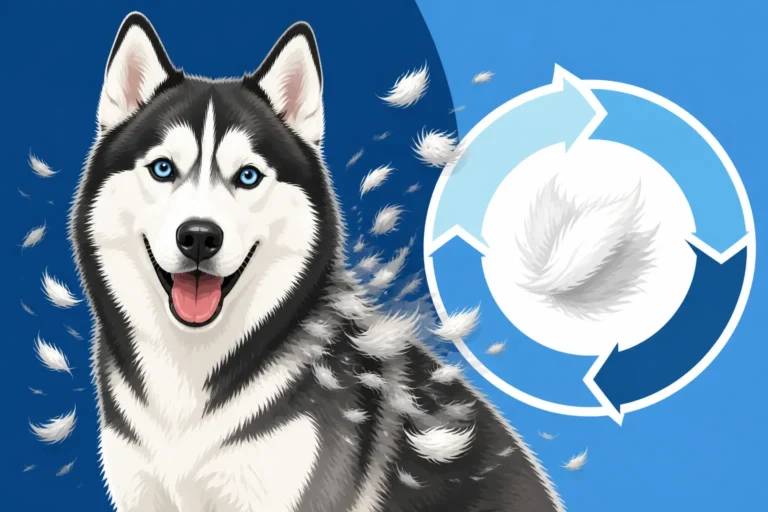
Let's be real, living with a Siberian Husky means living with a lot of fur. Twice a year, they go through what's affectionately known as "coat blow," where they shed their entire undercoat in a matter of weeks. The sheer volume of hair can feel overwhelming, and many owners, desperate for relief, might consider shaving as a last resort. There's also the persistent myth that shaving a double-coated dog will keep them cooler in hot weather. It seems logical, right? Less fur, less heat. But with Huskies, this couldn't be further from the truth. They're built for extreme temperatures, and their coat is their natural air conditioning system. The desire to help, combined with a lack of understanding of this unique coat, often leads to the regrettable decision to shave.
The Immediate Visual Impact
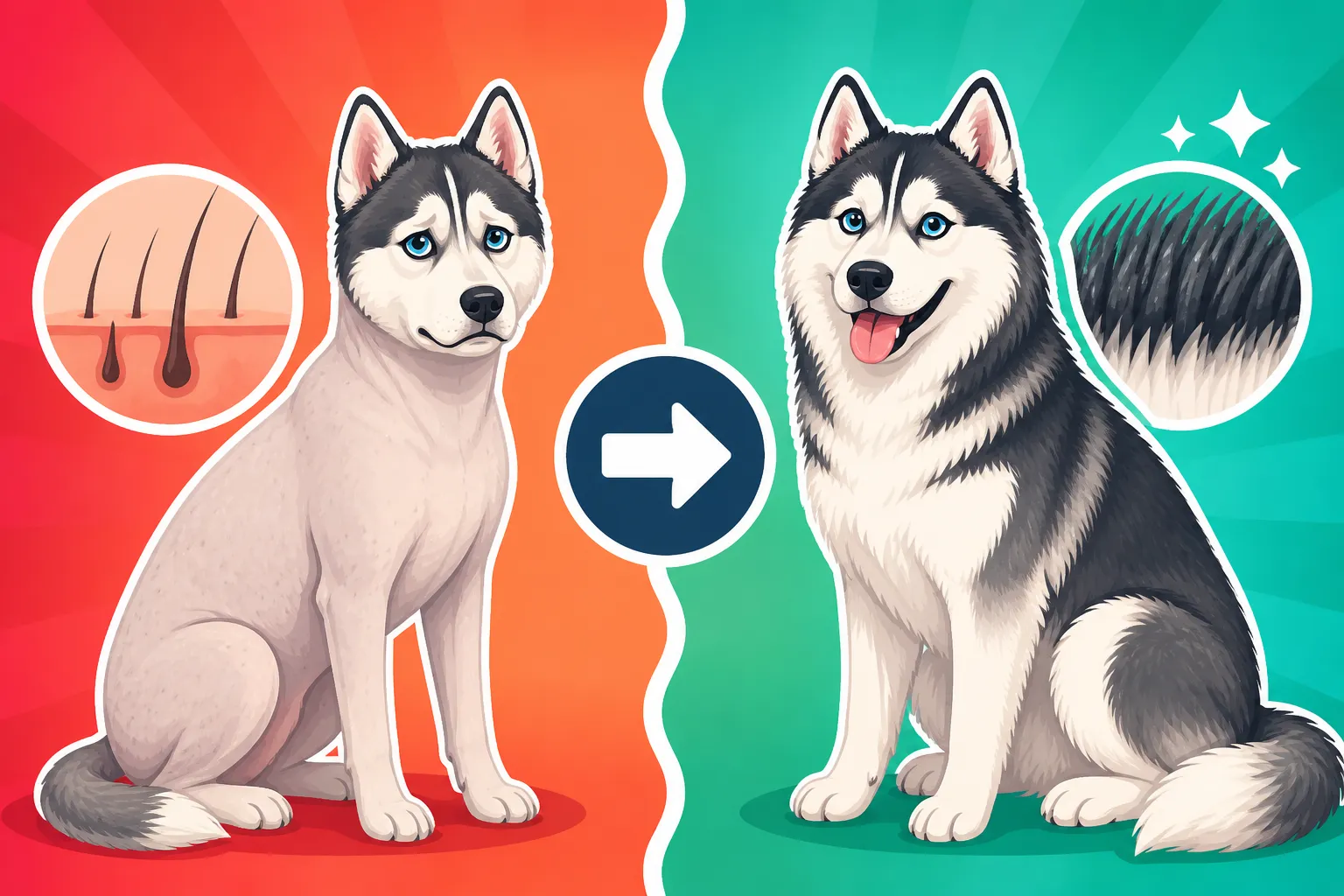
The moment that beautiful, thick coat comes off, it’s often a shock. The Husky you know and love suddenly looks… different. Their elegant lines are gone, replaced by a strangely sparse or stubbly appearance. Many owners report feeling immense regret almost immediately. Beyond the aesthetic change, the dog often looks thinner, sometimes even sickly, as the natural bulk and insulation of their fur are stripped away. It's a jarring transformation that highlights just how integral their coat is to their identity and appearance. This isn't just a haircut; it's a fundamental alteration of their protective layer, and the visual aftermath is often a painful reminder of a well-intentioned but misguided choice.
Understanding the Husky's Double Coat: The Science Behind the Problem
To truly grasp why shaving is so detrimental to a Siberian Husky, you need to understand the incredible engineering of their double coat. It's not just "fur"; it's a sophisticated system designed by nature to protect them from both freezing cold and scorching sun. When we interfere with this system by shaving, we're not just giving them a trim; we're breaking a highly specialized natural defense mechanism.
Guard Hairs vs. Undercoat
Imagine two layers working in perfect harmony. The outer layer consists of what we call "guard hairs." These are the longer, coarser, often straight hairs that give your Husky its color and pattern. Their job is crucial: they repel water, shed dirt, and provide UV protection, acting like a natural shield against the elements. Think of them as the roof shingles on a house. Beneath these guard hairs lies the dense, soft, and incredibly insulating "undercoat." This fluffy layer is what keeps your Husky warm in sub-zero temperatures and, counter-intuitively, also helps keep them cool by trapping a layer of air that insulates against heat. It's like the insulation in your attic. The guard hairs allow air to circulate down to the undercoat, creating an air pocket that regulates body temperature. This clever design is why What the Siberian Husky Double Coat Actually Does is so fascinating and why it's so important to preserve.
How Shaving Disrupts the Natural System
When you shave a Siberian Husky, you cut both these layers down to the same length. The problem is, the undercoat grows back much faster than the coarser guard hairs. This means that as the coat regrows, the soft, wooly undercoat will often overwhelm and prevent the slower-growing guard hairs from coming through properly. Instead of having a protective outer layer and a soft insulating layer, you end up with a coat that is predominantly soft, wooly undercoat. This new, altered coat can no longer effectively repel water, protect from UV rays, or regulate temperature. It's like removing the roof shingles and leaving only the attic insulation exposed to the weather – completely counterproductive to its original purpose. The fine balance is gone, and the dog is left vulnerable.
The Recovery Process: A Long and Uncertain Road
The question of whether a shaved Siberian Husky coat ever truly recovers is complex, and unfortunately, the answer is often a resounding "maybe, but probably not completely." It's not like cutting human hair, which grows back pretty much the same every time. For a Husky, the regrowth can be a frustratingly slow, uneven, and sometimes permanently altered process.
"Coat Funk" and Uneven Regrowth
One of the most common outcomes after shaving a Husky is what many owners and groomers refer to as "coat funk" or "post-clipping alopecia." This isn't a medical condition, but rather a descriptive term for the bizarre and often disheartening way the coat grows back. Instead of the sleek, straight guard hairs returning, you'll often see a patchy, wooly, and sometimes even discolored regrowth. The undercoat, being the faster grower, can come in dense and soft, but without the protective guard hairs to lay over it and provide structure. This creates a fluffy, cotton-like texture that mats easily, attracts dirt, and does nothing for temperature regulation. Some areas might grow faster than others, leading to a truly uneven and unkempt appearance that can take years to partially resolve, if ever.
Factors Influencing Recovery Time
Several factors play a role in how (and if) a shaved Husky's coat will recover. A young, healthy Husky with good genetics might have a better chance at a more complete regrowth over a period of 1-3 years. However, an older Husky, or one with underlying health issues like Siberian Husky Thyroid and Autoimmune Disease or nutritional deficiencies, might struggle significantly more. The extent of the shave also matters; a very close shave can do more damage to the hair follicles. Even with the best care, some coats simply never return to their original glory. It's a waiting game, filled with uncertainty, and requires immense patience from the owner. You might see some improvement over months, but often, the coat retains a noticeable difference.
Permanent Damage and What It Looks Like
In the worst-case scenarios, the damage can be permanent. This means the coat never recovers its original texture, density, or protective qualities. You might find your Husky permanently sporting that wooly, dull coat, lacking the distinct guard hairs that define the breed. This isn't just an aesthetic issue; it has serious implications for their health and comfort. A Husky with a damaged coat is far more susceptible to sunburn because the UV protection is gone. They will struggle to regulate their body temperature, becoming prone to overheating in summer and getting chilled in winter, even in conditions they once thrived in. Their skin can become dry, flaky, or irritated, and they might develop chronic matting issues where none existed before. It's a stark reminder that their coat is not merely decorative but a vital part of their physical well-being.
Caring for a Shaved Husky: Making the Best of a Bad Situation
If your Siberian Husky has already been shaved, it's natural to feel frustrated and worried. But don't despair! While you can't magically restore their coat overnight, there are certainly steps you can take to support regrowth, protect their compromised skin, and make them as comfortable as possible during this challenging period. It's all about patience, gentle care, and understanding that you're working with a healing process.
Protecting Their Compromised Skin
With the protective guard hairs gone, your Husky's skin is now exposed and vulnerable. This is especially true for sunburn. Just like humans, dogs can get painful sunburns, and Huskies with light-colored skin are particularly at risk. During sunny hours, keep your Husky in the shade as much as possible, or better yet, indoors. Consider applying a pet-safe sunscreen to exposed areas like the bridge of their nose, ear tips, and any areas where the fur is sparse. You can find these at pet stores or online at places like Chewy or Amazon.
Beyond sun, their skin is also less insulated against temperature extremes. What was once a self-regulating system is now less effective. In summer, be extra diligent about preventing overheating; avoid exercise during the hottest parts of the day and ensure constant access to fresh, cool water. Heat Stroke Risk in a Siberian Husky is significantly higher for a shaved dog. In winter, even if they historically loved the snow, their diminished insulation means they could get cold much faster. Monitor them closely and consider a dog coat for extended outdoor periods, something a Husky would usually never need.
Gentle Grooming for Regrowth
While you might be tempted to brush aggressively to encourage new growth, the key here is gentle care. Avoid harsh brushes like Furminators, which can damage the delicate new hairs and irritate the skin. Instead, opt for a soft bristle brush or a rubber curry comb. Regular, gentle brushing will help stimulate circulation to the skin, remove any loose hair (even if it's minimal), and prevent what little fur they have from matting.
You'll want to keep their skin clean, but don't over-bathe. Excessive bathing can strip natural oils, leading to dry, itchy skin, especially when their protective coat is absent. When you do bathe them, use a mild, moisturizing dog shampoo. You can read more about Bathing a Siberian Husky and How Rarely. After bathing, always ensure they are thoroughly dried, as dampness can lead to skin irritation.
Nutritional Support for Skin and Coat Health
A healthy coat starts from within. Providing your Husky with a high-quality diet rich in essential fatty acids can significantly support skin health and promote healthier hair regrowth. Look for dog foods that list omega-3 and omega-6 fatty acids (like fish oil or flaxseed) as key ingredients. Supplements, such as fish oil, can also be beneficial. Many brands, including Ollie, offer foods and supplements focused on canine health that can contribute to a lustrous coat.
Consider adding a tablespoon of flaxseed oil or a good quality fish oil to their food daily (consult your vet for appropriate dosage). These supplements can help improve the skin barrier, reduce inflammation, and encourage stronger, healthier hair follicles. Remember, while nutrition is crucial, it's not a magic bullet; it supports the natural processes, but it won't reverse permanent damage overnight. Fish-Based Food for a Siberian Husky Coat is often recommended for its omega content.
Preventing the Mistake: Alternatives to Shaving
The best way to deal with a shaved Husky coat is to never let it happen in the first place! Understanding your Husky's unique needs and adopting proper care routines can eliminate any perceived necessity for shaving. There are plenty of effective and safe alternatives that support their natural coat function without compromising their health or comfort.
Managing Shedding Effectively
The biggest motivator for shaving is often the shedding, especially during a Siberian Husky Coat Blow and the Six Weeks It Lasts. The key to managing this is consistent, regular grooming, not shaving. Investing in the right tools and a bit of elbow grease will save you a lot of heartache.
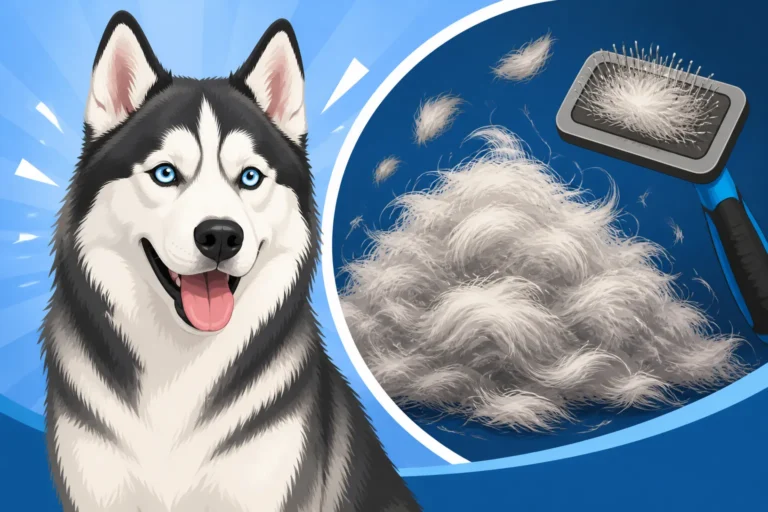
- Regular Brushing: During coat blow seasons (typically spring and fall), daily brushing with an undercoat rake is essential. This helps to pull out the loose undercoat before it ends up all over your house. Don't be shy about getting deep into that fur, but always be gentle to avoid irritating the skin. You can find excellent undercoat rakes on Amazon or at your local pet supply store. For tips on technique, check out Daily Raking Through a Siberian Husky Blow.
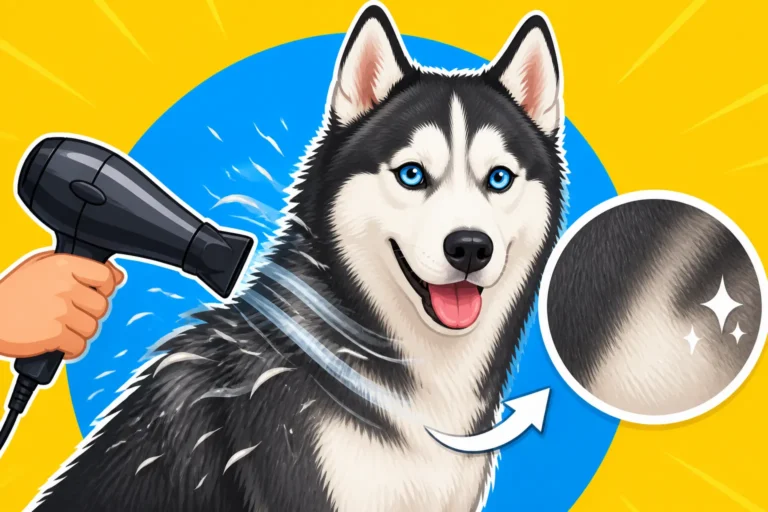
- Professional De-Shedding Services: Many groomers offer de-shedding treatments specifically designed for double-coated breeds. These services often involve special shampoos, conditioners, and high-velocity dryers that help to "blow out" the loose undercoat without cutting or damaging the guard hairs. It's often worth the cost for the sheer volume of fur they can remove in one session. You can read more about Professional De-Shedding for a Siberian Husky.
- High-Velocity Dryer: If you're a DIY enthusiast, a high-velocity dog dryer can be a game-changer. Used after a bath, it blasts out water and loose undercoat, drastically reducing shedding.
Keeping Them Cool Naturally
Despite popular belief, shaving a Husky does not make them cooler. Their double coat acts as insulation against heat, just as it insulates against cold. Removing it makes them more susceptible to heatstroke and sunburn.
- Shade and Water: Provide ample shade in your yard and ensure constant access to fresh, cool water, especially during warmer months. A kiddie pool can be a fun way for some Huskies to cool off, but make sure to dry them thoroughly afterward.
- Timing Walks: Adjust your exercise schedule. Walk your Husky during the cooler parts of the day – early morning or late evening. Avoid walks on hot pavement, which can burn their paw pads. Timing Siberian Husky Walks in Hot Weather is crucial.
- Cooling Aids: Cooling mats or elevated beds can help your Husky stay comfortable indoors. Fans can also aid in air circulation. Check out Cooling Mats and Fans for a Siberian Husky for more ideas. Never wet your Husky's undercoat in an attempt to cool them unless you can dry them completely, as a wet undercoat can trap heat and lead to skin issues.
Dealing with Mats Without Shaving
Mats can happen, especially in areas like behind the ears or under the legs. While severe matting might require professional intervention, most minor mats can be dealt with without resorting to shaving.
- Gentle Dematting Tools: Use a dematting comb or a mat splitter cautiously. Always work slowly and gently, holding the base of the mat to prevent pulling on the skin.
- Cornstarch Trick: Sprinkle a little cornstarch on the mat to help loosen the hairs before attempting to brush it out.
- Professional Help: If mats are extensive or close to the skin, take your Husky to a professional groomer. They have the experience and tools to safely remove mats, often saving the majority of the coat, or at least minimizing the shaved areas.
By understanding your Siberian Husky's magnificent coat and implementing these proactive measures, you can ensure they remain comfortable, healthy, and looking their best, without ever having to face the question of whether a shaved coat will recover.
| Feature | Healthy Siberian Husky Coat | Shaved Siberian Husky Coat |
|---|---|---|
| Structure | Two distinct layers: stiff guard hairs over dense undercoat | Guard hairs and undercoat cut to same length, often uneven |
| Function | Repels water, sheds dirt, UV protection, insulates from heat/cold | Compromised protection, poor insulation, vulnerable skin |
| Appearance | Sleek, distinct color/pattern, naturally sheds | Patchy, wooly, dull, prone to discoloration, matted |
| Temperature Reg. | Excellent natural temperature regulation | Significantly impaired, prone to overheating and chilling |
| Skin Health | Protected from sun and elements, healthy airflow | Exposed to sun (sunburn risk), vulnerable to irritation |
| Shedding | Manages seasonal "blows" with proper grooming | May shed less initially, but future shedding can be worse |
| Recovery | Naturally maintains health with good care | Recovery is long, uncertain, and often incomplete |
Disclaimer
This article is for general informational purposes only and does not constitute professional advice. Laws, prices and regulations vary by location and change over time. Consult a qualified professional for guidance on your specific situation.