Cooling a Siberian Husky Without Wetting the Undercoat
It’s a common dilemma for Siberian Husky owners as the temperatures rise: you see your beloved companion panting, looking hot, and your first instinct is to douse them with water. But then you remember stories about their double coat, and suddenly you’re worried you might be making things worse. It’s a real struggle trying to keep a northern breed comfortable in the heat without accidentally turning their dense undercoat into an insulating, damp mess. This guide is here to walk you through effective, safe strategies to keep your Siberian Husky cool and comfortable, all while respecting the unique properties of their incredible coat, without getting it fully soaked.
Understanding the Siberian Husky's Unique Double Coat
The Siberian Husky’s coat is a marvel of natural engineering, designed to withstand extreme cold. However, this same design can create unique challenges when it comes to keeping them cool in warmer climates. Understanding how their coat works is the first step in helping them stay comfortable.
The Function of the Double Coat in Heat
Many people mistakenly believe that a thick coat is only good for keeping an animal warm. While it excels at that, a healthy double coat, made up of a soft, dense undercoat and coarser guard hairs, also provides insulation against heat. The guard hairs are like a protective outer layer, shielding the skin from direct sunlight and insect bites. The undercoat, while primarily for warmth, also creates a layer of air that acts as a thermal barrier. Think of it like a thermos: it keeps hot things hot and cold things cold. In summer, this means it helps prevent external heat from reaching the skin. It’s a delicate balance, and What the Siberian Husky Double Coat Actually Does explains this in more detail.
When the coat is kept clean and free of mats, air can circulate through these layers, allowing heat to dissipate from the skin. It’s a fantastic system, but it relies on that dry, airy space. When you saturate the undercoat, you collapse those air pockets, reducing its ability to insulate and creating a damp environment that can actually trap heat against the skin, making your dog feel even hotter as the water warms up.
Why a Wet Undercoat Can Trap Heat
This is the counterintuitive part that often surprises new Husky owners. If you completely soak a Husky's undercoat, especially if they then go out into the sun or a humid environment, that water can take a very long time to evaporate. During this prolonged drying process, several things can happen. First, the collapsed undercoat loses its insulating properties, meaning external heat can more easily penetrate to the skin. Second, the moisture itself, if it doesn’t evaporate quickly, can create a humid microclimate right against the skin. As the water warms up from body heat and ambient temperatures, it can effectively "steam" the dog, leading to discomfort and potentially even skin issues like hot spots if it stays damp for too long.
Imagine wearing a thick, wet wool sweater on a hot day – it feels heavy, sticky, and makes you feel even warmer as the water heats up. While a quick dip in cool water and immediate drying in a breezy, shady spot can offer temporary relief, allowing a Husky to remain soaked, especially if they then lie in a warm, still environment, can be detrimental. It disrupts the natural thermoregulation their coat provides and can make cooling much harder in the long run.
The Risks of Shaving a Siberian Husky
Given the challenges of a double coat in the heat, some owners might consider shaving their Siberian Husky, thinking it will solve the problem. This is a common and dangerous misconception. While it might seem logical to remove all that fur, shaving a Husky’s double coat does far more harm than good. The guard hairs, once cut, do not necessarily grow back correctly, often resulting in a patchy, uneven coat that no longer provides proper insulation. You'll find more on this topic in Why a Shaved Siberian Husky Overheats.
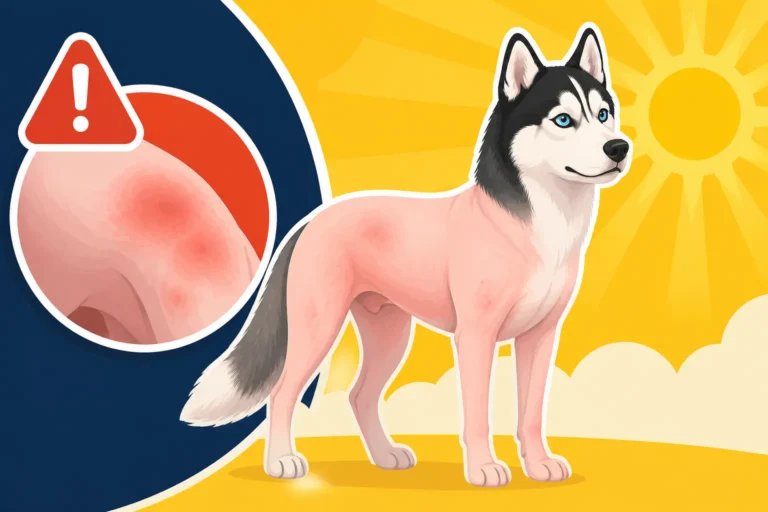
When shaved, the dog's skin is directly exposed to harmful UV rays, increasing the risk of sunburn and even skin cancer. Furthermore, by removing the insulating layers, you prevent the coat from doing its job of keeping heat out. The dog becomes more susceptible to overheating because their natural barrier is gone. It's truly a disservice to their unique biology and can lead to a host of health problems. Never shave your Siberian Husky; instead, focus on managing their environment and providing other cooling solutions.
Essential Environmental Management for Cooling
Since getting the undercoat thoroughly wet isn't the best long-term strategy, managing your Husky's immediate environment becomes paramount. This involves a combination of passive and active measures to keep the air around them cool and circulating.
Creating a Shade Sanctuary
One of the simplest yet most effective ways to help a Siberian Husky beat the heat is to ensure they always have access to ample shade. Direct sunlight can quickly elevate a Husky’s body temperature, even on moderately warm days. A shade sanctuary isn't just a small patch of shadow; it should be a generous area where your Husky can stretch out, relax, and remain completely out of the sun's harsh rays throughout the hottest parts of the day.
This could mean a well-placed shade tree in the yard, a sturdy awning, or a designated covered patio. For outdoor Huskies, an insulated dog house that faces away from the sun's path can offer a cool retreat, especially if it has good ventilation. Indoors, ensure curtains are drawn on sun-facing windows, and your Husky has a preferred, cool spot away from direct sunbeams. Remember, asphalt and concrete can absorb and radiate immense heat, so a grassy or natural-surface shaded area is always preferable for your Husky to lie down.
The Power of Air Movement: Fans and Air Conditioning
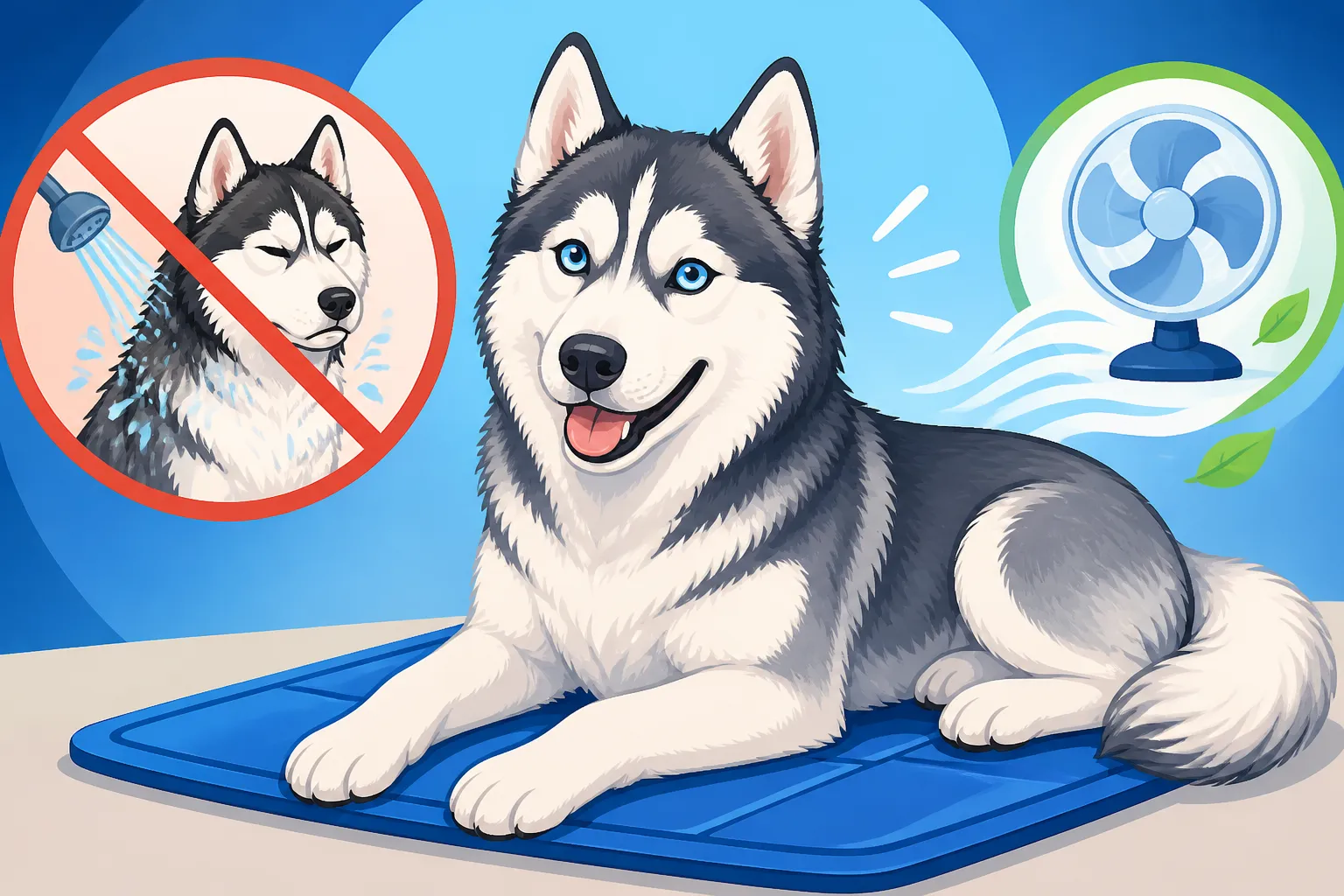
Stagnant, warm air is a Husky's enemy. Promoting air movement is crucial for their natural evaporative cooling (panting) to be effective. Fans can make a significant difference, even if they're just circulating warm air, as the movement helps dissipate heat from their bodies. Position sturdy, pet-safe fans in areas where your Husky rests, ensuring they’re out of reach if your dog decides to investigate with their teeth.
For truly hot days, air conditioning is your Husky's best friend. Keeping your home at a comfortable, cool temperature, especially during the peak heat hours, is often the most important step for owners in warmer climates. If you have to leave your Husky home alone during the day, resist the urge to turn off the AC completely to save money; even setting it a few degrees higher than you might prefer can make a world of difference for their well-being. Many owners budget specifically for Running Air Conditioning for a Siberian Husky in Summer because it's non-negotiable for their dog's health.
Elevated Beds for Airflow
Traditional dog beds can sometimes trap heat underneath your Husky, especially if they are plush or have solid bases. Elevated dog beds are a fantastic solution, offering a simple way to increase airflow around and underneath your dog. These beds typically feature a sturdy frame with a mesh or sling fabric stretched across it, lifting your Husky several inches off the ground.
The open space beneath the bed allows air to circulate freely, preventing heat buildup from their body radiating back up. This means a cooler surface for them to lie on and more efficient heat dissipation. Brands like Chewy and Amazon offer a wide variety of elevated beds, from simple designs to more heavy-duty, chew-resistant options. They’re great for both indoor and outdoor use, providing a comfortable and cool spot that keeps your Husky off hot pavement or stagnant indoor floors.
Hydration and Internal Cooling Strategies
Keeping your Siberian Husky cool from the inside out is just as important as managing their external environment. Proper hydration is key, and there are several creative ways to encourage your Husky to drink and enjoy cooling treats.
Constant Access to Fresh, Cool Water
This might sound obvious, but it bears repeating: your Siberian Husky must have constant access to fresh, cool water, especially in warm weather. This means multiple water bowls strategically placed around the house and yard. Don't just fill them once in the morning and forget about them. Water can quickly become warm and unappealing in the heat, or it can evaporate, leaving your Husky high and dry.
Consider using large, ceramic or stainless steel bowls that are harder to tip over and can help keep water cooler than plastic. Placing a few ice cubes in their water bowl throughout the day can also entice them to drink more and provide a slight internal cooling effect. For outdoor Huskies, a no-spill or gravity-fed water dispenser can be a lifesaver, ensuring a continuous supply even when you're not constantly topping up bowls. Staying well-hydrated is critical to prevent Signs of Heat Trouble in a Siberian Husky.
Frozen Treats and Ice Licks
Who doesn't love a cold treat on a hot day? Your Husky is no different! Frozen treats are an excellent way to provide internal cooling and mental stimulation simultaneously. You can make simple ice cubes with water or dilute dog-safe broths for a flavorful twist. Fill a Kong or other puzzle toy with a mix of wet dog food, peanut butter (xylitol-free!), or plain yogurt and freeze it – this offers a long-lasting, delicious cooling activity.
Another favorite is a large "ice lick" block. You can freeze a plastic container (like an old milk jug cut open) filled with water, some dog-safe fruit pieces (like blueberries or apple slices), or even a few of their favorite kibbles. Once frozen solid, pop it out and let your Husky lick and chew at it in a shaded area. This provides a steady, slow release of cool water and tasty morsels, engaging them and helping them cool down gently without soaking their coat.
Offering Hydrating, Water-Rich Foods
While kibble is a staple for many Huskies, incorporating water-rich foods can boost their hydration and provide additional internal cooling. Many fresh dog food services, like Ollie, offer meals with higher moisture content than traditional dry kibble. Even adding a bit of water or unsalted broth to their regular kibble can make a difference.
You can also offer small amounts of dog-safe fruits and vegetables with high water content as snacks. Cucumber slices, watermelon (without seeds or rind), cantaloupe, and apples (without core or seeds) are great options. These treats aren't just refreshing; they also provide vitamins and fiber. Just remember to introduce new foods gradually and in moderation to avoid upsetting their stomach. This is about supplementing their diet, not replacing it entirely.
Activity Adjustment and Timing
Siberian Huskies are active dogs, but their energy levels need careful management during hot weather. Pushing them too hard when it’s warm can quickly lead to dangerous overheating. Adjusting their exercise routine is non-negotiable for their safety.
The Early Morning and Late Evening Walk Schedule
This is perhaps the most critical adjustment for any Husky owner in a warm climate. Forget midday strolls or afternoon park visits. During summer, the only safe times for outdoor exercise are in the very early morning, before the sun has had a chance to heat everything up, and late in the evening, after the sun has set and temperatures have dropped significantly.
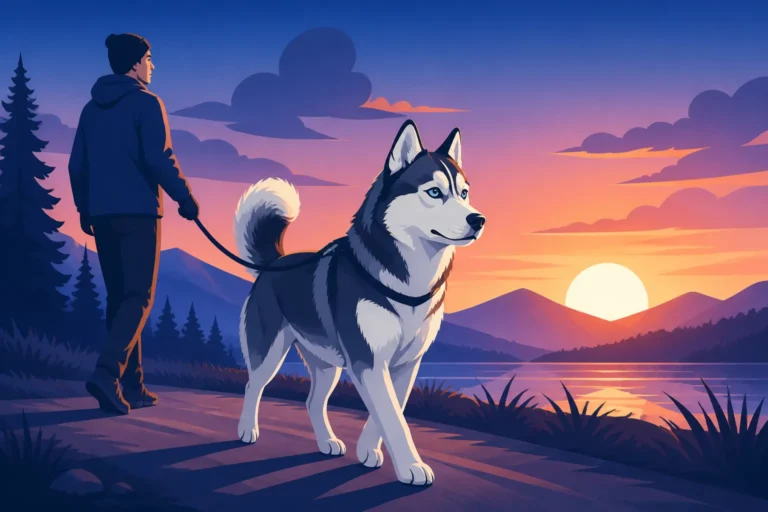
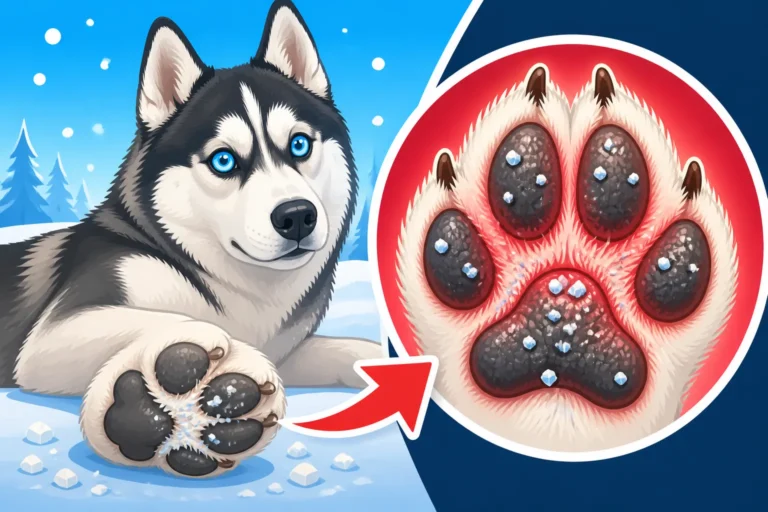
Pay close attention to the ground temperature, not just the air temperature. Asphalt and concrete can retain heat for hours after the sun goes down, becoming scorching hot and potentially burning your Husky's paws. Test the pavement with the back of your hand; if it's too hot for you to hold your hand there for five seconds, it's too hot for your Husky’s paws. Stick to grassy areas or shaded trails when possible, and keep walks shorter and less strenuous than usual. Timing Siberian Husky Walks in Hot Weather delves deeper into planning these outings.
Limiting Strenuous Activity
While your Husky might have an incredible urge to run and play, especially if they are used to How Much Exercise a Siberian Husky Really Needs, intense exercise must be severely limited when it’s hot. This means no long runs, no vigorous fetch sessions, and certainly no sustained pulling in harness when temperatures are elevated. Huskies are built for endurance in cold, not heat.
If your Husky is still bursting with energy even after a short, cool walk, look for ways to burn off some of that steam indoors. This could involve short training sessions with positive reinforcement, hide-and-seek games, or using interactive toys that require them to think. The goal is to prevent their core body temperature from rising rapidly, which can happen incredibly fast with strenuous activity in the heat. Monitor their panting; if it's excessive or noisy, it's time to stop and cool down.
Mental Stimulation Indoors
Keeping a highly intelligent and energetic breed like a Siberian Husky cooped up can lead to boredom and destructive behaviors. Since physical exercise needs to be curtailed during hot weather, mental stimulation becomes incredibly important. Puzzle feeders are a fantastic way to engage their brains and make them work for their food or treats. Brands like Chewy and Amazon offer a wide range of options, from simple treat-dispensing balls to complex feeders that require multiple steps to solve. Puzzle Feeders a Siberian Husky Cannot Beat can give you some ideas.
Beyond puzzle toys, consider indoor training sessions. Teach them new tricks, practice obedience commands, or even play hide-and-seek with their favorite toy or a hidden treat. Scent work, where they have to sniff out hidden items, is also incredibly tiring for dogs and can be done entirely indoors. These activities burn mental energy, satisfy their need to "do" something, and help prevent the destructive behaviors that can arise from boredom and excess energy when they can't have their usual outdoor adventures.
External Cooling Aids (Without Full Wetting)
While a full bath might be out, there are several external cooling aids and techniques that can help your Husky feel more comfortable without saturating their dense undercoat. These target specific body parts or provide a cool surface.
Cooling Mats and Bandanas
Cooling mats are a popular and effective solution. These mats contain a gel that activates when pressure is applied, drawing heat away from your dog's body. They don't require refrigeration or electricity, making them convenient to place wherever your Husky likes to rest. They provide a cool spot for them to lie on, helping to lower their core temperature gently. Many varieties are available from retailers like Chewy and Amazon.
Cooling bandanas are another great option. These typically contain water-absorbing crystals that, when soaked in cold water, become plump and provide a cooling effect as the water slowly evaporates. Crucially, they sit around the neck, where major blood vessels are close to the surface, and don't soak the dense undercoat on the body. This allows for targeted cooling without the risks associated with a fully wet coat. They can be found at most pet stores or online. Consider Cooling Mats and Fans for a Siberian Husky for more options.
Gentle Wiping of Paws and Belly
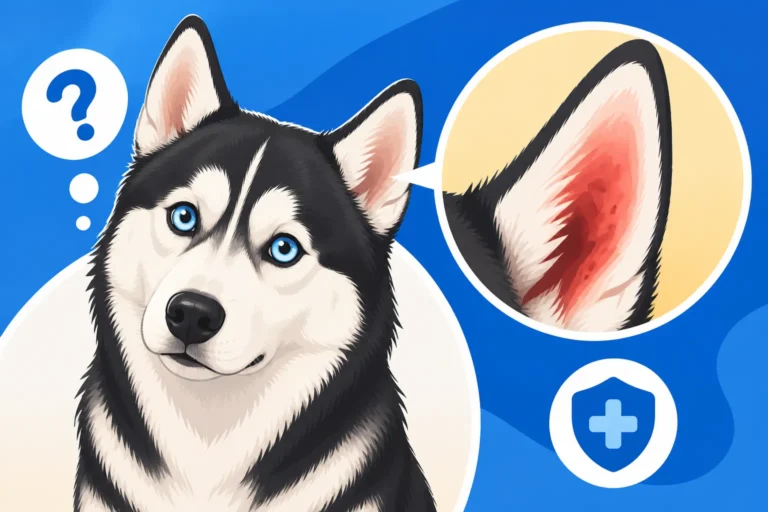
While avoiding a fully wet undercoat is key, strategically applying cool water to specific, less-furred areas can be very effective. Your Husky dissipates heat through their paw pads and their belly, where the fur is thinner. Using a damp, cool cloth to wipe down their paw pads, the inside of their ears, and their belly can provide instant relief.
The water on these areas will evaporate relatively quickly, taking some body heat with it, without penetrating the dense undercoat on their back and sides. This is a great technique to use after a short, cool walk or if you notice them panting more heavily. It's a quick, controlled way to leverage the power of evaporative cooling exactly where it's most effective for them.
Grooming as a Cooling Measure
Regular, thorough grooming, especially during their twice-yearly "coat blow" periods, is essential for cooling. A well-maintained coat, free of mats and excessive dead undercoat, allows for proper air circulation. During these intense shedding seasons, a build-up of dead undercoat can trap heat and prevent the healthy coat from doing its job.
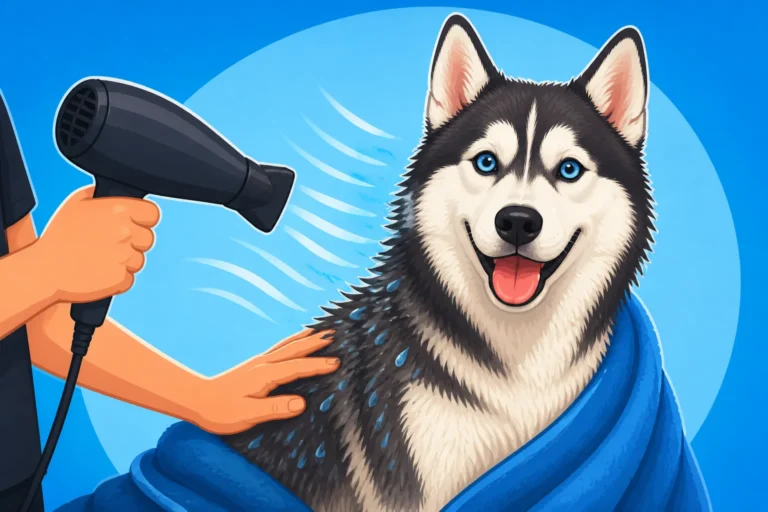
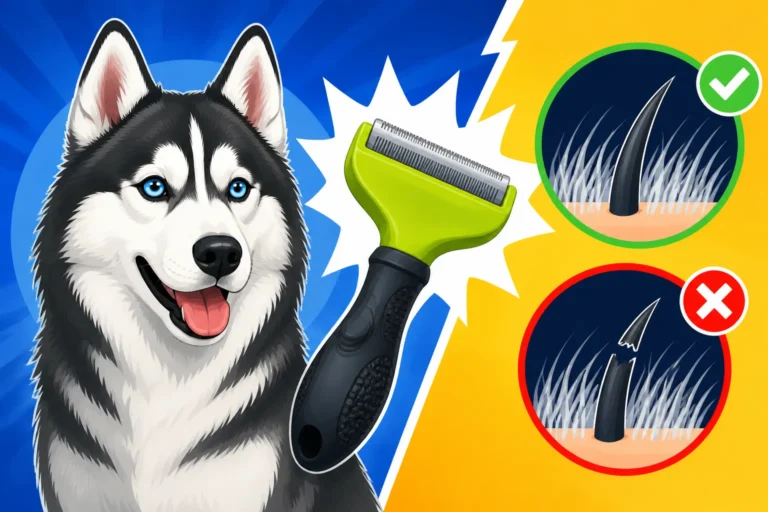
Using an undercoat rake or a de-shedding tool to remove loose fur is paramount. Focus on brushing your Husky daily during a blow to help shed that old, insulating layer. While professional groomers can perform "de-shedding" treatments that involve specialized baths and high-velocity dryers, these are designed to remove dead hair efficiently without damaging the living undercoat or guard hairs. This type of grooming helps to thin out the dead coat, allowing their natural insulation to work optimally and promoting better airflow, which is a fantastic cooling measure that doesn't involve keeping their coat wet. For more on this, check out Siberian Husky Coat Blow and the Six Weeks It Lasts.
Comparing Cooling Methods
Here's a quick comparison of various cooling methods, keeping your Husky's unique coat in mind:
| Method | Effectiveness | Undercoat Impact | Cost | Benefits | Considerations |
|---|---|---|---|---|---|
| Shade Sanctuary | High | None | Low to Medium | Natural, always available | Requires existing trees or external structures |
| Fans/AC | High | None | Medium to High | Consistent, whole-environment cooling | Electricity costs, power outages |
| Elevated Beds | Medium | None | Low to Medium | Improves airflow, keeps off hot surfaces | May not be enough on its own |
| Cool Water Access | High | None | Low | Essential hydration, internal cooling | Water can warm up, needs frequent refreshing |
| Frozen Treats | Medium | None | Low | Engaging, internal cooling | Can be messy, moderation needed |
| Hydrating Foods | Low to Medium | None | Medium | Boosts hydration, nutrient-rich | Gradual introduction, not a primary cooling method |
| Timed Exercise | High | None | Low | Prevents overheating, paw protection | Requires schedule adjustment, strict adherence |
| Mental Stimulation | Low (indirect) | None | Low to Medium | Reduces boredom, conserves energy | Doesn't directly cool the dog |
| Cooling Mats | Medium | None | Medium | Portable, no electricity | Can lose effectiveness over time, some dogs ignore |
| Cooling Bandanas | Medium | Minimal (neck) | Low to Medium | Targeted cooling, portable | Only cools neck, needs re-wetting |
| Wiping Paws/Belly | Medium | Minimal | Low | Quick relief, targeted evaporative cooling | Temporary effect, requires active participation |
| De-shedding Grooming | Medium | None | Low to Medium | Improves natural insulation, long-term benefit | Requires regular effort, can be costly professionally |
Disclaimer
This article is for general informational purposes only and does not constitute professional advice. Laws, prices and regulations vary by location and change over time. Consult a qualified professional for guidance on your specific situation.