Road Salt on Siberian Husky Paw Pads
Winter can be a magical time for our Siberian Huskies, with their thick coats and boundless energy perfectly suited for frolicking in the snow. However, as much as we adore seeing them embrace the cold, there's a silent threat lurking on sidewalks and roads: road salt. This seemingly innocuous compound, used to keep our paths clear, can wreak havoc on your husky's sensitive paw pads, leading to discomfort, cracking, and even painful injuries. This guide is here to walk you through understanding why road salt is such a particular challenge for these magnificent dogs, how to spot the signs of damage, and most importantly, how to protect those precious paws so your husky can enjoy winter safely.
The Unique Challenge of Road Salt for Huskies
Siberian Huskies are built for cold weather, a fact that often lulls owners into thinking their paws are invincible. While their ancestors traversed icy tundras, they weren't exposed to the harsh chemical cocktails we spread on our urban and suburban streets. Road salt isn't just sodium chloride; it often contains calcium chloride, magnesium chloride, and other chemicals designed to melt ice efficiently, but which are incredibly irritating and corrosive to canine skin.
How Road Salt Harms Husky Paws
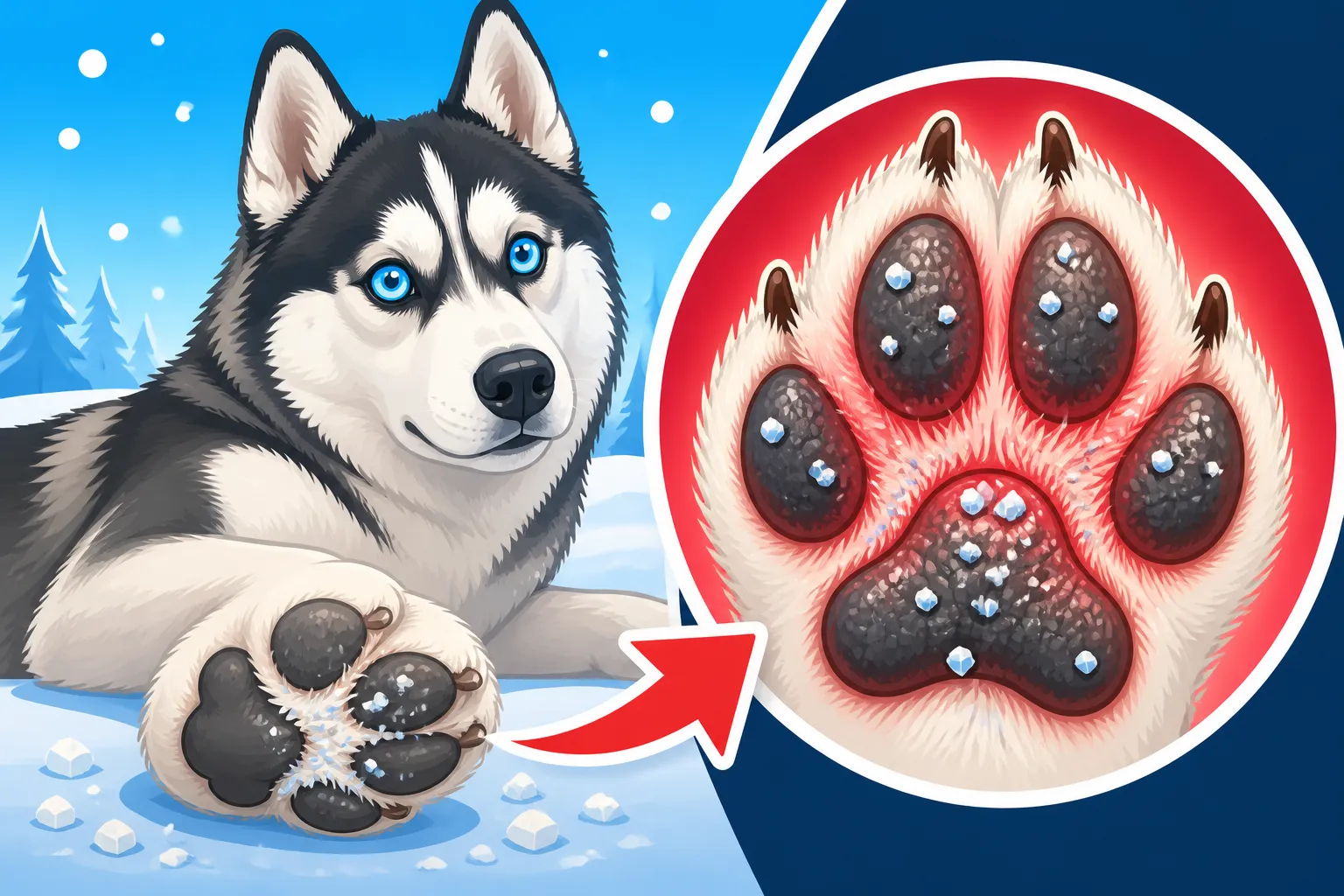
Unlike natural snow and ice, which might cause chapping or frostbite in extreme conditions, road salt actively dries out and irritates the delicate skin of a husky's paw pads. Think of it like walking barefoot through sandpaper and then having a corrosive chemical soak into those raw spots. The salt acts as a desiccant, drawing moisture out of the pads, making them stiff, dry, and prone to cracking. Once cracked, these fissures become entry points for bacteria, leading to infections, and can be incredibly painful with every step your dog takes. It's a vicious cycle of irritation and injury.
Adding to the direct harm, the salt often gets lodged between their toes, especially with their slightly furrier paws, where it continues to irritate the skin long after the walk. When a husky licks their paws to relieve the discomfort or clean off the residue, they ingest the chemicals. This can lead to digestive upset, including vomiting or diarrhea, and in larger quantities, can even be toxic, disrupting their electrolyte balance. It's a double whammy for their health, impacting both their external and internal well-being.
The Husky's Instinct to Roam and Its Impact
Siberian Huskies have an innate drive to move, to run, to explore. It's in their DNA, stemming from their heritage as sled dogs. This means they often need substantial exercise, even in winter, making those salted sidewalks and icy roads unavoidable for many owners. You can't just keep a husky cooped up all winter, as that leads to other behavioral issues like destructive chewing or excessive howling. This instinct to roam means their paws are constantly exposed to the very substance that harms them.
Their stoic nature, another breed trait, can also work against them here. Huskies are known for their resilience and tendency to mask pain. They might continue to run and pull, even when their paws are stinging, making it harder for an owner to notice the problem until it's quite advanced. You might not see obvious limping until the pads are significantly injured, meaning you need to be extra vigilant and proactive in your paw care routine. Understanding How Much Exercise a Siberian Husky Really Needs can also help you plan routes that minimize exposure to harsh surfaces.
Chemical Burns vs. Dryness and Cracking
It’s important to differentiate between mere dryness and actual chemical burns caused by road salt, although one can quickly lead to the other. Initial exposure typically causes dryness, redness, and chapping, akin to our skin getting windburned. This stage is uncomfortable but generally reversible with good care. However, prolonged contact or exposure to highly concentrated salts, especially those containing calcium chloride, can quickly escalate to painful chemical burns.
A chemical burn will appear as raw, blistered, or ulcerated patches on the paw pads or between the toes. These are not just superficial; they can be deep wounds that are excruciating for your husky and take a long time to heal. Unlike a minor crack, a chemical burn requires immediate and often professional veterinary attention to prevent infection and manage pain. Knowing the difference helps you decide if a soothing balm is enough or if a vet visit is urgently needed.
Spotting the Signs of Salt Damage
Because huskies can be so tough, you really need to become a detective when it comes to their paw health, especially during winter. Early detection is key to preventing minor irritation from becoming a full-blown crisis.
Behavioral Cues Your Husky Is Uncomfortable
Your husky might not verbalize their discomfort, but their body language will often speak volumes if you know what to look for. One of the most common signs is excessive licking or chewing of their paws after a walk or even throughout the day. This isn't just grooming; it's an attempt to soothe irritated skin. They might also hold a paw up, shift their weight frequently, or become reluctant to put full pressure on one or more feet.
You might also notice a general change in their demeanor. A husky with painful paws might be less enthusiastic about going for walks, even when they usually pull you out the door. They might be more irritable, whiny, or restless, unable to find a comfortable position. If your usually boisterous dog seems subdued or unusually quiet, especially after outdoor activity in salted areas, it's definitely time for a paw inspection. Don't dismiss these subtle changes; they're often the first indicators something is amiss.
Visual Indicators of Paw Pad Irritation
A thorough visual inspection of your husky's paws is non-negotiable after any winter walk. Start by looking at the pads themselves. Are they red, inflamed, or cracked? Healthy paw pads should be supple and smooth, not dry and brittle. Pay close attention to the edges of the pads and the areas between the toes, as salt can collect here and cause severe irritation. You might see visible salt crystals or residue, even after a short walk.
Look for any swelling, blistering, or open sores. These are clear signs of more serious damage, potentially chemical burns or an infection. The fur between the toes might also appear matted or discolored, another indicator of irritation or the presence of foreign substances. If you gently spread their toes and see redness, flakiness, or a strong odor, these are all red flags. Catching these visual cues early can make all the difference in treatment and recovery time.
When to Seek Veterinary Attention
While many minor irritations can be managed at home, there are definite signs that warrant a trip to the veterinarian. If you notice any deep cracks that are bleeding, open sores, persistent limping, or any signs of infection such as pus, extreme swelling, or a foul odor, don't delay. These conditions can quickly worsen and lead to systemic issues if left untreated. Severe chemical burns, even if not immediately open, can also hide deeper tissue damage and require professional assessment.
If your husky has ingested a significant amount of salt and is showing signs like excessive thirst, lethargy, vomiting, diarrhea, tremors, or disorientation, this is an emergency. Contact your vet or an emergency veterinary clinic immediately. While rare, salt poisoning can be life-threatening. When in doubt, it’s always better to err on the side of caution and get a professional opinion. Your vet can accurately diagnose the issue and prescribe appropriate medications, such as antibiotics for infection or pain relief. Consider including regular paw checks as part of your overall Siberian Husky Vet Visits by Life Stage.
Immediate Care and Treatment at Home
Once you've identified that road salt is causing problems for your husky's paws, taking immediate action is crucial. The quicker you address the issue, the less severe the damage will be.
The Importance of Immediate Cleaning
The very first step after any winter walk, especially if you suspect salted surfaces, is to thoroughly clean your husky's paws. This isn't just about rinsing; it's about removing all traces of the corrosive salt. Use lukewarm water – never hot, as it can further irritate sensitive skin – and gently wash each paw. You can use a soft washcloth or even a designated paw washer, readily available at pet supply stores like Chewy or Amazon. Make sure to get deep between the toes and around the pads where salt loves to hide.
After rinsing, gently pat the paws completely dry with a clean towel. Moisture left between the toes can lead to secondary issues like yeast infections, especially in a breed with such dense fur. Be meticulous but gentle, as the skin might already be tender. This simple routine, performed immediately upon re-entering the house, can drastically reduce the irritation and prevent further damage. It should become as automatic as taking off your own shoes.
Soothing and Moisturizing Damaged Pads
Once the paws are clean and dry, it's time to soothe and moisturize those stressed pads. A good quality paw balm is your best friend here. Look for balms made with natural ingredients like beeswax, shea butter, or coconut oil, which are safe for dogs even if ingested in small amounts. These create a protective barrier, help to hydrate the skin, and promote healing. Brands like Musher's Secret or any reputable paw balm found on Chewy or Amazon can be excellent choices.
Gently massage a generous amount of balm into each paw pad and between the toes. Do this nightly, and even more frequently if the pads are particularly dry or cracked. Consistency is key. The balm will soften the pads, reduce discomfort, and help them heal. If your husky tends to lick it off immediately, try applying it right before a meal or when they are tired and likely to settle down, giving it time to absorb. For deeper cracks or cuts, a veterinary-approved antiseptic spray might be needed before the balm to prevent infection. You can find more targeted advice on Paw Balm for a Cracked Siberian Husky Pad.
Managing Pain and Preventing Infection
If the paw damage is more severe, your husky might be in significant pain. For mild discomfort, over-the-counter pain relief isn't usually recommended without vet consultation, as many human medications are toxic to dogs. Instead, focus on minimizing discomfort through gentle cleaning, soothing balms, and keeping them off harsh surfaces. Providing a soft, warm bed can also make a huge difference in their comfort level.
For open sores, deep cracks, or suspected chemical burns, preventing infection is paramount. Your vet might prescribe a topical antibiotic cream or an oral antibiotic if an infection is already present. They may also recommend an Elizabethan collar (the "cone of shame") to prevent your husky from licking and exacerbating the wounds, which is a common problem with paw injuries. Never apply human antibiotic creams without veterinary guidance, as some ingredients can be harmful if ingested. Keeping the area clean and dry, as previously mentioned, is the best first line of defense against infection.
Proactive Protection for Winter Walks
Prevention is always better than cure, especially when it comes to the highly sensitive and essential paw pads of your Siberian Husky. Establishing a proactive care routine will allow your husky to enjoy the winter months without suffering painful consequences.
Choosing the Right Paw Protection
When navigating salted urban environments, the best defense for your husky's paws is a physical barrier. You have two main options: paw booties or protective waxes/balms.
| Protection Method | Pros | Cons | Best For |
|---|---|---|---|
| Paw Booties | Complete physical barrier; superior protection | Can be hard to fit; some dogs resist; can come off easily | Heavily salted areas; long walks; very cold temps |
| Paw Balms/Waxes | Easy to apply; less intrusive; still allows natural feel | Less protection than booties; needs frequent reapplication; won't stop chemical burns | Moderately salted areas; short walks; mild irritation |
For areas with heavy road salt, paw booties are often the superior choice. Look for durable, waterproof booties with good traction that fit snugly but don't restrict circulation. Brands like Ruffwear or Pawz (available on Amazon or Chewy) offer various styles. Remember, it might take some trial and error to find the perfect fit for your husky's unique paws. You can find more detailed information on Booties for a Siberian Husky in Winter.
Alternatively, protective paw waxes or balms (like Musher's Secret) create a semi-permeable barrier. While not as robust as booties against direct salt contact, they offer excellent protection against dryness, mild abrasions, and create a layer that prevents salt from directly touching the skin. Many owners use these in combination with booties for added protection or for shorter walks in less intensely salted areas. Companies like Ollie often emphasize natural ingredients, which is a good standard to look for in any topical product for your dog.
Training Your Husky to Accept Paw Protection
Getting a husky to willingly wear booties can be a challenge, given their independent nature. The key is positive reinforcement and gradual introduction. Start by letting them sniff and explore the booties, rewarding them with high-value treats. Then, gently put one bootie on for a few seconds, immediately rewarding and removing it. Slowly increase the time, working up to having all four booties on for short periods indoors.
Once they tolerate them indoors, take them for a very short walk outside. Distraction is your friend! Most huskies will initially do the "bootie dance" – lifting their paws high – but many quickly adjust once they realize they're going on an adventure. Consistency and patience are crucial. Never force the booties on or scold your husky; this will only create a negative association. Make it a fun, rewarding experience.
Post-Walk Routines and Environmental Management
Even with proactive measures, a good post-walk routine is essential. If your husky wore booties, still check their paws for any rogue salt or irritation. If they only had balm, a quick rinse and reapplication of balm is a must. During winter, consider adjusting your walking schedule to avoid peak times when roads might be freshly salted, or seek out less traveled routes that use less salt, such as local parks (if permitted and safe).
If you have a yard, try to keep it clear of snow and ice using pet-safe ice melt. Standard rock salt can be just as harmful in your own backyard. Look for products specifically labeled as "pet-friendly" to ensure you're not inadvertently creating a hazard at home. Regular grooming, including trimming the fur between their paw pads, can also help prevent ice balls and salt from accumulating, reducing irritation. Siberian Husky Paw Care Through Snow and Salt emphasizes the importance of these daily practices.
Disclaimer
This article is for general informational purposes only and does not constitute professional advice. Laws, prices and regulations vary by location and change over time. Consult a qualified professional for guidance on your specific situation.