Whether a Wet Siberian Husky Undercoat Causes Hot Spots
One of the most common worries for Siberian Husky owners, especially those new to the breed, revolves around their magnificent, thick double coats. We've all heard the whispers and warnings about how easily moisture can get trapped in that dense fur, leading to nasty skin infections known as hot spots. This guide will dive deep into why a wet Siberian Husky undercoat can indeed be a significant problem and, more importantly, how you can proactively prevent these painful issues and keep your beloved companion's skin healthy and happy.
The Siberian Husky's Incredible Double Coat: A Design for the Wild
Let's start by appreciating the sheer marvel that is a Siberian Husky's coat. It's not just pretty; it's a finely tuned piece of natural engineering, designed over centuries by the Chukchi people to allow these dogs to thrive in some of the most unforgiving cold climates on Earth. Understanding its structure is the first step in understanding its vulnerabilities when it comes to moisture.
Guard Hairs: The Outer Armor
The outermost layer of a Husky's coat consists of what we call guard hairs. These are longer, coarser, and typically somewhat stiff hairs. Their primary job is protection. Think of them like the roof shingles on a house. They are water-repellent, shedding snow and rain effectively, and they also provide a barrier against wind, UV radiation from the sun, and physical abrasions from brush or rough terrain. When you see a Husky looking sleek and relatively dry even after a romp in light snow, it's those guard hairs doing their job.
These guard hairs are essential for the overall health and functionality of the coat. They're designed to be tough and resilient, and they're what give a Husky its distinctive texture and appearance. Keeping these guard hairs clean and free of excessive debris helps them maintain their protective qualities, ensuring that the first line of defense against the elements remains strong.
The Dense Undercoat: Nature's Insulation Layer
Beneath those protective guard hairs lies the true insulating powerhouse: the undercoat. This layer is incredibly dense, soft, and fluffy, almost like cotton wool. It consists of countless fine, crimped hairs packed closely together. The magic of this undercoat is in its ability to trap air, creating an insulating layer that keeps the Husky warm in sub-zero temperatures. It’s why you'll see a Husky curled up in the snow, perfectly content, while other breeds shiver.
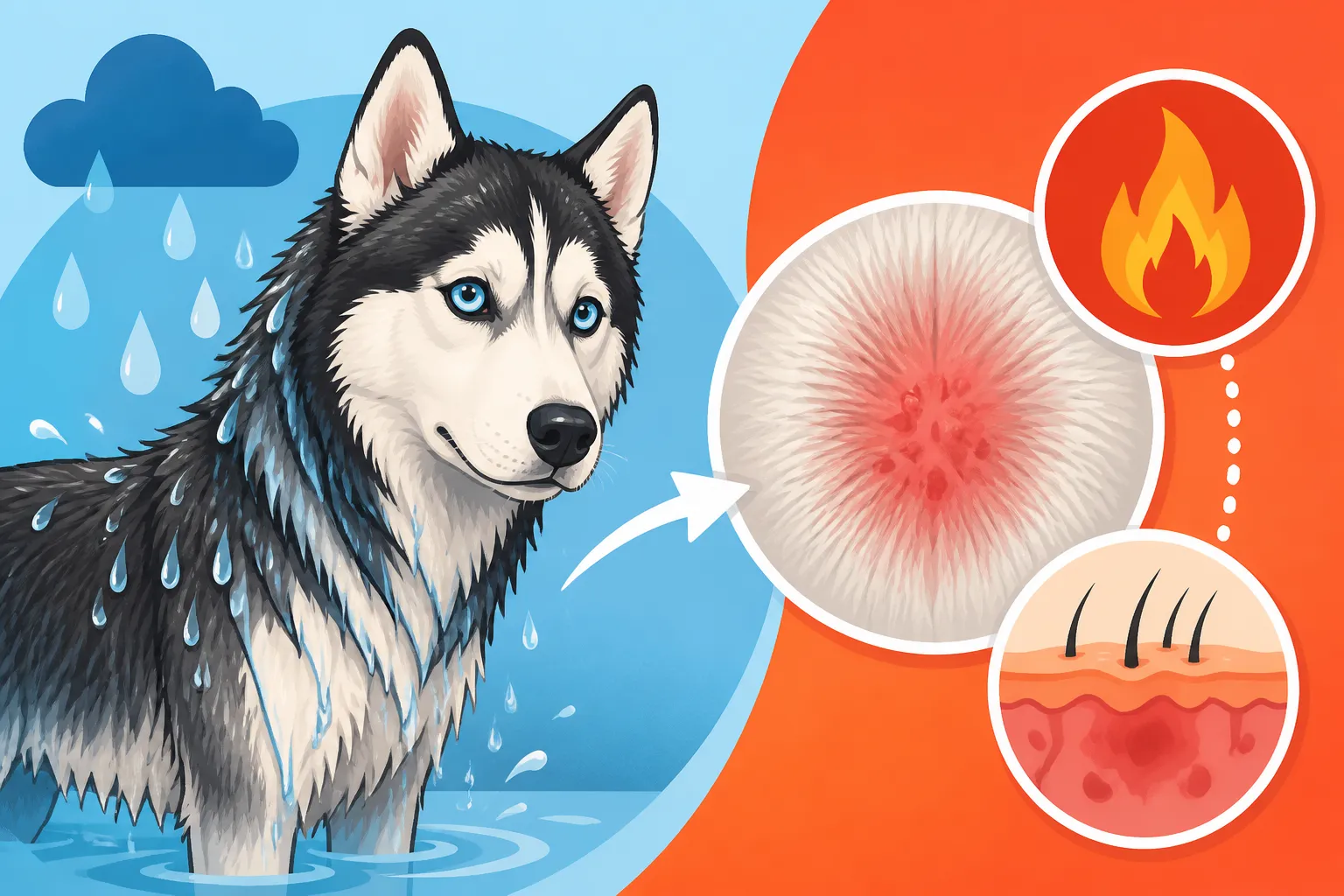
However, this incredible density is a double-edged sword. While it’s fantastic for warmth, it’s not designed to dry quickly once it becomes saturated. When the undercoat gets thoroughly wet – say, from a deep swim, a prolonged downpour, or an inadequate bath – it can take an incredibly long time to dry naturally. This trapped moisture, sitting close to the skin, is where the problems begin.
How the Coat Manages Moisture (And Where it Fails)
Under normal circumstances, the Siberian Husky's coat is quite efficient at managing moisture. The guard hairs prevent water from reaching the undercoat in light exposure, and the natural oils in the coat add to its water resistance. The structure allows for good air circulation, which helps wick away any minor dampness that does penetrate.
The system breaks down when the undercoat becomes soaked. Unlike a dog with a single, short coat, a Husky's dense undercoat doesn't just air dry quickly. The tight packing of the hairs prevents air from circulating freely, meaning moisture can be trapped against the skin for hours, or even days, in extreme cases. This warm, damp environment becomes an ideal breeding ground for bacteria and yeast, which are naturally present on the skin but can proliferate rapidly under these conditions. This is the critical failure point that can lead to skin irritation and, ultimately, hot spots.
Is a Wet Undercoat a Hot Spot Sentence for Huskies?
The short answer is: yes, a chronically wet undercoat can absolutely be a direct cause of hot spots in Siberian Huskies. It’s one of the most common issues Husky owners face if they don't manage their dog's coat and moisture exposure diligently. Let's break down the mechanics of how this happens and what other factors might play a role.
The Perfect Storm: Trapped Moisture and Skin Health
When the undercoat stays wet against the skin for an extended period, it creates a microclimate that’s essentially a bacterial and fungal party zone. The skin, a living organ, needs to breathe and maintain a certain pH balance and moisture level to stay healthy. When it's constantly damp, especially in warmer temperatures, its natural defenses are compromised. Bacteria and yeast, which normally live harmlessly on the skin's surface, seize the opportunity to multiply uncontrollably.
This overgrowth leads to irritation, inflammation, and intense itching. Your Husky, in an attempt to relieve the itch, will start licking, chewing, and scratching the area. This self-trauma further breaks down the skin's barrier, creating open wounds. Once the skin is broken, bacteria from the mouth and environment can enter, leading to a full-blown pyotraumatic dermatitis – what we commonly call a hot spot. These lesions can appear suddenly and expand rapidly, becoming painful, oozing, and intensely itchy within hours. This is why immediate attention to drying is so crucial for your Siberian Husky.
Beyond Just Wetness: Other Factors that Trigger Hot Spots
While trapped moisture is a primary culprit, it's rarely the only factor at play. Hot spots are often multifactorial, meaning several things combine to create the problem. For instance, allergies – whether environmental (like pollen or dust mites), flea allergies, or even food allergies – can make a Husky's skin more sensitive and prone to itching. If a Husky is already scratching due to allergies, and then gets wet and isn't dried properly, a hot spot is much more likely to develop quickly. Zinc-Responsive Dermatosis in the Siberian Husky is another skin condition that can weaken the skin's barrier, making it more susceptible.
Fleas and other parasites are also major triggers. Even a single flea bite can cause an allergic reaction in some dogs, leading to intense itching and localized inflammation. If a Husky with fleas then gets wet, the combination of irritation and moisture creates an ideal scenario for a hot spot. It’s vital to maintain a consistent parasite prevention program for your Siberian Husky, especially if they spend a lot of time outdoors.
Poor grooming habits also contribute. Matted fur, especially in the undercoat, can trap moisture even more effectively, creating pockets of dampness and preventing air circulation. During a Siberian Husky Coat Blow and the Six Weeks It Lasts, when huge amounts of undercoat are shedding, if this dead hair isn't removed through regular brushing, it can become a thick, moisture-retaining mat.
The Cycle of Itch and Infection
Understanding the cycle of a hot spot is key to both prevention and treatment. It often starts with an initial irritant – be it a flea bite, an allergic itch, a minor scrape, or, most commonly for Huskies, persistent dampness in the undercoat. This irritation causes the dog to start licking or scratching. This licking and scratching traumatizes the skin, breaking the surface and making it even more inflamed.
As the skin barrier breaks down, bacteria and yeast on the skin's surface invade the compromised tissue. The warm, moist environment created by the licking (and the initial dampness) accelerates bacterial growth. This bacterial overgrowth causes more inflammation and itching, leading to more licking, and the cycle intensifies. A small patch of irritation can turn into a large, painful, oozing lesion overnight. It's a truly miserable experience for your Husky and a frustrating one for you, the owner.
Proactive Care: Keeping Your Husky's Undercoat Healthy and Dry
Preventing hot spots in Siberian Huskies is largely about diligent grooming and smart moisture management. It takes a little extra effort compared to single-coated breeds, but the payoff is a much happier, healthier dog and fewer emergency vet visits.
Mastering the Drying Process After Baths or Swims
This is perhaps the single most critical step in preventing hot spots after your Husky gets thoroughly wet. Simply letting them "air dry" is a recipe for disaster. Their undercoat is simply too dense.
Here’s a multi-step approach:
- Towel Dry Vigorously: As soon as your Husky is out of the water, use highly absorbent towels to blot and rub away as much surface water as possible. Focus on squeezing water out of the undercoat. You'll be amazed how much water comes off.
- Employ a High-Velocity Dryer: This is where professional groomers shine, and it's a tool I highly recommend for any Husky owner. A high-velocity pet dryer (sometimes called a force dryer) blows air at high speed, literally blasting water out of the coat without using heat that could damage their skin or hair. Start on a low setting and slowly work your way through the entire coat, section by section, pushing the guard hairs up to expose the undercoat. You'll see water droplets flying off – it’s quite satisfying! Many excellent options are available for purchase on Amazon or specialized pet supply retailers like Chewy. This process might take 30-60 minutes, depending on the thickness of your Husky’s coat, but it is essential for thorough drying.
- Air Circulation: After using the force dryer, ensure your Husky can finish drying in a well-ventilated area. A good fan can help, or a cool, dry room. Avoid crating a damp Husky, as this traps moisture and creates that dangerous humid environment.
- Check for Dampness: Even after diligent drying, always run your fingers deep into the undercoat, particularly in areas prone to dampness like the armpits, groin, behind the ears, and around the tail base. If you feel any lingering moisture, keep drying. You want their skin to be completely dry to the touch.
| Drying Method | Effectiveness for Huskies | Pros | Cons |
|---|---|---|---|
| Air Dry Only | Very Low – High Risk of Hot Spots | No effort required from owner. | Extremely slow, high risk of bacterial/yeast overgrowth and hot spots. Not recommended. |
| Towel Dry Only | Low – Removes surface water, leaves undercoat damp | Quick initial water removal. | Does not penetrate dense undercoat; still leaves significant moisture. |
| Human Hair Dryer | Low – Can burn skin, inefficient for undercoat | Readily available. | Heat can easily burn skin, not powerful enough to separate undercoat, can damage hair. Avoid. |
| High-Velocity Pet Dryer | High – Essential for thorough drying | Blasts water out, separates coat, prevents matting, significantly reduces drying time, safe (no heat). | Initial investment in equipment, can be noisy, requires time and technique. |
| Professional Groomer | Very High – Expert equipment and technique | Complete, thorough drying; professional de-shedding often included. | Cost involved, requires appointments. |
The Art of Regular Grooming and De-Shedding
Consistent grooming is another cornerstone of hot spot prevention. A well-maintained coat, free of mats and excessive dead undercoat, allows for much better air circulation, which is vital for skin health.
- Daily Brushing (Especially During Shedding Season): During a Spring and Fall Sheds in a Siberian Husky, your Husky will "blow" their coat, shedding massive amounts of undercoat. This is when daily, thorough brushing with an undercoat rake or de-shedding tool is absolutely non-negotiable. Removing that dead, loose fur is crucial for air circulation and prevents it from becoming a damp, matted trap. If you let it accumulate, it forms dense mats that hold moisture like a sponge.
- Undercoat Rakes and Slicker Brushes: These are your best friends. An undercoat rake reaches deep to pull out loose undercoat without damaging the guard hairs. A good slicker brush can then help remove any remaining dead hair and smooth out the coat. Avoid tools like the Furminator if used improperly, as it can cut the guard hairs and damage the coat if not used gently and sparingly.
- Bathing Frequency: Siberian Huskies are generally clean dogs and don't require frequent bathing. Over-bathing can strip natural oils from their coat and skin, leading to dryness and irritation. Bathe only when necessary, perhaps a few times a year, or when they are visibly dirty. And when you do, commit to the thorough drying process discussed above.
Environmental Strategies for Moisture Control
Beyond direct grooming, consider your Husky’s environment to minimize the risk of prolonged dampness.
- Supervise Water Play: While many Huskies love water, especially in summer, always supervise them and ensure they are thoroughly dried afterward. A quick dip in the lake on a hot day is fine, but sitting around soaking wet for hours is not.
- Rainy Weather Management: If it's raining heavily, keep walks shorter or opt for indoor enrichment. If your Husky does come in soaking wet, don't just let them shake off and lie down. Towel dry them aggressively, especially the belly and chest, and consider a quick blow-out with a force dryer if they are truly saturated.
- Cooling Measures in Summer: In hot, humid climates, Huskies are already working harder to stay cool. Excessive panting can also introduce moisture around their neck and chest. Ensure they have access to shade, fresh water, and cool surfaces. A cooling mat can provide a nice spot for them to relax without creating a damp environment. Remember, Heat Stroke Risk in a Siberian Husky is a serious concern, and hot, humid conditions exacerbate skin issues.
- Bedding Choices: Opt for breathable, washable dog beds. If your Husky has been out in the rain or gotten damp, ensure their bedding isn't absorbing and holding that moisture. Regularly wash bedding to remove dirt, allergens, and dander, which can contribute to skin irritation.
By being proactive with drying, committed to regular grooming, and mindful of environmental factors, you can significantly reduce the risk of your Siberian Husky developing uncomfortable and painful hot spots. It's all about respecting their magnificent coat and understanding its unique needs.
Recognizing and Treating Hot Spots: A Quick Guide
Even with the best preventative care, sometimes a hot spot can still pop up, especially if an underlying allergy or irritant is at play. Knowing how to recognize them early and take initial steps can make a big difference in your Husky's comfort and recovery time.
Early Warning Signs and What They Look Like
Hot spots, or acute moist dermatitis, tend to appear very suddenly. One moment your Husky might be fine, the next you notice a red, angry-looking patch. Look for these signs:
- Sudden, Intense Licking or Chewing: This is often the first giveaway. Your Husky will focus obsessively on one area, trying to alleviate an intense itch or discomfort.
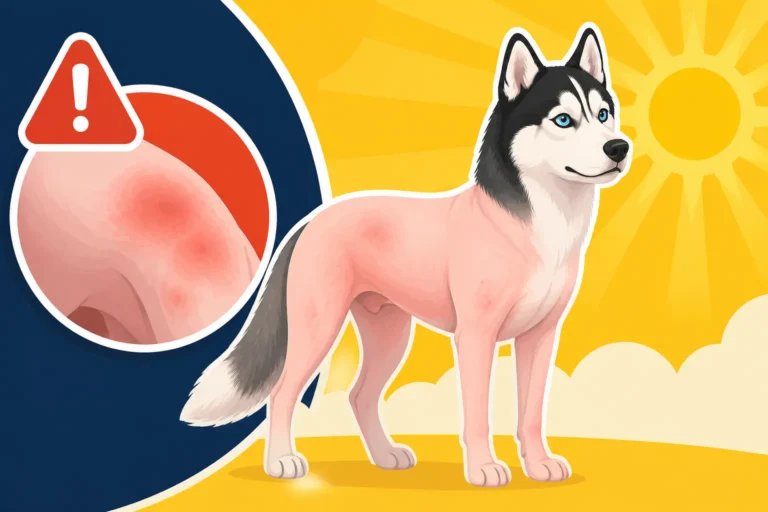
- Red, Inflamed Skin: The affected area will be noticeably redder than the surrounding skin, often with a distinct border.
- Hair Loss: Due to the intense licking and the underlying inflammation, the hair in the center of the hot spot will often be matted down or completely gone, revealing the raw skin beneath.
- Oozing or Crusting: The area might be wet and oozing a clear or yellowish fluid, which can then dry and form a crust. This is where the "moist" in acute moist dermatitis comes from.
- Pain to the Touch: Hot spots are very painful. Your Husky might flinch or even snap if you try to touch the affected area.
Common locations for hot spots include the cheeks, neck, behind the ears, on the rump or thighs, and around the base of the tail. Anywhere moisture can be trapped, or an irritant can hide, is a potential site.
First Aid at Home (Before the Vet)
If you spot a hot spot, prompt action is key. While a vet visit is almost always recommended for proper diagnosis and treatment, here's what you can do immediately:
- Safety First: Hot spots are painful. Your Husky might be grumpy or defensive. Approach them gently and consider muzzling them if you're worried about bites, especially if they're in pain.
- Gently Clip the Area: Using electric clippers with a fine blade (a #10 or #40), carefully clip the hair away from and around the hot spot. You need to expose the entire lesion and a good margin of healthy skin (at least 1-2 inches) around it. This is crucial for air circulation and allows any topical treatments to reach the skin. This step might be uncomfortable for your Husky, but it's vital for healing. If you're hesitant or your dog is too painful, stop and get to the vet.
- Cleanse Gently: Once clipped, gently clean the area with a mild antiseptic solution, such as a dilute chlorhexidine solution (check instructions for dilution) or even just cool water. Pat dry with a clean cloth or paper towel. Avoid harsh rubbing.
- Prevent Further Licking: Your vet will likely recommend an Elizabethan collar (e-collar or "cone of shame") to prevent your Husky from continuing to lick or chew the area, which will only worsen the hot spot. You can often pick these up from pet stores or have them ready from Chewy for such emergencies.
When to Seek Veterinary Care (Which is Almost Always)
It's tempting to try and treat a hot spot at home, but given how quickly they can escalate and how painful they are, a vet visit is almost always the best course of action. Your veterinarian can:
- Confirm Diagnosis: Rule out other skin conditions that might mimic a hot spot.
- Prescribe Appropriate Medication: This often includes oral antibiotics to combat bacterial infection, oral anti-inflammatories or steroids to reduce swelling and itching, and sometimes topical creams or sprays. Steroid Treatment for Husky Uveodermatologic Syndrome is an example of a more serious condition where steroids are used, but for hot spots, the application is usually localized and short-term.
- Address Underlying Causes: Your vet can help you identify and address any predisposing factors, such as fleas, allergies, or other skin conditions, to prevent recurrence. This might involve discussing changes in diet, year-round flea control, or further diagnostic tests if chronic allergies are suspected.
Early veterinary intervention can mean the difference between a small, quickly resolved hot spot and a much larger, deeper, and more painful infection that requires prolonged treatment. Don't hesitate to call your vet if you suspect your Siberian Husky is developing a hot spot.
Disclaimer
This article is for general informational purposes only and does not constitute professional advice. Laws, prices and regulations vary by location and change over time. Consult a qualified professional for guidance on your specific situation.