Why Too Much Zinc Hurts a Siberian Husky
It's a common misconception that if a little bit of something is good, then more must be better, and nowhere is this more dangerous than with essential minerals like zinc for our beloved Siberian Huskies. Many Husky owners grapple with the unique health challenges of the breed, often including the very real and frustrating issue of zinc deficiency, also known as Zinc-Responsive Dermatosis. While providing zinc supplements seems like the obvious solution, an excessive amount can actually cause severe health problems, potentially doing more harm than good. This guide is here to shed light on why too much zinc can hurt your Siberian Husky, helping you understand the fine line between necessary supplementation and dangerous toxicity.
The Delicate Balance of Zinc in Huskies
Siberian Huskies are truly unique dogs, not just in their striking appearance and independent personalities, but also in their physiology. One of the most significant differences lies in their zinc metabolism. Unlike most other breeds, many Huskies have an inherited predisposition that affects their ability to properly absorb and utilize zinc from their diet. This isn't just about what's in their food; it's about how their bodies process it.
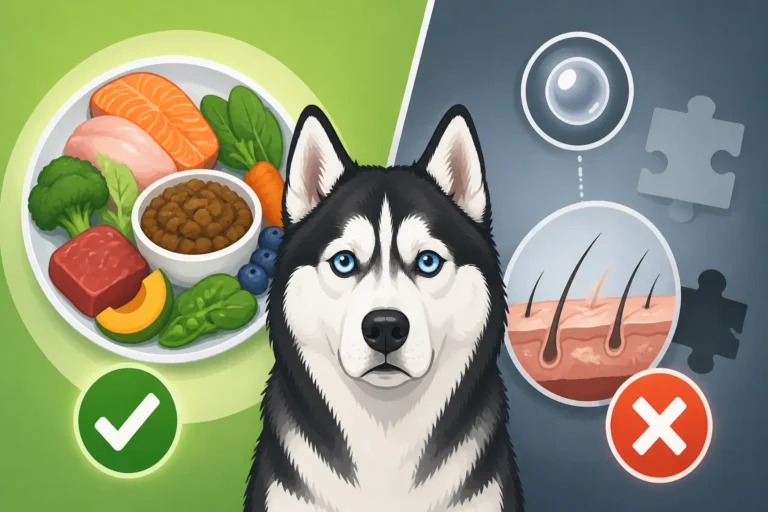
Zinc is an absolutely critical trace mineral for all living creatures, playing a vital role in hundreds of enzymatic reactions throughout the body. For your Husky, it's essential for maintaining a healthy immune system, promoting proper wound healing, ensuring good vision and nerve function, and keeping their magnificent double coat and skin in top condition. When a Husky isn't getting enough bioavailable zinc, either from their diet or due to poor absorption, they can develop a condition called Zinc-Responsive Dermatosis. This often manifests as crusting and hair loss, particularly around the eyes, mouth, and genitals, and can be incredibly uncomfortable and itchy for your dog. If you've ever dealt with a Husky constantly scratching or developing unsightly lesions, you know the frustration. It’s why understanding conditions like Zinc-Responsive Dermatosis in the Siberian Husky is so crucial for owners.
The challenge then becomes finding the right balance. Huskies with Zinc-Responsive Dermatosis often require Zinc Supplementation for a Siberian Husky to live comfortably and healthily. However, because their system is already delicate, and because zinc levels need to be just right, over-supplementation can quickly tip the scales from beneficial to toxic. It's a narrow therapeutic window, and navigating it requires careful veterinary guidance and consistent monitoring. Even feeding a high-quality diet doesn't necessarily solve the problem, as Why a Balanced Diet Does Not Fix Husky Zinc Loss explains.
Understanding Zinc Toxicity: What Happens When There's Too Much?
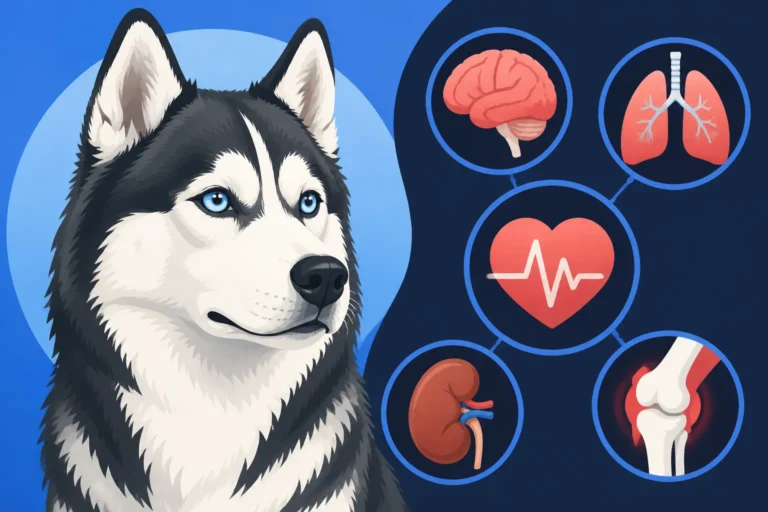
When a Siberian Husky (or any dog) ingests too much zinc, either acutely in a large dose or chronically over time, the body's systems can quickly become overwhelmed. This isn't a minor tummy ache; zinc toxicity can lead to serious, life-threatening conditions impacting multiple organ systems.
Initial Signs and Symptoms of Acute Toxicity
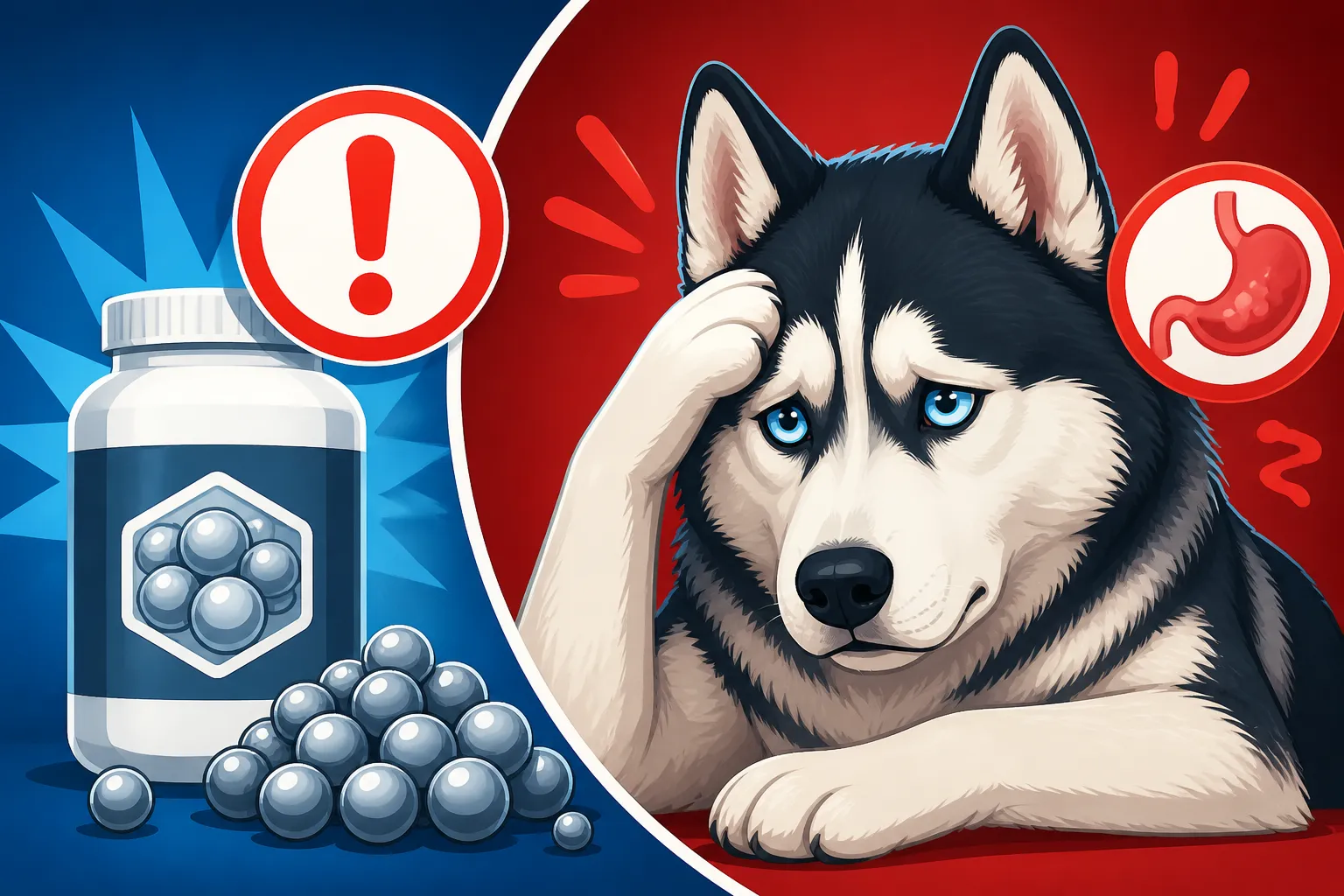
If your Husky suddenly ingests a large amount of zinc, such as swallowing a handful of pennies or chewing into a bottle of human zinc supplements, the effects can be rapid and severe. You might notice your normally energetic dog becoming unusually lethargic, almost completely uninterested in their favorite toy or even a walk. A loss of appetite is a very common early indicator, often accompanied by significant gastrointestinal upset.
This GI distress usually manifests as vomiting and diarrhea, which can range from mild to severe and may even contain blood. Some Huskies might experience abdominal pain, causing them to hunch or be reluctant to be touched around their belly. Ingesting metallic objects, particularly pennies minted after 1982 which contain a high percentage of zinc, can be particularly dangerous. The stomach acid starts to dissolve the zinc, releasing it into the bloodstream at an alarming rate. It’s an urgent situation that demands immediate veterinary attention, much like any other sudden health crisis that could impact a Siberian Husky Lifespan and What Shortens It.
Long-Term Consequences of Chronic Over-Supplementation
While a sudden, massive dose of zinc is acutely dangerous, even smaller, but consistently high, doses given over time can accumulate and cause significant harm. This often happens when well-meaning owners try to "boost" their Husky's health without proper veterinary guidance, perhaps giving too high a dose of a prescribed supplement or adding multiple zinc-containing products.
One of the most insidious long-term effects of chronic zinc overdose is its interference with copper absorption. Zinc and copper compete for the same absorption pathways in the gut. If there's too much zinc, it effectively blocks the body from taking in enough copper. Copper is essential for red blood cell formation, nerve function, and connective tissue development. A deficiency in copper can lead to hemolytic anemia, where red blood cells are destroyed, resulting in pale gums, weakness, and fatigue. It can also cause neurological issues and bone problems.
Beyond copper deficiency, chronic zinc toxicity can contribute to pancreatitis, an inflammation of the pancreas that causes severe abdominal pain, vomiting, and diarrhea. The liver and kidneys, which are crucial for detoxifying the body and filtering waste, can also suffer significant damage from prolonged exposure to excessive zinc. In a cruel twist of irony, while zinc is vital for a healthy immune system, too much can actually suppress immune function, leaving your Husky more vulnerable to infections. This is one of those underlying issues that might contribute to What Siberian Huskies Most Often Die Of if not caught and managed appropriately.
How Zinc Overdose Occurs and How to Prevent It
Understanding how zinc toxicity happens is the first step in preventing it. Many sources of excessive zinc are common household items, making vigilance essential for Husky owners.
Common Sources of Excessive Zinc Exposure
The most common culprit for acute zinc toxicity in dogs is the ingestion of metallic objects containing zinc. Pennies, particularly those minted after 1982, are notorious for this, as they are primarily zinc with a thin copper plating. When a dog swallows a penny, the acidic environment of the stomach slowly dissolves the zinc, which is then absorbed into the bloodstream. Other metal items, such as nuts, bolts, zippers, and parts of toys made from galvanized metal, can also be high in zinc.
Beyond metallic objects, human zinc supplements are another frequent source of overdose. Often found in cold remedies or general health supplements, these doses are formulated for human needs and are far too high for a canine, especially a Husky, whose metabolism of zinc is already unique. Zinc oxide ointments, commonly used for diaper rash or skin irritation, can also be toxic if ingested in large quantities. Even certain dog supplements, if given incorrectly or in combination with other zinc-rich foods, can lead to chronic over-supplementation. It's why careful attention during Siberian Husky Vet Visits by Life Stage is so important for discussing any supplements you're considering.
Safe Zinc Supplementation Practices for Huskies
The key to safe zinc supplementation for your Siberian Husky is always involving your veterinarian. Self-diagnosing and self-treating can be incredibly risky. If your Husky is showing signs of Zinc-Responsive Dermatosis in the Siberian Husky or any other health concerns, get them to the vet. They can accurately diagnose the issue, distinguishing it from other skin conditions like allergies that might mimic zinc deficiency. Knowing Telling Husky Zinc Dermatosis From an Allergy is vital for proper treatment.
Once a diagnosis of zinc deficiency is made, your vet will prescribe the correct type and dose of zinc supplement. There are different forms of zinc (e.g., zinc sulfate, zinc gluconate, zinc methionine), and each has different absorption rates. Your vet will recommend the most appropriate one and calculate the precise Zinc Doses Used in Siberian Huskies based on your dog's weight, the severity of their deficiency, and their individual response. This isn't a "one size fits all" situation.
Regular monitoring is also crucial. Your vet will likely want to recheck blood zinc and copper levels periodically to ensure the supplement is effective and not causing an imbalance. This might involve blood tests every few months, especially in the initial stages of treatment. Remember, some Huskies may need zinc supplementation for life, as discussed in Whether a Husky Needs Zinc for Life, so these regular check-ups are paramount. Always keep all medications, human and canine, out of reach of your curious Husky, and ensure their environment is free of small metallic objects they might ingest. Pet insurance providers like Healthy Paws can be a real lifeline for managing these ongoing health costs, ensuring you can always afford the necessary tests and consultations without undue financial stress.
Recognizing the Danger and Seeking Veterinary Care
Even with the best preventative measures, accidents can happen. Knowing the signs of zinc toxicity and acting quickly can make all the difference for your Siberian Husky.
When to Suspect Zinc Toxicity
If your Siberian Husky suddenly develops severe gastrointestinal symptoms like persistent vomiting or bloody diarrhea, especially if you suspect they might have ingested a foreign object or a human medication, zinc toxicity should be high on your list of concerns. Other warning signs include extreme lethargy, a complete refusal to eat, or signs of abdominal pain.
One critical sign, particularly in cases of copper deficiency secondary to chronic zinc overdose, is pale mucous membranes. Check your Husky's gums: if they are paler than their usual healthy pink, it could indicate anemia, a serious complication. Jaundice (yellowing of the skin or whites of the eyes) can also occur if red blood cells are being destroyed rapidly, indicating a hemolytic crisis. Behavioral changes, such as disorientation or unusual weakness, also warrant immediate concern. If your Husky is a puppy, conditions like The Age Husky Zinc Dermatosis Starts might mean you are starting supplementation, so vigilance for overdose symptoms is extra important during this sensitive growth period.
Emergency Protocols and Treatment
If you suspect your Husky has ingested a significant amount of zinc, do not wait. This is a genuine emergency. Get your dog to the nearest veterinary clinic or emergency animal hospital immediately. Time is of the essence.
Upon arrival, your vet will perform a thorough examination and likely recommend diagnostic tests. This usually includes blood work to check for anemia, organ damage (liver and kidney values), and elevated zinc levels, as well as depleted copper levels. If a foreign body is suspected, X-rays will be crucial to locate the metallic object.
Treatment for zinc toxicity depends on the source and severity. If the ingestion was recent and the object is still in the stomach, the vet might induce vomiting to remove it. In some cases, endoscopy (inserting a small camera with instruments) or even surgery may be required to physically remove metallic objects from the stomach or intestines. Supportive care, such as intravenous fluids to combat dehydration and medications to protect the stomach and liver, is standard. Chelation therapy, which involves administering drugs that bind to the excess zinc in the body and help excrete it, may also be used in severe cases. The road to recovery can be long, but early intervention significantly improves the prognosis. Having a robust pet insurance plan, like those offered by Healthy Paws, can significantly ease the financial burden of such critical emergency care. Regular check-ups, including discussions about potential Siberian Husky Eye Disease and the Annual Exam, are important, but for a suspected toxicity, the emergency clinic is the only way.
To illustrate the critical differences, here's a quick comparison of zinc deficiency and toxicity in Huskies:
| Characteristic | Zinc Deficiency (Zinc-Responsive Dermatosis) | Zinc Toxicity (Overdose) |
|---|---|---|
| Cause | Inherited poor absorption, inadequate dietary zinc | Ingestion of metallic objects (pennies), excessive supplementation, human meds |
| Onset | Gradual, chronic skin issues | Acute (sudden) with high dose; gradual with chronic overdose |
| Skin Symptoms | Crusting, hair loss, redness around eyes, mouth, genitals, pressure points | Can have skin issues, but secondary to systemic illness |
| Gastrointestinal | Rarely primary GI upset, but appetite might be affected | Profuse vomiting, diarrhea (possibly bloody), abdominal pain, anorexia |
| Energy/Behavior | Can be itchy, uncomfortable; generally normal energy unless severe | Lethargy, weakness, disorientation, collapse |
| Blood Work | Low zinc levels; normal or slightly low copper | Very high zinc levels; often low copper levels (due to interference); anemia |
| Red Blood Cells | Normal | Hemolytic anemia (destruction of red blood cells) |
| Other Organ Impact | Primarily skin, coat, immune system function | Liver damage, kidney damage, pancreatitis, neurological symptoms |
| Treatment | Controlled zinc supplementation under vet guidance | Emergency vet care: removal of source, chelation, supportive care |
| Prognosis | Good with proper supplementation | Varies, can be fatal without immediate treatment |
Remember, the goal is not to eliminate zinc from your Husky's life—it's essential—but to ensure they receive it in the precise amounts their unique physiology requires, and only under the watchful eye of a veterinary professional.
Disclaimer
This article is intended for informational purposes only and does not constitute veterinary advice. Always consult with a qualified veterinarian for any health concerns or before making any decisions about your pet's health or treatment plan.