When a Siberian Husky Cataract First Appears
It can be incredibly unsettling to look into your Siberian Husky's beautiful eyes one day and notice a subtle cloudiness, a change that sparks immediate worry about their vision and future well-being. This guide is here to walk you through exactly when cataracts might first make an appearance in a Siberian Husky, exploring the different types and what those initial signs actually mean for your furry companion.
Understanding Siberian Husky Cataracts
When we talk about cataracts, it's a condition that often conjures images of elderly dogs struggling with vision, but for our active, spirited Siberian Huskies, the story can be a bit more complex. Their genetic makeup makes them particularly susceptible to certain types of cataracts that can appear much earlier in life than you might expect.
What Exactly is a Cataract?
At its core, a cataract is a clouding of the lens inside the eye, which is normally clear. Think of the lens like a natural, perfectly transparent window that focuses light onto the retina, allowing your dog to see clearly. When a cataract develops, this "window" becomes opaque, either partially or entirely, much like looking through a frosted or dirty pane of glass. This opacity obstructs the passage of light, leading to blurred vision, light sensitivity, and, in severe cases, complete blindness. The degree of vision impairment depends entirely on the size, location, and density of the cataract. It's not just a surface issue; it's a change within the lens itself, causing the normally organized lens fibers to clump together. This process can be slow and gradual, or it can progress quite rapidly, leaving owners feeling helpless as they watch their dog's sight diminish.
Why Huskies Are Prone to Cataracts
Siberian Huskies, while incredibly robust and healthy in many regards, do carry a genetic predisposition for certain eye conditions, and cataracts are unfortunately high on that list. Unlike some breeds where cataracts are almost exclusively a senior dog issue, Huskies can develop them at various stages of life. The breed's genetic lineage, traced back to the sled dogs of the Chukchi people, has endowed them with traits suited for harsh environments, but also with certain genetic vulnerabilities. Specifically, there's a recognized hereditary form known as juvenile cataracts that is a significant concern for Siberian Husky owners. This means that even if a puppy looks perfectly healthy at eight weeks old, the genetic blueprint for developing cataracts could already be present, waiting for the right age or trigger to manifest. This predisposition means that proactive screening and understanding family history are far more critical for Huskies than for many other breeds.
Distinguishing Cataracts from Normal Aging Changes
One of the biggest anxieties for any owner is noticing a cloudy eye and immediately fearing the worst. However, it's crucial to understand that not all cloudiness is a cataract. As dogs age, particularly past the age of seven or eight, a condition called nuclear sclerosis often develops. This appears as a bluish-gray haze in the center of the pupil. It's caused by the hardening and compression of older lens fibers deep within the eye, a natural part of the aging process. The key difference is that nuclear sclerosis generally doesn't significantly impair vision; it's like looking through slightly smudged glass rather than frosted glass. Light can still pass through the lens, albeit with a bit less clarity.
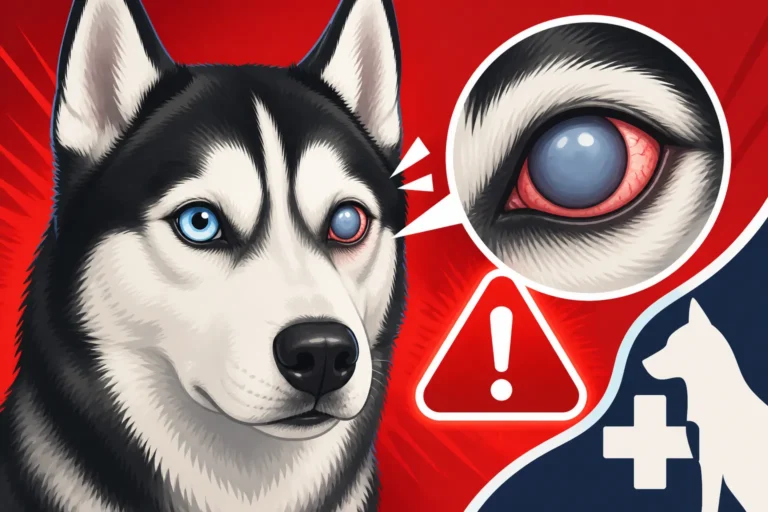
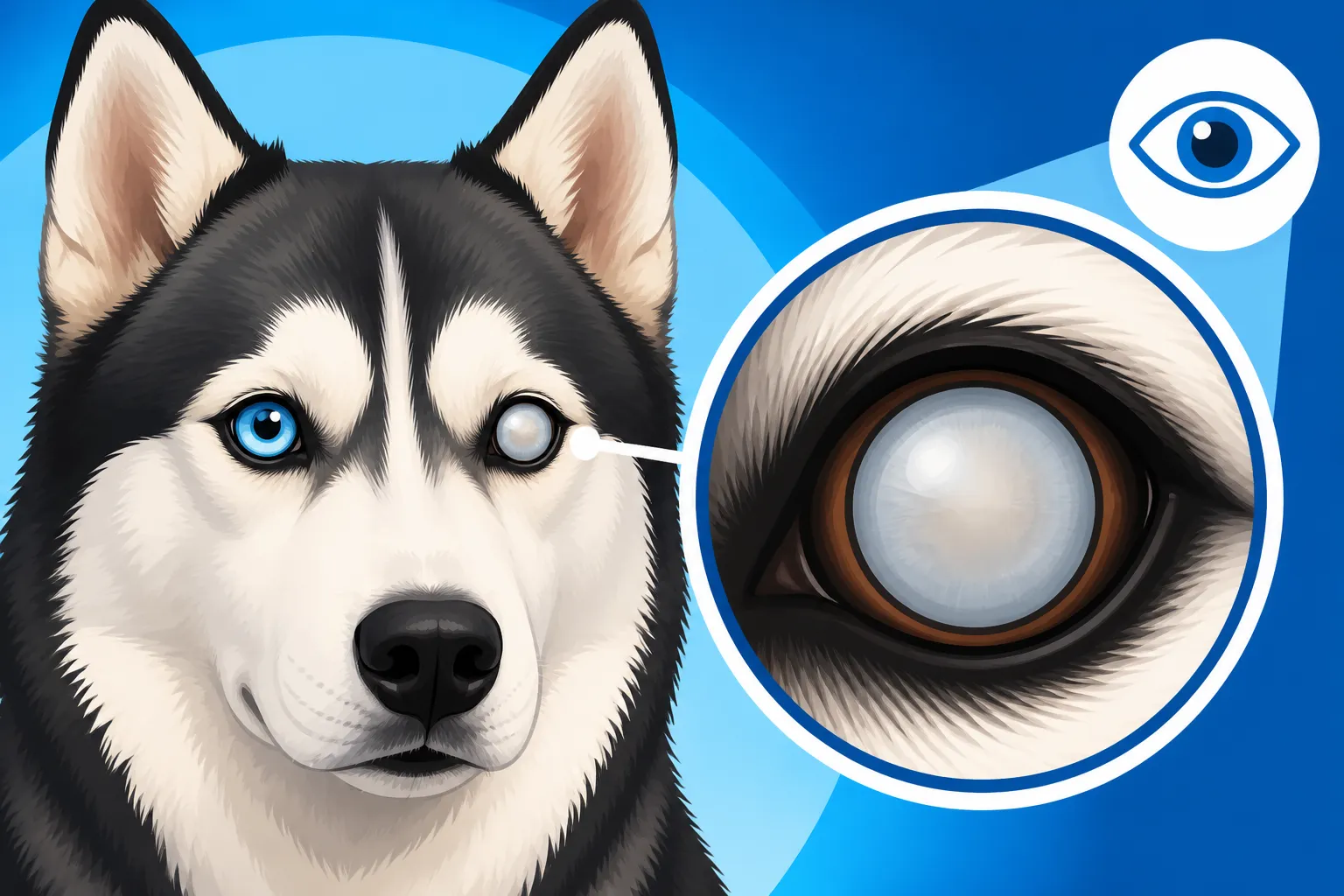
A true cataract, on the other hand, presents as a more distinct white or grayish opacity, often resembling a broken piece of ice or a pearl, and it does block light, directly affecting vision. While both can make the eye look cloudy, an ophthalmologist can easily differentiate between the two using specialized equipment. Trying to tell the difference on your own can be tough, and it's why annual veterinary eye exams are so incredibly important, especially for a breed like the Siberian Husky. If you're seeing your Husky hesitate in dim rooms, that's often a sign of true visual impairment, which nuclear sclerosis rarely causes on its own.
Different Types of Cataracts and Their Onset
The "when" a cataract first appears is largely dependent on its specific type. For Siberian Huskies, it’s not just a matter of getting old; some forms can strike in puppyhood or early adulthood, bringing a host of challenges for both the dog and their devoted family.
Juvenile Cataracts in Young Huskies
One of the most heartbreaking forms of cataracts for any owner to encounter is juvenile cataracts, which, as the name suggests, appear in young dogs. For Siberian Huskies, this type is particularly relevant due and often linked to genetics. These cataracts typically manifest anywhere from a few months of age up to six years old. When they appear in very young puppies, sometimes even before 12 weeks of age, they are often referred to as "congenital" if present at birth, or "developmental" if they become noticeable during puppyhood or adolescence.
The insidious nature of juvenile cataracts is that they can progress rapidly, quickly turning a small, localized opacity into a complete clouding of the lens, leading to significant vision loss or even total blindness in a dog that is still very much a puppy. Owners might first notice their otherwise energetic Husky puppy stumbling, misjudging distances, or being unusually hesitant in new environments. A reputable breeder will have checked their breeding stock for genetic markers and performed early eye exams, but even with careful screening, these can sometimes appear. The sudden onset of this condition can be devastating, prompting owners to explore options like cataract surgery on a Siberian Husky much earlier than they ever anticipated. This is where having pet insurance, perhaps from a provider like Healthy Paws, can make a huge difference in managing unexpected veterinary costs.
Developmental Cataracts and Their Progression
Beyond the very early juvenile forms, some cataracts are classified as "developmental" when they appear later in a dog's growth phase or young adulthood, typically between one and six years of age. These are still often hereditary but might not be present at birth or in early puppyhood. For a Siberian Husky, developmental cataracts might start as small, almost imperceptible opacities, perhaps in the posterior cortex or nuclear region of the lens. You might not even notice them at first, and your Husky might compensate quite well for the minor visual impairment.
However, the nature of developmental cataracts is their progressive tendency. What starts as a small, non-vision-impairing opacity can, over time, enlarge and spread, eventually affecting a greater portion of the lens and significantly impeding vision. The progression rate varies widely from dog to dog. Some might have slow-growing cataracts that only cause mild visual changes years later, while others could see rapid development over just a few months. Regular follow-up appointments with a veterinary ophthalmologist are crucial to monitor these developmental cataracts and determine the optimal time for intervention if vision begins to be seriously affected. Understanding these subtle changes is key to spotting a cloudy lens in a Siberian Husky early.
Age-Related (Senile) Cataracts
Just like humans, Siberian Huskies can develop cataracts simply as a part of the natural aging process. These are known as age-related or senile cataracts and typically begin to appear in Huskies around the age of eight or older, sometimes even later, especially in dogs with excellent overall health. This is a much slower-developing form compared to the juvenile or rapid developmental types. The onset is usually gradual, beginning as small, diffuse opacities that may not significantly impact vision for quite some time.
For an older Husky, these age-related cataracts often progress to the point where they cause a noticeable visual impairment, making familiar surroundings seem blurry or dim. You might observe your senior Husky bumping into furniture, hesitating before jumping, or becoming less confident navigating stairs, especially in low light. This is distinct from nuclear sclerosis, which can co-exist with senile cataracts but doesn't cause the same degree of vision loss. While less aggressive than early-onset cataracts, these still warrant attention and regular check-ups as part of caring for a Siberian Husky past ten. The goal is to ensure their quality of life remains high, addressing any discomfort or anxiety that might arise from diminishing vision.
Recognizing the Early Signs of Cataracts
Catching cataracts early in your Siberian Husky is paramount for managing the condition and potentially preserving their vision. However, our Huskies are incredibly stoic animals, often masters at hiding discomfort or subtle impairments, especially if their vision loss is gradual. This means owners need to be extra vigilant and tuned into slight changes.
Subtle Visual Changes
The very first signs of a cataract in a Siberian Husky are often incredibly subtle and might not even involve a visible clouding of the eye itself. Instead, you might notice changes in their navigation or interaction with their environment. One common indicator is a dog who starts to hesitate when jumping off furniture or going down stairs, especially if these were once routine activities. They might also appear more clumsy than usual, occasionally bumping into objects they previously avoided. This is particularly noticeable in unfamiliar environments or in dimly lit rooms, as cataracts worsen vision in low light conditions.
Another subtle cue is your Husky's reaction to light. They might start squinting or showing sensitivity to bright sunlight, preferring shaded areas, which can be difficult to discern in a breed that already loves to lounge in cool spots. You might also notice a slight change in their pupil's appearance; rather than being a deep, dark black, it might have a very faint, almost shimmering quality when light hits it just right. These are the kinds of cues that warrant a closer look and a chat with your vet, even before any obvious cloudiness appears. Early detection is often about noticing what your dog isn't doing, or doing differently, rather than what they are.
Physical Appearance of the Eye
While the behavioral changes are often the first, the physical appearance of the eye eventually offers more definitive clues. The hallmark sign, of course, is the cloudy lens itself. This cloudiness can range from a small, pinpoint white spot within the pupil to a diffuse, milky haze that covers a larger area. The location and density of this opacity can vary greatly depending on the type and stage of the cataract. Some cataracts might start at the very center of the lens, others at the periphery, or deep within.
Initially, you might only see this clouding under specific lighting conditions or at certain angles. It often looks like a piece of frosted glass, a pearl, or a diamond shimmer inside the eye. It's not usually a white film over the eye, but rather within the globe itself. Comparing the two eyes can sometimes reveal a subtle difference, as cataracts don't always progress symmetrically. If you've looked up images of "Spotting a Cloudy Lens in a Siberian Husky," you'll notice how varied these initial appearances can be. Any discernible change in the color or clarity of the lens, however minor, should prompt an immediate veterinary visit.
Behavioral Indicators
Beyond visual cues, cataracts can lead to a host of behavioral changes in your Siberian Husky, stemming from their altered perception of the world. As their vision declines, some Huskies may become more clingy or anxious, especially if they can no longer clearly see their favorite people or surroundings. They might startle more easily if approached from an unexpected direction, as they rely more on hearing and smell. You might also observe them being less enthusiastic about playing fetch or chasing toys, simply because they can't track moving objects as well.
Conversely, some Huskies might become more reserved or even irritable, especially if they feel vulnerable. They might also navigate their home with more caution, taking smaller, more deliberate steps. During walks, they might pull less, or seem hesitant to explore new paths. If you have multiple pets, you might notice your Husky relying more on touch and scent to interact with their housemates. These behavioral shifts are crucial indicators that your Husky's world is changing, and they often speak volumes before they bump into a wall. Recognizing these signs means you can provide comfort and adapt their environment to keep them safe and confident.
Factors Influencing Cataract Development
While the appearance of a cataract can feel like a random event, there are several key factors that significantly influence when and how they develop in Siberian Huskies. Understanding these can help owners be more proactive about their dog's eye health.
Genetics and Inherited Predisposition
For Siberian Huskies, genetics play a dominant role in cataract development, particularly with the juvenile forms. The breed has a known inherited predisposition, meaning certain genetic mutations can be passed down from parent to offspring, significantly increasing the likelihood of cataracts appearing early in life. This is why responsible breeders go to great lengths to screen their breeding dogs through specialized eye examinations and, where available, genetic testing. Unfortunately, not all forms of hereditary cataracts have a clear genetic marker identified yet, making thorough ophthalmic exams even more vital.
If a Husky inherits the genes for cataracts, they might manifest at just a few months old, or they could develop during their adolescent years. The severity and progression rate can also be genetically influenced. This inherited component is a significant reason why you should always ask about a puppy's parents' and grandparents' eye health history, including whether they've had their eyes examined by a board-certified veterinary ophthalmologist. This information, often found on an OFA Eye Certificate, is a critical piece of the puzzle in predicting when a Siberian Husky cataract might first appear and how aggressively it might progress. Even with insurance from a company like Healthy Paws, knowing the genetic risks beforehand is invaluable for preventative care and budgeting.
Diabetes as a Secondary Cause
Beyond genetics, one of the most common non-hereditary causes of cataracts in dogs, including Siberian Huskies, is diabetes mellitus. Diabetic cataracts can develop quite rapidly, sometimes appearing within weeks or even days of a dog developing uncontrolled diabetes. The mechanism is fascinating: when blood sugar levels are consistently high, the excess glucose in the eye's lens is converted into sorbitol. This sorbitol draws water into the lens, disrupting its fiber structure and causing the characteristic clouding.
The onset of diabetic cataracts is often bilateral, meaning they affect both eyes simultaneously, and they tend to progress quickly to complete blindness if the underlying diabetes isn't managed effectively. Recognizing the signs of diabetes—increased thirst, frequent urination, weight loss despite a good appetite—is crucial, as early diagnosis and treatment of the diabetes can sometimes slow the progression of cataracts. However, once diabetic cataracts are mature, even well-controlled diabetes won't reverse them; surgery becomes the only option to restore vision. It's a stark reminder that systemic health issues can have profound effects on ocular health.
Other Ocular Diseases and Trauma
While less common than genetic or diabetic causes, other ocular diseases and trauma can also lead to cataract formation in Siberian Huskies. Conditions like uveitis (inflammation inside the eye) can cause changes to the lens environment, making it more susceptible to opacification. Severe cases of glaucoma, which involves increased pressure within the eye, can also sometimes result in secondary cataracts due to damage to the lens. These types of cataracts are often referred to as "secondary cataracts" because they develop as a consequence of another primary eye problem.
Trauma to the eye, such as a blunt force injury, a puncture wound, or even exposure to certain toxins or radiation, can also directly damage the lens and initiate cataract formation. In such cases, the cataract might appear weeks or months after the initial injury, depending on the extent of the damage. These traumatic cataracts might affect only one eye and often present with other signs of ocular injury. This emphasizes the importance of vigilance after any eye injury or if your Husky develops any other eye condition. Regular veterinary check-ups and prompt attention to any eye discharge, redness, or squinting are vital to catch these underlying issues before they lead to cataract development.
Veterinary Diagnosis and Early Intervention
Spotting a potential cataract in your Siberian Husky at home is a crucial first step, but a definitive diagnosis and treatment plan require the expertise of a veterinary professional. Understanding the diagnostic process can alleviate anxiety and empower you to make informed decisions for your dog's eye health.
The Importance of Regular Eye Exams
For Siberian Huskies, given their genetic predisposition to various eye conditions, regular and thorough eye exams are not just a good idea—they're essential. I cannot stress enough why a Siberian Husky needs an eye exam every year. These routine check-ups with your general veterinarian are foundational. During a standard wellness exam, your vet will perform a basic eye check, looking for obvious signs of cloudiness, redness, or discharge. They may use an ophthalmoscope to get a better view of the lens and retina.
However, for a breed with specific hereditary concerns, these general exams are often just the starting point. Many subtle cataracts, especially in their early stages or those located in the deeper parts of the lens, can be missed without specialized equipment. Regular veterinary visits also help establish a baseline for your Husky's eye health, making it easier to notice when changes occur. Think of these yearly visits as your first line of defense in monitoring your Husky's health throughout all their Siberian Husky Vet Visits by Life Stage.
What an Ophthalmologist Looks For
When a cataract is suspected, or for any Husky intended for breeding, a referral to a board-certified veterinary ophthalmologist is highly recommended. These specialists have advanced training and equipment to perform a comprehensive eye examination that goes far beyond what a general vet can offer. During an ophthalmologic exam, the specialist will use tools like a slit-lamp biomicroscope, which provides a magnified, three-dimensional view of the lens and other eye structures. This allows them to precisely locate, characterize, and grade the cataract, determining its size, density, and impact on vision.
They will also dilate your Husky's pupils with special eye drops to get a clearer view of the entire lens and the back of the eye (retina and optic nerve). This is critical to rule out other co-existing eye conditions like Progressive Retinal Atrophy in Siberian Huskies or retinal detachments, which could affect the prognosis or treatment strategy for cataracts. The ophthalmologist will also assess your Husky's overall vision and their potential as a candidate for cataract surgery. This detailed examination is vital not just for diagnosis, but for understanding the full scope of any Siberian Husky Eye Disease and the Annual Exam your dog might face.
When to Seek a Specialist
Knowing when to transition from your general vet to a specialist can make a significant difference. You should seek out a veterinary ophthalmologist immediately if you notice any sudden or rapid changes in your Siberian Husky's vision or the appearance of their eyes. This includes acute cloudiness, sudden clumsiness, persistent squinting, or a noticeable change in pupil color. If your general veterinarian expresses concern about a potential cataract, or if you are considering breeding your Husky, a specialist consultation is imperative for appropriate screening and certification.
Furthermore, if your Husky is diagnosed with diabetes, an ophthalmologist should be consulted promptly to monitor for and manage the rapid onset of diabetic cataracts. For those hereditary forms, getting an ophthalmologist's assessment, including official certification like that provided by the OFA (Orthopedic Foundation for Animals), is crucial for breeders to make informed decisions and help reduce the prevalence of inherited eye diseases. This specialist care ensures that you have the most accurate diagnosis and access to the full range of treatment options available, helping you navigate complex decisions about your Husky's health.
Managing Cataracts in Siberian Huskies
Once a cataract is diagnosed in your Siberian Husky, the path forward isn't always straightforward. It depends on many factors, including the type of cataract, its stage, your Husky's age, overall health, and your own resources.
Monitoring and Medical Management
For very small or immature cataracts that aren't significantly impacting your Siberian Husky's vision, often the initial approach is careful monitoring. This means regular follow-up visits with the veterinary ophthalmologist to track the cataract's progression. These appointments might be every 3 to 6 months, allowing the specialist to assess any changes in size, density, and visual impact. During this monitoring phase, there are no oral medications or eye drops that can reverse or dissolve a cataract once it has formed. While some antioxidant supplements are marketed for eye health, their effectiveness in preventing or slowing cataract progression in dogs is not scientifically proven.
However, medical management might be necessary if the cataract causes inflammation within the eye, a common complication, especially with rapidly progressing or mature cataracts. This inflammation, called uveitis, can be painful and lead to further eye damage, including glaucoma. Anti-inflammatory eye drops or systemic medications might be prescribed to control this secondary inflammation. It's a delicate balance of managing symptoms and closely observing to see if the cataract progresses to a point where intervention becomes necessary to maintain a good quality of life. This cautious approach is often discussed when considering Whether a Siberian Husky Cataract Can Be Left Alone.
Surgical Options and Considerations
When cataracts progress to the point where they significantly impair vision or cause secondary complications, surgery often becomes the most effective treatment. The primary surgical procedure for cataracts in dogs is phacoemulsification, which is very similar to human cataract surgery. It involves making a tiny incision in the cornea, inserting a small probe that uses ultrasonic waves to break up and remove the cloudy lens, and then typically implanting an artificial intraocular lens (IOL) to restore focus. This procedure can be truly life-changing, restoring clear vision to dogs that were previously struggling in a blurry world.
However, cataract surgery is a major undertaking with several considerations. It requires general anesthesia, which carries risks, especially for older or medically compromised Huskies. The success rate is very high, but potential complications include inflammation, glaucoma, or retinal detachment. The decision to pursue surgery involves careful evaluation by the ophthalmologist, including blood tests and possibly an electroretinogram (ERG) to assess retinal function. Post-operative care is intensive, involving frequent eye drops and restricted activity for several weeks. This is a significant investment of time, emotion, and finances, which is why many owners opt for pet insurance, knowing a provider like Healthy Paws could help cover a substantial portion of these costs. For a deeper dive, you can explore information about Cataract Surgery on a Siberian Husky.
Life with a Visually Impaired Husky
Even if surgery isn't an option or if your Siberian Husky's vision cannot be fully restored, it's absolutely possible for them to live a full and happy life with impaired vision or even blindness. Huskies are incredibly adaptable and resilient dogs. Their other senses, particularly smell and hearing, are highly developed and will compensate remarkably well. The key is to create a safe, consistent, and predictable environment.
Maintain a consistent layout in your home, avoiding moving furniture unnecessarily. Block off hazards like stairs with gates. Use scent markers or textured mats to indicate important areas like their food bowl or exit doors. Leash walks in familiar areas are still important for exercise and mental stimulation, but always keep them on a leash for safety. Engage their minds with scent games and puzzle toys. Speak to them often to let them know where you are.
It’s about understanding their limitations and helping them navigate their world. Owners often find that their bond with their visually impaired Husky deepens as they become more reliant on them. Many communities have resources and support groups for owners of blind dogs, offering tips and encouragement. A Husky who has lost their sight will still enjoy walks, cuddles, and companionship, proving that their spirit shines brightly even without perfect vision.
| Cataract Type | Typical Onset Age | Progression | Common Appearance | Primary Cause |
|---|---|---|---|---|
| Juvenile | < 6 years | Rapid | Distinct white opacity, often dense | Hereditary |
| Developmental | 1-6 years | Variable | Small, often subtle, progressing over time | Hereditary |
| Diabetic | Any age, often rapid after diagnosis | Rapid to complete | Often bilateral, "snowflake" pattern, quickly dense | Uncontrolled Diabetes |
| Senile (Age-Related) | > 8 years | Slow | Diffuse haziness, gradually densifies | Aging Process |
| Secondary | Any age | Variable | Associated with other eye disease or trauma | Uveitis, Glaucoma, Injury |
Disclaimer
The information provided in this article is for general informational purposes only and is not a substitute for professional veterinary advice. Always consult with a qualified veterinarian or veterinary ophthalmologist for any concerns regarding your Siberian Husky's health and before making any decisions about their medical care.