Guard Hairs and Undercoat in a Siberian Husky
Anyone who shares their life with a Siberian Husky quickly becomes intimately familiar with their incredible coat, especially during those infamous "blows" where it feels like your home is snowing fur. But beyond the sheer volume, it's easy to get confused about what exactly makes up that magnificent fluff and why it behaves the way it does. This guide is here to untangle the mysteries of your Husky's guard hairs and undercoat, helping you understand their vital roles and how to care for them properly.
Decoding the Siberian Husky's Double Coat: Guard Hairs vs. Undercoat
The majestic coat of a Siberian Husky isn't just one type of fur; it's a sophisticated, multi-layered system that has evolved over millennia to protect them in some of the harshest environments on Earth. Understanding the distinct roles of the guard hairs and the undercoat is fundamental to appreciating the breed and caring for their unique needs.
The Purpose of Guard Hairs
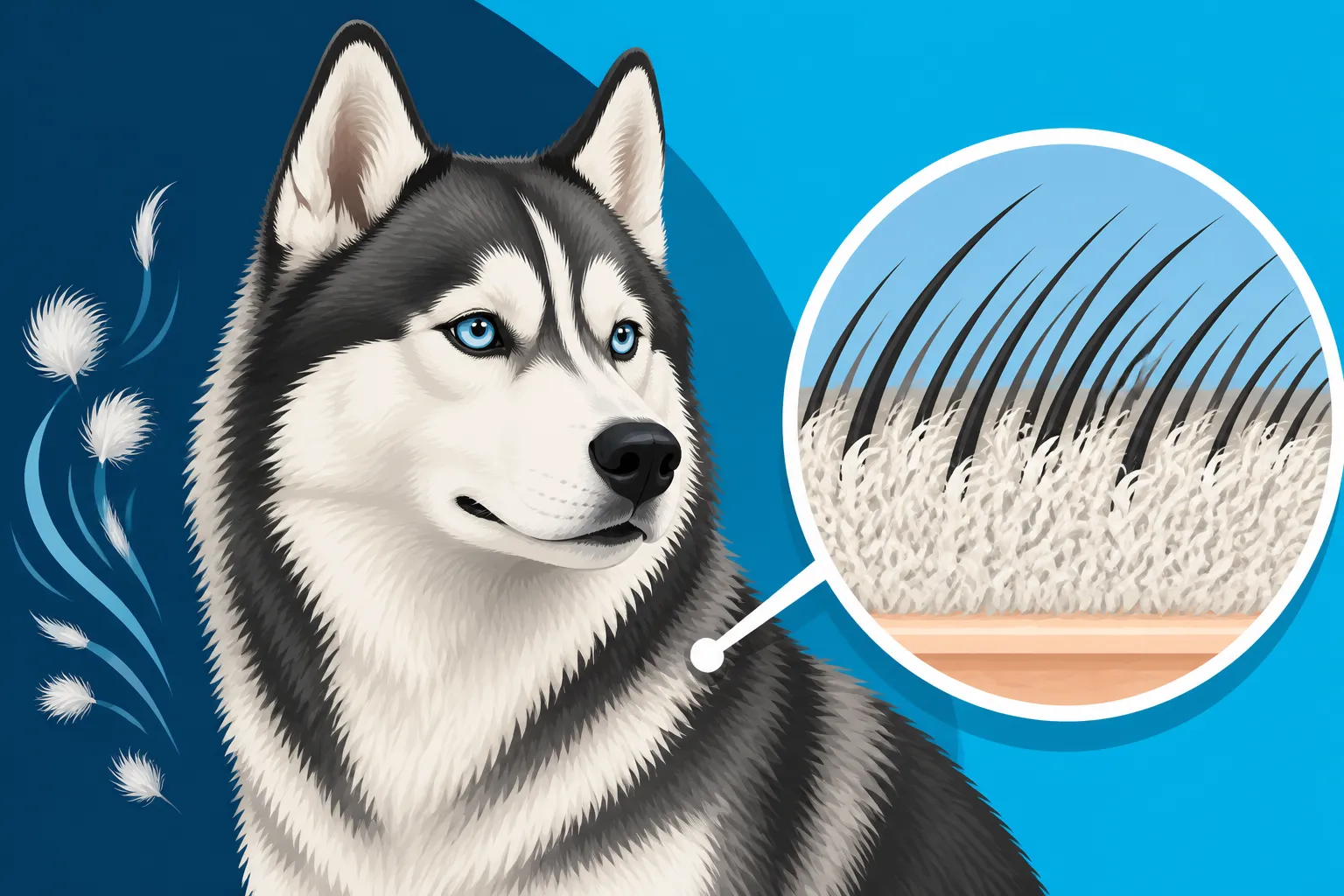
Imagine your Husky's coat as a finely woven, weather-resistant garment. The guard hairs are the outermost layer, the robust, protective shell that stands sentry against the elements. These are the longer, coarser, and often straighter hairs you see on the surface. They have a slightly stiffer texture compared to the soft fluff underneath, and they often possess a subtle sheen that catches the light.
Their primary role is defense. Think of them as tiny, natural shingles on a roof. They are designed to repel water, causing rain or melting snow to bead up and run off, preventing moisture from ever reaching the skin or saturating the insulating undercoat. This waterproofing capability is crucial in snowy and icy conditions, keeping your Husky dry and warm. Beyond moisture, guard hairs offer a physical barrier against dirt, debris, burrs, and minor scrapes from brush or branches when your Husky is exploring. They also provide essential protection against the sun's harmful UV rays, shielding the skin from sunburn, which can be a real concern for any dog, but especially one with exposed skin. Without these protective guard hairs, your Husky's skin would be vulnerable, and their core insulation compromised.
The Insulating Power of the Undercoat
Beneath that resilient layer of guard hairs lies the true heart of your Siberian Husky's thermal regulation system: the undercoat. This is the soft, dense, incredibly plush, and often woolly layer that lies close to the skin. If you've ever found clumps of light, downy fur floating through your house, that's the undercoat making its grand exit during a coat blow. Its texture is fine and soft, almost like cotton or wool, and it's much shorter than the guard hairs, creating a thick, uniform mat of fluff.
The undercoat's main mission is insulation, both against the bitter cold and, surprisingly, against the summer heat. It achieves this by trapping a layer of air close to the Husky's body. This trapped air acts as a thermal barrier, preventing body heat from escaping in cold weather and blocking external heat from penetrating to the skin in warm weather. Think of it like the insulation in your house – it maintains a stable temperature inside, regardless of what's happening outside. The density of this undercoat can vary dramatically with the seasons; it grows incredibly thick and luxuriant in winter and thins out considerably in summer, which is why your Husky goes through such dramatic shedding cycles, often referred to as Siberian Husky Coat Blow and the Six Weeks It Lasts. This adaptation allows them to thrive in fluctuating temperatures.
The Symphony of Protection: How the Layers Work Together
It's not enough to understand the guard hairs and undercoat in isolation; their true brilliance lies in how they collaborate, forming a dynamic, self-regulating system that makes the Siberian Husky so perfectly adapted to its environment. This cooperation is what truly defines What the Siberian Husky Double Coat Actually Does.
Insulation Against Extreme Temperatures
The combined effort of the guard hairs and undercoat creates an incredibly efficient insulation system. In winter, the dense undercoat traps a warm layer of air, providing a snug, personal microclimate for your Husky. The longer, coarser guard hairs act like a waterproof and windproof outer shell, preventing snow, ice, and biting winds from penetrating to the undercoat. This ensures the undercoat stays dry and fluffy, maintaining its maximum insulating capacity. If the undercoat were to get wet and matted, it would lose much of its ability to trap air, rendering it useless for warmth. This is why you'll often see snow simply sitting on a Husky's back without melting – the coat is that effective at holding heat in.
Conversely, in warmer weather, the same principle applies, but in reverse. As your Husky sheds its thick winter undercoat, a lighter, airier undercoat remains. The guard hairs still stand as the outermost layer, creating a shaded canopy over the skin. The undercoat, even if thinner, continues to trap air. This time, it acts as a barrier against the external heat, preventing it from reaching the skin. The air circulation between the guard hairs and the skin also helps to dissipate heat. This is a critical point that many people misunderstand: the double coat isn't just for cold; it's for temperature regulation. Imagine walking around in the desert with a thick wool coat — sounds counterintuitive, but if that coat is designed to be breathable and keep direct sun off your skin, it can actually keep you cooler than direct sun exposure. Your Husky's coat does a similar job. For more on this, check out How a Siberian Husky Coat Keeps Heat Out.
Protection from Elements and Injury
Beyond temperature control, these two layers provide robust physical protection. The tough guard hairs act as the first line of defense against environmental hazards. If your Husky enjoys romping through tall grasses or dense brush, these hairs help to deflect twigs, thorns, and other sharp objects that might otherwise scratch or puncture the skin. They're also vital for keeping dirt, dust, and allergens from reaching the delicate skin underneath, reducing the risk of skin irritations or infections.
The dense undercoat, nestled beneath the guard hairs, adds another layer of cushioning and protection. It helps prevent minor blunt force trauma and provides an additional barrier against insects. Moreover, both layers work in tandem to shield your Husky's skin from the sun. The guard hairs reflect and absorb some of the UV radiation, while the undercoat provides an additional opaque layer, minimizing the risk of sunburn, especially on areas with sparser hair growth. This natural armor is why Huskies are incredibly resilient in varied outdoor conditions, relying on their magnificent coat to keep them safe and comfortable.
Grooming Realities: Caring for Both Layers
Understanding the distinct roles of guard hairs and undercoat makes it clear that caring for a Siberian Husky's coat is about more than just a quick brush. It requires specific tools and techniques tailored to maintain the health and functionality of both layers. Proper grooming is not just cosmetic; it's essential for your Husky's comfort and well-being.
The Importance of Proper De-Shedding
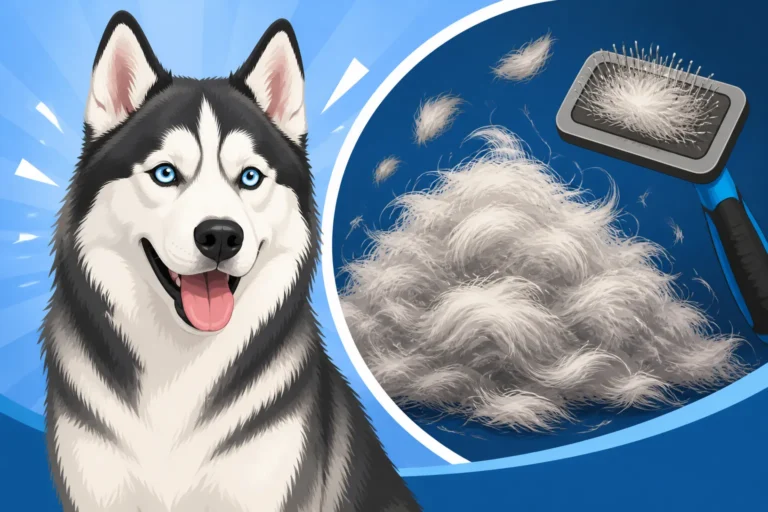
When your Siberian Husky "blows" its coat, usually twice a year during spring and fall, the amount of undercoat they shed can be truly astounding. This dense, woolly undercoat needs to be thoroughly removed to allow for new, healthy growth and to prevent matting, which can lead to skin problems. Simply running a slicker brush over the top layer of guard hairs won't cut it. You need tools designed to reach deep into the undercoat without damaging the protective guard hairs.
Specialized undercoat rakes, like those you can find readily on Amazon or Chewy, are indispensable. These tools have long, sturdy teeth designed to penetrate through the guard hairs and gently pull out the loose, dead undercoat. A high-velocity pet dryer is another game-changer; it uses powerful, cool air to literally blast the dead undercoat out, making the process much faster and more effective, particularly after a bath. Neglecting to properly de-shed can lead to painful matts close to the skin, which can restrict air circulation, trap moisture, and cause hot spots or skin infections. This is why some owners opt for Professional De-Shedding for a Siberian Husky services, especially during heavy shedding seasons, to ensure thorough removal of the old undercoat. For tips on managing the daily challenge during these times, read Daily Raking Through a Siberian Husky Blow.
Why Shaving is a Big No-No
One of the most common and damaging misconceptions about managing a Husky's coat, especially in warmer climates, is the idea that shaving them will keep them cooler. Nothing could be further from the truth, and this is a point I cannot stress enough: you must Why You Must Never Shave a Siberian Husky. Shaving a Siberian Husky is detrimental because it completely removes both the guard hairs and the undercoat, destroying the natural insulation and protection system they rely on.
When you shave a Husky, you expose their sensitive skin directly to the sun, dramatically increasing the risk of severe sunburn and even skin cancer. More importantly, you eliminate their ability to regulate their body temperature. Without the undercoat to trap a layer of cool air, and without the guard hairs to create a shady canopy, your Husky actually becomes more susceptible to overheating. The coat works as a natural air conditioner, and removing it is like removing the insulation from your house in the summer – it lets all the heat in. The regrowth can also be problematic; the guard hairs and undercoat often grow back unevenly, sometimes with the softer undercoat overwhelming the coarser guard hairs, leading to a "woolly" coat that mats easily and no longer provides proper protection. This damaged coat may never fully recover its original texture and function, a concern explored further in Whether a Shaved Siberian Husky Coat Ever Recovers.
Common Misconceptions and Practical Advice
Living with a Siberian Husky means constantly learning about their unique traits, and their coat is definitely one of them. Let's tackle some common questions and offer practical advice to ensure your Husky's coat remains healthy and functional.
"My Husky is Hot, I Should Shave It!"
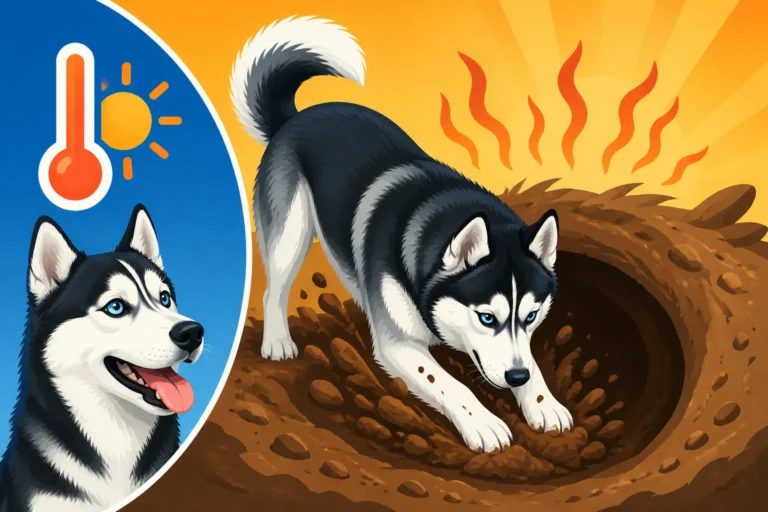
This is perhaps the most prevalent and dangerous misconception. As we've covered, shaving a Husky removes their natural cooling system. It's like taking off a winter coat in the summer, expecting to be cooler, but instead, you're just exposing yourself to direct sun and losing the thermal barrier your body created. For a Husky, their double coat actually helps keep them cool by preventing the sun's rays from directly hitting their skin and allowing for air circulation.
Instead of shaving, focus on genuinely effective cooling strategies. Provide plenty of fresh, cool water, access to shade, and air conditioning indoors. Limit walks and strenuous exercise to the cooler parts of the day, such as early mornings or late evenings. A kiddie pool with a few inches of water in the shade can be a delightful way for many Huskies to cool off, allowing them to wade or lie down without fully soaking their dense undercoat. You can also use cooling mats or elevated beds that allow air to circulate beneath them. For immediate relief after activity, a cool, damp towel placed on their chest or belly can help, but avoid saturating the entire coat. If you suspect your Husky is truly overheating, understanding Cooling a Siberian Husky Down Fast is crucial. For more general advice, see Keeping a Siberian Husky Cool Through Summer.
Choosing the Right Tools and Products
Having the right tools is essential for maintaining your Husky's coat health, especially during the dreaded coat blow seasons. Forget the cheap, flimsy brushes that only skim the surface.
Here's what I recommend keeping on hand:
- Undercoat Rake: This is your primary weapon against shedding. Look for one with rotating teeth, as they tend to glide through the coat more smoothly and prevent pulling. Brands available on platforms like Amazon or Chewy offer a wide range.
- Slicker Brush: While not for deep undercoat removal, a good slicker brush is excellent for working out surface mats and tangles, particularly behind the ears or on the legs, and for general grooming during non-shedding periods.
- High-Velocity Pet Dryer: This is a serious investment, but if you have a Husky, it's worth every penny. It blows out loose undercoat with incredible efficiency and significantly reduces drying time after a bath. You can find robust models on sites like Amazon.
- Shampoo and Conditioner: Opt for gentle, moisturizing shampoos and conditioners formulated for double-coated breeds. These help maintain skin health and the natural oils in the coat. Regular bathing is actually quite infrequent for Huskies, as they are naturally very clean dogs. Bathing a Siberian Husky and How Rarely is a good read.
| Feature | Guard Hairs | Undercoat |
|---|---|---|
| Location | Outermost layer, visible | Beneath guard hairs, close to skin |
| Texture | Coarse, stiff, smooth, shiny | Soft, dense, woolly, downy |
| Length | Longer | Shorter |
| Function | Water-repellent, dirt barrier, UV protection, physical shield | Primary insulation (warmth/coolness), air trapping |
| Shedding | Sheds continuously, less noticeable | "Blows" heavily seasonally, in clumps |
| Appearance | Defines coat color and pattern | Lighter in color, uniform |
Beyond tools, good nutrition plays a vital role in coat health. A high-quality diet provides the essential nutrients for a strong, lustrous coat and healthy skin. Companies like Ollie, known for their fresh, human-grade food, can contribute to overall health, which in turn reflects in a magnificent coat. Even with an excellent diet, regular brushing and maintenance are key. For detailed guidance on your grooming toolkit, check out Undercoat Rakes and Blowers for a Siberian Husky and make sure you're keeping up with Siberian Husky Weekly Grooming Between Blows to minimize the hair tsunami indoors.
Disclaimer
This article is for general informational purposes only and does not constitute professional advice. Laws, prices and regulations vary by location and change over time. Consult a qualified professional for guidance on your specific situation.