Vacuum Costs in a Siberian Husky House
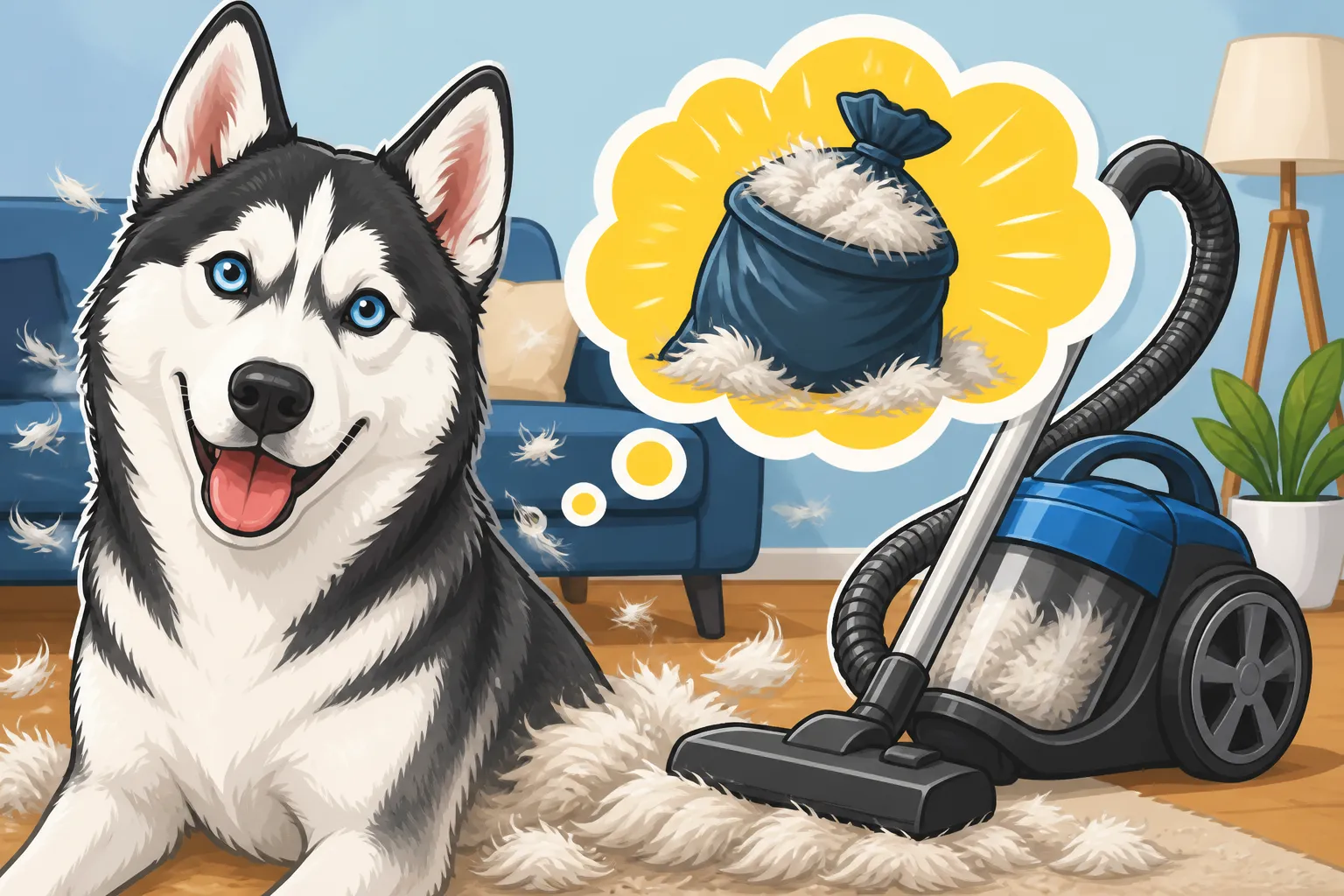
If you share your home with a Siberian Husky, you know the struggle is real. That beautiful, fluffy double coat, while stunning, leaves behind a remarkable amount of hair, often making you feel like you're living inside a snow globe made of fur. Standard household vacuums often crumble under this relentless assault, leaving you frustrated and your floors still fuzzy. This guide is here to help you navigate the unique world of vacuum costs when you live with a shedding machine, from initial purchase to ongoing maintenance.
Why Regular Vacuums Fail Against Siberian Husky Hair
It’s not just that Siberian Huskies shed; it’s how they shed, and the sheer volume of it. Many new husky owners are simply unprepared for the daily reality of fur tumbleweeds and the infamous "coat blow" that happens a couple of times a year. Your average vacuum, designed for lighter duties, simply isn't equipped for this level of floof.
The Sheer Volume of Hair
Let's be honest, living with a Siberian Husky means living with hair. It's on your clothes, your furniture, in your food (sometimes!), and definitely all over your floors. During a regular shedding cycle, it feels like you could build another husky out of the hair collected in a week. But during the seasonal "coat blow," it escalates to an entirely different dimension. You might spend an hour vacuuming, only to turn around and see new tufts floating across the room.
Regular vacuums are often designed with smaller dustbins and less robust suction power, perfectly adequate for a short-haired dog or a low-shedding cat. However, they quickly fill up when faced with the dense, copious undercoat of a husky. You find yourself emptying the canister every few minutes, interrupting your cleaning flow and adding significant time to what should be a straightforward chore. The frustration mounts as you realize your general-purpose vacuum just can't keep up with the demands of daily husky hair removal. It’s a constant battle, and if you don't have the right tools, you're always going to feel like you're losing. This is especially true during events like the Siberian Husky Coat Blow and the Six Weeks It Lasts, when the volume of fur reaches its peak.
The Nature of Husky Undercoat
The Siberian Husky’s double coat is truly a marvel of nature, perfectly adapted to keep them warm in sub-zero temperatures. It consists of stiff outer guard hairs and a dense, woolly undercoat. It’s this undercoat that causes most of the vacuuming headaches. Unlike coarser, more easily picked-up hair, husky undercoat is fine, soft, and extremely voluminous. When it sheds, it tends to clump together, forming large, resilient mats that can easily clog vacuum hoses, brush rolls, and filters.
The fine texture of this undercoat also allows it to weave itself deeply into carpets, upholstery, and even fabric-covered hard surfaces. A vacuum with weak suction or a poorly designed brush roll will simply skim over the top, leaving embedded fur behind. You might vacuum a rug and still see a ghost of a husky outline where your dog likes to nap. The fibers are so fine that they can also quickly create static cling, making them stick to almost any surface, requiring extra passes or specialized tools to dislodge. It's crucial to understand How Much Undercoat Comes Off a Siberian Husky to appreciate the challenge.
Types of Vacuums Built for Husky Hair
When it comes to tackling the relentless shedding of a Siberian Husky, you need more than just a vacuum; you need a fur-fighting machine. Pet-specific vacuums aren't just a marketing gimmick; they're designed with enhanced suction, specialized brush rolls, and superior filtration to handle the unique challenges posed by dense animal hair.
Upright and Canister Vacuums with Strong Suction
For most husky households, a robust upright or canister vacuum is the workhorse of their cleaning arsenal. These aren't your grandmother's vacuums; modern pet models come with significant upgrades. Look for models explicitly advertised for pet hair, as they typically feature powerful motors that generate impressive suction, crucial for lifting deeply embedded fur from carpets.
Key features to prioritize include tangle-free brush rolls or ones with self-cleaning technology, which can save you countless hours from having to manually cut hair out of the bristles. Wide cleaning paths are also beneficial for covering more ground quickly. Canister vacuums, with their separate powerhead and hose, offer excellent maneuverability for getting under furniture and reaching tight spots, which is important when husky hair seems to gather in every nook and cranny. Many of these premium models also come with specialized attachments like mini-motorized tools for upholstery, making quick work of fur on couches and dog beds. When you're searching online, say on a site like Chewy, you'll find plenty of options designed to meet these specific needs. Investing in such a vacuum is a significant upfront cost, but it pays dividends in reduced frustration and a cleaner home.
Robot Vacuums for Daily Maintenance
While an upright or canister vacuum handles the deep cleaning, a robot vacuum can be an absolute game-changer for daily maintenance in a Siberian Husky home. Think of it as your silent, tireless assistant, constantly patrolling for stray fur. The beauty of robot vacuums is their ability to run on a schedule, picking up surface hair before it can accumulate into large drifts. This helps keep the daily shedding under control, making your weekly deep clean much more manageable.
Many newer robot models are now specifically designed for pet hair, featuring stronger suction, larger dustbins, and brush rolls that are less prone to tangling. Some even have smart mapping features, allowing them to navigate complex layouts and avoid obstacles, though watch out for rogue chew toys! While they won't replace the deep cleaning power of a full-sized vacuum, they significantly reduce the overall amount of fur in your living space. The cost of a good pet-specific robot vacuum can be substantial, but the time saved and the constant baseline cleanliness they provide can be invaluable for busy husky owners. It’s like having an extra pair of hands dedicated solely to battling fur, leaving you more time for things like Daily Raking Through a Siberian Husky Blow during peak shedding season.
Handheld and Specialty Vacuums
Beyond your main vacuum and your robot helper, there's a place for handheld and specialty vacuums in a Siberian Husky household. These tools excel at targeted fur removal, reaching places where larger vacuums simply can't go. A powerful handheld vacuum with good battery life is perfect for quick clean-ups on furniture, car interiors, and pet beds. It's amazing how quickly a husky can coat the back seat of your car in fur, and a portable option makes these impromptu cleaning tasks much less daunting.
For those deep dives into upholstery or stairs, a dedicated corded handheld or a stick vacuum with a powerful brush head can be incredibly effective. Some specialty vacuums even come with unique attachments like extra-long crevice tools or extra-wide pet hair nozzles. These smaller units generally represent a lower initial investment compared to full-sized vacuums, but their specialized utility makes them indispensable for maintaining a truly fur-free environment. Think of them as the precision tools in your anti-fur arsenal, complementing the heavy lifters. And remember, a clean house often contributes to a happier owner, which in turn benefits your husky. Many of the necessary grooming tools that help reduce the vacuuming load can be found at retailers like Chewy.
Beyond the Initial Purchase: Ongoing Costs and Considerations
While the upfront cost of a high-quality pet vacuum can be a bit of a gulp, it's essential to remember that it's an ongoing relationship. Like any hard-working appliance, vacuums require regular maintenance, and that comes with its own set of expenses. Ignoring these can lead to decreased performance, shorter lifespan for your machine, and ultimately, more hair on your floors.
Filter Replacement Costs
This is perhaps the most overlooked ongoing cost for any vacuum, and especially so in a husky home. The fine, dense undercoat of a Siberian Husky puts immense strain on your vacuum's filtration system. Filters capture tiny particles of fur, dander, and dust, preventing them from being blown back into the air. Over time, these filters become clogged, even if you clean them regularly (and you definitely should be cleaning them regularly!).
When filters are clogged, your vacuum's suction power diminishes significantly, making it less effective at picking up fur. Some vacuums use washable filters, which can save money, but even these eventually wear out and need replacing. Others rely on disposable HEPA filters, which offer superior air quality but need to be replaced more frequently, sometimes every 3-6 months depending on usage and the number of shedding furballs in your home. The cost of these replacement filters can add up over the years, often ranging from a small expense to a more significant one for specialized HEPA filters. It's a non-negotiable expense if you want your vacuum to perform optimally and keep your air clean. Think of it as a small, recurring fee for the privilege of a relatively fur-free home.
Brush Roll Maintenance and Replacement
The brush roll is the workhorse of your vacuum, agitating carpets and sweeping hair into the suction path. In a husky household, this component takes a serious beating. Long, fine husky hair loves to wrap itself around the brush roll, forming dense tangles that can prevent it from spinning effectively. When the brush roll stops spinning, or spins poorly, your vacuum's ability to pick up hair from carpets dramatically decreases.
Regular maintenance involves manually cutting away tangled hair from the brush roll, which can be a tedious and somewhat unpleasant task. Some modern pet vacuums boast "tangle-free" or "self-cleaning" brush rolls, which are a godsend and well worth the higher initial cost. However, even with the best care, brush rolls can wear out. Bristles can become matted, bent, or simply lose their effectiveness over time. If your vacuum isn't picking up fur as well as it used to, even with a clean filter, a worn brush roll is often the culprit. Replacing a brush roll can be a moderate cost, varying by brand and model, but it's essential to restore your vacuum's performance. It's part of the necessary upkeep to keep your household running smoothly, just like budgeting for pet needs from food to vet care; remember providers like Healthy Paws can help with unexpected veterinary expenses, freeing up funds for critical home maintenance.
Attachments and Accessories
Beyond the core vacuum, the array of attachments and accessories can add to your total cost, both initially and over time. Many pet vacuums come with a suite of specialized tools, such as mini motorized brushes for upholstery, crevice tools for tight spaces, and dusting brushes for delicate surfaces. These are incredibly useful for getting husky hair out of every corner of your home, from sofa cushions to curtain drapes.
However, these attachments can also get lost, break, or wear out. Replacing a specialized pet hair tool, particularly a motorized one, can be a surprisingly high cost. Some husky owners also find themselves investing in aftermarket attachments or specialized nozzles to address specific challenges, such as getting hair out of their car's carpeting or reaching high shelves. Consider also the cost of accessories like vacuum bags (for bagged models), scent filters, or even specialized cleaning solutions for certain carpet types if your vacuum offers wet cleaning functions. While not always strictly necessary, these additions can significantly enhance your cleaning experience and help you win the war against husky fur. You might even find yourself browsing Ollie for healthy treats, which, while not a vacuum accessory, are an essential part of keeping your husky happy and cooperative during grooming or training sessions that also help manage shedding.
| Vacuum Type | Best For Siberian Husky Hair | Pros for Husky Owners | Cons for Husky Owners |
|---|---|---|---|
| Upright Vacuums | Deep cleaning carpets, large open floor plans | Powerful suction, wide cleaning path, often specialized pet features | Can be heavy and bulky, less maneuverable in tight spaces, brush roll tangles |
| Canister Vacuums | Versatility, hard floors, stairs, under furniture | Excellent maneuverability, strong suction, good for varied surfaces | Can be cumbersome to store, hoses can clog, more pieces to manage |
| Robot Vacuums | Daily maintenance, maintaining baseline cleanliness | Autonomous, scheduled cleaning, picks up daily surface shedding | Not for deep cleaning, smaller dustbins, can get stuck, initial cost |
| Handheld Vacuums | Spot cleaning, upholstery, cars, stairs | Portable, lightweight, quick clean-ups, specialized pet tools available | Limited capacity, battery life concerns, not for large areas, lower suction than full-size |
Making Your Vacuum Investment Last
A good pet-specific vacuum is an investment, often comparable to other significant household appliances. Just like you'd maintain your car or your HVAC system, taking care of your vacuum is crucial to extending its lifespan, maintaining its performance, and ultimately, saving you money in the long run. Given the constant assault of husky hair, proactive care is non-negotiable.
Regular Cleaning and Preventative Measures
The simplest and most effective way to extend your vacuum's life and ensure it continues to fight husky hair effectively is through consistent cleaning and preventative maintenance. After every few uses (or more frequently during a heavy Siberian Husky Coat Blow and the Six Weeks It Lasts), empty the dustbin. Don't wait for it to be overflowing, as a full bin reduces suction. For models with washable filters, rinse them regularly according to the manufacturer's instructions, ensuring they are completely dry before reinserting.
Perhaps the most critical task is to regularly inspect and clean the brush roll. Husky hair, as we've discussed, loves to wrap around it. Using a seam ripper or a pair of small scissors, carefully cut and remove all tangled hair from the brush roll and the ends of the rollers. This prevents strain on the motor and keeps the brush spinning freely. Check the vacuum hose for blockages; sometimes large clumps of husky hair can get stuck, leading to a complete loss of suction. A simple visual inspection and occasional clearing can prevent more serious issues. By staying on top of these small tasks, you ensure your vacuum can always perform at its peak, tackling the fur without succumbing to it.
Warranty and Repair Considerations
Before purchasing any significant appliance, especially one that will endure the rigors of a husky household, understanding its warranty and potential repair costs is vital. Most reputable vacuum brands offer a manufacturer's warranty that covers defects in materials and workmanship for a certain period. Keep your receipt and register your product, as this can save you from unexpected repair bills if something goes wrong.
However, warranties typically don't cover normal wear and tear or damage caused by improper use (like continuously trying to vacuum up wet messes or objects too large for the machine). When your vacuum is out of warranty, or if the issue isn't covered, you'll face repair costs. These can vary widely, from relatively inexpensive part replacements (like a new belt or a minor motor component) to costs that approach or exceed the price of a new vacuum. It’s a good idea to research the availability and cost of common replacement parts for any model you're considering. Sometimes, investing a little more upfront in a brand known for its durability and accessible parts can save you a lot of headache and expense down the road. Just as you might budget for regular vet check-ups for your husky, considering a plan like Healthy Paws for potential health issues, you should also factor in the longevity and repairability of your crucial cleaning tools.
Strategic Vacuuming Habits
Finally, beyond the machine itself, your vacuuming habits can play a huge role in both your vacuum's lifespan and the overall cleanliness of your home. Living with a Siberian Husky means you can't just vacuum once a week and expect pristine floors. Frequent, shorter vacuuming sessions are often more effective than one marathon cleaning. This prevents hair from building up to overwhelming levels that can clog your machine and burn out its motor.
Consider a multi-pronged approach: use a robot vacuum for daily maintenance on hard floors, a powerful upright for carpets a few times a week, and a handheld for spot cleaning as needed. During heavy shedding periods, like the Two De-Shedding Appointments a Siberian Husky Year, you might need to increase the frequency of all your vacuuming efforts. Also, consider complementary tools such as Undercoat Rakes and Blowers for a Siberian Husky to remove loose fur directly from your dog, reducing the amount that ends up on your floor. Regular grooming, whether at home or professional de-shedding appointments, can significantly lighten your vacuum's load. By adopting smart habits and combining tools, you're not only preserving your vacuum but also maintaining a cleaner, more comfortable living environment for both you and your beloved husky.
Disclaimer
This article is for general informational purposes only and does not constitute professional advice. Laws, prices and regulations vary by location and change over time. Consult a qualified professional for guidance on your specific situation.