Vitiligo in a Siberian Husky
It can be unsettling to watch your beautiful Siberian Husky start to develop patches of white on their once perfectly pigmented skin and fur. You might first notice it on their nose, or perhaps around their eyes, and immediately wonder if it's a sign of a serious underlying illness. It's a common concern for Husky owners, and this guide is here to shed some light on vitiligo, a fascinating, usually harmless, and primarily cosmetic condition that sometimes affects our beloved Northern dogs.
Understanding Vitiligo in Siberian Huskies
When those distinct white patches begin to appear on your Husky, it’s natural to feel a pang of worry. Is it pain? Is it an infection? For many, the answer is a simple, straightforward condition called vitiligo, and understanding what it is and how it manifests can bring a lot of peace of mind.
What is Vitiligo, Anyway?
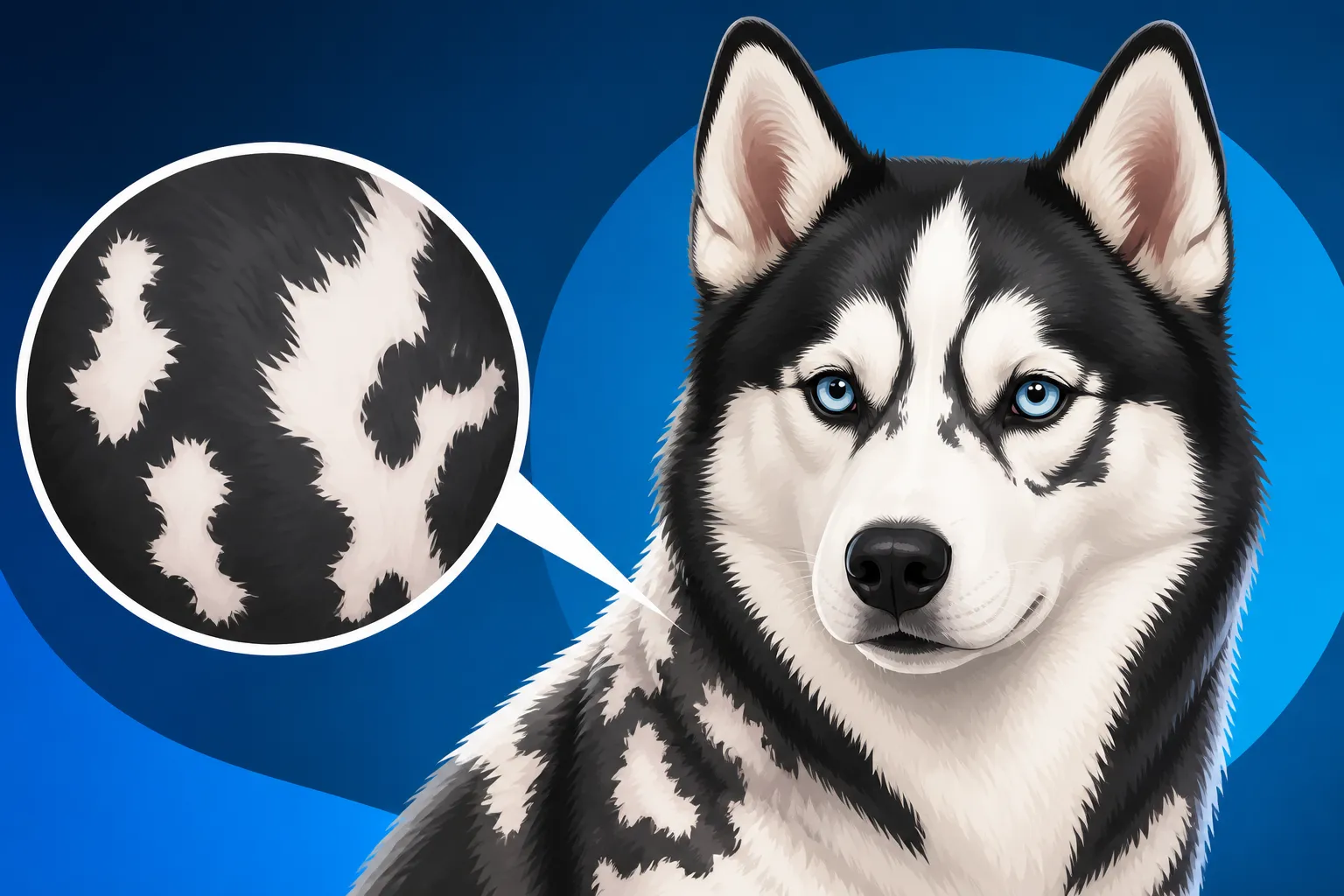
At its core, vitiligo is an autoimmune condition where the body's immune system mistakenly attacks and destroys melanocytes, the specialized cells responsible for producing melanin. Melanin is the pigment that gives color to skin, hair, and eyes. When these melanocytes are damaged or disappear, the affected areas lose their color, resulting in white patches. It’s not contagious, it’s not painful, and it doesn't generally pose a direct threat to your Husky's overall health or their typically long and robust lifespan. Think of it more as a unique cosmetic signature, a badge of individuality. While the exact trigger for vitiligo isn't fully understood, a genetic predisposition is suspected, meaning some Huskies are just more prone to developing it than others.
Where Pigment Loss Shows Up on a Husky
The most common places you'll see vitiligo appear on a Siberian Husky are the areas with visible skin and typically strong pigmentation. The nose, often referred to as the "leather," is a prime spot. You might notice small, circular white spots that gradually grow and merge, turning parts of the nose, or even the entire nose, pinkish or white. The lips and eyelids are also frequent targets, leading to a charmingly "frosted" look around the face. You might also spot depigmentation on the paw pads, making them appear pale. In some rare cases, vitiligo can even affect the hair, causing patches of fur to turn white, though this is less common than skin depigmentation. The pattern of pigment loss can vary dramatically; it might be symmetrical, appearing equally on both sides of the face, or it could be asymmetrical, affecting one side more than the other. Sometimes it starts small and spreads over months or years, while in other cases, it might appear suddenly and then stabilize without further progression.
Diagnosing Vitiligo and Ruling Out Other Causes
Discovering new white patches on your Husky's face or body can be alarming, and while vitiligo is often the cause, it's really important to have a veterinarian confirm the diagnosis. There are other conditions that can cause similar pigment changes, some of which require medical intervention.
The Vet Visit: What to Expect
When you bring your Husky to the vet for depigmentation, they’ll start with a thorough physical examination and ask you a lot of questions about your dog's history. When did you first notice the patches? Are they itchy or painful? Has your dog had any other symptoms, like changes in appetite, energy levels, or other skin issues? This detailed history is crucial.
During the exam, your vet will closely inspect the affected areas. In many cases, if the depigmentation follows the classic pattern of vitiligo – white, non-itchy patches primarily on the nose, lips, or eyelids, without any inflammation, crusting, or hair loss – a presumptive diagnosis can be made visually.
However, to definitively rule out other conditions, your vet might suggest additional diagnostics. A skin biopsy is the most conclusive way to diagnose vitiligo. This involves taking a small tissue sample from the affected area, which is then sent to a lab for microscopic examination. The pathologist will look for an absence of melanocytes in the depigmented skin. While a biopsy can confirm vitiligo, many owners opt against it if the clinical signs are classic and the dog is otherwise healthy, as it's an invasive procedure for a purely cosmetic condition. Your vet might also recommend blood tests to check for any underlying autoimmune issues or other systemic diseases, just to be on the safe side, especially if other symptoms are present.
Distinguishing Vitiligo from Other Pigment Changes
This is where your vet's expertise truly shines, as several conditions can mimic the pigment loss seen in vitiligo. It's not always as simple as just "a white nose," and getting the right diagnosis means your Husky gets the right care.
Let's break down some of the common look-alikes:
- Snow Nose (Seasonal Nasal Depigmentation): This is a very common and entirely harmless condition in Siberian Huskies. Unlike vitiligo, snow nose involves a seasonal lightening of the nose's pigment, usually in winter, which darkens again in summer. It’s a cyclical change, whereas vitiligo tends to be permanent and progressive. If you're observing a nose that loses its color then regains it, it's much more likely to be snow nose.
- Uveodermatologic Syndrome (UDS), also known as VKH-like Syndrome: This is a much more serious autoimmune disease that absolutely needs to be ruled out. UDS causes pigment loss on the skin, nose, lips, eyelids, and paw pads, much like vitiligo. However, UDS also severely affects the eyes, causing inflammation (uveitis) and potentially leading to blindness if not treated aggressively. You might notice your Husky squinting, having red, painful eyes, or showing signs of vision loss. If your dog exhibits any eye symptoms along with pigment loss, this is a top concern and requires immediate veterinary attention. Timely diagnosis and steroid treatment for Husky Uveodermatologic Syndrome are critical for saving sight.
- Discoid Lupus Erythematosus (DLE): This is another autoimmune skin disease that primarily affects the nose, causing depigmentation, scaling, crusting, and sometimes ulceration. The key difference here is the inflammation and potential discomfort. While vitiligo is usually smooth and non-inflamed, DLE will often present with crusting skin on a Siberian Husky's face and nose. Your dog might also paw at their nose or show signs of pain.
- Zinc-Responsive Dermatosis: While this condition primarily causes crusting and scaling around the eyes, muzzle, and pressure points, severe cases can also lead to secondary depigmentation due to chronic skin inflammation. This is often associated with malabsorption of zinc, something Siberian Huskies are prone to. If your Husky has significant skin lesions, scabs, or hair loss in addition to pigment changes, your vet will investigate for this condition. Zinc-Responsive Dermatosis in the Siberian Husky is a distinct entity that requires zinc supplementation.
- Post-inflammatory Hypopigmentation: Sometimes, after skin trauma, infection, or inflammation (like a severe allergic reaction or a cut), the skin can lose its pigment as it heals. This type of depigmentation is usually localized to the site of the previous injury and isn't typically progressive like vitiligo.
- Genetic Dilution: Some Huskies have genetically determined lighter pigmentation overall, or specific color patterns that might be mistaken for depigmentation. This is present from birth or early puppyhood and doesn't appear later in life as vitiligo does.
To help visualize these differences, here’s a quick comparison table:
| Condition | Primary Location | Associated Symptoms | Key Differentiating Factors |
|---|---|---|---|
| Vitiligo | Nose, lips, eyelids, pads | None; purely cosmetic | Smooth, non-itchy, non-painful white patches; progressive |
| Snow Nose | Nose | None | Seasonal lightening/darkening of nose pigment |
| Uveodermatologic Syndrome | Nose, lips, eyelids, pads | Severe eye inflammation (uveitis), pain, potential blindness | Eye involvement is a critical red flag; serious condition |
| Discoid Lupus | Nose, face | Scaling, crusting, ulceration, discomfort | Inflammation, lesions, and pain associated with pigment loss |
| Zinc-Responsive Dermatosis | Muzzle, eyes, pressure points | Crusting, scaling, hair loss, lethargy, poor appetite | Skin lesions, not just pigment loss; responds to zinc |
| Post-Inflammatory Hypopigmentation | Site of previous injury | History of prior skin trauma/inflammation | Localized, non-progressive after healing |
This table makes it clear why an accurate veterinary diagnosis is so important. While vitiligo is generally benign, confusing it with something like UDS could have devastating consequences for your Husky's vision and overall health.
Living with a Vitiligo-Affected Siberian Husky
Once your veterinarian has confirmed that your Siberian Husky has vitiligo and ruled out any other, more serious conditions, you can breathe a sigh of relief. This condition is primarily cosmetic, and your dog will still live a full, happy, and active life.
Is Treatment Necessary?
The short answer for most cases of vitiligo in Siberian Huskies is: no, treatment isn't typically necessary. Since vitiligo doesn't cause pain, discomfort, or any health issues beyond the change in appearance, active medical treatment is rarely pursued. There's no known cure for vitiligo, and while some topical medications (like corticosteroids or immune-modulating creams) have been tried in other species, their effectiveness in dogs is variable, and the potential side effects often outweigh the cosmetic benefit. For a condition that doesn't impact quality of life, subjecting your Husky to medications with potential risks simply isn't usually warranted. The focus should remain on their general health, ensuring they're eating well, getting enough exercise, and receiving regular veterinary check-ups, just as you would for any other healthy Siberian Husky.
Sun Protection for Depigmented Skin
One important consideration for Huskies with vitiligo, especially those with significant depigmentation on their nose or eyelids, is sun protection. Melanin acts as a natural sunscreen, protecting the skin from harmful UV radiation. When melanocytes are absent, the skin becomes much more vulnerable to sunburn. Just like fair-skinned humans, your Husky's newly pink or white skin can burn, leading to discomfort, peeling, and in rare, severe cases, an increased risk of skin cancer over time.
To protect your depigmented Husky, ensure they have plenty of access to shade, particularly during the hottest parts of the day. If your dog loves basking in the sun or spends a lot of time outdoors, consider applying dog-specific sunscreen to their exposed white areas. Look for sunscreens designed for pets, as human sunscreens can contain ingredients that are toxic if ingested. Brands like Epi-Pet or My Dog Nose It are often recommended. Apply it carefully to the nose, ear tips, and around the eyelids, avoiding direct contact with the eyes. Adjusting your walk schedule to early mornings or late evenings can also help prevent your Husky from overheating and protect their sensitive skin from harsh UV rays. This is also good practice to mitigate the Heat Stroke Risk in a Siberian Husky.
Managing Appearance and Acceptance
It’s completely understandable if you feel a little sad or surprised by your Husky’s changing appearance. However, it's vital to remember that your dog doesn't care what color their nose is; they only care about your love, their next meal, and their next adventure! Embrace your Husky's unique look. It makes them even more special.
While vitiligo itself is a cosmetic condition and not covered by pet insurance like Healthy Paws for treatment, the diagnostic process to rule out serious conditions like UDS or DLE might be. It’s always worth reviewing your policy or contacting your provider to understand what is covered when investigating symptoms. Focusing on your Husky’s overall well-being, training, and enrichment is far more important than worrying about their pigment. Your dog is still the same incredible companion, perhaps just with a little more distinguished "frosting" around the edges.
Genetic Predisposition and Breeding Considerations
Understanding the potential genetic links of vitiligo in Siberian Huskies can be helpful for both pet owners and responsible breeders. While it's not a debilitating health issue, it does speak to the genetic makeup of the individual.
The Hereditary Component
While research into canine vitiligo is ongoing, and it's not as clearly understood as some other genetic conditions, there's a strong suspicion that a hereditary component plays a significant role. Vitiligo often appears in young to middle-aged dogs, and anecdotal evidence among breeders suggests it can run in certain lines. It’s believed to be polygenic, meaning multiple genes contribute to its expression, rather than a single gene. This makes tracking and predicting its occurrence a bit more complex. If one of your Husky's parents or close relatives had vitiligo, there's a slightly higher chance your dog might develop it, too. However, it’s not a guarantee, and many Huskies with affected relatives never show signs. The intricate process of how Siberian Husky Lifespan and What Shortens It is influenced by various factors, and vitiligo is generally not one of the detrimental ones.
Breeding Decisions for Affected Lines
For responsible breeders, the presence of vitiligo in a breeding line typically falls into a grey area. Since it is a cosmetic condition that does not affect the dog's health, temperament, working ability, or quality of life, it is generally not considered a disqualifying trait for breeding purposes. It’s certainly not in the same category as serious hereditary conditions like certain eye diseases or hip dysplasia.
However, a conscientious breeder will note its appearance in their records and be transparent with potential puppy buyers. They might choose to breed away from lines with a high incidence of vitiligo if it becomes too prevalent or if buyers express a strong preference for dogs without this trait. The goal of responsible breeding is always to produce healthy, sound, and type-correct puppies, and vitiligo, while unique, doesn't detract from these core qualities. When looking at Health Testing Before You Buy a Siberian Husky, you'll find that vitiligo is not on the list of conditions mandated for screening, which underscores its non-health threatening nature. Ultimately, it’s a personal decision for breeders, but for pet owners, it’s simply part of what makes your Husky wonderfully individual.
Disclaimer
The information provided in this article is for general informational purposes only and is not a substitute for professional veterinary advice. Always consult with a qualified veterinarian for any health concerns or before making any decisions related to your pet's health and treatment.