Frostbite on Siberian Husky Ear Tips
Winter can be truly magical with your Siberian Husky, watching them thrive in the cold, kicking up snow, and looking utterly magnificent. But even with their incredible double coats, there are parts of their body that are surprisingly vulnerable when the temperatures really drop, especially their delicate ear tips. It’s a heartbreaking reality that many owners, assuming their Husky is invincible in the cold, don't realize their beloved companion can suffer from frostbite until it's too late. This guide will walk you through exactly what frostbite looks like on those precious husky ears, how to prevent it, and what immediate steps to take if you ever suspect it.
Understanding How Frostbite Affects Siberian Husky Ears
While Siberian Huskies are renowned for their cold weather resilience, thanks to centuries of breeding in harsh northern climates, no dog is truly immune to the brutal bite of extreme cold. Their thick, insulating coats do an amazing job protecting their bodies, but certain extremities remain exposed and susceptible.
Why Husky Ears Are Uniquely Vulnerable
Think about it: those beautiful, erect Husky ears are constantly exposed to the elements. Unlike their dense body fur, the ear tips have very little fat or muscle to insulate them. The skin covering the cartilage is thin, and blood circulation to these extremities is designed to constrict in extreme cold to prioritize keeping the core body warm. This is a survival mechanism, but it also means that the blood flow to the ear tips can be severely restricted, making them prime targets for frostbite. When blood flow drops, oxygen and warmth stop reaching the tissue, leading to cellular damage. It’s a classic case of what makes them look so majestic also making them a little bit fragile in specific situations. You might be focused on keeping their main body warm, but those ears are out there, feeling every bit of the chill.
Recognizing the Early, Subtle Signs of Frostbite
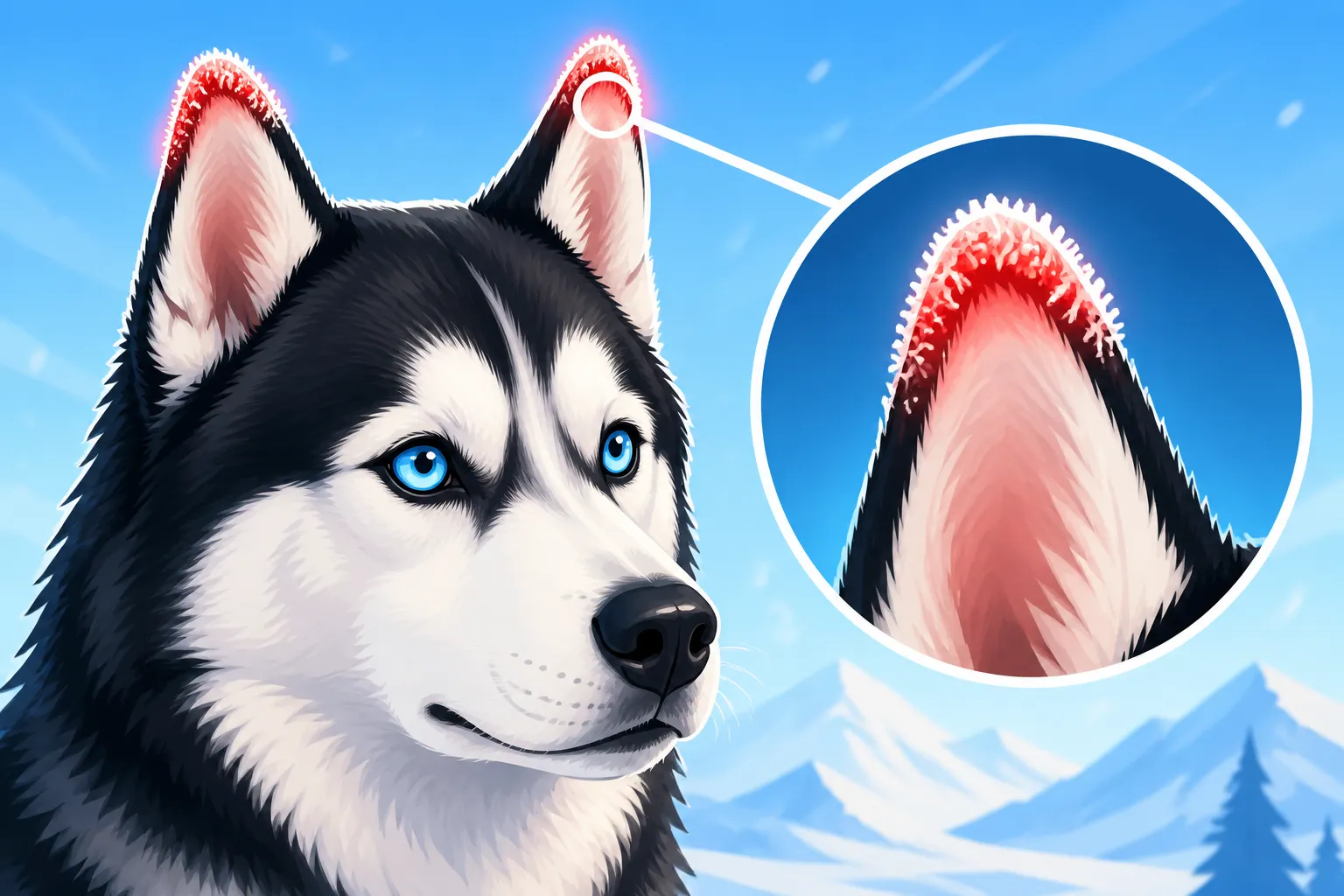
The trick with frostbite, especially in its early stages, is that it can be incredibly subtle. It's not always dramatic, frozen-solid tissue right away. Initially, you might just notice your husky's ear tips feeling unusually cold to the touch, almost waxy or stiff. The skin itself might appear paler than usual, perhaps a grayish or bluish tint, rather than its healthy pink. Your dog might also be sensitive or even painful when you touch their ears, or they might try to shake their head more than usual, as if uncomfortable. They might even hold their ears differently, a little flatter or tucked. In these early, superficial stages, the signs can be fleeting and easily missed, particularly if your dog is still active and trying to pretend everything is fine – which, let's be honest, many Huskies excel at. Catching these subtle clues is paramount because early intervention can prevent much more severe damage.
The Progression of Frostbite Damage
Frostbite isn't a single event; it's a progression, moving from mild to increasingly severe damage if exposure continues or goes untreated.
- First Degree (Superficial Frostbite): This is the mildest form. The skin on the ear tips might appear pale, waxy, or slightly red, and feel cold or numb. There might be some initial pain or tingling. This is where those subtle signs we discussed come in. The tissue is cold, but ice crystals haven't formed deeply enough to cause permanent damage yet.
- Second Degree (Partial Thickness): Here, the damage goes a bit deeper. The skin might become swollen, red, and blistered, much like a burn. The blisters can be filled with clear or milky fluid. The area will still be very cold and painful, and as it warms, it can become quite itchy and tingly. This stage is more serious, with a higher risk of lasting tissue damage if not treated correctly.
- Third Degree (Full Thickness): This is severe frostbite. The ear tissue looks hard, cold, and numb, often appearing bluish, black, or even mummified. Blood vessels are severely damaged, and blood flow has completely ceased. There will be no feeling in the affected area. This stage indicates irreversible tissue damage, leading to necrosis (tissue death) and eventually, the affected portion of the ear may slough off. It's truly a devastating outcome and underscores the importance of preventing it in the first place.
Here's a quick look at the stages and what to watch for:
| Stage of Frostbite | Appearance of Ear Tip | Feeling/Sensation | Outlook |
|---|---|---|---|
| First Degree | Pale, waxy, sometimes reddish; cold to touch | Numb, tingling, mild pain | Good recovery with proper rewarming |
| Second Degree | Swollen, red, blisters (clear/milky fluid); cold | Painful, tingly, itchy upon rewarming | Potential for scarring, but tissue often saved |
| Third Degree | Hard, cold, numb; bluish, black, or mummified tissue | No sensation | Irreversible tissue death; sloughing likely |
Proactive Steps to Prevent Ear Frostbite
Prevention is always better than cure, especially when it comes to something as painful and potentially disfiguring as frostbite. For Siberian Husky owners, this means being diligent and understanding that even though they are snow dogs, they still have limits and vulnerable spots.
Ensuring Adequate Shelter and Limiting Exposure
The single most effective way to prevent frostbite is to limit your Husky’s exposure to extreme cold, especially when temperatures plummet below freezing or when there's a significant wind chill. While they adore playing in the snow, prolonged outdoor time in bitter cold without adequate protection can be dangerous. It's a common misconception that because they have a thick coat, they can withstand anything. A Siberian Husky Lifespan and What Shortens It can certainly be impacted by repeated exposure to preventable conditions like severe frostbite.
Always provide a warm, insulated shelter for any time spent outdoors. This means more than just a doghouse; it needs to be elevated, insulated, and draft-free, perhaps with straw bedding for extra warmth. Even better? Bring your Husky inside when the temperatures drop drastically. Their place is with you, cozy and warm, not battling the elements solo. If they absolutely must be outside for short periods, such as for a quick potty break, ensure they are supervised and brought back in promptly. Remember, Huskies are social creatures, and their preference is almost always to be with their family, especially when it's cold. If you live in an area prone to severe winters, understanding Cold Tolerance Limits for a Siberian Husky is essential.
Protective Gear and Smart Winter Management
Sometimes, even with careful management, you might need to take your Husky out for walks or specific activities. This is where protective gear can come into play. While not every Husky will tolerate them, snoods or ear covers designed for dogs can provide an extra layer of warmth and protection for those sensitive ear tips. These are essentially fabric tubes that slip over the head and cover the ears. You can find a variety of options on sites like Chewy or Amazon, but make sure to choose one that fits snugly without being too tight, and always supervise your dog while they're wearing it to ensure they don't try to pull it off or get tangled.
Beyond gear, smart winter management is key. This means timing your outdoor activities. Avoid the coldest parts of the day, usually early morning or late evening. If you're out for an extended period, take frequent breaks indoors to allow your Husky to warm up. Always keep an eye on their behavior – if they start lifting paws, shivering, or seem generally uncomfortable, it’s time to head inside. Even for working Huskies, trainers are very careful about exposure duration and conditions. And don't forget paw care! Just like ears, paws are exposed and can suffer from frostbite, not to mention irritation from ice melts and salt. Checking out Siberian Husky Paw Care Through Snow and Salt can give you additional tips for their other vulnerable extremities.
Optimizing Diet for Winter Wellness
A healthy, well-nourished dog with good circulation is better equipped to handle cold weather. While diet alone won't prevent frostbite in extreme conditions, it plays a supportive role in overall winter wellness. During colder months, some Huskies, especially those who are more active, might benefit from a diet that's slightly higher in healthy fats. Fat provides concentrated energy and helps maintain a healthy skin and coat barrier, which contributes to insulation.
Look for high-quality dog foods that list animal proteins and fats as primary ingredients. Brands like Ollie, which offers fresh, human-grade food, can be an excellent option for providing nutrient-dense meals that support overall vitality. If you're considering a change, always consult your vet to ensure it's appropriate for your Husky's individual needs. Supplements like Omega-3 fatty acids can also contribute to healthy skin and coat, promoting better circulation. You can often find these easily on platforms like Chewy or Amazon. However, remember that no diet can substitute for proper shelter and limiting exposure. It's about giving your Husky every advantage to stay healthy, inside and out. For more on dietary adjustments, consider reading High-Fat Food for a Siberian Husky in Winter.
Responding to Suspected Frostbite on Your Husky's Ears
Finding your Husky with suspected frostbite can be incredibly alarming. Your immediate, calm response is crucial to minimizing damage and ensuring their comfort.
Immediate Care and What to Avoid
If you suspect your Husky's ears have frostbite, the most important thing is to begin rewarming gently and immediately.
- Move to a Warm Environment: Get your Husky indoors, into a warm room, as quickly and calmly as possible.
- Gentle Rewarming: The best way to rewarm frostbitten areas is to immerse them in lukewarm (not hot!) water, around 100-104°F (38-40°C). You can use a towel soaked in lukewarm water and gently hold it against their ears. The goal is to rewarm the tissue slowly and consistently. Do not rub the affected area, as this can cause further tissue damage. Also, avoid direct, intense heat sources like heating pads, hairdryers, or direct flame, as this can cause burns and worsen the injury.
- Keep Dry and Comfortable: Once the ears are rewarmed, gently pat them dry and keep your Husky in a warm, dry place. Offer fresh water and encourage them to rest.
- Avoid Re-Freezing: Once an area is rewarmed, it's incredibly vulnerable to re-freezing, which causes much more severe damage. Ensure your Husky stays indoors until fully recovered.
It's a scary moment, and it’s natural to want to do everything you can, but resist the urge to vigorously rub or apply anything cold to the ears. Patience and gentle warmth are your Husky's best friends in this situation.
When to Get Professional Veterinary Help
While initial first aid is important, frostbite, especially anything beyond the mildest first-degree stage, requires professional veterinary attention. You should contact your vet immediately if:
- The ears appear severely discolored (blue, black, or mummified).
- Blisters are forming on the ear tips.
- Your Husky is showing signs of extreme pain, lethargy, or other systemic illness.
- The affected area doesn't seem to improve after initial rewarming, or if the initial paleness persists.
- You're simply unsure of the severity or how to proceed.
A vet can properly assess the extent of the damage, provide pain relief, administer antibiotics if infection is a concern, and offer guidance on wound care. They might prescribe anti-inflammatory medications or specific topical treatments to aid healing and prevent further complications. Knowing What Siberian Husky Emergency Visits Run can help you prepare for the financial aspect, but never delay seeking help for a suspected frostbite injury due to cost concerns. Your vet is there to help, and many clinics offer payment plans or options.
The Recovery Journey and Long-Term Considerations
The recovery from frostbite can be a slow and emotionally taxing process for both you and your Husky. For superficial frostbite, full recovery is often possible with no lasting effects. However, for more severe cases, the affected tissue may die (necrosis) and eventually slough off. This can mean a partial loss of the ear tip, which while primarily cosmetic, can also make the ear more susceptible to future cold injury.
During recovery, consistent wound care will be paramount. This might involve keeping the area clean, applying prescribed ointments, and preventing your Husky from scratching or irritating the healing skin. Your vet will guide you through this process. It's a waiting game sometimes, as the full extent of the damage may not be apparent for several days or even weeks after the initial injury. Be prepared for potential secondary infections, which are common as damaged tissue tries to heal. Long-term, you'll need to be even more vigilant about cold weather protection. A Husky who has experienced frostbite once is more prone to it again in the same areas due to compromised circulation and tissue integrity. This might mean permanent use of protective gear in cold weather, or simply being extra cautious about their time outdoors. It's a tough journey, but with your love and careful management, your Husky can recover and continue to enjoy their life.
Disclaimer
This article is for general informational purposes only and does not constitute professional advice. Laws, prices and regulations vary by location and change over time. Consult a qualified professional for guidance on your specific situation.