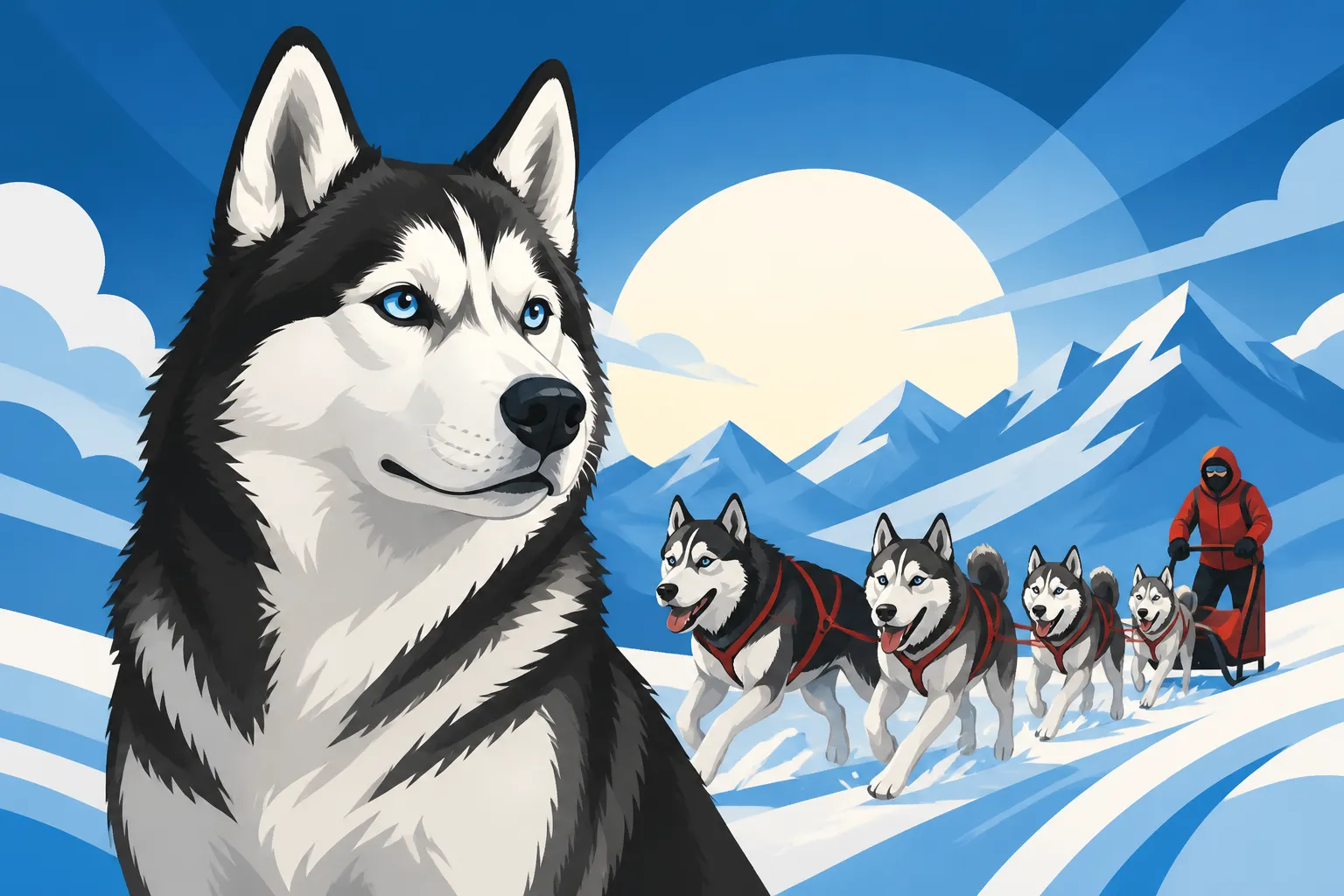
What a Siberian Husky Was Bred to Do
It’s a tale as old as time: someone sees a gorgeous Siberian Husky, falls head over heels for their striking eyes and fluffy coat, and brings one home without fully understanding the incredible, ancient purpose etched into their very being. Then, the scratching starts, the digging begins, the fence is scaled, and the wild howling echoes through the neighborhood. Many owners find themselves completely overwhelmed, not because their Husky is "bad," but because they haven't learned how to channel the powerful instincts this breed was quite literally designed for. This guide will take a deep dive into the fascinating history of the Siberian Husky, exploring exactly what they were bred to do, and how understanding that purpose can transform your relationship with your own magnificent dog.
The Chukchi Origins and Survival in the Arctic
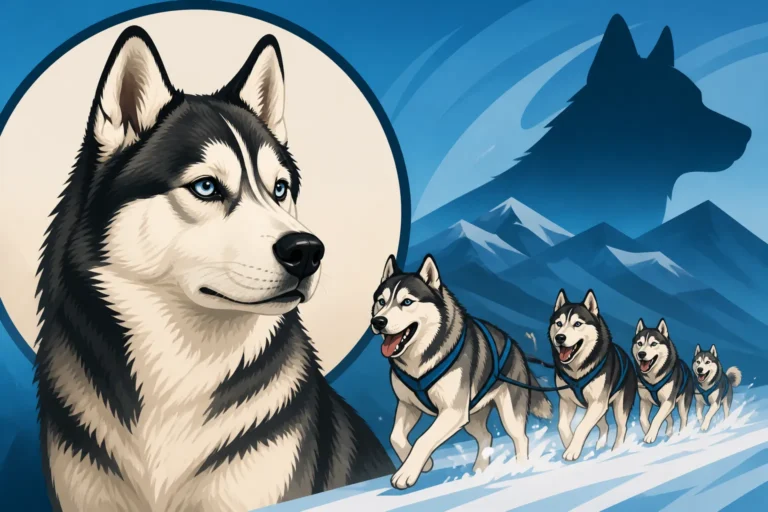
Before Siberian Huskies captured the hearts of dog enthusiasts around the world, they were the indispensable partners of the Chukchi people in northeastern Siberia. This wasn't a casual relationship; it was one forged in the crucible of survival, where the dog's capabilities directly impacted the family's ability to live, hunt, and travel across one of the most unforgiving landscapes on Earth. To truly appreciate a Husky, we need to go back to these roots.
Life with the Chukchi People
Imagine a life where temperatures plunge far below freezing, where snow blankets the ground for months, and resources are scarce. This was the reality for The Chukchi People Who Bred the Siberian Husky. They were semi-nomadic hunters and gatherers, relying on their dogs not just for transportation but as integral members of their households. These dogs were kept clean, well-fed, and lived in close proximity to humans, often sleeping indoors with families for warmth and companionship. This intimate relationship fostered a strong bond and an understanding of human needs, even as it cultivated the dogs' independent spirit.
The Chukchi understood that their survival depended on strong, healthy, and reliable dogs. They didn't have veterinarians as we know them today, so robust health and an innate resilience were paramount. This meant a natural selection for dogs that could withstand harsh conditions, recover quickly from exertion, and maintain good health with minimal intervention. This careful stewardship and reliance on natural hardiness contributed to many of the breed's strengths we still see today, including their generally good health, as discussed in Siberian Husky Lifespan and What Shortens It.
Purpose-Bred for Endurance, Not Speed (Initially)
Initially, the Chukchi were not looking for speed demons for racing. Their primary need was for dogs that could pull light loads over vast distances, day after day, with remarkable efficiency and endurance. Picture long treks across frozen tundra, moving camps, or hauling supplies back from hunting grounds. These journeys weren't sprints; they were marathons. The dogs needed to be tireless, able to maintain a steady pace for hours, even days, on minimal food, without overheating or succumbing to the cold.
This emphasis on endurance over raw speed is why modern Siberian Huskies possess such incredible metabolic efficiency. They can perform sustained work on fewer calories than many other breeds of comparable size. This trait is a direct legacy of their Chukchi heritage, where wasting energy was not an option. It also explains why overfeeding a pet Husky, based on generic feeding charts, can lead to weight issues, a common challenge for owners unaware of this unique metabolism. Their body was built for the long haul, not for lounging.
A Family Member and Essential Worker
The Chukchi Huskies were not merely tools; they were cherished members of the family unit. While they worked tirelessly pulling sleds, they also served as companions, protectors, and even warm bodies to huddle with during brutal Arctic nights. This dual role—working animal and beloved family member—shaped the Siberian Husky's temperament: loyal and affectionate with their chosen people, but also independent and capable of making decisions.
This close integration into human family life is a key reason why Huskies generally possess a friendly disposition towards people, including strangers and children. They weren't bred to be aggressive guardians; they were bred to coexist peacefully within a human community. However, this same independence, coupled with their inherent drive, means they often form strong bonds but aren't typically "velcro dogs" in the way some other breeds might be. They have a job to do, even if in a modern home, that job is simply to be a part of the family, with an occasional tug on a leash that feels like work to them.
The Alaskan Gold Rush and the Advent of Sled Racing
The world outside Siberia began to take notice of these extraordinary dogs when they were introduced to Alaska. The rough-and-tumble frontier life, particularly the competitive spirit of the Gold Rush era, provided a new stage for the Siberian Husky, transforming their role from pure endurance workers to celebrated racing champions.
Siberian Huskies Arrive in Alaska
The story of how these dogs first crossed the Bering Strait into North America is a fascinating one, deeply tied to the burgeoning sled dog racing scene of the early 20th century. Around 1908, a Russian fur trader named Charles Fox Maule Ramsay imported a team of "Siberian" dogs to compete in the All-Alaska Sweepstakes race. These were the ancestors of our modern Siberian Huskies, brought over from the Chukotka region. At first glance, their relatively small size compared to the larger, heavier freight dogs then common in Alaska led many to dismiss them.
However, their arrival marked a turning point. As detailed in How Siberian Huskies Reached Alaska in 1908, these dogs quickly began to prove their mettle, showcasing a combination of speed, stamina, and incredible efficiency that surprised onlookers. They were different from the local dogs, leaner and more agile, yet possessed an inner furnace that allowed them to power through immense distances in extreme cold. This blend of attributes made them perfectly suited for the burgeoning sport of sled dog racing.
The All-Alaska Sweepstakes and "Siberian Rats"
When Ramsay's imported dogs first appeared on the scene, they were met with skepticism, even derision. Competitors, accustomed to bulkier Malamute-type dogs, reportedly nicknamed the Siberians "Siberian Rats" due to their smaller stature. This moniker was meant as an insult, suggesting they were too small and delicate for the grueling demands of the 408-mile The All-Alaska Sweepstakes and the Siberian Husky race from Nome to Candle and back.
But these "rats" soon proved their critics spectacularly wrong. In the 1909 Sweepstakes, Ramsay's teams, handled by skilled mushers, delivered a shocking performance, placing third. The following year, his teams dominated, taking first, second, and fourth place. This wasn't a fluke; it was a testament to the Huskies' unmatched speed and endurance. The prejudice quickly faded, replaced by awe and a frantic desire among other mushers to acquire these incredible dogs. Their performance essentially redefined what a sled dog could be, shifting the focus towards agility and sustained speed.
Leonhard Seppala and the Racing Legacy
Among the mushers who quickly recognized the immense potential of the Siberian Husky was the legendary Leonhard Seppala. An already accomplished musher, Seppala took Ramsay's dogs and, through careful breeding and unparalleled training, elevated the Siberian Husky to an icon of the sled dog world. He developed what became known as the Seppala strain, emphasizing the speed, stamina, and intelligence crucial for competitive racing. His teams were renowned for their incredible endurance and consistency, dominating races for years.
Seppala's deep understanding of the breed allowed him to harness their natural abilities to an extraordinary degree. He observed their unique metabolism, their resilience, and their willingness to work tirelessly. His legacy is not just in the races he won, but in shaping the breed's characteristics for generations to come. Today, many of the traits we admire in our pet Huskies – their powerful drive to run, their intelligence, and their problem-solving abilities – can be traced directly back to the selective breeding and training principles championed by mushers like Leonhard Seppala and His Siberian Huskies.
The 1925 Serum Run to Nome: A Defining Moment
While sled dog racing put Siberian Huskies on the map, it was a desperate race against time and nature that cemented their legendary status in the hearts of people worldwide: the 1925 Serum Run to Nome, often called "The Great Race of Mercy." This event truly showcased the breed's unparalleled bravery, endurance, and unbreakable spirit.
The Diphtheria Outbreak and the Call for Help
In the winter of 1925, the remote Alaskan town of Nome faced a terrifying crisis. A deadly diphtheria epidemic broke out, threatening the lives of its inhabitants, particularly the children. The only available antitoxin serum was hundreds of miles away in Anchorage, and severe blizzards had made air and sea travel impossible. With lives hanging in the balance, a desperate call went out for a solution: a relay of sled dog teams would be the only way to deliver the life-saving medicine through the treacherous Alaskan wilderness.
This wasn't just a physical challenge; it was a race against time as the diphtheria spread and the cold worsened. The serum had to be kept from freezing, and the journey involved crossing vast stretches of frozen wilderness, over mountains, across dangerous bodies of ice, and through whiteout conditions. The stakes couldn't have been higher, and the task required dogs of extraordinary fortitude and reliability. This truly tested what the Siberian Husky was bred to do.
The Relay and the Husky's Role
The serum run involved 20 mushers and about 150 dogs, covering a total distance of 674 miles in just over five and a half days – an astonishing feat in the prevailing conditions. Mushers and their teams braved blizzards, temperatures dropping to -50°F (-45°C), and fierce winds that created drifts as high as houses. The relay was meticulously organized, with fresh teams waiting at various points to minimize delays.
Siberian Huskies played a critical role in some of the most challenging legs of this relay. Their combination of speed, endurance, and cold tolerance made them ideal for the task. They pushed through conditions that would have defeated lesser dogs, their double coats protecting them from the biting cold, their padded paws gripping the ice and snow. This collective effort, driven by the sheer will and training of the mushers and the incredible dedication of their dogs, captured the world's imagination and shone a spotlight on the capabilities of these remarkable animals.
Togo and Balto: Heroes of the Serum Run
Two Siberian Huskies, in particular, became household names from the Serum Run: Togo and Balto. Togo, led by the legendary musher Leonhard Seppala, covered the longest and most perilous leg of the relay, approximately 264 miles, navigating through treacherous Norton Sound ice during a raging blizzard. His journey was a testament to ultimate endurance and leadership, saving critical time and demonstrating unparalleled courage. Togo, the Siberian Husky Who Ran 264 Miles tells the full story of his incredible journey.
Balto, another Siberian Husky, led the final leg of the relay into Nome, arriving to a hero's welcome. While his leg was shorter, it was completed in blinding whiteout conditions, requiring immense trust between dog and musher to stay on course. Balto became the face of the Serum Run, a symbol of hope and heroism. Balto, the Siberian Husky Who Reached Nome elaborates on his pivotal role. Both dogs, and indeed all the dogs and mushers involved, exemplified the very essence of the Siberian Husky's breeding: strength, perseverance, and an unwavering drive to work for their human partners, no matter the odds.
Modern Roles: From Sled Dog to Beloved Companion
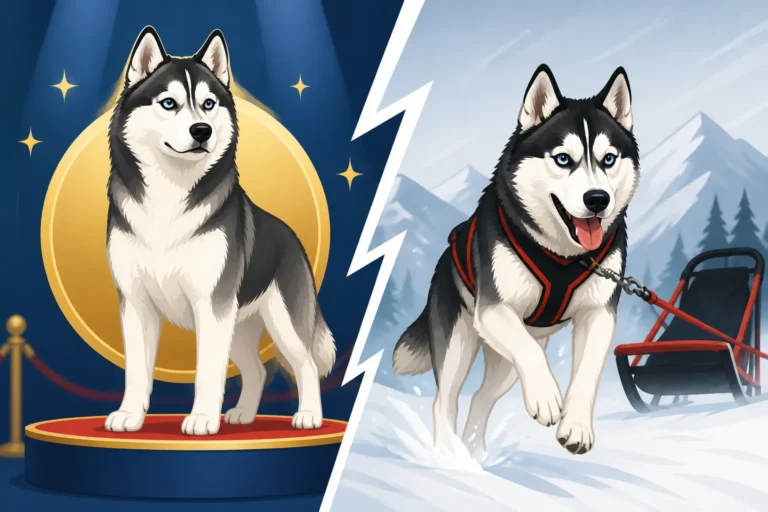
The legacy of the Siberian Husky continues to influence their roles today, even as many live far from the snowy trails of Alaska. While they remain champions of sled sports, their intelligence and athleticism are also being recognized in other areas, and their incredible temperament makes them wonderful, albeit demanding, family pets.
Continued Prowess in Sled Sports
Even in the 21st century, Siberian Huskies are still at the forefront of dog sledding and related sports. Competitive mushing, like the Iditarod, often features Alaskan Huskies (a mix bred for specific racing traits), but purebred Siberians still excel in mid-distance races and recreational mushing. Beyond traditional sledding, their instincts are perfectly suited for modern urban and suburban dog sports.
Think about canicross, where a dog pulls its human runner; bikejoring, where the dog pulls a bicycle; or skijoring, where they pull a skier. These activities are natural extensions of their original purpose, allowing them to use their powerful bodies and innate pulling drive. Equipping your Husky for these sports can be a rewarding experience, tapping into their heritage. Online retailers like Chewy offer a wide range of gear for these activities, from proper harnesses to durable lines, helping owners safely engage their dogs in what they were born to do. This ensures they get the physical and mental stimulation they desperately need, as explored in Giving a Siberian Husky a Job in Harness.
Search and Rescue and Service Work
With their keen senses, intelligence, and endurance, some Siberian Huskies can also find purpose in search and rescue operations. Their ability to cover vast terrain, navigate challenging environments, and maintain focus for extended periods makes them valuable assets in certain SAR disciplines. However, their independent nature and strong prey drive can sometimes pose challenges compared to breeds traditionally favored for these roles. They often require highly experienced handlers who understand how to motivate and direct a dog that thinks for itself.
While their independent streak might make them less common as traditional service dogs, some Huskies do excel in therapy work, offering comfort and companionship. Their friendly and gentle disposition towards people, especially when well-socialized, allows them to connect with individuals in hospitals, nursing homes, and schools. It's about finding the right dog with the right temperament and providing the specialized training necessary to channel their unique qualities into helpful service.
The Family Pet: Meeting Their Innate Needs
For the majority of Siberian Huskies today, their primary "job" is that of a family pet. However, it's crucial for prospective and current owners to understand that this isn't a passive role for the Husky. Their ancestral drives for running, exploring, and engaging with their environment are still very much alive, even when living in a suburban home. A Husky confined to a small yard with infrequent walks will quickly become a destructive, bored, and frustrated animal.
Meeting their needs means providing ample physical exercise, not just a casual stroll. It means mental stimulation through training, puzzle toys, and interactive play. It means secure containment to prevent escapes driven by their roaming instinct. When these needs are met, a Siberian Husky is an affectionate, playful, and loyal companion. When they aren't, you might find your furniture redecorated, your garden excavated, or your fence dismantled, all because your dog is trying to fulfill the purpose it was bred for, albeit in an inappropriate way.
Understanding the Instincts: What Their Breeding Means for Owners
The traits that made Siberian Huskies exceptional sled dogs are the same traits that can make them challenging pets if their owners aren't prepared. Understanding these deep-seated instincts is key to a harmonious life together.
The Drive to Run and Roam
The single most defining instinct in a Siberian Husky is their powerful drive to run, and run far. For generations, their survival, and the survival of the Chukchi people, depended on their ability to cover vast distances efficiently. This isn't just about physical exercise; it's a profound psychological need. A Husky sees an open space and its mind immediately thinks "destination." They are escape artists not out of malice, but because their inner compass is always pointing towards the horizon, seeking new territory to explore.
This instinct is Why a Siberian Husky Cannot Be Trusted Off Leash in an unsecured area. Their recall, even with the best training, is often secondary to the thrill of the chase or the allure of a new scent. They are simply doing what they were bred to do: exploring and covering ground. Fences need to be high and escape-proof, gates securely latched, and supervision constant. Many Huskies have been lost or injured because owners underestimated this innate drive to roam.
Independent Thinking and Problem Solving
Siberian Huskies are intelligent, but not in the way many people expect. They weren't bred to be eager-to-please, highly biddable dogs who hang on every command. Instead, they were bred to make decisions on their own, especially when out on the trail with a musher who might be out of sight or incapacitated. This independent thinking means they often weigh commands against their own perceived best interest, which can come across as stubbornness.
This problem-solving ability, combined with their independence, means they require consistent, positive reinforcement training that makes them want to cooperate. They are not dogs that respond well to heavy-handed or repetitive drill-like training. Keeping training sessions short, fun, and engaging is crucial. If a Husky sees a way to achieve what it wants, such as escaping a yard or opening a cupboard, it will often figure out how to do it. This intelligent self-reliance is part of their charm, but it's also a constant challenge for owners who prefer a dog that always obeys without question.
High Prey Drive and Pack Mentality
Another strong instinct is the Siberian Husky's high prey drive. Historically, these dogs would hunt small game when not pulling sleds, contributing to their own sustenance. This means that small, fast-moving animals—squirrels, rabbits, cats, and even smaller dogs—can trigger an intense chase response. This isn't aggression in the typical sense; it's a deeply ingrained hunting behavior.
Owners must be extremely vigilant, especially when encountering Siberian Husky Prey Drive Around Small Animals. Secure leashing, even with a strong harness from Chewy, is non-negotiable in environments where small animals might be present. Introducing a Husky to a multi-pet household, especially one with cats or small rodents, requires careful, patient, and often professional guidance. Alongside this, Huskies also thrive on social interaction, a reflection of their pack mentality both with other dogs and their human family. They generally do well with other dogs, provided they are properly socialized, and enjoy being part of a close-knit group.
Channeling Their Purpose: Providing a Fulfilling Life
Understanding the Siberian Husky's original purpose isn't just an interesting historical fact; it's a roadmap for providing them with a fulfilling and happy life in a modern home. It means actively channeling their innate drives into appropriate and safe outlets.
Exercise Beyond the Backyard
A common misconception is that a large backyard is enough for a Siberian Husky. It's not. A backyard, no matter how big, quickly becomes boring to a dog bred to cover miles and miles of varied terrain. They need structured, vigorous exercise that goes beyond simply letting them out to "potty." This means daily walks, runs, or engaging in sledding sports. For many, this means committing to at least an hour or two of dedicated, energetic activity every single day, often split into two sessions.
Activities like long-line walks in secure areas, running with their owner (canicross), biking (bikejoring), or hiking are excellent ways to burn off their boundless energy and satisfy their craving for movement. The goal isn't just to tire them out physically, but to engage their minds as they navigate different environments. Without this kind of outlet, that pent-up energy will manifest in destructive behaviors, whether it's chewing through furniture, digging up the yard, or frantic pacing. Siberian Husky Leash Work Against a Pulling Instinct becomes much easier when their core exercise needs are met.
Mental Stimulation and Training
Because Huskies are intelligent and independent, mental stimulation is just as important as physical exercise. A bored Husky is a destructive Husky. Training sessions, even short ones, can be incredibly enriching. They thrive on challenges and learning new things, especially if it's presented in a fun, rewarding way. Puzzle toys, scent work, obedience classes, or even just working on new tricks can keep their minds sharp and engaged.
Remember, they're problem-solvers. Provide them with appropriate "problems" to solve, like a KONG stuffed with frozen peanut butter or a snuffle mat, rather than letting them invent their own, less desirable ones. Consistent training, focusing on positive reinforcement and building a strong relationship, helps channel their intelligence. It teaches them appropriate behaviors and strengthens the bond with their human family, which is crucial for a dog that sometimes seems to be in its own world.
Safe Containment and Supervision
Given their innate drive to roam and their impressive escape artistry, secure containment is paramount for a Siberian Husky. This often means a fence that is at least six feet tall, preferably with an "L-footer" or buried wire to prevent digging underneath. Many Huskies can also clear fences with ease, so supervision, even in a securely fenced yard, is advisable. They can learn to open gates, so child-proof latches are often a necessity.
Indoors, secure crating can be an invaluable tool, especially for younger Huskies or those prone to separation anxiety. A sturdy, escape-proof crate from Chewy can provide a safe haven for your Husky and protect your home when you can't actively supervise them. Understanding that a loose Husky is a vulnerable Husky—prone to traffic accidents, fights with other animals, or simply getting lost—reinforces the importance of these containment measures. Their wandering instinct, a direct result of what they were bred to do, makes vigilant supervision a lifelong commitment.
Common Misconceptions and Reality Checks
The striking appearance of the Siberian Husky often leads to certain assumptions that, unfortunately, don't align with their true nature and can lead to significant problems for unprepared owners. Let's clear up some common misunderstandings.
Not Guard Dogs
Perhaps one of the biggest misconceptions about Siberian Huskies is that they will serve as guard dogs. With their wolf-like appearance, many people assume they are naturally protective and intimidating. The reality couldn't be further from the truth. As we discussed, the Chukchi people kept their dogs as valued family members and working partners, not as fierce guardians. Their temperament evolved to be friendly and adaptable to people, including strangers.
A typical Siberian Husky is more likely to greet an intruder with a happy wag of the tail and perhaps an invitation to play than to defend your home. They might alert you to a stranger's presence with a characteristic howl or "woo-woo," but this is more of an announcement than a protective bark. If you're looking for a dog to actively deter or guard, a Siberian Husky is absolutely not the right choice. Their gentle, sociable nature, while wonderful, simply isn't aligned with guarding instincts.
Shedding and Grooming Reality
Another area where reality often hits hard for new Husky owners is the sheer volume of fur they produce. Their magnificent double coat, a marvel of natural engineering designed to keep them warm in sub-zero temperatures and cool in moderate heat, is a blessing and a curse. It provides unparalleled protection from the elements, but it also means they shed—profusely. They "blow" their undercoat twice a year, typically in spring and fall, during which period the amount of fur they shed can be truly astounding.
During these "blows," you could easily fill grocery bags with their undercoat every day for weeks. This requires consistent, dedicated grooming to remove the dead hair and prevent matting. Even outside of these periods, regular brushing is essential. Owners often find themselves investing in powerful vacuums and deshedding tools just to keep up. Thinking about grooming tools? Chewy has a huge selection of undercoat rakes, slicker brushes, and high-velocity dryers that are indispensable for managing a Husky's coat. This is not a low-maintenance grooming breed, as anyone who has experienced Siberian Husky Coat Blow and the Six Weeks It Lasts can attest.
The "Wolf-Like" Appeal vs. True Temperament
The Siberian Husky's striking resemblance to a wolf is undeniable, and for many, this is a significant part of their appeal. The piercing eyes, erect ears, and wild coloration draw people in. However, it's crucial to understand that this physical similarity does not extend to their temperament or behavior. Siberian Huskies are domestic dogs, bred for thousands of years to work alongside humans. They are not wolves, nor are they "wolfdogs," and treating them as such is a disservice to the breed and potentially dangerous.
Their temperament is distinctly dog-like: playful, affectionate, curious, and often mischievous. While they possess an independent streak, it's rooted in their working history, not in a wild, untamed nature. Expecting wolf-like behavior or aggression based on appearance is a fundamental misunderstanding. Instead, embrace their unique blend of loyalty, clownishness, and spirited independence, understanding that these traits come from a long line of carefully bred, human-dependent working dogs, not from a direct lineage of wild canids.
Ensuring a Happy Husky: Practical Advice
Bringing a Siberian Husky into your life is a significant decision, and ensuring their happiness and well-being requires commitment, understanding, and consistent effort. Here's some practical advice to help you build a strong, fulfilling relationship with your Husky.
Early Socialization and Training
The foundation for a well-adjusted Siberian Husky begins in puppyhood. Early and extensive socialization is crucial to help them develop into confident, friendly adults. Expose them to a wide variety of sights, sounds, people, and other dogs in a positive and controlled manner. Puppy classes are an excellent way to start, teaching them good manners and reinforcing positive interactions.
Consistent, positive reinforcement training from a young age is also non-negotiable. Huskies are smart and pick up on cues quickly, but their independent nature means you need to make training engaging and rewarding for them. Short, fun sessions with high-value treats and plenty of praise will yield much better results than repetitive, drill-based methods. Focus on building a strong bond and mutual respect, which is key to navigating their often-independent streak.
Consistent Leadership
Siberian Huskies thrive with a confident, consistent leader. This doesn't mean being harsh or punitive; it means setting clear boundaries, enforcing rules kindly but firmly, and providing structure. Huskies, like many intelligent breeds, will test boundaries to see what they can get away with. If you are inconsistent, they will quickly learn to exploit the loopholes.
Establish routines for feeding, exercise, and training. Use positive reinforcement to reward desired behaviors and calmly redirect undesirable ones. A Husky who understands their place within the "pack" (your family) and trusts your leadership is much more likely to be a cooperative and well-behaved companion. Remember, they were bred to work with a musher, not simply for one, so a partnership built on trust and clear communication is vital.
Preparing for a Lifetime Commitment
Owning a Siberian Husky is not a short-term endeavor. They have an average lifespan of 12-14 years, meaning you are committing to a long-term relationship that will require significant time, energy, and financial resources. Before bringing a Husky home, honestly assess your lifestyle. Do you have the time for daily vigorous exercise? Is your living situation secure enough to prevent escapes? Are you prepared for the grooming demands? Can you afford potential vet bills and high-quality food (which can be purchased conveniently at Chewy, among other places)?
Unfortunately, many Huskies end up in shelters and rescues because owners were unprepared for their needs, as seen in Why So Many Siberian Huskies End Up in Rescue. This breed requires an owner who understands their unique history and is willing to embrace and channel their natural instincts. With the right commitment, a Siberian Husky can be an incredibly rewarding and loving member of your family, bringing joy, laughter, and a touch of the wild spirit of the Arctic into your home.
| Aspect of Breeding | Original Purpose (Chukchi / Racing) | Modern Manifestation (Pet) | Implications for Owners |
|---|---|---|---|
| Endurance & Speed | Pulling light loads long distances, racing | High energy, need for vigorous exercise | Daily runs, bikejoring, secure containment |
| Independent Mind | Decision-making on trail without musher | "Stubbornness," problem-solving | Requires consistent, positive training; mental stimulation |
| Prey Drive | Supplementing diet by hunting small game | Chasing small animals, risk to other pets | Leash discipline, secure yard, careful introductions |
| Pack Mentality | Working in teams, living with human families | Sociable with people & other dogs, aversion to isolation | Thrive in multi-dog homes, enjoy family interaction |
| Double Coat | Protection from extreme Arctic temperatures | Profuse shedding, year-round grooming | Requires dedicated brushing, deshedding tools |
| Efficiency | Sustained work on minimal calories | Prone to weight gain if overfed | Careful calorie management, quality food |
Disclaimer
This article is for general informational purposes only and does not constitute professional advice. Laws, prices and regulations vary by location and change over time. Consult a qualified professional for guidance on your specific situation.