Who Should and Should Not Own a Siberian Husky
It's easy to fall head over heels for the striking good looks of a Siberian Husky – those piercing eyes, the magnificent coat, and that undeniable wolf-like allure. But the truth is, beneath that beautiful exterior lies a complex, independent, and often challenging personality that isn't for everyone. This guide is here to give you a realistic, no-holds-barred look at what it truly takes to share your life with a Siberian Husky, helping you decide if this incredible breed is the right fit for your family and lifestyle.
Understanding the Siberian Husky Temperament
Let's start with the heart of the matter: their personality. Siberian Huskies are not your average "sit and stay" kind of dog. They're a breed steeped in history, bred for endurance and independence, and their temperament reflects that heritage in spades. If you're expecting a dog that lives to please you and follows your every command, you might be in for a surprise.
The Independent, Intelligent Nature
Huskies are incredibly intelligent, but this intelligence often manifests as problem-solving in ways that benefit them, not always in ways that you might prefer. They learn quickly, but they also get bored easily, and that boredom can lead to some truly creative (and often destructive) behaviors. They're not necessarily "stubborn" in a malicious way; it's more that their independent nature means they weigh what's in it for them before complying with a command. They were bred to run miles without direct human supervision, making their own decisions on the trail, and that drive for autonomy is still very much alive in the modern Husky. This means training requires immense patience, consistency, and a strong understanding of what motivates your particular dog. Why Siberian Huskies Look Stubborn Rather Than Slow delves deeper into this fascinating aspect of their intelligence.
The Social Pack Animal
Despite their independence, Siberian Huskies are incredibly social creatures. They thrive on companionship, whether it's with their human family or other dogs. A Husky left alone for long periods without adequate stimulation or company is often a recipe for disaster. This isn't a breed that’s content to simply lie on a dog bed all day while you're at work, only to be taken for a quick walk in the evening. They yearn for interaction, play, and to be a central part of family life. Many Husky owners find that having another dog, especially one with a similar energy level, can help fulfill some of their Husky's social needs, though it certainly doesn't replace human interaction.
The Non-Guard Dog Instinct
If you're looking for a dog to guard your home or sound the alarm at every stranger, the Siberian Husky is probably not the breed for you. Their friendly, outgoing nature extends to most people they meet, often including intruders! They're more likely to greet a stranger with a wagging tail and a happy sniff than a warning bark. While they might vocalize with their signature "woo-woos" or howls, this is rarely out of aggression or protectiveness in the way a true guard dog would behave. Why the Siberian Husky Is Not a Guard Dog explains this aspect of their temperament beautifully. They might make a lot of noise, but it's usually just their way of communicating, not a deterrent for potential threats.
The High Energy and Exercise Demands
This is perhaps the single most underestimated aspect of Siberian Husky ownership. These dogs were bred to pull sleds over vast distances in freezing conditions, and that innate drive for movement is deeply ingrained. If you cannot provide an outlet for this energy, both physical and mental, you will likely encounter significant behavioral issues.
Daily Exercise Requirements
A short walk around the block once a day simply isn't going to cut it for a Siberian Husky. We're talking about an absolute minimum of 1-2 hours of vigorous exercise daily, and for many, even more than that. This isn't just a leisurely stroll; it needs to be an activity that allows them to truly stretch their legs and burn off energy. Think long runs, intense games of fetch, or structured harness activities. Without this release, that pent-up energy will find its own (often destructive) outlets, like chewing furniture, digging craters in your yard, or developing anxiety-related behaviors. Owners often find that activities like canicross or bikejoring, which tap into their natural pulling instinct, are excellent ways to meet these needs.
The Need for Mental Stimulation
Physical exercise alone is often not enough. Huskies are smart, and their minds need to be challenged just as much as their bodies. Puzzle toys, obedience training, scent work, or even just regular training sessions where you teach new tricks can provide vital mental stimulation. A bored Husky is a destructive Husky, plain and simple. Imagine a brilliant, active child stuck in a room with no toys or books for hours on end; they'll find something to do, and it probably won't be what you want them to do! Regularly rotating toys, hiding treats for them to find, or even just engaging in varied play sessions can help keep their clever brains occupied.
Harness Work and the Pulling Instinct
Siberian Huskies were quite literally born to pull. It’s not just a behavior; it’s an instinct, and it's something many of them genuinely enjoy. Trying to train a Husky not to pull on a leash can feel like an uphill battle, because it goes against their very nature. Instead of fighting it, many owners embrace it by introducing them to harness sports like skijoring, canicross, or bikejoring. This gives them a legitimate "job" and a fantastic physical and mental outlet. It's a way to channel that powerful drive into a positive activity. Learning the difference between pulling in a proper harness for sport and walking politely on a leash in a front-clip harness or head halter is a critical skill for both you and your Husky. Teaching a Siberian Husky the Difference Between Pull and Walk offers great insights here.
Managing the Escape Artist and Roaming Instinct
Oh, the legendary Husky escape artist! This isn't a myth; it's a fundamental truth about the breed. Their innate roaming instinct, bred into them over generations to cover vast distances, means that a secure enclosure isn't just a suggestion—it's an absolute necessity.
The Fence Challenge
If you have a yard, it absolutely must be secure. We're not talking about a flimsy picket fence or an invisible fence (which we'll get to in a moment). Huskies are known for their ability to jump fences, climb chain link, and, perhaps most famously, dig under barriers. A standard six-foot fence is often the bare minimum, and even then, some determined Huskies can scale it. Many owners install "L-footers" along the bottom of fences, burying wire horizontally to prevent digging out. Gates must be secured with robust, Husky-proof latches, as these clever dogs have been known to figure out simple mechanisms. Stopping a Siberian Husky From Escaping the Yard details common challenges and solutions.
The Elusive Recall
This is a hard truth: very few Siberian Huskies can ever be reliably trusted off-leash outside of a securely fenced area. Their prey drive, combined with that powerful roaming instinct, means that once something catches their attention – a squirrel, a leaf, another dog in the distance – their instinct to chase and explore often overrides any training you've done. It's not that they don't love you; it's that the primal drive to run is simply stronger. Many owners spend years working on recall, only to find that in a high-distraction environment, it completely evaporates. For their safety, and the safety of wildlife and other pets, always assume your Husky needs to be on a leash or in a securely fenced space. Why a Siberian Husky Cannot Be Trusted Off Leash is a must-read for any potential owner.
Supervision and Containment
Beyond fences, constant vigilance is key. That split second you leave the door ajar, or turn your back in the park, could be all it takes for a Husky to be gone. They are masters of the quick dash. Some owners even invest in GPS trackers for their collars, recognizing that an escape is always a possibility. Crating can be an invaluable tool for containment and safety, especially when you can't actively supervise them, but even then, a determined Husky can bend bars or break out of less sturdy crates. Crates a Siberian Husky Cannot Break Out Of provides advice on choosing the right kind of crate.
Consider this table outlining common Husky escape methods:
| Escape Method | Description | Recommended Prevention |
|---|---|---|
| Jumping/Climbing | Huskies have incredible athleticism and can often clear fences that seem insurmountable. They can also use their paws to scale chain link or other climbable surfaces. | Minimum 6-foot solid privacy fence or smooth-surfaced fencing like vinyl. Consider coyote rollers along the top or inward-angled extensions for extra security. Regularly inspect fence lines for weak spots. |
| Digging | Driven by instinct to create dens or simply explore, Huskies are prodigious diggers. They can tunnel under fences surprisingly quickly, especially if the ground is soft or they find a weakness. | Bury wire or concrete barriers (L-footers) along the bottom perimeter of the fence, extending inwards. Place large rocks or pavers along the fence line. Consistently fill in any nascent digging attempts and provide alternative digging outlets (e.g., a sandbox in a designated area). |
| Door Dashing | Opportunistic and lightning-fast, a Husky will bolt through an open door or gate the moment a chance presents itself. They often watch for these opportunities, waiting for a distraction. | Implement strict "door manners" training from puppyhood. Always ensure a leash is on the dog before opening an exterior door if not in a secure area. Use double gates or a secure vestibule if possible. Be mindful of delivery drivers or guests who might not understand the risk. |
| Gate Latching | Some exceptionally clever Huskies learn how to manipulate simple gate latches. Their dexterity, especially with their mouths and paws, can be surprising. | Use heavy-duty, complex gate latches that require multiple steps to open (e.g., a carabiner clip through a secondary loop). Padlock gates when not actively in use. Never rely on a simple thumb latch. |
| Invisible Fences | These are generally ineffective for Huskies. The temporary discomfort of a shock or vibration often isn't enough to override their powerful drive to run and explore. Once they've learned they can blow through the barrier (taking the temporary unpleasantness), they may not respect it at all, and it offers no barrier to other animals entering your yard. | Do not rely on invisible fencing for a Siberian Husky. These systems are built on deterrence, which for a Husky, is often outweighed by their instinctual drive. They offer no physical barrier to keep other animals out of your yard or to stop a determined Husky from bolting past the boundary for an enticing scent or chase. |
Dealing with Prey Drive and Other Pets
Siberian Huskies possess a strong prey drive, a natural instinct honed by their ancestral role as hunters and working dogs in challenging environments. This is another crucial factor to consider, especially if you have other pets or live in an area with wildlife.
The Strong Hunting Instinct
That quick flash of fur, a darting squirrel, or a fluttering bird can instantly activate a Husky's prey drive. This instinct is incredibly powerful and, frankly, very difficult to train out. It’s part of who they are. What might seem like a fun chase to them can be a life-threatening situation for smaller animals. This means strict management is vital – leashes, secure fences, and constant supervision. Living in an area with abundant wildlife (deer, rabbits, even neighborhood cats) presents an ongoing challenge that requires a committed approach to containment and supervision. Siberian Husky Prey Drive Around Small Animals explains this drive in detail.
Introducing Huskies to Existing Pets
If you already have cats, small dogs, or other small household pets, introducing a Siberian Husky needs to be done with extreme caution, if at all. Some Huskies can learn to coexist with cats or smaller dogs, especially if raised with them from a young age with meticulous, supervised introductions and management. However, there's never a guarantee. A split-second lapse in judgment or a sudden movement can trigger that instinct, with potentially tragic results. It's often safer to assume that a Husky's prey drive will always be present and to manage your household accordingly, rather than hoping it will disappear. It's important to remember that even a well-socialized Husky might still view a quick-moving cat as something to chase.
Rural Living Considerations
For those living on farms or in rural areas with livestock, a Siberian Husky can be a genuine liability. Chickens, rabbits, goats, and even sheep can be seen as prey. This isn't a reflection of a "bad" dog; it's simply their ancient instinct at play. Secure fencing is even more critical in these environments, and you'll need to be hyper-vigilant about their whereabouts at all times. A Husky escaping into a neighbor's chicken coop can lead to heartbreak and significant financial and legal consequences. This makes them a challenging choice for homesteaders or those with mini-farms.
The Unique Grooming and Living Situation Needs
Beyond behavior and exercise, the Siberian Husky comes with specific physical care requirements and considerations for your home environment.
The Perpetual Shedding Machine
Prepare yourself for hair. Lots and lots of hair. Siberian Huskies have a dense double coat designed to protect them from extreme cold. This coat sheds year-round, but twice a year, they experience what's known as a "coat blow." During these 4-6 week periods, they shed their entire undercoat in massive quantities. You'll find tumbleweeds of fur in every corner of your house, on your clothes, and even in your food. Regular brushing is essential, sometimes daily during a coat blow, to manage this. Siberian Husky Coat Blow and the Six Weeks It Lasts provides an honest look at this phenomenon. Professional deshedding services can help, but they won't eliminate the need for diligent home grooming. Investing in a good vacuum cleaner and grooming tools like undercoat rakes and high-velocity dryers (for after baths) is non-negotiable. Many Husky owners find themselves ordering brushes and deshedding tools frequently from places like Chewy.
Adapting to Climate
While bred for cold climates, Huskies can adapt to warmer environments, but it requires significant effort and consideration on the owner's part. They are prone to overheating in hot weather, so strenuous exercise must be restricted to the coolest parts of the day (early morning or late evening). Access to shade, fresh water, and air conditioning is crucial during summer months. You absolutely must not shave a Husky's coat in an attempt to cool them down. Their double coat actually insulates them from both cold and heat, protecting their skin from sunburn and helping to regulate their body temperature. Shaving them can disrupt this natural system, leading to skin issues and actually making them more susceptible to overheating and sunburn. Why You Must Never Shave a Siberian Husky elaborates on this vital point.
Living Spaces and Destruction
Siberian Huskies are not generally apartment dogs unless you are incredibly dedicated to providing ample daily exercise and mental stimulation outside the home. Even then, their howling and general activity levels might be challenging for close neighbors. In a house, if their needs aren aren't met, they can be incredibly destructive. Chewing through drywall, scratching doors, digging up yards, and destroying furniture are all common Husky behaviors born out of boredom and excess energy. They need durable toys, a secure space, and consistent attention to prevent these issues. Consider your home a project that will need Husky-proofing, from durable flooring to reinforced gates.
Financial and Time Commitments
Owning any dog is a significant investment, but a Siberian Husky, with their specific needs, often comes with costs and time commitments that can surprise first-time owners.
Unexpected Costs of Ownership
Beyond the initial purchase price or adoption fee, Huskies come with ongoing expenses. Their high energy means they burn through toys quickly, requiring frequent replacements. Quality food is essential, though due to their efficient metabolism, they often eat less than you'd expect for their size. However, any specialized diets or supplements (like zinc, which some Huskies need due to a unique absorption issue) will add up. Vet bills can accumulate, especially if they are prone to escapes and related injuries, or if they develop breed-specific health issues like certain eye conditions. Grooming supplies or professional deshedding services are also regular expenses. Pet insurance is highly recommended, but ensure you understand what it covers, especially for breed-specific conditions like those affecting their eyes. The Yearly Cost of Owning a Siberian Husky paints a clearer picture of these expenses.
Time Investment in Training and Management
Training a Siberian Husky is an ongoing process, not a one-time event. Their independence means you'll need to be consistent, patient, and creative. You'll spend significant time on walks, runs, and training sessions every single day. If you plan to engage in harness sports, that's another time commitment. Managing their tendency to escape or their prey drive means constant vigilance and careful planning for every outing. This isn't a dog you can "set and forget." They thrive on interaction and routine, and providing that requires a substantial chunk of your daily life. Finding a trainer with specific experience with independent, high-drive breeds like Huskies can be a huge asset.
Finding the Right Support Systems
It takes a village to raise a Husky, or so it feels sometimes! Having a reliable network of support is crucial. This might include a veterinarian experienced with northern breeds, a professional groomer who understands double coats, a dog walker or sitter who can handle their energy and strength, or a local dog park with a robust, secure fence where they can run safely. Many Husky owners connect with breed-specific groups online or in person to share advice and resources. Organizations like breed rescues often provide invaluable support and education, even if you didn't adopt from them. When shopping for supplies, reputable online retailers like Chewy can be a great resource for everything from durable toys to specialized food and grooming tools.
Who Truly Thrives with a Siberian Husky
So, after all this, who is the ideal owner for one of these magnificent, challenging dogs? It's someone who understands their unique needs and is prepared to meet them head-on, with patience, humor, and unwavering dedication.
Active, Experienced Owners
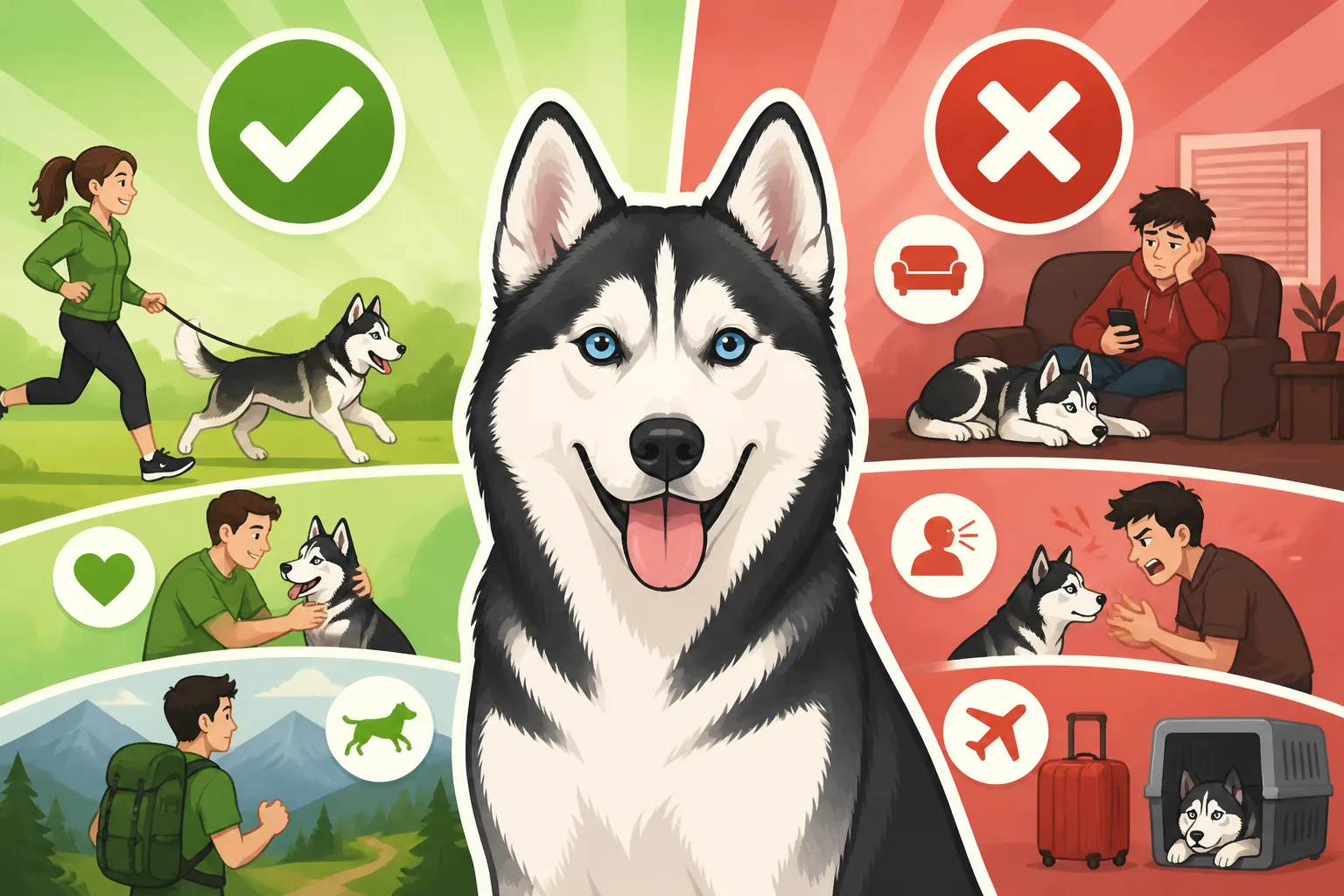
The best Husky owners are often highly active individuals or families who enjoy outdoor activities and are looking for a canine companion to join them. Runners, hikers, cyclists, or those interested in dog sports like canicross, bikejoring, or even sledding, will find a willing and enthusiastic partner in a Husky. Experience with strong, independent, and high-energy breeds is a huge plus, as it prepares you for the specific challenges a Husky presents. These aren't dogs for the faint of heart or those who prefer a quiet, sedentary lifestyle. Their energy needs are non-negotiable, and meeting them is key to a happy, well-adjusted Husky.
Dedicated, Patient Trainers
Successful Husky owners understand that training is a lifelong journey, not a destination. They are patient, consistent, and willing to adapt their methods to suit their Husky's independent nature. They use positive reinforcement, are creative with motivation, and understand that some Husky traits (like the roaming instinct or strong prey drive) can be managed but rarely eliminated. They view training as a way to build a strong bond and clear communication, rather than a battle of wills. Training an Independent Siberian Husky explores effective approaches for this breed.
Homes with Secure Environments
An ideal Husky home provides a securely fenced yard, or at the very least, easy access to large, safe, fenced areas for off-leash exercise. The owners are diligent about gate security, door manners, and never underestimate their Husky's ability to escape. They prioritize safety above all else, understanding that a loose Husky is at risk. For many, this means a yard with a six-foot privacy fence and an "L-footer" to prevent digging. They understand that even a moment of lax supervision can have serious consequences.
Who Should Reconsider a Siberian Husky
Just as important as knowing who should own a Husky is understanding who shouldn't. Being honest with yourself about your lifestyle, experience, and expectations can prevent a lot of heartache for both you and a potential dog.
First-Time Dog Owners
While every dog is an individual, the Siberian Husky is generally not recommended as a first dog. Their high energy, strong will, vocal nature, escape artistry, and challenging training needs can be overwhelming for someone new to dog ownership. A first-time owner might struggle with understanding how to provide adequate outlets for their energy or manage their independent streak, leading to frustration and behavioral problems. There are many wonderful, more forgiving breeds that are better suited for people new to the world of canine companionship.
Sedentary Lifestyles
If your idea of a perfect evening involves curling up on the couch after a long day at work, and your exercise routine is minimal, a Husky is probably not for you. These dogs are built to move, and they require a human partner who is equally committed to an active life. Without sufficient exercise, a Husky will become bored, destructive, anxious, and generally unhappy. They are not content to be couch potatoes unless they've had a solid run or activity first. You will be pulled into their world of movement, whether you like it or not, or your home will pay the price.
Apartment Dwellers Without Adequate Outlet
While it's possible for a highly dedicated apartment dweller to successfully own a Husky, it's a significant uphill battle. It means 100% of their exercise and mental stimulation must come from outside the apartment, daily, regardless of weather or your schedule. Their vocal nature (howling, talking) can be an issue with close neighbors, and their destructive potential in a small space when bored is immense. If you live in an apartment and work long hours, leaving a Husky alone all day is a recipe for disaster. It takes an exceptional commitment, often including dog walkers or daycare, to make apartment living work for this breed.
Ultimately, the decision to bring a Siberian Husky into your life should be made with eyes wide open and a realistic understanding of their unique demands. They are magnificent, loyal, and incredibly engaging companions for the right person, but they are not a breed to be chosen lightly. For those prepared to meet their needs, the bond with a Husky is unlike any other.
Disclaimer
This article is for general informational purposes only and does not constitute professional advice. Laws, prices and regulations vary by location and change over time. Consult a qualified professional for guidance on your specific situation.