Why an Oversized Siberian Husky Is Faulted
It's incredibly frustrating when you're trying to understand what makes a Siberian Husky truly a Siberian Husky, only to encounter conflicting information or see dogs that look "different" from what you expect. Sometimes, you'll come across a magnificent Husky, a bit larger than what the breed standard describes, and wonder why that extra impressive size might actually be considered a fault in the eyes of the breed enthusiasts and judges. This guide is here to unravel that mystery, explaining why the Siberian Husky's size is so carefully defined and what implications an oversized Husky can have for their health and function.
Understanding the Siberian Husky Breed Standard
Every purebred dog breed has a "standard" – a detailed description of the ideal dog of that breed, encompassing everything from temperament and coat color to eye shape and, yes, size. For the Siberian Husky, this standard is a blueprint designed to preserve the unique qualities that made this breed so special in its original role.
The Purpose of a Breed Standard
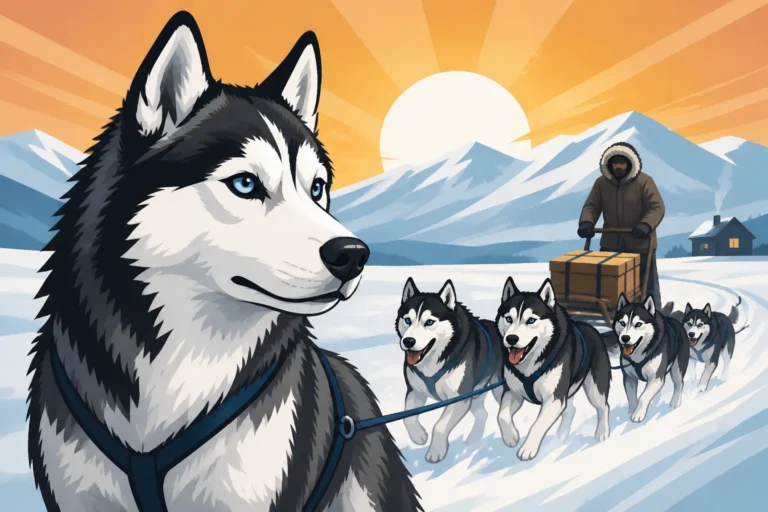
Think of the breed standard as the historical document that keeps the essence of the Siberian Husky alive. It's not just about aesthetics; it's profoundly about function and preserving the breed's heritage. The Chukchi people of northeastern Siberia, who developed these dogs, needed canines capable of pulling light loads swiftly over vast distances in extreme cold. Every physical trait, including size, was honed for this specific, demanding job. The American Kennel Club (AKC) and other kennel clubs maintain these standards to guide breeders, ensuring that future generations of Huskies retain the characteristics that define the breed and allow them to perform their historical duties, even if those duties are now mostly recreational or just living life as a beloved family pet. It prevents the breed from drifting too far from its roots, protecting its integrity and unique qualities.
Siberian Husky Height and Weight Guidelines
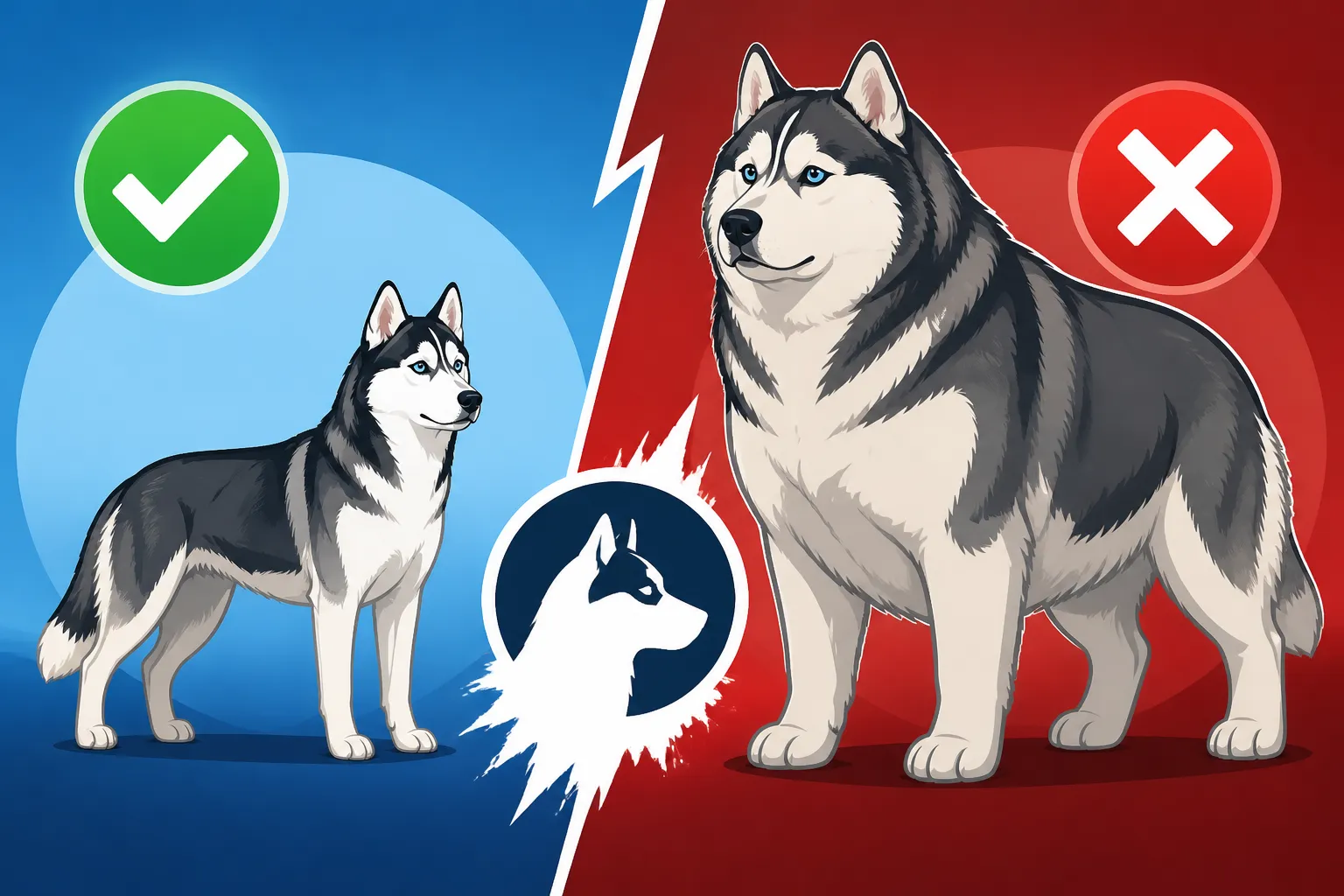
The Siberian Husky standard specifies a distinct range for both height and weight, differentiating between males and females. These aren't just arbitrary numbers pulled from a hat; they reflect the optimal physical build for a dog designed for endurance and speed, not brute strength. Generally, male Huskies are expected to be taller and heavier than females, but both sexes fall within a moderate range. If you picture a very large, imposing dog, you're likely thinking of a different Northern breed, like the Alaskan Malamute, which was bred for pulling heavy loads slowly, and therefore has a much heavier build.
The standard aims for a balance: a dog that is sturdy enough to withstand the rigors of arctic travel but light enough to be efficient. Too much weight means more energy expenditure, more strain on joints, and less speed. Too little weight might mean a lack of stamina or robust health. It's a precise balance, honed by centuries of selection for a very specific purpose. When breeders are evaluating a dog, they're looking for that sweet spot, the conformation that shouts "Siberian Husky" in every line and measurement. You can often find detailed charts from reputable sources, even places like Chewy, describing typical breed sizes, but for the precise standard, it's best to consult the national breed club or the AKC.
Faults and Disqualifications in the Show Ring
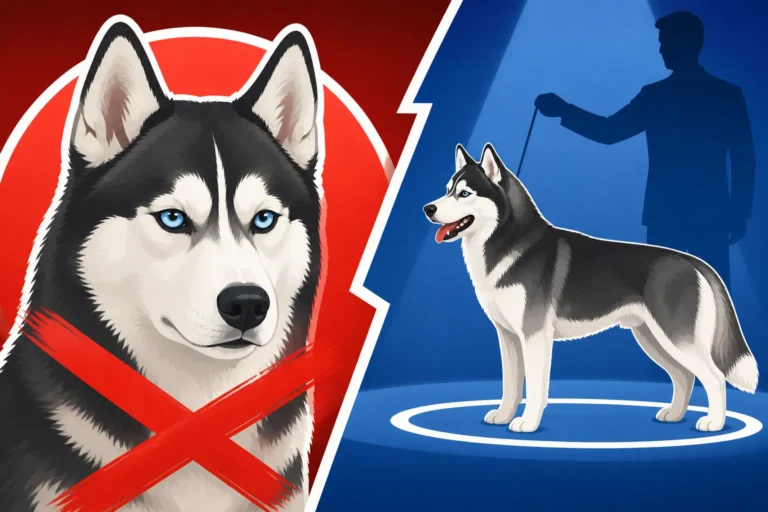
Within the breed standard, there are specific characteristics that are considered "faults" and others that are "disqualifications." An oversized Siberian Husky falls into the category of a "fault." This means that while the dog might still be a perfectly healthy, wonderful companion, it deviates from the ideal set forth in the standard, and therefore would not be considered top-tier in a conformation show ring. A fault implies a departure from the ideal, making the dog less competitive.
A "disqualification," on the other hand, is a much more severe deviation. It means the dog cannot be shown or compete in conformation events at all. Examples of disqualifying faults often include aggressive or overly shy temperaments, certain bite issues, or incorrect ear sets. While an oversized Husky won't be disqualified outright from showing for its size alone (unless it's an extreme deviation beyond the defined range, which can sometimes be a disqualification in certain breeds), it will certainly be penalized, making it much harder to win. This is why breeders committed to the standard meticulously track the growth and size of their puppies, aiming for that ideal range, not just for the show ring, but for the health and functional integrity of the breed.
Why Oversize Matters for Function and Health
The Siberian Husky's moderate size isn't just a quaint tradition; it's fundamentally tied to its historical job and overall well-being. When we talk about an oversized Husky, we're not just discussing aesthetics; we're delving into issues that can impact their entire life.
Historical Context: Efficiency and Endurance
The original function of the Siberian Husky was to pull light loads over incredibly long distances at a swift pace, often with minimal food. The Chukchi people relied on these dogs for survival, and efficiency was paramount. A smaller, lighter dog consumes less food, puts less strain on its body, and can maintain speed and stamina far longer than a larger, heavier animal when pulling the same load. Imagine a marathon runner: they are typically lean and built for endurance, not a bulky weightlifter. It's the same principle for the Husky.
An oversized Husky would be less efficient in this traditional role. It would require more calories to fuel its larger body, making it harder to sustain during long journeys where food might be scarce. The extra weight would also lead to increased energy expenditure and faster fatigue. This historical imperative for efficiency is deeply ingrained in the breed's genetic blueprint, and it's why the standard remains so steadfast on moderate size. The ideal Husky is a marvel of efficiency, built to move with grace and power without unnecessary bulk. What the Chukchi Bred the Siberian Husky For truly emphasized this need for lean, efficient dogs.
Impact on Structure and Movement
An oversized Siberian Husky often means a dog with more bone and muscle mass than the standard calls for, which can fundamentally alter its structure and movement. The breed standard describes a gait that is "smooth and effortless," with a characteristic "light and elastic" quality. This kind of movement is achieved with a specific bone structure and musculature that is well-suited to their moderate size.
When a Husky is oversized, this extra weight can put undue stress on its joints, particularly the hips and elbows. While Siberian Huskies are generally known for their relatively low rates of hip dysplasia compared to some other medium-to-large breeds, an oversized frame can increase the risk of orthopedic issues or exacerbate any predispositions. Siberian Husky Hips and Why the Rate Is Low outlines why this is usually a strong point for the breed. The joints simply weren't designed to carry that additional load over a lifetime of activity. This can lead to earlier onset of arthritis, discomfort, and a diminished ability to enjoy the active lifestyle that is so crucial to a Husky's happiness. Their natural, efficient stride can become heavier, less fluid, and ultimately, less enduring.
Metabolism and Energy Needs
Siberian Huskies are famous for their incredibly efficient metabolisms. This is another gift from their ancestors, who had to survive on sparse rations in harsh conditions. They are known to be able to do a lot of work on surprisingly little food compared to other breeds of similar size. This efficient metabolism is perfectly suited to their standard, moderate build.
However, an oversized Siberian Husky will naturally require more calories to maintain its larger body mass. Even with that efficient Husky metabolism, more dog means more fuel. This isn't just an extra line on your Chewy order; it means a dog that might gain weight more easily if not managed carefully, or one that could struggle to maintain condition if their larger energy needs aren't met. It also runs counter to the historical advantage of being able to subsist on less. Overweight dogs, regardless of breed, face a myriad of health problems, from diabetes to joint issues, and an oversized Husky, if not managed with an acute awareness of their unique metabolic needs, could be more prone to these challenges.
The Perils of Breeding for "Bigger is Better"
The desire for a larger, more imposing dog is understandable for some people, but when applied to a breed like the Siberian Husky, it can lead to unfortunate breeding practices and significant health risks. The idea that "bigger is better" often stems from a misunderstanding of a breed's history and purpose.
Misguided Breeding Practices
Unfortunately, some individuals new to breeding, or those operating as "backyard breeders," might intentionally breed for larger size, believing it makes their puppies more appealing or valuable. They might market these oversized dogs as "Giant Huskies" or "King Huskies," playing on the novelty of a bigger dog. However, these practices typically disregard the carefully crafted breed standard and often overlook critical aspects of health and temperament.
Reputable breeders select for traits that align with the standard: health, temperament, and correct conformation for the breed's historical function. They conduct health clearances, understand genetics, and strive to improve the breed, not alter it based on fleeting trends. Breeders focused on size over standard often do not perform proper health testing for conditions like Siberian Husky Eye Disease and the Annual Exam or orthopedic issues, which are vital for responsible breeding. The drive to create an oversized Husky often results in dogs that deviate significantly from the sound, athletic, and healthy blueprint the breed standard provides.
Health Risks Associated with Oversize
The inherent problem with breeding for an oversized Siberian Husky is that it can directly compromise the animal's health. The musculoskeletal system of a Husky, while robust, is designed to support a specific range of size and weight. When you exceed those parameters, you invite a host of potential issues.
Larger, heavier dogs generally have a higher incidence of orthopedic problems. This includes conditions like hip and elbow dysplasia, which, as mentioned, are less common in standard-sized Huskies but become a greater risk with increased mass. The extra weight places more strain on joints, cartilage, and ligaments, leading to accelerated wear and tear, pain, and potentially crippling arthritis at a younger age. Cardiac strain can also be a concern; a larger body requires the heart to work harder to pump blood, potentially leading to increased risk of heart conditions over the dog's lifespan. Furthermore, larger dogs often have a shorter overall lifespan compared to their standard-sized counterparts. While Siberian Huskies generally Why Siberian Huskies Outlive Most Medium Breeds, an oversized individual might not enjoy the same longevity due to the added stress on their body. This is a primary reason why an oversized Siberian Husky is faulted: it's not just about looks, it's about their long-term well-being and quality of life.
Faults That Often Co-Occur with Oversize
It's not uncommon to find that when a breeder strays from the standard to produce an oversized Husky, other conformational faults can also appear. One notable example is the "wooly" coat. While not directly related to size, wooly coats are also a fault in the Siberian Husky standard and sometimes appear in lines that deviate from sound breeding practices. A wooly coat is too long and soft, lacking the harsh guard hairs and dense undercoat that provide proper insulation and protection. Wooly Coated Siberian Huskies explains why this is undesirable.
Another subtle but important fault can be in the overall balance and proportion of the dog. The standard calls for a body that is slightly longer than it is tall, giving the Husky its distinctive athletic profile. An oversized dog might have disproportionately long legs, an overly thick body, or a heavy, coarse head that doesn't fit the elegant yet powerful image of the breed. These subtle changes, when accumulated, lead to a dog that looks and moves less like a true Siberian Husky, and more like a generic large dog. This lack of breed-specific type is why serious enthusiasts and judges will penalize an oversized dog.
What to Look for in a Well-Bred Siberian Husky
Choosing a Siberian Husky is a significant commitment, and understanding the breed standard helps you make an informed decision, especially when it comes to prioritizing health and longevity over superficial characteristics.
Prioritizing Health and Temperament Above All
When seeking a Siberian Husky, whether for a family pet or a working companion, health and temperament should always be your top priorities, far outweighing any specific aesthetic preference for size or color. A well-adjusted, healthy Husky, even if it has a minor cosmetic fault, will bring you years more joy than a dog bred solely for its looks or exaggerated size, especially if that breeding compromises its well-being. Look for a dog that is bright, alert, friendly, and curious – the hallmark traits of the breed.
A dog with a sound mind and body is the most valuable companion. This means a Husky that is free from debilitating genetic diseases, has a robust immune system, and possesses the characteristic friendly and outgoing nature. Responsible breeders understand this and will make these factors their primary focus. They'll also be transparent about the potential challenges of owning a Husky, like their strong prey drive and wanderlust, ensuring you're truly ready for the commitment. Who Should and Should Not Own a Siberian Husky goes into great detail about this.
Finding Reputable Breeders Who Adhere to the Standard
Finding a reputable breeder is perhaps the most crucial step in bringing a healthy Siberian Husky into your home. A reputable breeder is someone who not only knows the breed standard inside and out but also actively works to uphold it through careful selection and genetic testing. They will be registered with recognized kennel clubs (like the AKC in the US) and participate in breed-specific health programs.
When you contact a breeder, ask about their health testing protocols. For Siberian Huskies, this typically includes screening for certain eye diseases and sometimes hip evaluations, though hip dysplasia is less prevalent in the breed. A good breeder will be eager to share certificates from organizations like the Orthopedic Foundation for Animals (OFA) or the Canine Eye Registration Foundation (CERF), demonstrating that the parents have been screened. They will also be transparent about their breeding philosophy and may even quiz you to ensure a Husky is the right fit for your lifestyle. They prioritize the long-term health and well-being of their puppies over quick sales or superficial traits like producing "extra large" dogs. Health Testing Before You Buy a Siberian Husky can offer more insights into the necessary checks.
Understanding Your Pet's Needs Regardless of Size
Even if you end up with a Siberian Husky that is technically "oversized" but otherwise healthy and well-tempered, it can still be an incredible companion. Many wonderful Huskies who live full, happy lives may fall outside the precise height and weight guidelines. The key is understanding their individual needs and adjusting your care accordingly.
For an oversized Husky, pay extra attention to joint health. Provide a high-quality diet that supports bone and joint strength – you can find excellent formulations from trusted brands like Chewy. Ensure they get appropriate exercise that builds muscle without excessively stressing their joints. Avoid high-impact activities on hard surfaces, especially during their growth phases. Regular veterinary check-ups are always important, but perhaps even more so for a larger Husky, to monitor for any signs of orthopedic issues. Remember, every dog is an individual. While the breed standard guides us toward the ideal, a loving home and attentive care can help any Husky, regardless of a slight deviation in size, thrive. Providing mental stimulation with puzzle toys from Chewy can also help keep them engaged without always needing high-impact physical exertion.
Here's a quick comparison of the general expectations for Siberian Husky size:
| Characteristic | Standard Male Siberian Husky | Standard Female Siberian Husky | Oversized Siberian Husky (Male/Female) |
|---|---|---|---|
| Height | Moderately tall | Slightly shorter | Noticeably taller than breed range |
| Weight | Moderate, muscular | Lighter, agile | Significantly heavier than breed range |
| Build | Athletic, balanced | Lean, graceful | Often appears bulkier, heavier boned |
| Movement | Effortless, light | Smooth, fluid | Can be heavier, less efficient |
| Energy Needs | Efficient, moderate | Efficient, moderate | Higher caloric requirement, less efficient |
| Joint Health | Generally good, low risk | Generally good, low risk | Increased potential for joint stress |
| Show Ring | Highly competitive | Highly competitive | Penalized, less competitive |
Ultimately, owning a Siberian Husky is about embracing their unique spirit, intelligence, and athleticism. While the breed standard provides a framework for preserving these qualities, the true measure of a Husky's worth lies in its health, temperament, and the joy it brings to its family, regardless of whether it perfectly fits every single measurement on a chart.
Disclaimer
This article is for general informational purposes only and does not constitute professional advice. Laws, prices and regulations vary by location and change over time. Consult a qualified professional for guidance on your specific situation.