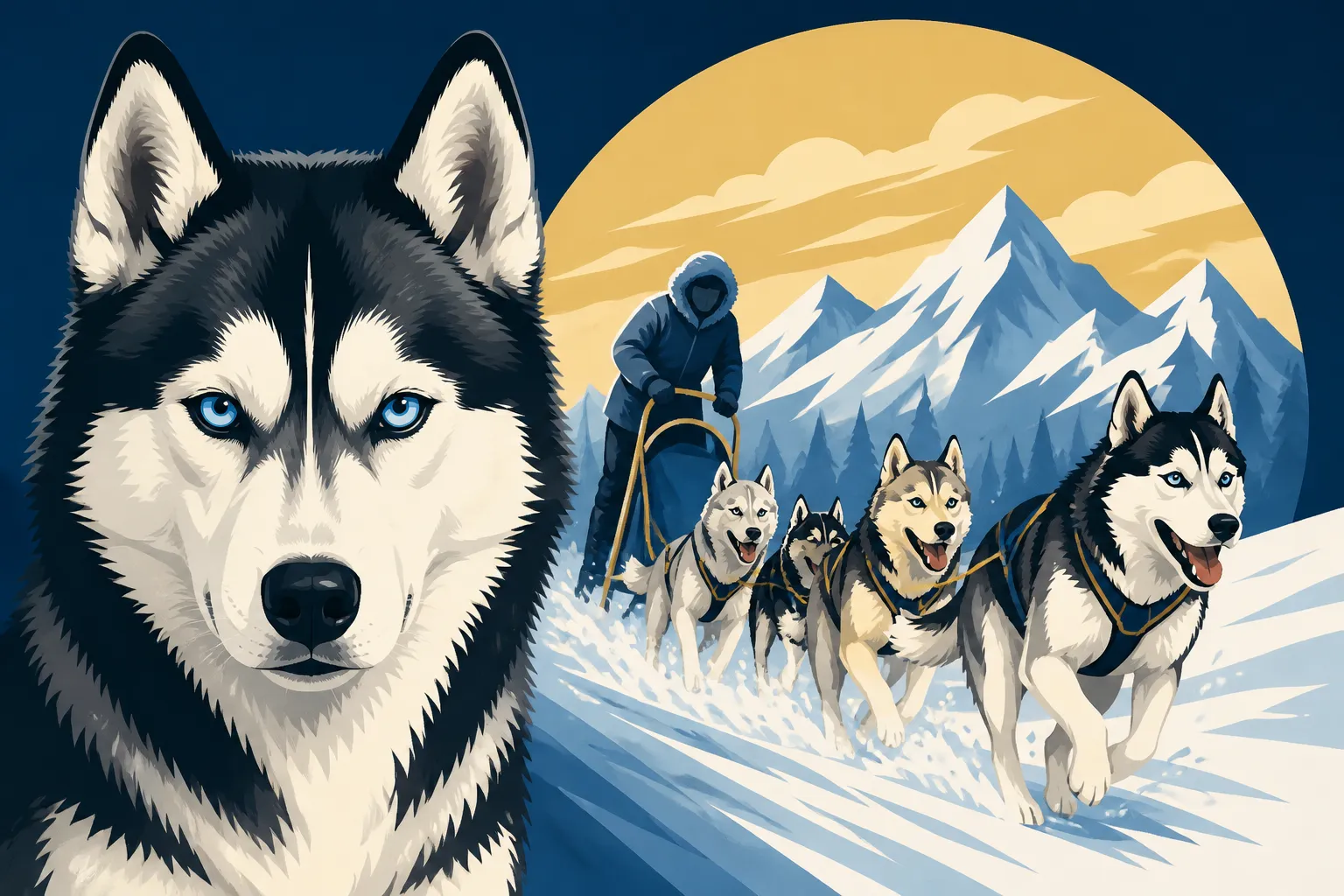
The 1909 Sweepstakes Team Called Siberian Rats
It’s easy to look at a majestic Siberian Husky today and imagine them always being revered, but their introduction to the American mushing scene was far from glamorous. In fact, many people don't realize that these dogs, now celebrated for their speed and endurance, were initially ridiculed as "Siberian Rats" when they first arrived to compete in the brutal All-Alaska Sweepstakes. This guide will take you back to 1909 and uncover the fascinating story behind that derisive nickname, exploring how these remarkable dogs utterly transformed the world of sled dog racing.
The Arrival of the "Siberian Rats" in Nome
The turn of the 20th century in Alaska was a wild and rugged time, especially in places like Nome, a bustling hub born from the gold rush. Dog sledding wasn't just a sport; it was a fundamental mode of transportation, a lifeline, and a source of immense pride. The dogs used were typically large, powerful Alaskan Malamutes or various local crossbreeds, built for hauling heavy loads through deep snow and harsh conditions. They were powerful, imposing animals, and their handlers valued their brawn and stamina above all else.
How a Few Pups Changed the Game
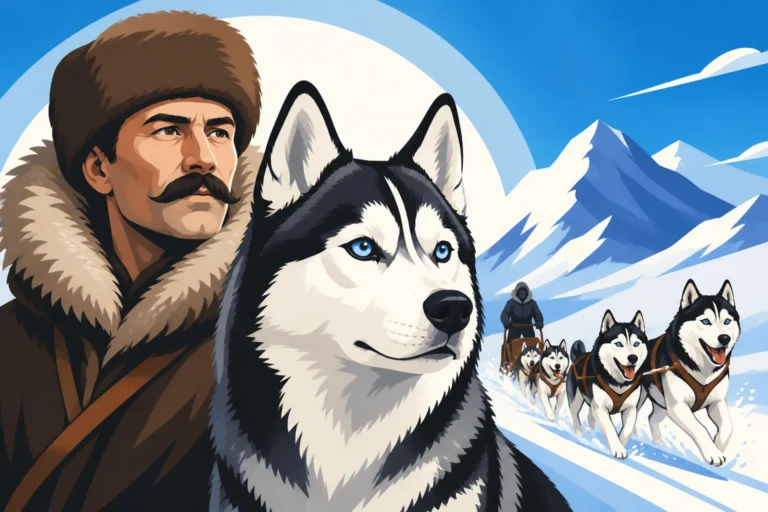
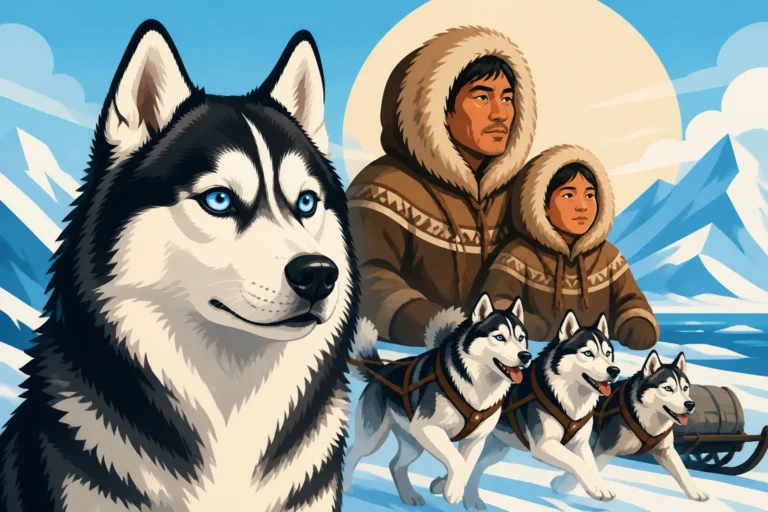
Into this established world stepped Charles Fox Maule Ramsay, a Scottish prospector and entrepreneur with an unusual idea. He had heard about a different type of sled dog, smaller and faster, used by the Chukchi people in Siberia. These were the ancestors of our modern Siberian Huskies, developed over centuries to pull light loads quickly over vast distances. Ramsay, despite skepticism from the local mushing community, decided to import a team of these dogs for the upcoming 1909 All-Alaska Sweepstakes. He dispatched a representative to Siberia, who returned with a team of dogs that, to the eyes of the Alaskan locals, looked rather small and unimpressive compared to their own sturdy freight-pulling beasts.
Imagine the scene: a new team of dogs, smaller, finer-boned, and looking almost dainty next to the burly Malamutes. The Alaskans were used to seeing dogs that looked like they could pull a small house, not these seemingly undersized newcomers. It’s hard to overstate the cultural shock these dogs represented. They didn't fit the mold, literally or figuratively, of what a "real" sled dog was supposed to be in Alaska at that time.
The Derogatory Nickname and Its Origin
It didn't take long for the local mushers and spectators to dub Ramsay's new team the "Siberian Rats." The nickname was born out of a mix of contempt, disbelief, and perhaps a touch of xenophobia. They were small, foreign, and certainly didn't look like the powerful dogs everyone knew and respected. The term "rat" was meant to imply weakness, insignificance, and a lack of the necessary heft for the grueling 408-mile sweepstakes race from Nome to Candle and back.
This wasn't just playful banter; it was a genuine dismissal of the dogs' capabilities. People openly scoffed, convinced these small, swift animals would never endure the brutal Alaskan wilderness, let alone compete against the larger, more powerful local dogs. The common wisdom held that bigger was better when it came to pulling power and survival in the Arctic. The idea that these sleek, elegant animals could somehow outperform the established giants of the trail seemed utterly preposterous to many. This initial prejudice highlights a very human tendency to resist anything that challenges the status quo, especially when it comes to tradition and ingrained beliefs about what works.
The State of Sled Dog Racing Before Their Arrival
Prior to the arrival of the "Siberian Rats," the All-Alaska Sweepstakes was dominated by formidable, heavy-boned dogs. These were often a mix of indigenous breeds, most notably the Alaskan Malamute, combined with various other large, hardy breeds deemed suitable for endurance and strength. The emphasis was on sheer power and ruggedness, capable of breaking trail through deep snow and battling fierce winds. The races were less about lightning speed and more about relentless, unwavering forward motion.
Think of the conditions: hundreds of miles across frozen tundra, often in sub-zero temperatures, with drivers battling exhaustion, frostbite, and fierce blizzards. A dog's ability to pull consistently, day after day, was paramount. There was a certain machismo associated with the larger dogs – they looked the part, they embodied the raw power of the Alaskan wilderness. When Ramsay's slight "Siberian Rats" appeared, they challenged this entire paradigm, forcing a re-evaluation of what a champion sled dog could, and indeed should, be. It was a fascinating moment where tradition clashed head-on with innovation, albeit innovation brought from a distant land. The Chukchi Origins of the Siberian Husky delves deeper into the long history of these dogs before they ever reached Alaska.
The 1909 All-Alaska Sweepstakes and Their Performance
The stage was set for the 1909 All-Alaska Sweepstakes, a race that would forever change the perception of sled dogs in North America. The atmosphere must have been electric, with seasoned mushers, prospectors, and townspeople all gathered, many eager to see the "Siberian Rats" fail spectacularly.
John Johnson and the First Race
Charles Fox Maule Ramsay's team, led by musher John Johnson, was ready for the challenge. Johnson, an experienced hand, knew the trails and understood the grueling nature of the 408-mile journey. As the race began, the betting odds were heavily stacked against the smaller dogs. Spectators and fellow competitors likely watched with a mixture of amusement and pity as the "Siberian Rats" took off. But something surprising happened. While they didn't win that inaugural race (finishing third, a respectable placement), their performance was far from the disaster many predicted. They demonstrated incredible speed and an almost unbelievable stamina for their size, holding their own against much larger teams.
Johnson’s handling of the team was critical. He understood their unique capabilities – their lighter build allowed for quicker strides and less energy expenditure over long distances compared to the heavy-pulling local dogs. He managed their pace expertly, knowing when to push and when to conserve their energy. This strategic approach, combined with the inherent athletic prowess of the Siberian Huskies, allowed them to shatter preconceived notions about what a sled dog should be. Their strong showing immediately raised eyebrows and started conversations that would fundamentally shift dog sledding strategy. How Siberian Huskies Reached Alaska in 1908 provides more context on their journey to Nome.
Proving Doubters Wrong
Finishing third in a field dominated by bigger, more "traditional" dogs was a monumental achievement for Ramsay’s team. It was a clear, undeniable demonstration that these so-called "Siberian Rats" were not just capable, but highly competitive. The initial laughter and scorn quickly turned to murmurs of surprise, then to outright admiration. They didn't just participate; they proved their mettle on one of the toughest racecourses in the world.
This impressive showing was a wake-up call. It highlighted that speed and efficiency could be just as, if not more, valuable than sheer brute strength over long distances. The smaller dogs might have struggled to pull truly heavy loads, but for racing, their combination of speed and endurance was revolutionary. It showed that the careful breeding practices of the Chukchi people, focusing on efficiency and stamina, had produced a truly exceptional athlete. You can imagine the post-race discussions, the mushers rethinking their entire approach to team composition and training. The tables were beginning to turn.
The Impact on Future Races and Leonhard Seppala
The 1909 race was just the beginning. The Siberian Huskies had shown a glimpse of their potential, and it didn't take long for shrewd mushers to recognize their value. The most famous among them, of course, was Leonhard Seppala. Inspired by their performance, Seppala began acquiring and breeding these dogs, understanding that their agility and endurance were exactly what was needed for the rigorous demands of competitive mushing. Leonhard Seppala and His Siberian Huskies is a story for another time, but his future success was built directly on the foundation laid by Ramsay's pioneering team.
The shift was palpable. Suddenly, other mushers wanted "Siberian Rats" of their own. The desire for purebred Siberian Huskies soared, transforming them from ridiculed underdogs into highly coveted athletes. The All-Alaska Sweepstakes, from that point on, became a proving ground for the breed, ultimately leading to their widespread adoption and dominance in sled dog racing for decades to come. This initial race was the inflection point, moving from skepticism to a wholesale embrace of the breed's unique capabilities. It also taught the mushing world that sometimes, the greatest strength lies not in size, but in heart and endurance.
Legacy and Lasting Influence of the "Siberian Rats"
The story of the "Siberian Rats" is more than just a historical anecdote; it's the genesis of the Siberian Husky's enduring legacy in North America. That single race, and the courage of the team to compete despite the ridicule, etched their place in history.
From Underdogs to Champions
The derogatory nickname faded as the breed's reputation grew. What started as "Siberian Rats" quickly evolved into "Siberian Huskies," a name now synonymous with grace, strength, and unwavering spirit. This transformation from mockery to respect wasn't instant, but it was inevitable once their capabilities were repeatedly demonstrated. Subsequent sweepstakes races saw Siberian Husky teams, often led by the legendary Leonhard Seppala, consistently placing at the top, if not outright winning. They proved that their smaller stature was an asset, not a liability, allowing them to maintain incredible speeds over vast distances.
The very traits that led to the "rat" nickname – their lean build and seemingly delicate appearance – turned out to be the key to their success in fast-paced distance racing. Their efficient metabolisms and dense double coats allowed them to thrive in the harsh Arctic without needing the sheer bulk of the freighting dogs. What a Siberian Husky Was Bred to Do expands on these unique characteristics. This pivot in perception cemented their place as elite working dogs, revered for their specific talents rather than being judged against an inappropriate standard.
The Foundation for the Modern Siberian Husky
The dogs brought by Ramsay, and those that followed, formed the genetic bedrock of the Siberian Husky breed in North America. Without that initial, brave foray into the 1909 Sweepstakes, the breed might never have gained the traction and recognition it needed to flourish outside of Siberia. The attention they garnered directly led to further imports, careful breeding programs, and eventually, the establishment of the breed standard.
Today, when you see a Siberian Husky, whether it’s a show dog or a beloved family pet, you're seeing a direct descendant of those resilient "Siberian Rats." Their lineage is rich with the history of challenging expectations and proving their worth against all odds. Modern breeders continue to honor these foundational lines, striving to maintain the athleticism, temperament, and health that made those early dogs so remarkable. While it's easy to order specialized food for your Husky from a retailer like Chewy today, the early mushers had to rely on whatever provisions they could find, making the Huskies' ability to thrive on minimal rations even more impressive. Feeding a Siberian Husky on 60 Percent of the Label highlights their efficient metabolism.
What We Learn from Their Story
The story of the "Siberian Rats" offers more than just a historical account; it provides valuable insights into the true nature of the Siberian Husky. It teaches us about their incredible resilience, their astonishing endurance, and their capacity to exceed expectations. It's a testament to the fact that appearance can be deceiving, and that true strength often comes in unexpected packages. These dogs weren't just fast; they were smart, adaptable, and possessed an indomitable spirit.
| Characteristic | Pre-1909 Alaskan Sled Dogs (e.g., Malamutes) | Siberian Huskies ("Siberian Rats") |
|---|---|---|
| Size/Build | Large, heavy-boned, powerful | Medium, lighter-boned, agile |
| Primary Strength | Heavy freight hauling, brute force | Speed, endurance, efficient pulling |
| Initial Perception | Respected, traditional, dominant | Small, foreign, weak, "rats" |
| Race Performance | Consistent, strong but slower | Surprisingly fast, high stamina |
| Legacy | Essential for freight, some racing | Revolutionized racing, defined speed |
This history also underscores the Siberian Husky Temperament and What the Standard Says – an independent spirit, a keen intelligence, and a drive to run that defined their original purpose. Their ability to work tirelessly in extreme conditions is part of their DNA. Understanding their journey from being dismissed as "rats" to becoming celebrated champions helps us appreciate the depth of this incredible breed and why they continue to capture our hearts with their spirit and athleticism today. They truly embody the phrase "never judge a book by its cover."
Disclaimer
This article is for general informational purposes only and does not constitute professional advice. Laws, prices and regulations vary by location and change over time. Consult a qualified professional for guidance on your specific situation.