How Siberian Huskies Won the All-Alaska Sweepstakes
Many folks get captivated by the Siberian Husky's stunning looks and independent spirit, but they often don't realize the incredible athletic history that cemented this breed's place in American hearts. If you've ever wondered how these dogs went from unknown imports to legends of the Alaskan trail, this guide will walk you through the thrilling story of their triumphs in the grueling All-Alaska Sweepstakes races.
The Dawn of Sled Racing in Alaska: Before the Siberians Arrived
Before the sleek, smaller Siberian Huskies made their dramatic entrance, Alaskan sled dog racing was largely dominated by larger, heavier freighting dogs. These were robust, powerful animals, often a mix of local native dogs and imported breeds like Saint Bernards and Newfoundlands, chosen for their sheer strength and endurance over long, hard trails. Imagine a team of these brawny dogs, muscling through deep snow, pulling heavy loads, and sometimes even their human companions, for hundreds of miles across the unforgiving Alaskan wilderness.
The Original Alaskan Racing Dogs and Their Style
The dogs of choice for early Alaskan racing were built for raw power. They were formidable animals, capable of pulling immense weight through drifts and over frozen terrain. Their owners and handlers valued their bulk and resilience. Races were often seen as tests of brute strength, with teams pushing forward steadily, relying on their sheer physical presence to conquer the challenging conditions. This was a slow and steady wins the race mentality, and for a long time, it was the only game in town.
These dogs were impressive in their own right, truly giants of the trail. However, their speed was often secondary to their pulling capacity. The trails themselves were rugged, unmaintained routes through the Alaskan interior, demanding immense effort from both dog and musher. Training regimens focused on building muscle and stamina, preparing these teams for epic journeys that would make modern marathon runners blush.
The All-Alaska Sweepstakes: A Race for the Toughest
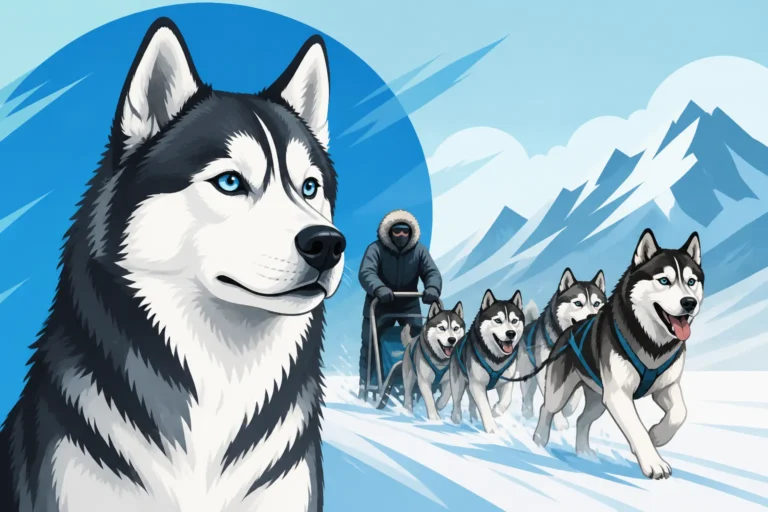
The All-Alaska Sweepstakes, first run in 1908, quickly became the ultimate proving ground for sled dogs and mushers alike. It wasn't just a race; it was an extreme test of survival, covering over 400 miles from Nome to Candle and back, through blizzards, over frozen seas, and across desolate tundra. The conditions were brutal, with temperatures plummeting far below freezing, and winds whipping snow into blinding whiteouts. Every musher and dog team entering this race knew they were pushing the limits of endurance, courage, and sheer will.
Winning the Sweepstakes brought immense prestige and financial reward, making it a coveted title. Mushers poured their lives into breeding and training teams capable of tackling this monumental challenge. The public followed the races with bated breath, eager to see which human-canine combination would emerge victorious from the frozen crucible. This was more than sport; it was a defining event in a harsh landscape, celebrating the unique partnership between humans and their working dogs.
The "Siberian Rats" Make Their Debut: An Underestimated Arrival
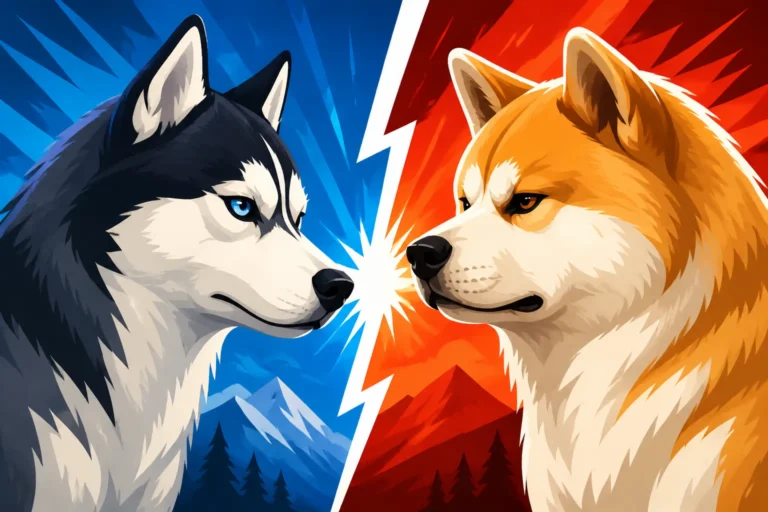
In 1909, a surprising new contender entered the All-Alaska Sweepstakes: a team of small, nimble dogs imported from Siberia. These dogs, brought over by a Russian fur trader named Charles Fox Maule Ramsay, looked utterly different from the dominant freighting dogs. They were smaller, lighter, and appeared almost delicate compared to the Alaskan powerhouses. Skepticism was rife, and many local mushers openly scoffed, derisively calling them "Siberian Rats" due to their size.
Ramsay's Vision and the First Imports
Charles Fox Maule Ramsay, an ambitious Scottish fur trader, had heard whispers of swift, hardy sled dogs used by the native Chukchi people in Siberia. Intrigued by the idea of a faster dog for racing, he arranged for a shipment of these smaller canines to be brought across the Bering Strait to Nome. This was a bold, some might say foolish, move, as the prevailing wisdom favored bulk and brawn. Ramsay, however, saw potential in their lean build and reputation for incredible endurance and speed. It was a gamble against generations of established Alaskan mushing tradition. The Fur Trader Who Brought Siberians to Alaska captures some of this early history.
When these dogs arrived, they certainly didn't look the part of a championship team. Their comparatively small stature and light frames were a stark contrast to the husky, muscular dogs that typically dominated the Alaskan trails. They didn't have the intimidating presence of a Malamute or other large native crossbreeds. This visual discrepancy fueled the derision and condescension from seasoned local mushers, who were convinced these "rats" wouldn't last a single leg of the grueling Sweepstakes course.
Initial Skepticism and Derisive Nicknames
The initial reaction to the Siberian teams was overwhelmingly negative, bordering on ridicule. Mushers and spectators alike simply couldn't fathom how these seemingly undersized dogs could possibly compete against the behemoths they were accustomed to seeing. The nickname "Siberian Rats" stuck quickly, thrown around as a sneering dismissal of their chances. It was an open challenge to the established order, and most believed Ramsay's experiment was doomed to fail spectacularly.
This wasn't just about size, though. There was a cultural element to it. The Alaskan mushing community had a proud tradition rooted in power and robust endurance. The idea that these lighter, faster dogs could be superior felt almost like an insult to their heritage and their own carefully bred teams. Imagine the hubris required for Ramsay to push forward with his "Siberian Rats" amidst such widespread doubt and outright mockery. It truly highlights the visionary, or perhaps just stubborn, nature of those early advocates for the breed. The 1909 Sweepstakes Team Called Siberian Rats provides more context on this initial reception.
The Tides Turn: How Siberian Huskies Proved Their Mettle
Despite the initial mockery, something extraordinary happened. In the very first All-Alaska Sweepstakes they entered, Ramsay's "Siberian Rats" didn't just compete; they performed beyond all expectations. While they didn't win that initial 1909 race, one of Ramsay's teams placed third, a shocking upset that immediately caught the attention of the mushing world. It was a clear signal that something different was happening on the trail.
Leonhard Seppala and the Rise of Siberian Speed
The true turning point arrived with the legendary musher Leonhard Seppala. Seppala, a Norwegian immigrant and a natural dog man, recognized the untapped potential in these smaller, faster dogs. He took Ramsay's original stock and began selectively breeding and training them, focusing on their innate speed, incredible endurance, and efficient metabolism. He understood that while they lacked the brute force of the larger dogs, their ability to maintain a blistering pace for hundreds of miles, coupled with their dense double coats that protected them from the fierce Alaskan cold, was a game-changer. Leonhard Seppala and His Siberian Huskies is a fantastic resource if you want to dive deeper into his story.
Seppala's training methods were meticulous, honing the Siberians' natural abilities. He emphasized teamwork, efficiency, and a lighter, faster running style that conserved energy. Unlike the heavier dogs that plowed through snow, Siberians often seemed to dance over it, their quick strides covering ground with astonishing rapidity. This shift in strategy, from power to speed and endurance, was revolutionary. You can see how this aligns with What a Siberian Husky Was Bred to Do from their Chukchi origins.
The Victories That Silenced the Critics
The years that followed solidified the Siberian Husky's dominance. Under Seppala's expert guidance, and with other mushers quickly adopting the breed, Siberian teams began to win the All-Alaska Sweepstakes not just occasionally, but consistently. They broke records, leaving the heavier, traditional freighting dogs struggling in their wake. The 1914 Sweepstakes was a pivotal moment, with Seppala's team winning convincingly, proving definitively that speed and endurance could overcome sheer power on the arduous Alaskan trails.
The "Siberian Rats" were no longer a joke; they were champions. Mushers who had once scoffed were now scrambling to get their hands on these remarkable dogs. The transformation was complete: the breed had not only earned respect but had redefined the very nature of sled dog racing in Alaska. The victories demonstrated a profound understanding of efficiency and adaptation to the extreme environment. Why Nome Racers Switched to Siberian Huskies details this paradigm shift in the mushing community.
| Year | Winning Musher | Lead Dog (if known) | Breed | Notes |
|---|---|---|---|---|
| 1909 | John Johnson | Rusty | Local | First Sweepstakes |
| 1910 | John Johnson | Rusty | Local | Siberian teams begin to place |
| 1914 | Leonhard Seppala | Suggen | Siberian Husky | First major win for Siberian Huskies, record time |
| 1915 | Leonhard Seppala | Suggen | Siberian Husky | Solidifying dominance |
| 1916 | Leonhard Seppala | Togo | Siberian Husky | Another victory for the Seppala team |
This table illustrates the shift from local dogs to the era of Siberian Husky dominance.
Beyond the Finish Line: The Lasting Impact of Sweepstakes Victories
The Siberian Huskies' string of victories in the All-Alaska Sweepstakes did more than just win races; it elevated the breed to international fame and set the stage for their role in one of history's most heroic events. The skepticism that once greeted them transformed into admiration, and their inherent qualities — their unparalleled endurance, impressive speed, and remarkable adaptability to frigid conditions — became widely recognized and sought after. This era truly put Siberian Huskies on the map, proving their worth beyond all doubt.
The Foundation for the Serum Run of 1925
Perhaps the most famous testament to the Siberian Husky's capabilities, directly stemming from their Sweepstakes triumphs, was their crucial role in the 1925 Serum Run to Nome. When a diphtheria epidemic threatened the isolated town of Nome, a life-saving antitoxin needed to be transported over 674 miles of treacherous Alaskan wilderness in the dead of winter. It was Leonhard Seppala, with his seasoned Siberian Husky team and lead dog Togo, who ran the longest and most dangerous leg of the relay, covering 264 miles across Norton Sound. The Diphtheria Outbreak That Called Out the Huskies provides the full gripping tale.
The speed and endurance proven in the Sweepstakes were precisely what was needed to save Nome. Balto, another Siberian Husky, famously led the final leg into Nome, securing their place in history. These dogs weren't just racers anymore; they were heroes. Their ability to perform under extreme pressure, maintain pace, and navigate treacherous conditions directly applied from their racing experience, saving countless lives. You can find excellent supplies and even historic-themed items related to working dogs on sites like Chewy, a testament to the enduring legacy of these animals.
Increased Popularity and Breed Recognition
The heroic tales from the Serum Run, combined with their already established racing prowess, propelled the Siberian Husky into the American consciousness. People were captivated by their beauty, resilience, and the sheer grit they displayed. This surge in popularity led to increased interest in breeding and showing these dogs, eventually resulting in the breed's official recognition by the American Kennel Club. AKC Recognition of the Siberian Husky in 1930 marks a significant milestone in their journey from working dog to beloved family companion.
The legacy of the Sweepstakes and the Serum Run continues to influence how we view Siberian Huskies today. While many now live as cherished pets, their heritage as elite endurance athletes and loyal working dogs remains a fundamental part of their identity. Owners today still see glimpses of that incredible drive and spirit when their Huskies enthusiastically pull on a leash or revel in a cold winter day. Even modern canine nutrition, available from places like Chewy, often reflects the high-energy needs of these active breeds, acknowledging their enduring athletic genetics. The demand for well-bred, healthy Huskies remains strong, a direct result of the incredible feats performed by their ancestors on the Alaskan trails.
Disclaimer
This article is for general informational purposes only and does not constitute professional advice. Laws, prices and regulations vary by location and change over time. Consult a qualified professional for guidance on your specific situation.