Siberian Husky Against the Akita
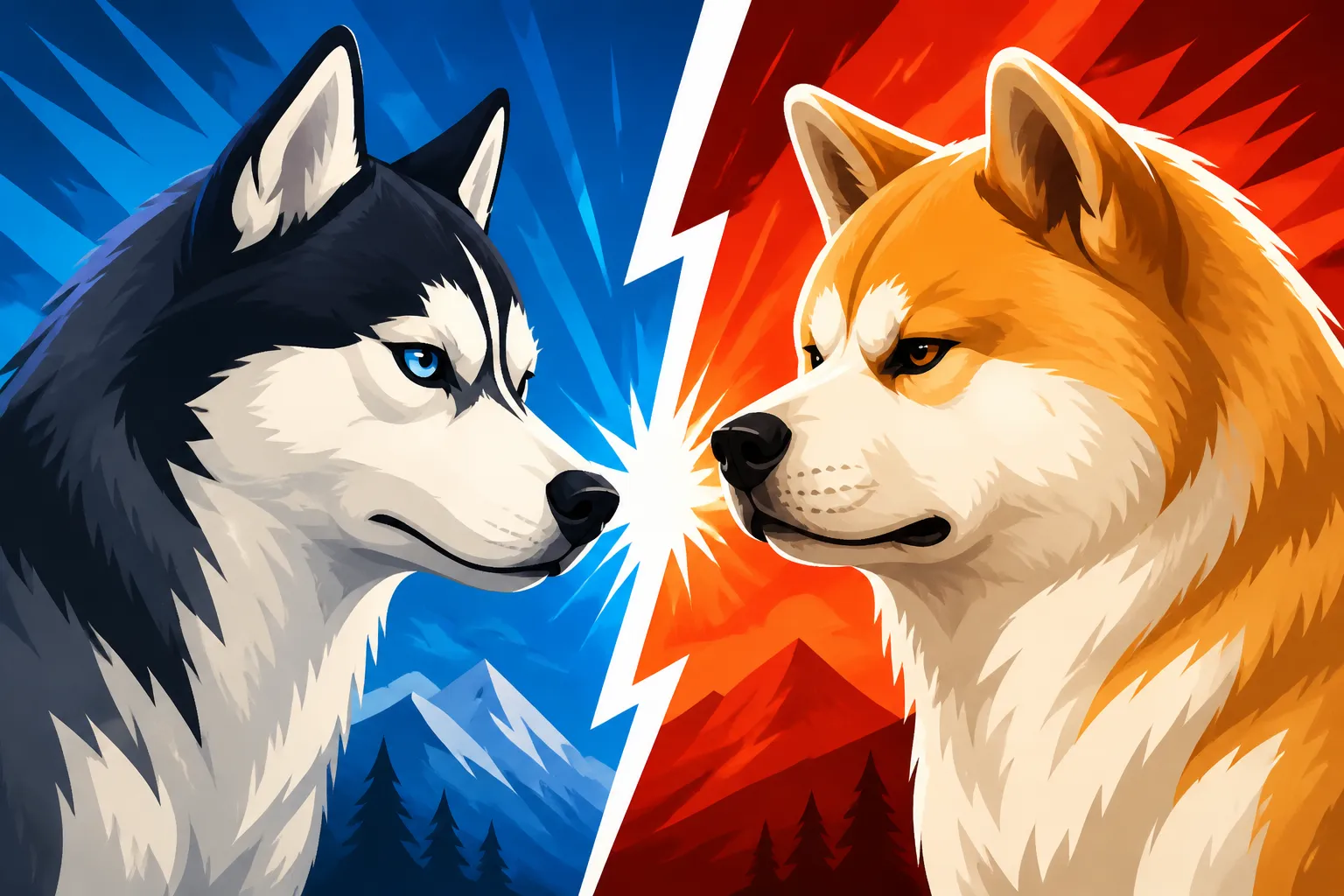
When you’re looking at adding a magnificent, powerful dog to your family, it's easy to be drawn to the majestic looks of breeds like the Siberian Husky and the Akita. Both possess an undeniable presence, a thick coat, and a curl to their tail, but mistaking one for the other or assuming they share similar temperaments can lead to unexpected challenges. This guide is here to untangle the distinct personalities, histories, and needs of these two incredible dogs, helping you understand which one might truly fit into your life and home.
Origins and Purpose: Working North vs. Guardian East
Understanding where a breed comes from is absolutely crucial to grasping its inherent traits. Dogs were bred for specific jobs, and those jobs shaped their entire being – from their physical build to their stubbornness or willingness to please. For the Siberian Husky and the Akita, their ancestral roles couldn't be more different, setting them on fundamentally divergent paths.
The Siberian Husky's Heritage
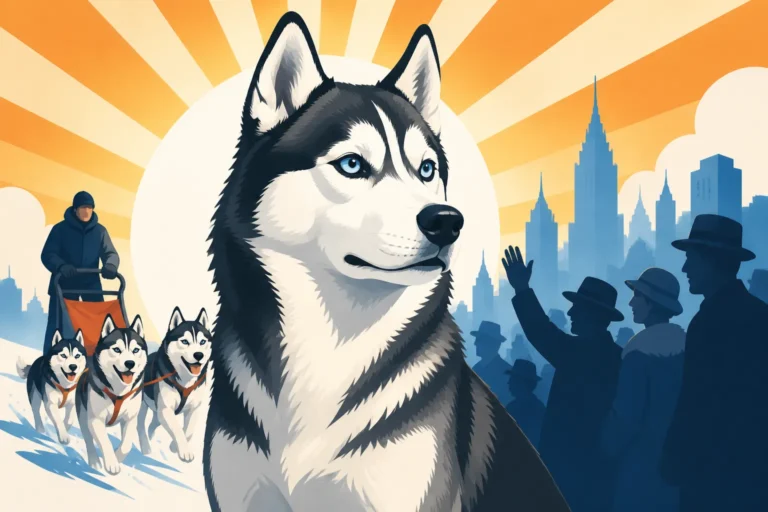
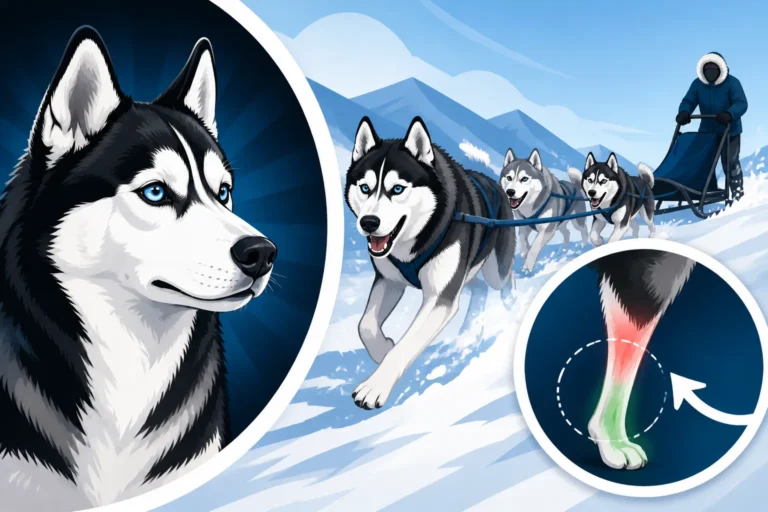
Imagine vast, icy tundras, relentless winds, and the need for swift, efficient travel over long distances. That's the world the Siberian Husky was born into, shaped by the semi-nomadic Chukchi people of Northeast Asia. These dogs weren't just sled pullers; they were integral family members, sleeping indoors with the children to provide warmth and companionship. Their job was to pull light loads at a fast pace over incredible distances, conserving energy with an incredibly efficient metabolism. They needed to be resilient, work cooperatively in a team, and possess a friendly, outgoing nature to get along in large groups of dogs and with humans. This history explains their love for running, their high energy levels, their social tendencies, and even their infamous independence. They had to be smart enough to make decisions on the trail without constant human direction, and that independent streak is very much alive today. You can read more about The Chukchi Origins of the Siberian Husky to really get a feel for their roots.
The Akita's Heritage
Now, shift your mental scenery to the mountainous regions of Japan, where the Akita Inu (or Japanese Akita) originated. These dogs were bred for much more formidable tasks: hunting large game like wild boar and bear, and later, for guarding royalty and noble families. This required a dog with immense strength, courage, and a fiercely protective instinct. They were often solitary hunters or worked in very small groups, not large teams. Their role demanded a deep loyalty to their human family but a reserved, often suspicious demeanor towards strangers. Unlike the Husky's need for efficiency over distance, the Akita needed power and tenacity for confrontation. This explains their formidable presence, their deep bond with their family, and their natural wariness, which can manifest as aggression if not managed correctly from a young age. There's a reason they carry themselves with such dignity; it's steeped in centuries of guarding and hunting.
Here's a quick look at their primary historical differences:
| Feature | Siberian Husky | Akita |
|---|---|---|
| Origin | Siberia (Chukchi people) | Japan (Akita Prefecture) |
| Primary Role | Light freight pulling, endurance sled dog | Hunting large game (bear, boar), guarding |
| Social Needs | Team player, highly social with dogs and people | Independent, protective, often solitary worker |
| Temperament | Friendly, outgoing, cooperative, mischievous | Dignified, reserved, loyal, territorial |
Temperament and Personality: Pack Instinct vs. Lone Wolf Mentality
When you spend time with a Siberian Husky and an Akita, their temperaments are perhaps the most striking difference. It's where their ancient jobs truly shine through in their modern-day personalities. While both are powerful and beautiful, how they interact with the world around them is profoundly different.
Siberian Husky Disposition
If you're looking for a dog that's the life of the party, a social butterfly, and often a comedian, you might be looking at a Siberian Husky. They are generally known for being friendly, outgoing, and surprisingly agreeable with most people, including strangers. They were, after all, bred to live and work in large groups of dogs and with various handlers. This means they often lack the strong protective instincts that many dog owners associate with large breeds. They're more likely to greet a stranger with a wagging tail or a playful bow than a stern warning.
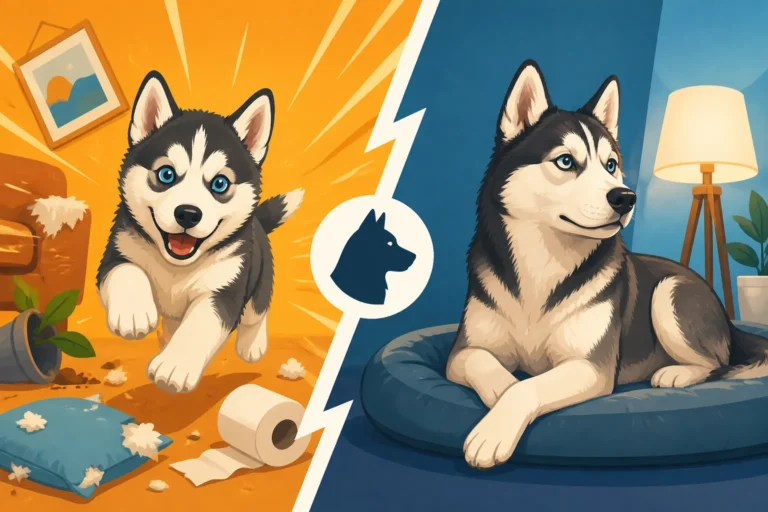
However, this doesn't mean they're easy. Huskies are highly intelligent, but they are also incredibly independent and have a legendary mischievous streak. They thrive on activity and can become destructive or vocal (think howls, yips, and "talking") if bored or under-exercised. Their prey drive, honed over centuries of foraging and opportunistic hunting, is very high, making them a significant risk to small pets like cats, rabbits, or even squirrels and deer. Owners frequently struggle with Siberian Husky Prey Drive Around Small Animals. They are also notorious escape artists, driven by an innate desire to run and explore. Why a Siberian Husky Cannot Be Trusted Off Leash is a constant lament among Husky owners. They demand a lifestyle that can accommodate their need for mental and physical stimulation, and a secure environment to prevent them from roaming.
Akita Disposition
The Akita, in stark contrast, carries itself with a quiet dignity and an almost regal air. They are deeply loyal and affectionate with their immediate family, forming incredibly strong bonds. However, their temperament towards strangers and other animals is typically reserved and watchful, rather than openly friendly. This isn't aggression for aggression's sake, but rather a profound protective instinct rooted in their guardian heritage. An Akita will assess a situation carefully and is quick to act if they perceive a threat to their family or territory.
This inherent wariness means early and extensive socialization is absolutely critical for an Akita puppy. They need to learn from a young age how to appropriately interact with new people, places, and sounds. Without it, their natural reserve can quickly become suspicion and reactivity. They are known for being strong-willed and require a confident, consistent owner who understands breed-specific traits. Dog-on-dog aggression, especially with same-sex dogs, is a common trait, and interactions need to be carefully managed. Keeping an Akita in a multi-dog household, particularly with other dominant breeds, requires careful consideration and expert handling. Their quiet nature also means they aren't typically excessive barkers, but they will certainly alert you to anything they deem out of place.
Physical Characteristics: Built for Speed vs. Built for Power
While both breeds are undeniably beautiful and possess that striking Nordic look with their thick coats and often curled tails, their physical attributes are tailored for entirely different functions. One glance, and you can see the difference between an athlete built for endurance and a powerhouse built for strength.
Siberian Husky Build
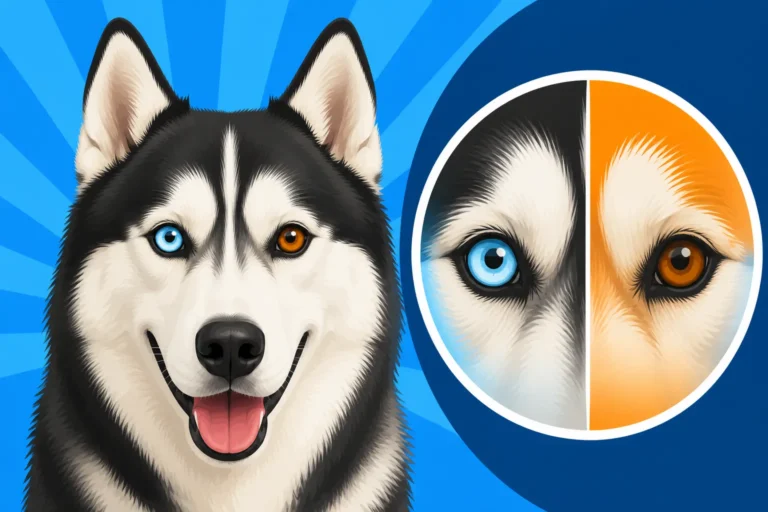
The Siberian Husky is a medium-sized dog, generally weighing between 35-60 pounds and standing 20-23.5 inches tall at the shoulder. They are built for speed and endurance, with an athletic, graceful, and moderately compact body. Their gait is smooth and effortless, designed to cover ground quickly without expending excessive energy. They have an almond-shaped eye, and it’s very common to see them with blue eyes, one blue and one brown (bi-eyed), or even parti-colored eyes, which is a unique trait many people adore. Siberian Husky Eye Colors and Heterochromia are fascinating.
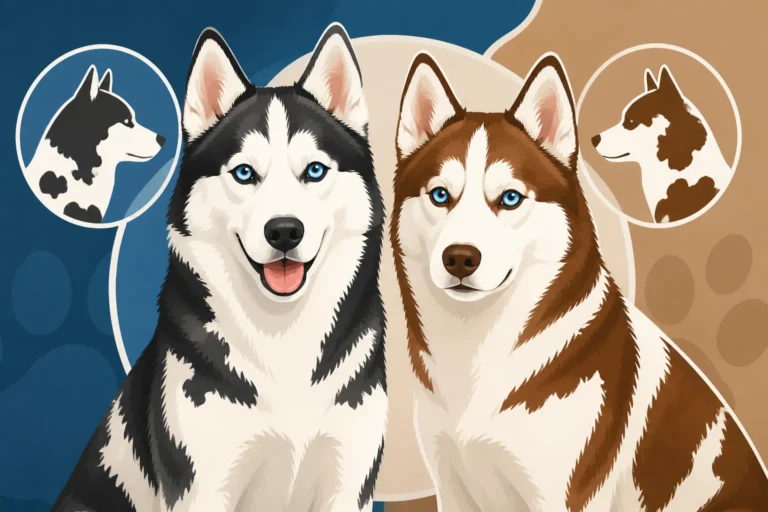
Their most distinctive feature, of course, is their dense double coat. This coat consists of a soft, downy undercoat for insulation and a longer, water-repellent outer coat of guard hairs. This combination allows them to withstand extremely cold temperatures while also protecting them from summer heat by trapping a layer of cool air next to the skin. Their coat colors and markings are incredibly varied, from solid white to black, red, gray, and sable, often with striking facial masks. Siberian Husky Coat Colors and Markings can really make each dog unique. While beautiful, this coat does require significant grooming, especially during their "coat blows" where they shed copious amounts of undercoat twice a year.
Akita Build
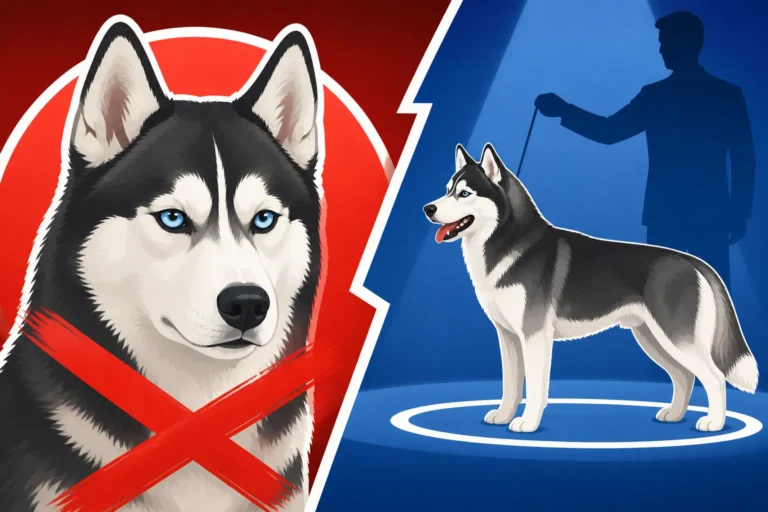
The Akita is a considerably larger and more powerful dog, typically weighing 70-130 pounds and standing 24-28 inches tall. They possess a much heavier bone structure and a stockier, more muscular build than the Husky, reflecting their history as hunters and guardians. Their head is broad and massive, often described as bear-like, which immediately sets them apart from the Husky's more refined muzzle. Their eyes are typically dark brown, relatively small, and triangular in shape, conveying a watchful and intelligent expression. Blue eyes are not standard for the Akita and would be a disqualifying fault in the show ring, contrasting sharply with the Husky's varied eye colors.
Like the Husky, the Akita also has a dense double coat, but it's often shorter and harsher than a Husky's, though still providing excellent insulation. Common colors include red fawn, sesame, brindle, and pure white, often with a white "urajiro" (a pattern of white markings on the sides of the muzzle, cheeks, underside of jaw, neck, chest, body, and tail). Their tails are always carried in a tight curl over their back, whereas a Husky's tail can be carried lower or in a more relaxed curl, especially when working or relaxed. The sheer difference in their physical presence is remarkable, illustrating their different purposes.
Here's a comparison of their key physical attributes:
| Feature | Siberian Husky | Akita |
|---|---|---|
| Size/Weight | Medium (35-60 lbs) | Large (70-130 lbs) |
| Build | Athletic, agile, built for endurance | Muscular, heavy-boned, built for power |
| Head Shape | Moderately refined, fox-like | Broad, massive, bear-like |
| Eye Color | Blue, brown, bi-colored, parti-colored (common) | Dark brown (standard), triangular |
| Coat Texture | Soft undercoat, longer guard hairs | Shorter, harsher undercoat and guard hairs |
| Tail Carriage | Curled over back (often relaxed when working/calm) | Tightly curled over back (always) |
Training and Management Needs: Consistency vs. Firmness
Training is an area where the distinct temperaments of the Siberian Husky and the Akita really come to the forefront. While both breeds are intelligent, the way they utilize that intelligence and respond to training methods differs immensely, requiring owners to adapt their approach.
Training a Siberian Husky
Training a Siberian Husky often feels like a constant negotiation rather than a direct command. They are highly intelligent, but their independence and easily-bored nature mean they respond best to positive reinforcement, short, engaging sessions, and a consistent, patient handler. They're not naturally eager to please in the way a retriever might be; they need to understand what's in it for them. Food rewards, especially high-value ones, and engaging games are often more effective than praise alone.
The biggest challenge for many Husky owners is recall. That strong prey drive and desire to run mean that unless they are in a securely fenced area, they simply cannot be trusted off-leash. They will follow a scent or chase a squirrel for miles, completely oblivious to your frantic calls. Mastering Teaching a Siberian Husky to Come Back requires immense dedication and management. Leash manners can also be tricky because they were bred to pull. Siberian Husky Leash Work Against a Pulling Instinct is a daily battle for many. While they can excel in dog sports like agility or canicross, these activities tap into their natural instincts rather than relying on strict obedience. Consistency, mental stimulation (like puzzle toys from Chewy), and ample physical exercise are key to a well-behaved Husky.
Training an Akita
Training an Akita demands a different kind of owner – one who is confident, firm, and understands the importance of setting clear boundaries from day one. Akitas are also intelligent, but their stubbornness and independent nature are often coupled with a strong will and a desire to be the "alpha" if given the chance. They respect consistency and fairness, but they will exploit any weakness or inconsistency in leadership. Harsh methods or physical punishment are never acceptable with any dog, but with an Akita, they are particularly counterproductive, often leading to resentment, fear, and potential aggression.
Early and continuous socialization is paramount for an Akita. This means exposing them to a wide variety of people, dogs, and environments in a positive, controlled manner from puppyhood. They need to learn that not every stranger is a threat and not every dog is a challenger. Obedience training should be started young and maintained throughout their lives. Basic commands like 'sit,' 'stay,' and 'come' are vital, but recall, while possible, may never be 100% reliable due to their independent nature and potential for strong prey drive. An Akita is often best suited for a single-dog household or a home with another very tolerant dog, as their potential for dog-on-dog aggression is significant. They are intelligent and capable of learning complex tasks, but they will do so on their own terms, requiring patience and a strong, consistent relationship with their owner.
Living with Each Breed: Space, Climate, and Family Dynamics
Deciding which of these magnificent breeds is right for you isn't just about their looks or even their trainability; it's about how well their core needs and instincts align with your lifestyle, living situation, and family dynamics. Both breeds are a significant commitment, but for very different reasons.
Siberian Husky Lifestyle Considerations
Bringing a Siberian Husky into your home means preparing for an active, engaging, and sometimes chaotic life. These dogs are athletes at heart, built for miles of running, and they need a serious outlet for that energy. A quick walk around the block simply won't cut it. They thrive with owners who can provide daily vigorous exercise, whether that's long runs, hikes, bikejoring, or even sledding if you're in a suitable climate. Without enough exercise, a bored Husky is a destructive Husky, and they can wreak havoc on furniture, yards, and sanity. Remember that secure yard we talked about? It's essential. Fences need to be at least six feet high, and often include an "L-footer" or buried wire to prevent digging out. Stopping a Siberian Husky From Escaping the Yard is an art form for many owners.
Huskies are generally good with children, often viewing them as part of their pack, but like any dog, interactions should always be supervised. Their gregarious nature extends to other dogs, and they often enjoy canine companionship, though introductions should always be done carefully. However, their high prey drive means they are generally not suitable for homes with cats, rabbits, or other small pets unless they are raised with them from puppyhood and even then, constant vigilance is required. Climate is also a factor; while they can adapt to warmer climates, owners must be diligent about preventing heatstroke and exercising them during the coolest parts of the day. Using cooling mats or giving them access to kiddie pools from Chewy can help in warmer weather. Whether a Siberian Husky Belongs in a Hot State is a common question, and the answer is that it requires significant management.
Akita Lifestyle Considerations
An Akita demands an experienced dog owner, preferably one who has researched the breed thoroughly and understands their unique needs. These are not beginner dogs. Their protective instincts, strong will, and potential for dog-on-dog aggression mean they require an owner who can confidently and consistently lead them. They don't need the same mileage as a Husky, but they do require regular, moderate exercise – daily walks, playtime in a securely fenced yard, or mental stimulation through training. They are not typically candidates for dog parks due to their potential intolerance of other dogs.
Akitas bond very deeply with their human families and prefer to be included in household activities. They are not dogs that should be relegated to a backyard kennel; they thrive on companionship. While they can be wonderful family dogs, their size, strength, and protective nature mean that careful supervision is necessary around very young children and visitors. Introductions to new people should always be structured and controlled. Due to their independent and often dominant nature, many Akita owners find that their Akita is happiest as the only dog in the household. If living with other dogs, careful selection and management are vital. Akitas can adapt to apartment living if they receive adequate daily exercise and mental stimulation, but a securely fenced yard is always preferable for their well-being. Who Should and Should Not Own a Siberian Husky can offer insight into owning powerful dog breeds, though the Akita presents its own distinct set of challenges for the novice.
Ultimately, both the Siberian Husky and the Akita are majestic, powerful breeds that offer immense companionship to the right owners. The Husky brings boundless energy, a social personality, and an independent spirit that keeps you on your toes. The Akita offers profound loyalty, a dignified presence, and a watchful guardian nature. Choosing between them comes down to a clear-eyed assessment of your own lifestyle, experience, and what you're truly prepared to commit to in a canine companion.
Disclaimer
This article is for general informational purposes only and does not constitute professional advice. Laws, prices and regulations vary by location and change over time. Consult a qualified professional for guidance on your specific situation.