Which Leg Seppala’s Siberian Huskies Ran
The story of the 1925 Serum Run to Nome is legendary, often told with a focus on the final leg, but it leaves many wondering about the true heroes who covered the vast, perilous distances before the antitoxin reached the finish line. If you've ever felt a pang of confusion about which dog team actually did the heavy lifting, you're not alone. This guide dives deep into the incredible journey of Leonhard Seppala and his lead dog, Togo, illuminating the monumental and often overlooked leg they ran, an effort that was truly the backbone of this life-saving relay.
The Gravity of the 1925 Serum Run to Nome
Imagine a community cut off from the world, facing a deadly epidemic with no cure within reach. That was Nome, Alaska, in 1925, staring down a diphtheria outbreak that threatened its children. The tale of the Serum Run isn't just about dogs and mushers; it's a poignant testament to human and animal endurance against impossible odds, a true emergency that tested the limits of survival.
A Community on the Brink
Nome, a remote Alaskan town, found itself in a desperate situation in January 1925. A diphtheria epidemic was rapidly spreading, particularly among the children, and the town's only doctor quickly ran out of antitoxin. The nearest supply, a substantial amount of the life-saving serum, was located in Anchorage, over a thousand miles away. With ice blocking sea routes and brutal winter conditions making air travel too risky for the biplanes of the era, the only viable option was a relay of dog teams. The frustration and fear gripping the town must have been immense, knowing the cure existed but was so agonizingly out of reach. People were quite literally watching their loved ones sicken and die, feeling utterly helpless.
The temperature in Interior Alaska and along the coast was bone-chillingly cold, plummeting to -50°F (-46°C) with winds creating whiteout conditions and even colder wind chills. These weren't just inconvenient travel conditions; they were actively life-threatening to both humans and dogs. Every decision made during this period, from planning the route to selecting the mushers, was a gamble against nature, with the ultimate prize being the lives of the town's inhabitants. The community's reliance on these brave teams, made up mostly of resilient Siberian Huskies, was absolute.
The Relay Race Against Time
The plan was a heroic undertaking: a relay of twenty different mushers and about 150 dogs, covering approximately 674 miles (1,085 kilometers) from Nenana to Nome. The antitoxin was transported by train from Anchorage to Nenana, where the dog teams would then take over. This wasn't a casual journey; it was a desperate race against the clock, with every minute counting. The serum itself had a limited shelf life and was susceptible to freezing, which would render it useless. Mushers had to navigate treacherous terrains, often in complete darkness, battling blizzards and extreme cold. The logistical challenges were staggering, requiring precise coordination across vast, uninhabited stretches of wilderness.
Each musher was tasked with running a specific leg, passing the precious cargo from one team to the next, much like a baton in a foot race, but through miles of frozen wilderness. The sheer scale of the relay underscores the collective effort and the determination of all involved. While the spotlight often shines on certain teams, it's crucial to remember that every musher and every dog played an indispensable role, pushing their limits in an era before modern communication and transportation could offer much aid. It was a true test of the pioneer spirit, powered by the incredible stamina of sled dogs.
Leonhard Seppala and the Legendary Togo
Amidst the many brave mushers who stepped up, one name stands out for his extraordinary contribution: Leonhard Seppala. Known throughout Alaska as a master dog trainer and musher, Seppala was synonymous with the power and endurance of the Siberian Husky. His bond with his lead dog, Togo, was legendary, a partnership built on years of shared trails and an unspoken understanding that few ever achieve.
Seppala's Unparalleled Experience
Leonhard Seppala wasn't just any musher; he was arguably the most skilled and respected in Alaska at the time, particularly renowned for his prowess in long-distance racing. He had won the All-Alaska Sweepstakes multiple times, proving his ability to navigate the most challenging conditions and get the absolute best out of his dog teams. When the call came for the most critical leg of the Serum Run, there was no question that Seppala was the man for the job. He was not just physically tough; he possessed an intimate knowledge of the Alaskan landscape, an innate ability to read the weather, and an unparalleled intuition when it came to his dogs. This wasn't merely a sport; it was survival.
His approach to mushing was built on deep respect and understanding of his dogs, particularly his Siberians, whose heritage traced back to the hardy dogs of the Chukchi people. He understood their limits, their strengths, and how to motivate them without breaking their spirit. Seppala's experience meant he could push his team further and faster than many others, a vital quality when lives hung in the balance. When he prepared for the Serum Run, he wasn't just picking up a package; he was taking on the weight of an entire town's hopes, and he knew his team, with Togo at the helm, was ready for the immense challenge. You can learn more about his legacy in Leonhard Seppala and His Siberian Huskies.
Togo: The True Hero of the Long Haul
At the head of Seppala's team was Togo, a small but incredibly powerful Siberian Husky, renowned for his intelligence, leadership, and unyielding spirit. Togo wasn't just a lead dog; he was Seppala's trusted navigator and partner, capable of making critical decisions in whiteout conditions when Seppala himself couldn't see. His intuition for finding the safest path, even across treacherous ice, was legendary. Togo's contribution to the Serum Run was monumental, covering the longest and arguably most dangerous single leg of the entire relay. This little dog, who had once been considered too small and unruly for a sled dog, proved himself to be a powerhouse of endurance and loyalty.
Togo was already an older dog by the time of the Serum Run, around 12 years old, but his experience and spirit were undimmed. He embodied the best qualities of the Siberian Husky breed: incredible stamina, a deep drive to pull, and a strong bond with his human. Seppala and Togo's relationship was a testament to the profound connection that can exist between a musher and their lead dog, a connection that was absolutely essential for navigating the brutal Alaskan winter. Without Togo's leadership, the success of Seppala's leg would have been far from certain. To truly appreciate his journey, consider reading Togo, the Siberian Husky Who Ran 264 Miles.
The Fateful Leg: Norton Sound and Beyond
When the call came for Leonhard Seppala to join the relay, he didn't just take on a routine leg; he took on the most audacious and critical section of the entire journey. His mission was to retrieve the serum from an incoming musher and then cover a vast, treacherous distance, including a dangerous shortcut across the shifting ice of Norton Sound.
Facing the Treacherous Norton Sound
Seppala and his team, led by Togo, started their journey from Nome, heading east to intercept the serum. Their specific leg of the relay involved traveling an immense distance to meet Charlie Olsen, the musher carrying the serum from the previous leg. Seppala's route was deliberately chosen to be the longest and most perilous, taking a calculated risk across the ever-shifting ice of Norton Sound. This shortcut, while potentially saving precious time, was incredibly dangerous. The ice could break apart without warning, or blizzards could disorient the team, leading them into open water or impossible conditions.
Imagine the bitter wind whipping across the vast, desolate expanse of ice, with visibility often reduced to mere feet. The temperatures were extreme, often dropping far below zero with howling winds that could cause frostbite in minutes. Togo's instincts were crucial here; he could sense thinner ice, leading the team around hazards where human vision failed. Seppala himself was an expert navigator, but even he relied heavily on his lead dog's innate ability to find the safest path across the frozen, cracking sea. This wasn't just a race; it was a desperate gamble against the raw power of nature, where one wrong step could mean the loss of the serum and their lives. The bravery required to undertake such a journey is almost unfathomable.
The Miles That Mattered Most
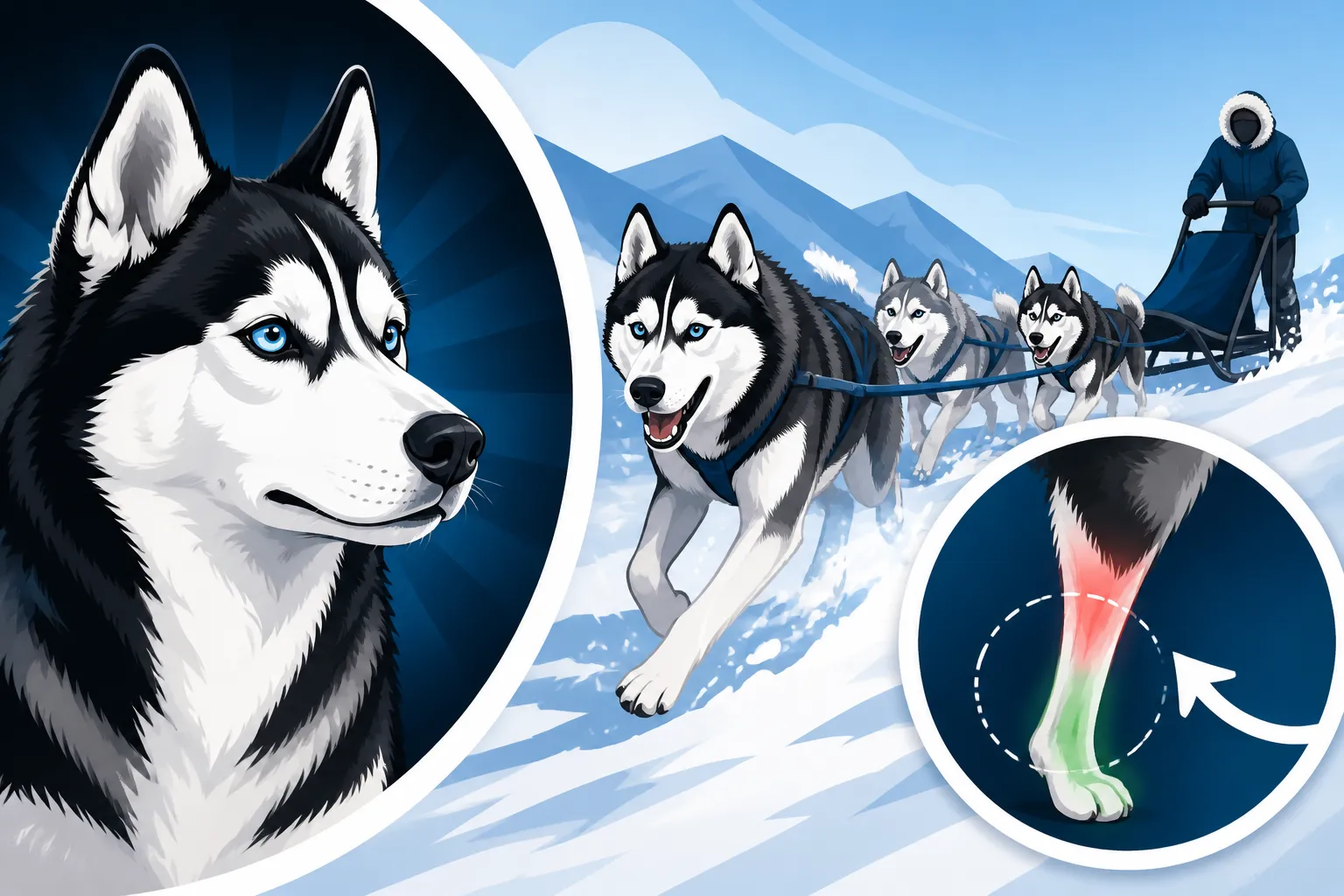
Seppala and Togo's team covered an astonishing 264 miles, or approximately 425 kilometers, during their part of the relay. This distance was more than double that of any other single team in the entire Serum Run. They departed Nome, journeyed east across the dangerous Norton Sound, met the incoming musher Charlie Olsen at a point near Ungalik, collected the antitoxin, and then turned around, retracing much of their treacherous path before handing off the serum to the next musher, Gunnar Kaasen, at a place called Golovin. This incredible round trip, undertaken in the most brutal conditions imaginable, was the longest and most demanding segment of the entire emergency.
The decision for Seppala to run such a long leg, stretching him far from Nome and back again, was a strategic one born of desperation. He was the most experienced musher with the strongest team, and the hope was that he could cover the greatest distance as quickly and safely as possible. This was not a short dash; it was an epic marathon through a deadly landscape, a test of pure endurance and spirit. The miles Seppala and Togo covered were truly the backbone of the entire operation, cutting days off what would have been an even longer, more perilous journey had the relay followed a less direct, safer inland route. The sheer scale of The Miles Siberian Huskies Covered to Nome highlights just how extraordinary this effort was.
| Musher | Lead Dog | Miles Run (Approx.) | Key Contribution |
|---|---|---|---|
| Leonhard Seppala | Togo | 264 (round trip) | Longest, most dangerous leg across Norton Sound, retrieved serum, crucial time-saving shortcut |
| Gunnar Kaasen | Balto | 53 (one way) | Ran the final, climactic leg into Nome, arriving in a blizzard |
| Bill Shannon | Blackie | 50 | First musher to take serum from the train at Nenana |
| Edgar Nollner | Dolly | 24 | Part of the interior relay, faced extremely cold temperatures |
Handing Off the Precious Cargo
After their incredible journey across Norton Sound and back, covering 264 miles, Seppala and his exhausted team, with Togo still leading the way, finally reached the village of Golovin. Here, they handed the diphtheria antitoxin off to musher Gunnar Kaasen, who, with his lead dog Balto, would run the penultimate leg. Seppala had pushed his team to their absolute limit, bringing the serum more than halfway towards Nome. His monumental effort had shaved crucial time off the journey, navigating unimaginable dangers and enduring brutal cold that tested the very fabric of life.
Kaasen then carried the serum for 53 miles, battling a blinding blizzard that made navigation almost impossible. Despite the whiteout conditions and the risk of getting lost, Balto, under Kaasen's guidance, found the trail and ultimately led the team into Nome. While Kaasen and Balto received much of the initial glory for delivering the serum, it's undeniable that Seppala and Togo's epic leg had set the stage for that triumphant arrival. Without their extraordinary endurance and courage across Norton Sound, the serum would have arrived much later, potentially too late for many. The Temperatures the Serum Run Huskies Faced were consistently brutal for every musher, making each handoff a moment of shared relief and renewed determination.
The Lasting Legacy of Seppala's Run
The 1925 Serum Run to Nome is a story that has captivated generations, but like many historical events, its popular narrative doesn't always reflect the full picture. Understanding the nuances of this incredible journey helps us appreciate the full extent of the heroism involved, particularly the monumental efforts of Leonhard Seppala and his lead dog, Togo.
Why Balto Got the Headlines
It's a common frustration for many who delve into the history of the Serum Run: why did Balto become the household name, with statues and films dedicated to him, when Togo covered so much more ground and faced such immense challenges? The answer lies largely in timing and publicity. Balto's team, led by Gunnar Kaasen, ran the final leg into Nome. It was Balto who literally delivered the serum to the waiting community, completing the relay and bringing relief to a terrified town. This dramatic, final arrival, coupled with the immediate media attention, cemented Balto's image as the primary hero.
The press, eager for a simple, triumphant narrative, latched onto Balto's story. His team's dramatic entrance into Nome amidst a blizzard was a perfect storybook ending, easy for the public to grasp and celebrate. Seppala and Togo, having covered their immense and dangerous leg days earlier, were already well past the finish line and out of the immediate media spotlight when the final delivery occurred. While Seppala was recognized for his extraordinary skill and Togo eventually received his due admiration, the popular imagination largely fixed on Balto as the undisputed canine hero. You can explore this further in Why Balto Became the Famous Siberian Husky.
Recognizing the True Effort
Despite Balto's initial celebrity, the true scope of Seppala and Togo's contribution did not remain hidden forever. Over time, as the details of the Serum Run became more widely known and studied, the staggering achievement of Seppala's leg became undeniable. Historians and dog enthusiasts alike have since championed Togo as the unsung hero, recognizing that his 264-mile journey, including the perilous crossing of Norton Sound, was the most critical and challenging segment. This recognition has brought a much-deserved spotlight onto Togo's incredible intelligence, endurance, and bond with Seppala.
Today, Togo is celebrated for the legendary feat he accomplished, and his story serves as a powerful reminder that heroism often takes many forms, and sometimes the most profound contributions are not those that cross the final finish line. His preserved body is on display at the Yale Peabody Museum, a testament to his enduring legacy. The conversation around Which Siberian Husky Really Saved Nome continues, ensuring that future generations understand the full, complex heroism of the entire relay, giving due credit to all the teams involved. Even Chewy, with its wide array of pet products, helps keep the spirit of these amazing dogs alive by offering everything a modern Siberian Husky might need to stay healthy and active, honoring their incredible heritage.
Modern Lessons from an Epic Journey
The story of Seppala and Togo, and indeed the entire 1925 Serum Run, continues to offer profound lessons for us today. It highlights the incredible resilience of Siberian Huskies, a breed specifically developed for endurance and cold weather work by the Chukchi people, as detailed in The Chukchi Origins of the Siberian Husky. Their ability to perform under such extreme pressure, driven by their innate desire to run and their bond with their mushers, is truly awe-inspiring. It teaches us about the power of collaboration, as the success of the relay depended on the seamless effort of many teams working together.
Beyond the physical feats, this tale underscores the deep, almost spiritual connection between humans and their canine companions. Seppala's trust in Togo was absolute, and Togo's loyalty and intelligence were instrumental in saving countless lives. This bond is something many Siberian Husky owners experience today, even if their adventures are confined to local trails rather than life-or-death missions. The story reminds us of the importance of proper care and training for these incredible animals, ensuring they can thrive. Modern pet owners might turn to resources like Chewy for high-quality food, warm coats for extreme cold (though perhaps not as extreme as Togo's journey!), or even durable toys to channel that famous Husky energy, all while remembering the incredible history these dogs carry in their lineage. It's a testament to the enduring spirit of the breed and the remarkable feats they are capable of achieving.
Disclaimer
This article is for general informational purposes only and does not constitute professional advice. Laws, prices and regulations vary by location and change over time. Consult a qualified professional for guidance on your specific situation.