The Miles Siberian Huskies Covered to Nome
It’s a truly humbling thought to consider the sheer determination and physical prowess of the Siberian Huskies that etched their names into history during the 1925 Serum Run. Many of us know the basic story, but when you dig into the actual distances covered, the unforgiving terrain, and the unbelievable conditions they faced, it really puts into perspective the incredible feat these dogs and their mushers accomplished. This guide is going to walk you through the monumental journey of the anti-diphtheria serum to Nome, focusing on the incredible miles these dedicated Huskies traversed, and what it truly meant for the town and the breed.
The Dire Need for Speed: Setting the Stage for the Serum Run
Imagine a remote Alaskan town, cut off by ice and snow, with a deadly epidemic silently creeping through its population, threatening children first and foremost. That was Nome in January of 1925. The challenge wasn't just getting medicine; it was getting it there now, through an environment that most modern vehicles couldn't even dream of conquering.
Nome's Isolation and the Diphtheria Threat
Nome, nestled on the Seward Peninsula, was a thriving but isolated gold rush town. Its lifelines to the outside world—ships and trains—were frozen solid for months each year. Their only connection was the precarious dog sled trail, winding its way over hundreds of miles of unforgiving wilderness. When diphtheria, a highly contagious and often fatal respiratory disease, broke out, the town’s only doctor, Curtis Welch, knew he had a catastrophic problem on his hands. He had antitoxin, but it was expired and largely ineffective. A fresh supply was urgently needed, but the closest available was in Anchorage, nearly 1,000 miles away. This was the terrifying reality: The Diphtheria Outbreak That Sent Huskies to Nome.
The fear in Nome was palpable. Children were falling ill rapidly, and the death toll threatened to rise exponentially if a new batch of serum wasn't delivered. The clock was ticking, not in hours or days, but in minutes. The thought of losing an entire generation to a preventable disease was a nightmare made real by the brutal Alaskan winter. Every parent in Nome felt that agonizing squeeze of helplessness, watching their children suffer and knowing rescue was so far away.
The Plan: A Relay Against Time
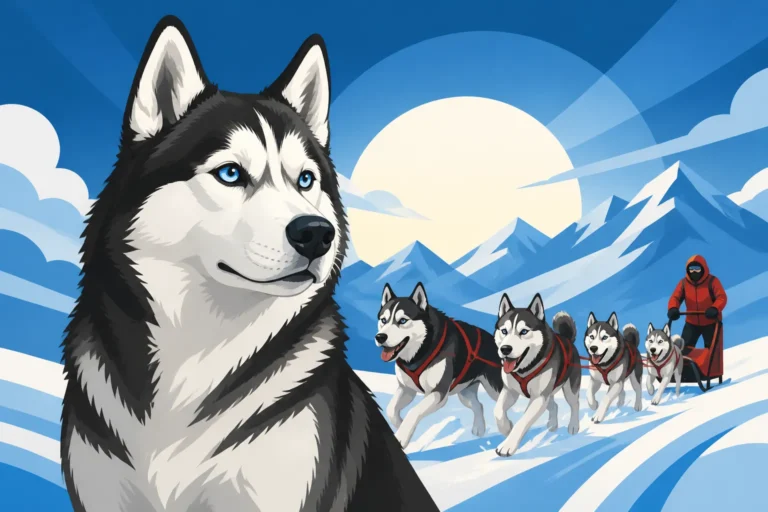
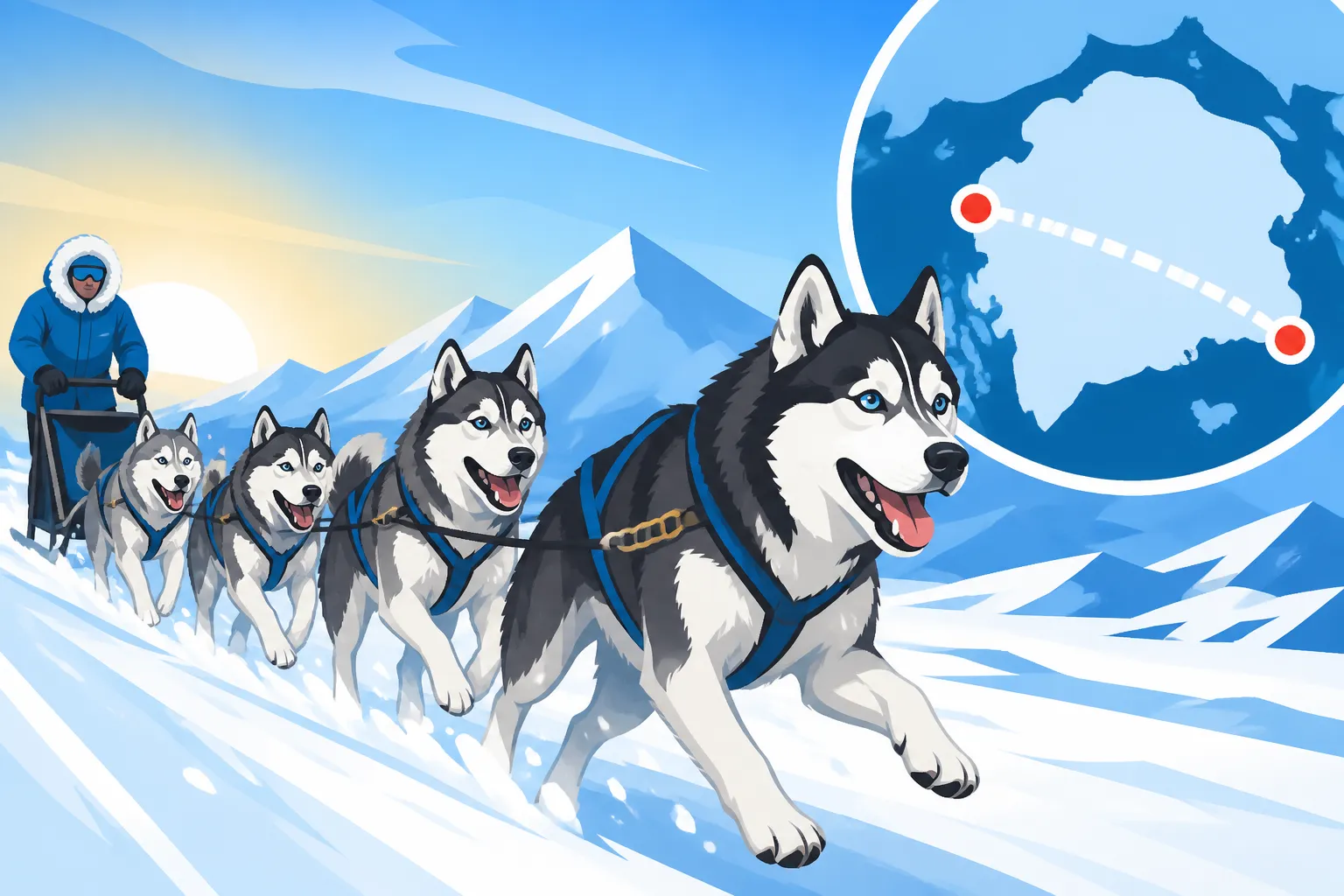
With no planes capable of flying in the extreme cold and blizzard conditions of interior Alaska at the time, and no trains running the entire distance, a daring plan was hatched: a dog sled relay. This wasn't just any relay; it was an ambitious, desperate attempt to cover nearly 700 miles in record time, battling blizzards, sub-zero temperatures, and the constant threat of open water on frozen rivers. The serum would travel by train from Anchorage to Nenana, where the first dog team would take over. From Nenana, a relay of twenty mushers and their teams would transport the precious cargo across the vast, frozen wilderness to Nome.
The sheer logistics of coordinating such a widespread effort across a barren landscape were daunting. Mushers and their teams were scattered along the trail, each waiting for their segment, often in tiny roadhouses or remote cabins. Communication was minimal, and the success of the mission relied entirely on the grit of these individuals and the incredible endurance of their dogs. The decision to undertake such a relay highlighted the deep trust placed in these canine athletes, animals whose ancestors, the Chukchi people, had bred them for centuries for similar feats of endurance. How Long the Chukchi Bred Siberian Husky Ancestors underscores just how deeply ingrained this capability was.
The Heroic Legs: Siberian Huskies and Their Incredible Journey
The "Great Race of Mercy," as it came to be known, wasn't just one epic journey, but a series of interconnected heroic legs, each one crucial. While many breeds participated, the Siberian Huskies, known for their incredible stamina and cold tolerance, truly shone, taking on some of the most challenging sections.
Leonhard Seppala and Togo: The Longest, Most Treacherous Stretch
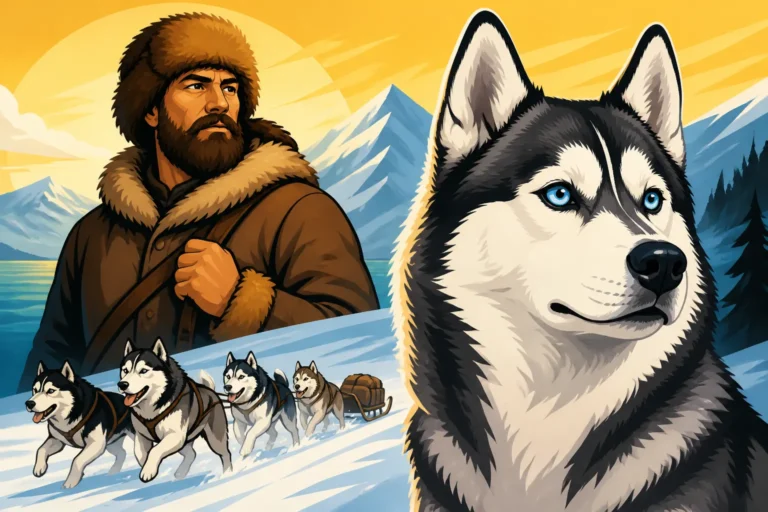
When we talk about the Serum Run, two names often come to mind: Balto and Togo. While Balto received much of the initial fanfare, it was Leonhard Seppala and his lead dog, Togo, who completed arguably the most dangerous and certainly the longest single leg of the entire relay. Seppala, a seasoned musher of Norwegian descent, was revered for his skill and his bond with his dogs. He and his team, led by the then 12-year-old Togo, covered an astonishing 264 miles (425 km) out and back, through blinding blizzards and over treacherous Norton Sound ice. Togo, the Siberian Husky Who Ran 264 Miles delves deeper into this specific journey.
Seppala had originally been sent eastward from Nome to intercept the serum, traveling into the teeth of the storm. He met the previous musher, Charlie Olson, in a fierce blizzard. Without hesitation, Seppala took the serum and turned his team back towards Nome, immediately entering the most perilous part of his journey: the traverse across the shifting ice of Norton Sound. This wasn't a gentle coastal path; it was a shortcut across open water that could crack and drift away at any moment, risking the lives of his entire team and the invaluable cargo. Togo, with his unparalleled intelligence and instinct, guided them through visibility that was virtually zero, saving them from certain doom multiple times.
Gunnar Kaasen and Balto: The Final Dash to Nome
After Seppala and Togo completed their incredible leg, they handed off the serum to another musher, who then passed it to Gunnar Kaasen. Kaasen, with his lead dog Balto, took on the final 53 miles (85 km) to Nome. This leg, though shorter than Seppala's, was no less harrowing. A raging blizzard had intensified, creating whiteout conditions where Kaasen could barely see his hand in front of his face, let alone the trail. The temperatures plummeted further, making every breath a battle.
Despite the blinding snow and punishing winds, Balto, a sturdy and reliable Siberian Husky, pushed forward. Balto, the Siberian Husky Who Reached Nome details this iconic final push. They reached Nome in the early morning hours of February 2, 1925, delivering the life-saving serum to Dr. Welch. The serum was still frozen, but viable, and immediately administered, stopping the diphtheria outbreak in its tracks. Balto became an instant hero, immortalized in statues and stories, symbolizing the courage and determination of all the dogs and mushers involved.
The Collective Effort: Many Mushers, Many Miles
While Togo and Balto captured the headlines, it's vital to remember that the Serum Run was a true team effort, involving twenty mushers and over 150 dogs. Each musher, with their individual team, played a critical role, covering their own demanding segments of the Iditarod Trail and other connecting paths. From "Wild Bill" Shannon who started the relay, to Edgar Nollner, George Nollner, and many others, every hand-off was executed with incredible precision and urgency, demonstrating a remarkable logistical feat under impossible conditions.
The average distance covered by each team was around 31 miles, but some mushers covered much more. The entire relay covered approximately 674 miles (1,085 km) from Nenana to Nome. This wasn't just a race; it was a testament to the community spirit and the deep reliance on dog teams in the Alaskan wilderness. The dogs, predominantly Siberian Huskies and Alaskan Malamutes, showed why What a Siberian Husky Was Bred to Do was so important for survival and transport in these regions. The total time for the relay was an astonishing 5 days, 5 hours, and 25 minutes, an average speed previously thought impossible.
Here's a quick look at some of the key legs:
| Musher | Lead Dog(s) | Distance (Miles) | Segment Description |
|---|---|---|---|
| "Wild Bill" Shannon | None stated | 50 | Nenana to Tolovana, initiating the relay |
| Edgar Nollner | None stated | 24 | Tolovana to Manley Hot Springs |
| George Nollner | None stated | 24 | Manley Hot Springs to Fish Lake |
| Leonhard Seppala | Togo | 264 | Shaktoolik to Golovin (round trip via Little Point) |
| Gunnar Kaasen | Balto | 53 | Bluff to Nome, the final leg |
This table only highlights a few key players, but every single musher and dog team endured immense hardship to contribute to the success of the mission.
The Unseen Challenges: What the Huskies Faced
When we hear about the "miles covered," it’s easy to gloss over the sheer brutality of the conditions. These weren't leisurely trots through a winter wonderland; they were desperate sprints for survival through one of the most hostile environments on Earth.
Battling Blizzard Conditions and Sub-Zero Temperatures
The winter of 1925 was particularly harsh, even for Alaska. The mushers and their teams contended with relentless blizzards that brought visibility down to mere feet, making navigation an almost impossible task. The wind chill often dropped to -70 degrees Fahrenheit (-57 degrees Celsius) or lower, a temperature at which exposed skin can freeze in minutes. Imagine trying to see the trail when the snow is swirling so thick you can’t tell sky from ground, and every gust of wind feels like a physical blow. The Temperatures the Serum Run Huskies Faced were truly life-threatening for both man and beast.
For the Siberian Huskies, while bred for cold, these were extreme limits. Their thick double coats provided remarkable insulation, but even they were pushed to their physiological boundaries. The cold meant mushers had to constantly check their dogs for frostbite on paws, ears, and genitals, and ensure they kept moving to generate body heat. Stopping for too long meant succumbing to the cold. It was a constant dance between pushing hard and risking exhaustion or frostbite, and slowing down and risking freezing. This extreme environment is why Whether Siberian Huskies Need Snow to Work is often discussed in the context of their historical purpose.
Navigating Treacherous Terrain and Thin Ice
Beyond the cold and blizzards, the physical terrain itself was a constant threat. The trail snaked through dense forests, over frozen rivers and lakes, and across vast, open tundra where there was no shelter from the wind. Mushers often had to break trail through deep snowdrifts, adding immense effort for their teams. One of the most perilous sections, as mentioned, was Leonhard Seppala's journey across Norton Sound. The ice was constantly shifting, breaking up, and refreezing, making it a deadly gamble. At one point, Seppala and Togo were stranded on a floating ice floe for hours, clinging to survival as they drifted away from shore.
The consequences of a misstep were dire. Falling through thin ice meant instant hypothermia and potentially losing dogs, sled, and the precious serum. Navigating steep, icy passes, or narrow canyon trails required immense skill from the musher and unwavering trust from the dogs. This was not a smooth, groomed path. It was raw, untamed wilderness, where every bump, crack, and drift posed a significant hazard. The physical toll on the dogs' bodies, though they were incredibly robust, was immense, making one wonder about Siberian Husky Lifespan and What Shortens It in such demanding conditions.
The Lasting Legacy of the Serum Run Huskies
The 1925 Serum Run was more than just a medical emergency; it was a defining moment that showcased the incredible capabilities of the Siberian Husky breed and left an indelible mark on Alaskan and American history.
Cementing the Siberian Husky's Reputation
Before 1925, Siberian Huskies were relatively unknown outside of Alaska's mushing circles. They were often overshadowed by the larger Alaskan Malamutes, but the Serum Run put them firmly in the spotlight. Their speed, endurance, and uncanny ability to navigate in impossible conditions proved their worth beyond measure. The story of Togo, Balto, and the other dogs captivated the nation, turning these hard-working sled dogs into household names and symbols of heroism.
This event dramatically increased the popularity of the breed, leading to more interest in importing and breeding Siberian Huskies in the Lower 48 states. People suddenly understood the extraordinary loyalty, intelligence, and resilience of these animals. It demonstrated that they weren't just utility animals; they were partners, capable of incredible feats when working alongside humans. Their reputation as incredible athletes capable of enduring the harshest conditions was cemented, influencing perceptions of the breed for generations.
A Symbol of Endurance and Canine Dedication
The story of the Serum Run, and the miles Siberian Huskies covered, remains a powerful testament to endurance, both human and canine. It speaks to the incredible bond between a musher and their team, a partnership built on trust, respect, and mutual reliance in the face of overwhelming odds. These dogs didn't just carry a package; they carried the hope of a community, and they did so with an unwavering spirit that continues to inspire.
The legacy extends beyond statues and history books. It continues in the annual Iditarod Trail Sled Dog Race, which largely follows the path of the Serum Run, honoring the original heroes. It also lives on in the very nature of the breed itself. Modern Siberian Huskies, while perhaps not pulling serum through blizzards, still carry that innate drive, that love for running, and that intelligence. When you see a Husky today, whether they're racing on a trail or curled up on a couch, you're looking at a descendant of heroes, a breed shaped by a history of dedication, speed, and boundless spirit, perfectly designed for the challenges they were bred to overcome. From their historical roles to their modern lives, understanding their lineage truly enriches the experience of having one in your life.
Disclaimer
This article is for general informational purposes only and does not constitute professional advice. Laws, prices and regulations vary by location and change over time. Consult a qualified professional for guidance on your specific situation.