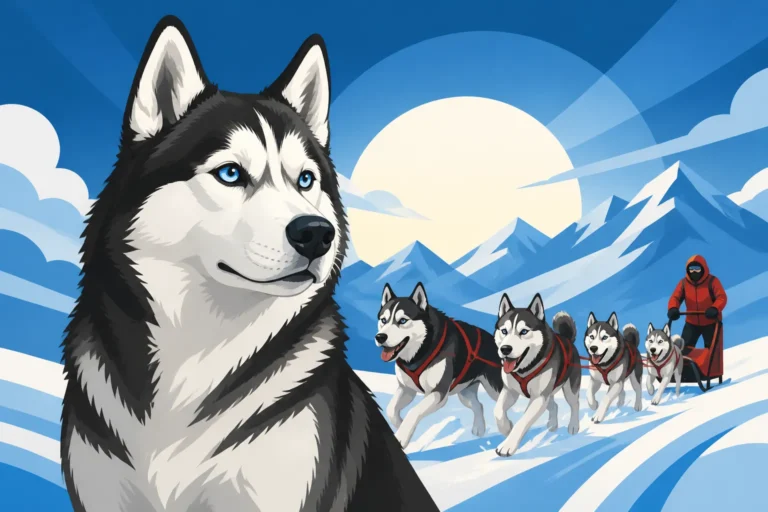
Togo, the Siberian Husky Who Ran 264 Miles
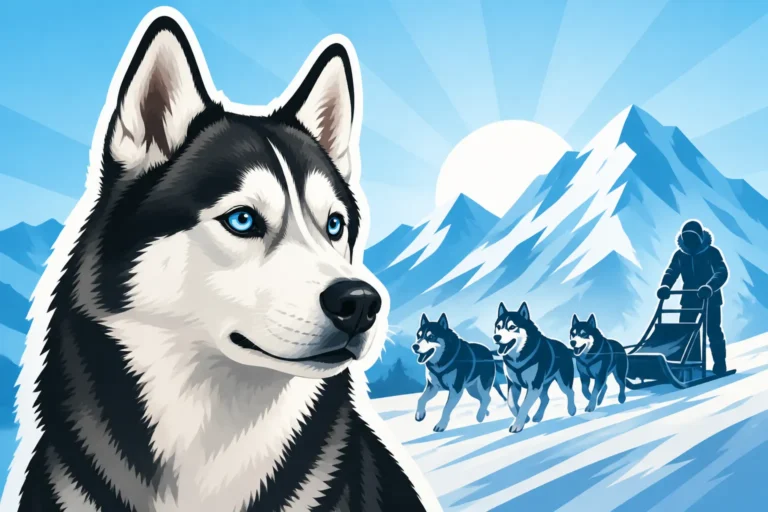
The story of the 1925 Serum Run to Nome is legendary, a tale often simplified to a single heroic dog and musher. But for anyone who truly delves into the history, it quickly becomes clear that the real hero of that perilous journey, the dog who faced the most brutal conditions and covered the most ground, often gets overlooked. This guide aims to bring to light the incredible endurance, intelligence, and sheer will of Togo, the Siberian Husky whose epic run ensured the survival of countless lives in Nome.
The Context of the 1925 Serum Run to Nome
Imagine a remote Alaskan town in the dead of winter, cut off from the world by blizzards and ice. This wasn't just an inconvenience; it was a matter of life and death when a deadly illness threatened the children. Understanding this dire situation is crucial to appreciating the heroism of the dogs and mushers involved.
The Diphtheria Crisis in Nome
In January 1925, the isolated town of Nome, Alaska, found itself in the grip of a diphtheria epidemic. Diphtheria is a highly contagious and often fatal bacterial infection that particularly strikes children. The small hospital in Nome had a limited supply of antitoxin, and it was quickly running out. Without more serum, the prognosis for the town's children was grim. Panic began to set in among the residents as the infection spread, and the severe winter weather made conventional transport impossible. The nearest viable supply of antitoxin was in Anchorage, thousands of miles away. The desperation was palpable; every day without the serum meant more lives lost, more families devastated. The cold, the isolation, and the sheer helplessness of the situation created an incredibly tense atmosphere. The Diphtheria Outbreak That Sent Huskies to Nome details this crisis further.
The Call for Help and the Relay Plan
With roads impassable and planes unable to fly in the extreme cold, the only viable option was a dog sled relay. A plan was quickly hatched: the life-saving antitoxin would be transported by train from Anchorage to Nenana, a distance of over 300 miles. From Nenana, a relay of dog teams would carry the serum across the remaining 674 miles to Nome. This was an unprecedented undertaking, demanding not just speed but incredible resilience from both the mushers and their canine teams. The stakes couldn't have been higher; the lives of children depended on these dogs and their human partners navigating treacherous terrain in sub-zero temperatures and blinding blizzards. Each musher and their team would run a segment, passing the precious cargo like a baton in a race against time and nature.
Leonhard Seppala: Togo's Musher and Partner
At the heart of Togo's story is his legendary musher, Leonhard Seppala. Their bond was extraordinary, forged over years of challenging work in the Alaskan wilderness, and it played a pivotal role in the success of the Serum Run.
Seppala's Background with Siberian Huskies
Leonhard Seppala was already a renowned musher, celebrated for his skill, speed, and deep understanding of his dogs. He had established himself as a dominant force in Alaskan dog sled racing, and his teams of Siberian Huskies were famous for their endurance and toughness. Seppala received his first Siberian Huskies in 1914, a gift from a breeder. He quickly recognized their exceptional qualities: their incredible stamina, their efficient metabolism, and their uncanny ability to thrive in the harshest conditions. Unlike some mushers who favored larger, more powerful dogs, Seppala championed the smaller, faster Siberian Huskies, proving their superiority in the grueling long-distance races of Alaska. This intimate knowledge of the breed, combined with his unparalleled mushing experience, made him the natural choice to lead the most critical leg of the Serum Run. Leonhard Seppala and His Siberian Huskies provides more insight into his history.
The Unbreakable Bond with Togo
Togo was more than just a lead dog for Seppala; he was a true partner. Born in 1913, Togo initially seemed too small and sickly to be a sled dog. He was rambunctious, difficult to control, and often escaped his confinement. Seppala nearly gave him away as a pet several times. However, Togo's undeniable spirit and natural leadership eventually shone through. At just eight months old, after escaping and running many miles to catch up to Seppala's team, he proved his worth. Seppala saw something special in the dog, a combination of intelligence, intuition, and an almost superhuman drive. This wasn't a master-and-servant relationship; it was a deep partnership built on mutual respect and understanding. Togo knew Seppala's commands and often anticipated them, demonstrating an almost telepathic connection that allowed them to navigate blizzards where visibility was zero. This bond was crucial when they faced the ultimate test during the Serum Run.
Togo's Unprecedented Journey: The Longest Leg
While many teams contributed to the Serum Run, Togo and Seppala took on the most dangerous and extensive portion, a testament to their unparalleled capabilities. Their leg was not merely long; it was fraught with peril, pushing the limits of survival.
Facing the Treacherous Norton Sound
When the call came for the serum relay, Seppala was 45 years old and Togo was 12, an advanced age for a lead dog, yet their experience was unmatched. Seppala and Togo's team were chosen to run the longest and arguably the most dangerous leg of the relay. They set out eastward from Nome, intending to meet another team and collect the serum. However, due to communication mix-ups and the vast distances, they ended up pushing much further than originally planned. Their journey involved traversing the treacherous ice of Norton Sound, a decision Seppala made to save critical time, cutting across 20 miles of shifting, dangerous ice where the risk of falling through or being stranded on an ice floe was constant. This was an incredibly high-stakes gamble, requiring pinpoint navigation and unwavering trust between man and dog. Togo’s instinct was paramount here, guiding them through whiteouts and over cracking ice, often sensing dangers long before Seppala could. The Miles Siberian Huskies Covered to Nome gives a broader picture of the relay's distance.
The Leadership and Instinct of a True Hero
Togo's leadership during this leg was nothing short of miraculous. When conditions became so severe that Seppala couldn't see his hand in front of his face, it was Togo who led the team, relying solely on his instinct and an innate sense of direction. He navigated blinding blizzards, climbed steep inclines, and crossed frozen rivers with an unerring sense of purpose. At one point, with the team stranded on a floating ice floe in Norton Sound, Togo heroically plunged into the freezing water to pull the ice anchor, successfully guiding the floe to shore and saving his entire team from certain death. This act of bravery, coupled with his consistent ability to find the trail despite zero visibility, cemented his status as an unparalleled lead dog. His intelligence and decision-making under extreme duress were crucial factors in keeping the team moving and the serum safe.
The Physical Toll and Mental Fortitude
Over their leg of the relay, Togo and his team covered an astounding 264 miles, often running through gale-force winds and temperatures plunging to 60 degrees below zero Fahrenheit. This was more than double the distance of any other team in the relay. The physical exertion was immense, particularly for a 12-year-old dog. Togo endured frozen paws, exhaustion, and the constant threat of hypothermia. Yet, his mental fortitude matched his physical endurance. He never gave up, never lost his focus, and consistently pushed through pain and fatigue, driven by the instinct to lead and the trust he placed in Seppala. The conditions were so brutal that many other dogs would have simply given up, but Togo's spirit remained unbroken. His journey exemplifies the incredible resilience bred into the Siberian Husky.
Beyond Balto: Togo's Legacy and Recognition
While Balto became a household name, Togo's story often remained in the shadows. However, in recent years, there has been a growing movement to give Togo the recognition he so rightly deserves.
The Media Narrative and Balto's Fame
After the serum successfully reached Nome, the media spotlight largely fell on the final team and its lead dog, Balto. Balto, led by musher Gunnar Kaasen, ran the last 53-mile leg into Nome, delivering the antitoxin to the waiting town. His team's arrival was dramatic and made for a compelling newspaper story, quickly catching the public imagination. Statues were erected, movies were made, and Balto became a symbol of canine heroism. While Balto's contribution was significant, the intense focus on him inadvertently overshadowed the truly monumental efforts of dogs like Togo and teams like Seppala's, who had covered far greater distances and faced even more severe dangers. It’s a classic example of how the finish line hero often gets all the glory, even when the real heavy lifting was done much earlier.
Efforts to Honor Togo's True Contribution
In recent decades, historians, musher enthusiasts, and Siberian Husky lovers have worked tirelessly to correct the historical narrative and ensure Togo receives his rightful place in the annals of heroic dogs. The true scope of his journey and the extraordinary challenges he overcame are now widely recognized. His story is taught in schools, featured in documentaries, and celebrated by breed clubs. There’s a widespread appreciation for the fact that without Togo and Seppala’s epic run, the serum might never have made it close enough for Balto to deliver. Many feel it's essential to acknowledge the entire relay and the immense efforts of all involved, especially those who took on the longest, most dangerous legs, rather than just the final leg.
Togo's Later Life and Enduring Spirit
After the incredible strain of the Serum Run, Togo retired from his working life. He and Seppala went on a tour across the contiguous United States, showcasing the Siberian Huskies who saved Nome. Togo was celebrated, though perhaps not to the same degree as Balto. Eventually, he settled into a comfortable life in New England with Elizabeth Ricker, a fellow musher and friend of Seppala’s, where he lived out his days as a beloved companion. He passed away in 1929 at the age of 16. Togo's body was preserved and can still be seen today at the Peabody Museum of Natural History at Yale University, a permanent testament to his enduring spirit and heroic journey. It's a powerful experience to see him, a reminder of the living history he represents. Where the Siberian Husky Togo Is Preserved Today provides details on his current location.
The Impact of Togo on the Siberian Husky Breed
Togo’s incredible performance during the Serum Run did more than just save lives; it cemented the reputation of the Siberian Husky as an extraordinary working breed and showcased their unique traits to the world.
Highlighting Breed Traits Through Heroism
The 1925 Serum Run wasn't just a race against time; it was an extreme demonstration of the Siberian Husky's inherent qualities. Togo's performance, particularly his unparalleled endurance, intelligence, and survival instincts, brought these traits into sharp focus. He showed the world that these dogs, often underestimated due to their smaller stature compared to other sled dog breeds like the Alaskan Malamute, possessed an unmatched combination of speed and stamina. His ability to navigate, lead, and persevere in such harsh conditions highlighted the breed's incredible working drive and genetic predisposition for cold weather and long-distance travel. The story became a powerful narrative validating what many mushers, including Seppala, had long known about these magnificent dogs.
The Endurance and Resilience of the Siberian Husky
One of the most defining characteristics of the Siberian Husky, beautifully exemplified by Togo, is their remarkable endurance. They are built for sustained effort, not just short bursts of speed. Their efficient metabolism allows them to cover vast distances on relatively little food, a trait honed over centuries by the Chukchi people who developed the breed. During the Serum Run, when other breeds might have succumbed to fatigue or the extreme cold, Togo and his team continued their relentless pace. This resilience is a hallmark of the breed, allowing them to withstand some of the most challenging environments on Earth. It's why they excel in activities like canicross, bikejoring, and long-distance sledding even today. When considering a husky, remember this incredible capacity for sustained activity; it's deeply ingrained.
Togo's Influence on Future Breeding Lines
Togo's heroic run, and the subsequent recognition of his and Seppala’s team, had a significant impact on the development and popularity of the Siberian Husky breed. It showcased their genetic superiority for pulling light loads over long distances in arctic conditions. Breeders began to seek out and emphasize the qualities that Togo embodied: intelligence, strong leadership, endurance, and a keen sense of direction. While racing lines like the Seppala Siberian Sleddogs developed with direct lineage to these historical dogs, even show lines and pet lines were influenced by the desire to maintain the integrity and robust health of the breed. Prospective owners, perhaps inspired by Togo's story, started appreciating the breed not just for their striking looks but for their incredible athleticism and mental fortitude. Many reputable breeders today still highlight the working origins of their lines, ensuring that the spirit and capabilities of dogs like Togo live on. You can even find specialized high-energy dog foods at retailers like Chewy designed to support the metabolism of such active breeds, helping owners meet the demanding nutritional needs inherent to these dogs.
Responsible Ownership Inspired by Heroic Huskies
The story of Togo and the Serum Run isn't just a historical footnote; it’s a powerful lesson in responsible dog ownership, particularly for a breed as special as the Siberian Husky. Their history informs their needs today.
Understanding the Husky's Innate Drive
Siberian Huskies, even those who will never pull a sled across frozen tundras, retain the incredible drive and energy that allowed dogs like Togo to accomplish such feats. They possess a deep-seated need for exercise, mental stimulation, and a "job" to do. Many people are drawn to their beautiful appearance, those striking blue eyes or dramatic markings, but fail to fully grasp the commitment required to keep a husky happy and healthy. This innate drive means they aren't content with just a leisurely stroll around the block. They need outlets for their energy, whether it's long runs, hiking, playing vigorous games, or even participating in organized dog sports. Understanding this fundamental aspect of their temperament is the first step toward a fulfilling relationship with your husky. Without it, you might find yourself with a bored, destructive, or escape-artist dog.
The Importance of Training and Engagement
A dog with Togo's intelligence and independence requires consistent, positive training and constant engagement. Huskies are smart, but they're not necessarily eager to please in the way some other breeds are. They often require motivation and can appear "stubborn" if they don't see the point of a command. This independence means that recall, in particular, can be a lifelong challenge, which is why Why a Siberian Husky Cannot Be Trusted Off Leash is such a critical read for any owner. Training sessions need to be short, fun, and varied to keep their interest. Puzzle toys, interactive games, and rotating their enrichment items can help stimulate their active minds. Just like Togo was a partner to Seppala, your husky needs to feel like a collaborator in their own life, not just a recipient of commands. Ensuring they have a variety of experiences and opportunities to learn will help channel their intelligence productively.
Providing a Secure Environment
Given their history of covering vast distances and their strong prey drive, Siberian Huskies have a well-deserved reputation for being escape artists. Togo himself was known for escaping as a puppy! This means providing a secure environment is paramount. Six-foot fences with L-footers to prevent digging are often recommended, and even then, some Huskies can be master climbers or gate-openers. Microchipping and reliable identification are non-negotiable for a breed so prone to wandering. The risks of an escaped husky, from traffic accidents to encounters with wildlife, are very real. Investing in secure containment solutions and always being vigilant about open doors or gates is part of responsible ownership. Products like secure crates or robust outdoor kennel runs, which you can often find at pet supply retailers like Chewy, become essential tools for keeping these adventurous dogs safe. It's not about restricting them; it's about channeling their innate desire to roam in a safe, controlled way.
| Hero Dog Name | Musher | Key Leg (miles) | Role in Relay | Outcome |
|---|---|---|---|---|
| Togo | Leonhard Seppala | 264 | Longest, most perilous | Delivered serum to next musher, saving critical time over Norton Sound |
| Balto | Gunnar Kaasen | 53 | Final leg | Delivered serum to Nome, became famous |
| Fox | Henry Ivanoff | 30 | Received serum from train | First leg of the actual dog sled relay |
| Scotty | Charlie Olsen | 26 | Challenging ice/wind | Lost and regained serum; team persevered |
The Legacy of Togo in Modern Siberian Huskies
Togo's story continues to resonate, not just as a historical event, but as a living testament to the spirit of the Siberian Husky. His legacy shapes how we view, train, and care for this remarkable breed today.
Connecting Past Heroism to Present-Day Needs
When we talk about the immense exercise needs of a Siberian Husky, their intelligence, their occasional stubbornness, or their incredible endurance, we are in essence talking about traits that were vividly demonstrated by dogs like Togo. His journey illustrates why a Siberian Husky needs regular, vigorous exercise that goes beyond a casual walk. It explains why they thrive when given a "job" or a purpose, even if that purpose is just running alongside their human companion on a bikejor or canicross trail. The legacy of the Serum Run is a direct link to the modern Husky's physical and mental requirements. It’s a powerful reminder that these dogs are not just pets; they are descendants of true working heroes, and their needs reflect that heritage. Neglecting these needs means ignoring thousands of years of selective breeding for a specific purpose.
The Enduring Appeal of the Siberian Husky
Despite the significant challenges associated with owning a Siberian Husky, their enduring appeal is undeniable. Their striking appearance, playful personalities, and rich history continue to captivate people worldwide. The story of Togo, along with other heroes of the Serum Run, contributes significantly to this allure. It paints a picture of a dog that is not only beautiful but also incredibly capable, resilient, and intelligent. For those who are prepared to meet their unique needs, a Siberian Husky can be an incredibly rewarding companion. Their independence and energy require a committed owner, but in return, they offer a bond that is deeply satisfying, full of character, and brimming with the same adventurous spirit that drove Togo across the Alaskan wilderness.
Honoring the Breed's Heritage
As Siberian Husky owners, we have a responsibility to honor the breed's heritage by understanding and meeting their inherent needs. This means being honest with ourselves about the commitment required, providing ample exercise and mental stimulation, ensuring secure containment, and engaging in consistent, positive training. It also means recognizing and celebrating the historical figures like Togo who helped define the breed's reputation. When we see our huskies bounding through the snow, or even just talking back with their distinctive vocalizations, we can reflect on the incredible journey of their ancestors. Their bravery and endurance are part of the very fabric of the breed, a story woven into their DNA. By understanding What a Siberian Husky Was Bred to Do, we can appreciate the depth of their character and strive to give them the best possible life that respects their powerful legacy.
Disclaimer
This article is for general informational purposes only and does not constitute professional advice. Laws, prices and regulations vary by location and change over time. Consult a qualified professional for guidance on your specific situation.