What Mushers Mean by an Alaskan Husky
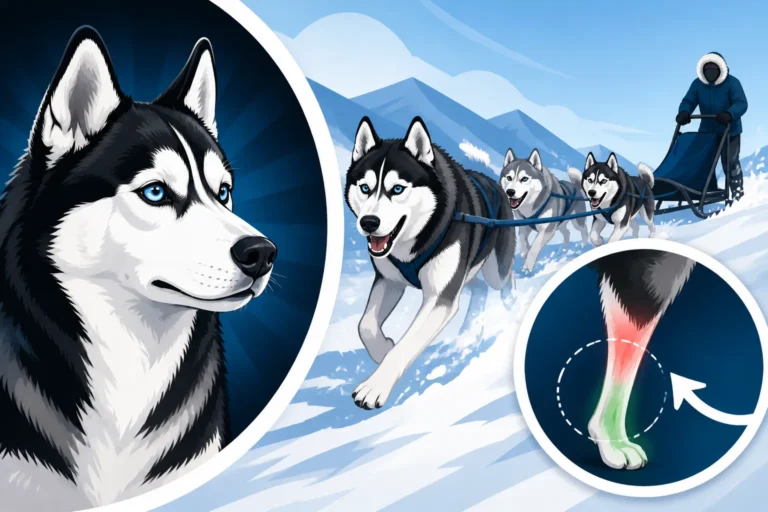
It’s incredibly common for people new to the world of sled dogs to hear the term "Alaskan Husky" and assume it's simply a regional variant of the Siberian Husky. While the Siberian Husky plays a foundational role in their lineage, the Alaskan Husky is actually a distinct type of dog, bred with a singular, laser-focused purpose that sets it apart from any traditional breed. If you've ever wondered why these incredible athletes look so varied, or why they dominate the long-distance race trails, you’re in the right place. This guide will clarify what mushers truly mean when they talk about an Alaskan Husky, and shed light on the unique blend of traits that make them unparalleled in their field.
The Alaskan Husky: A Champion Defined by Performance, Not Pedigree
Many people automatically think of a "breed" as something recognized by organizations like the American Kennel Club (AKC) with a specific written standard for appearance, size, and temperament. The Siberian Husky, with its iconic blue eyes and plush coat, fits this description perfectly. However, the Alaskan Husky operates on a completely different paradigm. It's not a registered breed in the traditional sense, and its identity is forged entirely on its working ability.
A Definition Rooted in Function, Not Appearance
When a musher talks about an Alaskan Husky, they aren't describing a dog that conforms to a set of physical traits like coat color or ear set. Instead, they are referring to a type of dog specifically bred for supreme athletic performance in sled dog racing. This means the primary criteria for breeding are speed, endurance, a strong will to run, and overall toughness—not a specific look. You could line up fifty Alaskan Huskies, and they might all look quite different, ranging from lean, short-coated dogs resembling hounds to more powerfully built dogs with denser fur. The only consistency you'll find is their boundless energy and innate desire to pull.
Imagine a world where Olympic athletes weren't chosen based on their genetics for running, jumping, or swimming, but purely on their hair color or eye shape. It would be absurd, wouldn't it? That's precisely why mushers don't adhere to traditional breed standards for their Alaskan Huskies. They're looking for the genetic lottery winners when it comes to pulling a sled, regardless of what they look like. Their appearance is a byproduct of their function, not the goal. This functional breeding ensures that every puppy is a potential champion on the trail, designed for the rigorous demands of competitive racing.
Why No AKC Registration? The Working Dog Ethos
The absence of AKC or other kennel club registration for the Alaskan Husky isn't an oversight; it's a deliberate choice that underscores their working dog ethos. Traditional breed registries focus on maintaining purity of bloodline and adherence to a physical standard developed over generations. For a breed like the Siberian Husky, for instance, there's a detailed What the AKC Standard Asks of a Siberian Husky that defines everything from their gait to their tail carriage. This is crucial for preservation and conformation showing.
However, for mushers, the priority is singular: to create the fastest, most enduring, and most resilient sled dog possible. This often requires crossbreeding various dog types to combine desired traits, a practice strictly forbidden by purebred registries. A musher isn't interested in whether a dog's ears are set at the perfect angle or if its coat is precisely the right length according to a book; they care if it can cover 100 miles a day with enthusiasm and minimal risk of injury. The "paper" that matters to them isn't an AKC certificate, but rather a performance pedigree, charting how well a dog's ancestors performed on the race trail. This approach liberates them from aesthetic constraints and allows for continuous genetic improvement in working ability, pushing the boundaries of what a sled dog can achieve.
The Genetic Symphony: Ancestry of the Alaskan Husky
The Alaskan Husky is a masterclass in selective breeding, a carefully orchestrated blend of different breeds, each contributing specific traits to create the ultimate sled dog athlete. It’s not just random mixing; it’s a calculated genetic strategy.
Key Contributing Breeds: Speed, Stamina, and Toughness
The magic of the Alaskan Husky lies in its diverse genetic makeup. Mushers have experimented for generations, crossing various breeds to achieve the perfect balance of speed, endurance, and mental fortitude. The primary players in this genetic symphony usually include:
- Siberian Huskies: These are the backbone for many Alaskan Husky lines, bringing their legendary endurance, thick double coats for cold weather protection, efficient metabolisms, and a strong innate desire to pull. Their heritage, stemming from The Chukchi Origins of the Siberian Husky, provides a solid foundation of sled dog instinct and resilience.
- Pointers (especially German Shorthaired Pointers): Often incorporated for their incredible speed, powerful drive, and athletic build. Pointers contribute a leaner physique, shorter coat, and an explosive burst of energy that can dramatically increase a team's pace. Their intense focus and keen intelligence also translate well to the trail, though they may require more protective gear in extreme cold due to their thinner coats.
- Greyhounds: Renowned for their unparalleled speed, Greyhounds are sometimes introduced for pure acceleration. Their long legs and powerful hindquarters can give a team that extra edge in sprint races, though their very thin coats make them unsuitable for the coldest conditions without significant protection.
- Other Working Breeds: Occasionally, other breeds known for their athleticism, intelligence, or toughness might be subtly introduced depending on the musher's specific goals. This might include certain retriever breeds for their good nature and retrieving instincts, or even some herding breeds for their biddability and intelligence.
The ratio and combination of these breeds vary wildly from one kennel to another, depending on the musher's racing style, the specific climate they operate in, and the desired traits for their team. It's a living, evolving blueprint for athletic excellence.
The "Designer Dog" of the Sled World: Intentional Crossbreeding
While the term "designer dog" often conjures images of trendy crosses like "poodles" and "doodles" for pet owners, the Alaskan Husky is the original, serious working dog version of this concept. This isn't about creating cute companions; it's about crafting an elite athlete through intentional, highly selective crossbreeding. Every mating is typically a carefully considered decision, aimed at enhancing specific traits needed for the demanding sport of dog sledding.
Mushers maintain extensive internal pedigrees, even if they aren't recognized by a national registry. They meticulously track the performance of parents, grandparents, and even great-grandparents, noting which dogs excelled in certain conditions, which were leaders, which had incredible stamina, and which unfortunately developed health issues. This detailed knowledge allows them to predict how a particular cross might perform, and to identify lines that consistently produce top-tier athletes. For example, a musher might cross a Siberian-dominant Alaskan Husky known for its endurance with a Pointer-cross known for its speed, hoping to produce offspring with a perfect blend of both. It's a testament to the dedication and scientific approach of these breeders, who view their dogs as partners in an extreme sport, and every breeding as an opportunity to refine and improve the next generation of champions.
Performance Over Purity: The Guiding Principle
The core philosophy driving Alaskan Husky breeding is unequivocally "performance over purity." Unlike many purebred enthusiasts who prioritize maintaining specific breed characteristics, mushers are solely focused on optimizing their dogs' abilities to run and pull, making them the most efficient and powerful sled dogs possible.
Tailoring Dogs for Specific Racing Disciplines
The sled dog racing world is diverse, with different types of races demanding different canine attributes. This directly influences how Alaskan Huskies are bred and trained.
-
Sprint Racing: These races are shorter, typically ranging from a few miles to around 100 miles, and are all about explosive speed and maintaining a blistering pace. For sprint teams, mushers might favor Alaskan Huskies with a higher percentage of Pointer or Greyhound blood. These dogs tend to be leaner, with shorter coats, and a conformation built for raw acceleration. Their high energy and intense drive are channeled into short bursts of incredible speed, where every second counts. They need to be agile, responsive, and able to maintain top speeds for the duration of the race, often covering ground at speeds that would leave many other breeds in the dust. The intense training for these dogs is geared towards developing peak cardiovascular fitness and muscular power, with a diet tailored to rapid energy consumption.
-
Long-Distance Racing: Think the Iditarod or the Yukon Quest—races spanning hundreds or even over a thousand miles across brutal terrain and extreme cold. Here, endurance, resilience, mental toughness, and an efficient metabolism are paramount. Dogs for these races often have a stronger What a Siberian Husky Was Bred to Do influence, giving them denser coats, greater stamina, and a more robust build. They might not be as fast as sprint dogs, but they can maintain a steady, powerful pace for days on end, shrugging off harsh weather and conserving energy. These dogs are bred to thrive on minimal food, recover quickly, and possess an unwavering desire to keep moving forward, even when exhausted. Their ability to handle extreme temperature fluctuations, from intense cold to thawing snow, and to navigate complex trails without faltering is critical for success.
This specialization means a dog perfectly suited for an Iditarod team might be too slow for a sprint race, and vice-versa. Mushers carefully select breeding pairs based on the specific demands of their chosen discipline, creating lines of Alaskan Huskies uniquely adapted to conquer their respective challenges.
Health and Longevity as Breeding Priorities
It might seem counterintuitive to focus on health over traditional beauty in competitive breeding, but for Alaskan Huskies, soundness is non-negotiable. A dog cannot win a race if it's constantly battling injuries or genetic ailments. Mushers invest tremendous time, effort, and resources into their dogs, and a healthy, long-lived athlete is their most valuable asset.
This means that ethical Alaskan Husky breeders are intensely focused on genetic health. While they don't have AKC-mandated health clearances, many actively screen their breeding stock for common issues found in the parent breeds. For example, hip and elbow dysplasia, common in many athletic breeds, would be a serious concern. While a Siberian Husky Hips and Why the Rate Is Low, other breeds in the mix might have higher rates, so responsible breeders would still assess for soundness. Eye health is also critical; conditions like progressive retinal atrophy or cataracts, seen in Siberians, would be detrimental to a working dog. Regularly checking for Siberian Husky Eye Disease and the Annual Exam in their foundational lines is a common practice, even if the "Alaskan Husky" itself doesn't have a single breed-specific protocol. They're looking for dogs with strong constitutions, good teeth, healthy hearts, and excellent feet—traits that will hold up over thousands of miles on the trail. Longevity is also highly prized, as a musher wants their top athletes to have long, productive racing careers. This focus on functional health ensures the Alaskan Husky remains a pinnacle of canine athleticism.
Defining Characteristics of the Alaskan Husky
Because the Alaskan Husky is a type rather than a standardized breed, its characteristics are more about performance and attitude than a fixed physical template. However, there are some common traits that define these incredible dogs.
Appearance: A Diverse Look for a Diverse Lineage
If you're expecting uniformity when you see an Alaskan Husky, you'll be surprised! Their appearance is as varied as their genetic heritage, reflecting the diverse breeds that contribute to their makeup.
- Coat Type: You'll find a wide spectrum of coats. Some Alaskan Huskies, especially those with more Pointer or Greyhound influence, might have very short, sleek coats. These dogs excel in speed but require protective dog coats in extremely cold conditions. Others, with a stronger Siberian Husky heritage, will have a more moderate double coat, providing better insulation, though typically not as dense or fluffy as a purebred Siberian's. You won't generally see the "wooly" coats sometimes found in Siberians, as these can easily collect snow and ice, hindering performance.
- Colors and Markings: Any color goes! From solid black, white, or red, to various shades of gray, brown, and tan, often with distinctive markings like masks, blazes, or spots inherited from their Pointer or hound ancestors. There's no "correct" color, as it bears no relation to working ability.
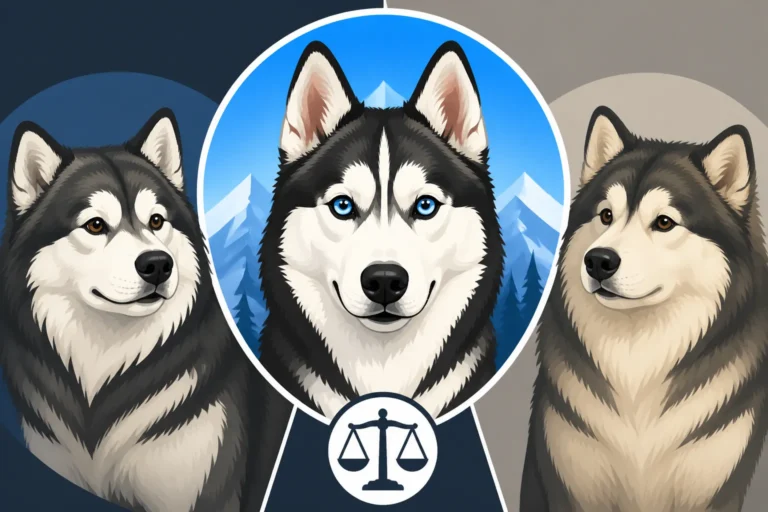
- Eye Color: While the vibrant blue eyes are a hallmark of many Siberian Huskies, they are much less common in Alaskan Huskies. Brown eyes are prevalent, especially in lines with Pointer or other non-blue-eyed breed influence. You might still see bi-colored eyes or one blue eye, but it's not a defining characteristic. This stands in contrast to the purebred world where Siberian Husky Eye Colors and Heterochromia are celebrated.
- Build: Generally, Alaskan Huskies tend to be lean and athletic, with strong musculature and powerful hindquarters built for propulsion. They are typically medium-sized, ranging from about 35 to 60 pounds, though some can be larger or smaller depending on their specific genetic blend. Their bodies are designed for efficiency and endurance, without any excess bulk.
Ultimately, a musher looking at a litter of Alaskan Husky puppies won't be picking the one with the "prettiest" coat or eye color. They'll be looking for signs of alertness, confidence, good conformation, and an eagerness to engage, knowing that these are the true indicators of a future champion.
Temperament: Driven, Resilient, and Ready to Run
The temperament of an Alaskan Husky is perhaps its most consistent and defining characteristic. These dogs are absolutely bursting with energy, drive, and an unwavering enthusiasm for their work.
- Incredible Drive: These are dogs with an insatiable desire to run and pull. It's not just a hobby; it's what they were bred for, and it's deeply ingrained in their DNA. This drive is a powerful motivator for mushers. They live to move, and their joy is palpable when they are hooked into a harness.
- Resilience and Toughness: Alaskan Huskies are incredibly hardy, both physically and mentally. They can withstand brutal weather conditions, push through exhaustion, and recover quickly. They possess a mental toughness that allows them to keep going even when the trail is challenging, and they rarely complain.
- Intelligence and Independence: While they are highly trainable for specific cues like "Gee" (right) and "Haw" (left), they are also independent thinkers. On the trail, a lead dog needs to make quick decisions, sometimes overriding the musher if there's danger. This independent streak is different from the "stubbornness" sometimes attributed to purebred Siberians; it's an intelligent self-preservation instinct. This means that while training a Training an Independent Siberian Husky might require patience, an Alaskan Husky often has an even higher capacity for strategic thought on the trail.
- Friendly and People-Oriented: Despite their intense working drive, most Alaskan Huskies are surprisingly friendly and social with people. Mushers need to be able to handle their dogs easily, often in remote locations, and a dog with an aggressive or overly aloof temperament would be a liability. They generally form strong bonds with their human handlers and are quite affectionate in their downtime, which is often rare!
- High Prey Drive: Many Alaskan Huskies, particularly those with Pointer influence, will have a very high prey drive. This is a double-edged sword: it helps them focus and ignore distractions on the trail, but it also means they need extremely secure containment and careful supervision around smaller animals.
Understanding these inherent traits is crucial for anyone considering an Alaskan Husky, even as a retired athlete. They are not simply "pets"; they are finely tuned working machines that require immense physical and mental engagement to thrive.
Siberian Husky vs. Alaskan Husky: A Side-by-Side Look
The terms "Siberian Husky" and "Alaskan Husky" are often used interchangeably by the general public, but for anyone involved in sled dog sports or serious dog ownership, the distinction is clear and profound. It’s a comparison between a traditional purebred and a performance-bred athlete.
Differences in Purpose and Performance
The most fundamental difference between these two "Huskies" lies in their reason for being.
-
Siberian Husky: The All-Around Workhorse and Companion: The Siberian Husky was originally bred by the Chukchi people of Siberia for light freight pulling over long distances in extremely cold conditions, often with limited food. They were also integral parts of the family, sharing tents and bonding closely with their human companions. Their breeding emphasized endurance, efficiency, and a cooperative temperament. As a result, modern Siberian Huskies, while capable of harness work, are also highly valued as family pets and show dogs. They are known for their efficient metabolism, moderate speed, and impressive stamina, but typically aren't bred for the explosive speed or extreme, sustained effort seen in competitive racing. When considering Siberian Husky Against the Alaskan Malamute, you'll see a similar emphasis on specific roles within traditional sledding.
-
Alaskan Husky: The Elite Racing Machine: The Alaskan Husky, by contrast, has been selectively bred over the last century specifically for speed and endurance in competitive sled dog racing. Their purpose is solely to win races, whether they are short, fast sprints or epic, multi-day marathons like the Iditarod. Every genetic decision, every cross, is made to optimize their athletic capabilities. They are purpose-built for high-octane performance, often sacrificing the consistent purebred appearance for supreme function. This makes them significantly faster and more intensely driven than most purebred Siberians, and their training and care regimens reflect this elite athletic status. Their very existence is a testament to the idea that form follows function.
These different purposes dictate everything from their physical build to their dietary needs and mental fortitude. One is a versatile and beloved purebred, the other is a specialized, modern super-athlete.
The Pet vs. Athlete Distinction
This difference in purpose naturally leads to a clear distinction in their roles within human society.
-
Siberian Husky as a Pet: Many Siberian Huskies make fantastic family pets, provided their owners are prepared for their high energy, independent nature, intense shedding, and need for secure containment. They enjoy exercise, thrive on companionship, and can participate in various dog sports from agility to recreational canicross. Their unique temperament can be challenging, but for experienced owners, they are deeply rewarding. They are affectionate, vocal, and have a unique charm that captivates many.
-
Alaskan Husky as an Athlete: An Alaskan Husky is almost exclusively an athlete. While they are friendly dogs, their energy levels and inherent drive are so immense that they are rarely suitable for a casual pet home. They truly need a job, and that job is typically running in harness. Attempting to keep an Alaskan Husky as a backyard pet with only daily walks would be a recipe for disaster, leading to destructive behaviors, anxiety, and a generally unhappy dog. Their physical and mental requirements are simply too high for a sedentary lifestyle. Retired racing Alaskan Huskies sometimes find wonderful homes, but even they require owners dedicated to providing continued, vigorous exercise and mental stimulation that goes far beyond what most pet owners can offer. They are dogs designed to cover vast distances at speed, and without that outlet, they will channel their energy elsewhere, often destructively.
This fundamental distinction is why understanding what mushers mean by an Alaskan Husky is so important. It's not just a name; it's a descriptor of a highly specialized, elite working dog.
| Feature | Siberian Husky | Alaskan Husky |
|---|---|---|
| Origin | Purebred, ancient Chukchi people | Performance-bred, modern sled dog racing |
| Primary Purpose | Light freight pulling, endurance, companion | Competitive sled racing (speed, endurance, power) |
| Breed Standard | Yes, AKC/FCI recognized | No formal breed standard, "type" of dog |
| Ancestry | Primarily ancient sled dog lines | Mix of Siberian Husky, Pointer, Greyhound, GSP, etc. |
| Appearance | Consistent double coat, erect ears, almond eyes. Blue/bi-eyes common. | Highly varied coats (short to moderate), diverse colors, often brown eyes. |
| Temperament | Friendly, independent, vocal, can be stubborn, moderate prey drive | High drive, intensely focused, resilient, friendly, very high prey drive |
| Exercise Needs | Very high, requires significant daily exercise | Extremely high, requires competitive level training daily |
| Coat Type | Dense double coat for insulation | Varies (short to moderate double coat) |
| Weight Range | Males: 45-60 lbs, Females: 35-50 lbs | Generally similar, can be slightly leaner or heavier |
| Diet | Moderate calorie, efficient metabolism | Very high calorie, specialized diet for athletes |
| Role | Pet, show dog, recreational athlete | Elite racing athlete, working dog |
Living with an Alaskan Husky: Beyond the Race Trail
Bringing an Alaskan Husky into your life, even a retired one, is a commitment to a lifestyle centered around immense activity and dedicated care. These aren't dogs you can casually "walk" once a day; they are, at their core, finely tuned athletes.
Immense Exercise and Mental Stimulation Needs
This cannot be stressed enough: Alaskan Huskies require an extraordinary amount of exercise and mental stimulation. They are not built for leisurely strolls around the block.
- Running is Their Lifeblood: These dogs are happiest when they are running, pulling, and working. Daily structured exercise should involve miles of running, whether it's through canicross (running with your dog pulling you), bikejoring (cycling with your dog pulling), scootering, or actual recreational sledding. Simply letting them out in a yard, no matter how large, will not be enough. They need to go somewhere. A good general guideline is that they need several hours of intense activity every single day. Their metabolism and muscle structure are geared for sustained output. If you're wondering How Much Exercise a Siberian Husky Really Needs, multiply that by at least two, and then add a job!
- Structured Training: Beyond physical exertion, Alaskan Huskies thrive on mental challenges. They are intelligent and need to use their brains. Consistent training, learning new commands, and problem-solving games are crucial. This isn't just about obedience; it's about channeling their high drive into productive activities. Many mushers use specific cues for directions and speed, which these dogs learn rapidly.
- The Right Gear: To safely and effectively exercise an Alaskan Husky, you'll need specialized equipment. This includes proper fitting pulling harnesses (not just a walking harness), ganglines, and appropriate human gear for sports like canicross or bikejoring. You can find robust, performance-oriented Harness Sport Gear a Siberian Husky Owner Buys from reputable online retailers like Chewy that are designed to withstand the power and longevity of these athletes. Investing in quality gear protects both you and your dog.
- Preventing Boredom and Destruction: Without adequate outlets for their energy, Alaskan Huskies can become incredibly destructive. Chewing through furniture, digging up yards, and incessant howling are common manifestations of boredom and pent-up energy. They need constant engagement, whether physical or mental, to remain happy and well-adjusted members of the family. Puzzle feeders and durable chew toys can help, but they are never a substitute for true exercise.
Bringing an Alaskan Husky into your home means you're committing to an active lifestyle yourself. They are partners in adventure, and their needs will shape your daily routine.
Nutrition and Environmental Considerations
Just like any elite athlete, an Alaskan Husky's diet and living environment are critical to their health and performance.
- High-Performance Nutrition: An Alaskan Husky cannot thrive on a generic commercial dog food diet meant for a sedentary pet. Their energy expenditure is astronomical, particularly during racing seasons or intense training. They require a diet that is very high in fat and protein to fuel their muscles and maintain their weight. This isn't about simply feeding more food; it's about feeding a highly caloric, nutrient-dense diet. For guidance, looking at Feeding a Siberian Husky That Runs in Harness provides a good starting point, but an Alaskan Husky's needs will often be even higher. Many mushers feed specialized performance dog foods, available from suppliers and online stores like Chewy, formulated precisely for these energy demands. Ensuring consistent access to fresh water is also paramount, especially during and after intense exercise.
- Climate Adaptability: While many Alaskan Huskies have some Siberian Husky lineage, their coats can vary significantly. Those with more Pointer influence might have shorter coats, making them less tolerant of extreme cold than a purebred Siberian. Conversely, their high metabolism can make them highly susceptible to overheating in warmer climates or during summer months. Owners must be vigilant about monitoring their dogs for signs of heat stress and adjust exercise schedules accordingly. Understanding The Temperature a Siberian Husky Starts Struggling At is a baseline; an Alaskan Husky might struggle sooner if they have a thinner coat or are working harder. Providing ample shade, cooling mats, and restricting exercise to the coolest parts of the day are essential.
- Secure Containment: Alaskan Huskies are escape artists of the highest caliber, driven by their innate desire to run and explore. They can jump, climb, and dig with incredible efficiency. A standard fence is often insufficient. Yards need to be extremely secure, often with six-foot fences that have L-footers buried underground to prevent digging out, or even "coyote rollers" along the top to prevent climbing over. They also need supervision, as their intelligence means they can figure out gate latches or exploit weaknesses in containment. They should never be trusted off-leash in an unfenced area, as their prey drive and roaming instinct will quickly lead them far afield.
Caring for an Alaskan Husky is a profound undertaking, but for those dedicated to providing for their needs, the bond formed with these extraordinary athletes is incredibly deep and rewarding.
Disclaimer
This article is for general informational purposes only and does not constitute professional advice. Laws, prices and regulations vary by location and change over time. Consult a qualified professional for guidance on your specific situation.