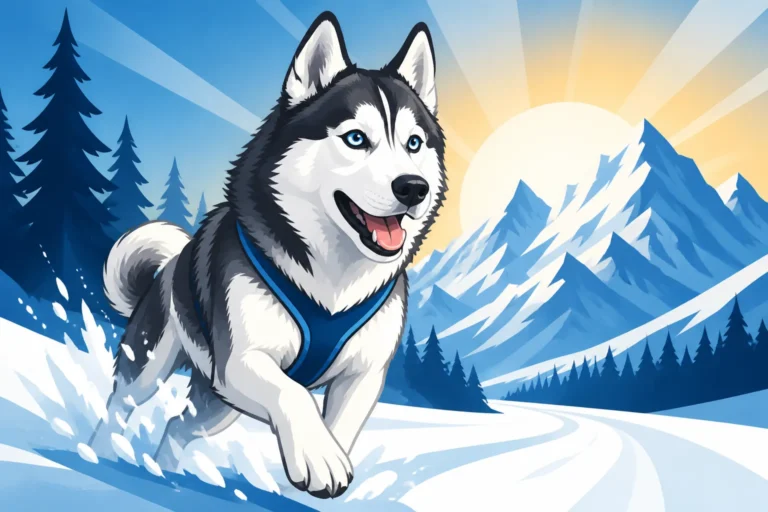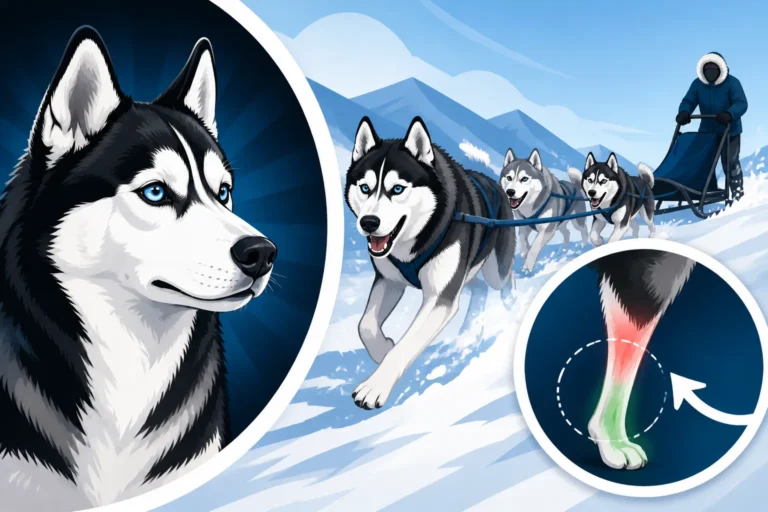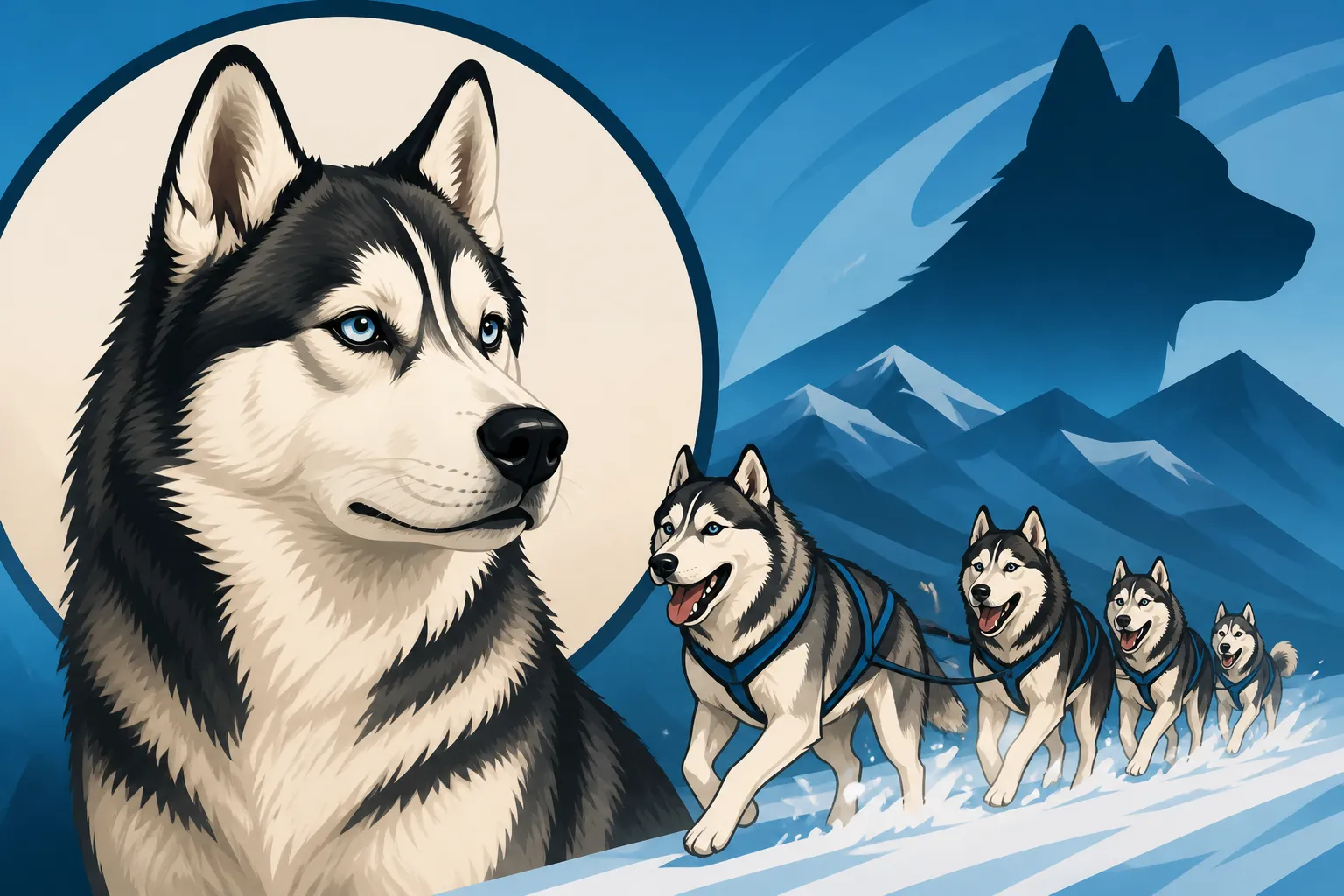
Seppala Siberian Sleddogs as a Separate Line
Many people adore the Siberian Husky for their stunning looks, friendly demeanor, and playful antics. But if you've ever delved a little deeper, you might have heard whispers of something called a "Seppala Siberian Sleddog," leaving you wondering if it's the same dog with a fancy name, or something entirely different. The truth is, while they share roots, the Seppala line represents a distinct path, a deliberate preservation of working heritage that truly sets them apart from the more commonly recognized show-ring Siberian Husky. This guide will walk you through the fascinating history, unique characteristics, and demanding lifestyle associated with these extraordinary sleddogs.
Understanding the Distinction: Siberian Husky vs. Seppala Siberian Sleddog
It’s easy to get these two confused, especially since they share a common ancestor and a familiar name. However, their stories diverged significantly, leading to distinct lines with different focuses and appearances. Think of it like different branches growing from the same sturdy tree trunk.
The Shared Ancestry of the Siberian Husky
Our journey begins, as it always does with this incredible breed, with the semi-nomadic Chukchi people of northeastern Siberia. For centuries, these indigenous people relied on hardy, fast, and enduring dogs to pull light loads over vast, often frozen, distances. These were not just working animals; they were integral to family life, sleeping indoors to help keep children warm, and valued for their even temperaments and ability to thrive on minimal food. This ancient lineage, honed by generations of natural selection and human purpose, forms the foundation of both modern Siberian Huskies and Seppala Siberian Sleddogs. The resilience, the double coat, the incredible endurance – all these traits were forged in the harsh Siberian wilderness. The Chukchi Origins of the Siberian Husky
When these dogs were first brought to Alaska in the early 20th century for sled dog racing, they quickly made a name for themselves. Their speed and stamina in events like the All-Alaska Sweepstakes shocked the larger, heavier freighting breeds of the time. This influx of "Siberian" dogs captured the public's imagination, eventually leading to the formal recognition of the breed by the American Kennel Club (AKC) in 1930 as the Siberian Husky. At this point, the breed standard was established, outlining the ideal physical traits and temperament for the breed as it was understood then. While the standard aimed to describe the "type," it inadvertently set the stage for a divergence based on different breeding goals.
The Divergence of the Seppala Line
Amidst the excitement of the early Alaskan races and the subsequent formalization of the Siberian Husky, one name stands out above all others for his deep understanding and masterful breeding of these dogs: Leonhard Seppala. Seppala wasn't interested in ribbons or conformation shows; his sole focus was on performance. He sought to breed the most efficient, fastest, and most enduring sleddogs possible, dogs that could excel over hundreds of miles in brutal conditions. His breeding philosophy was deeply pragmatic, selecting for health, athleticism, intelligence, and an unparalleled drive to work. Leonhard Seppala and His Siberian Huskies
Seppala’s dogs were highly sought after by other mushers precisely because they were proven performers. As the Siberian Husky breed grew in popularity and began to attract attention in the show ring, many breeders started to focus on aesthetic qualities that aligned with the written breed standard, sometimes at the expense of pure working drive or specific functional traits. Seppala, however, continued to prioritize utility above all else. His dogs remained true to their original purpose, embodying the physical and mental prowess required for demanding sledding endeavors. This dedication to preserving the working dog, rather than conforming to changing show trends, is what ultimately led to the Seppala line developing its own distinct identity.
The Legacy of Leonhard Seppala and His Dogs
Leonhard Seppala was more than just a musher; he was an artist of dog breeding, with a clear vision for the ultimate sleddog. His impact on the breed, and particularly on the Seppala line, cannot be overstated.
Seppala's Vision for the Ideal Sleddog
Seppala's breeding program was rigorous and focused. He looked for dogs that possessed a potent combination of speed, endurance, and an almost innate understanding of trail work. These weren't just fast dogs; they were intelligent, responsive, and possessed an uncanny ability to navigate complex terrain and adverse weather conditions. He valued a lean, athletic build that could cover ground efficiently without wasting energy, and a double coat that provided maximum protection without becoming cumbersome. Temperament was also crucial – he needed dogs that were tractable enough to handle in a team, yet independent enough to make critical decisions on the trail. A dog that couldn't perform, regardless of its appearance, wouldn't make the cut in Seppala's kennels.
The "ideal" sleddog for Seppala was one that could run all day, every day, in sub-zero temperatures, often pulling heavy sleds for extended periods. This emphasis on practical, functional traits often meant that his dogs might not have possessed the flashiest markings or the most exaggerated show-ring features. Instead, they were built for purpose, with strong, compact bodies, efficient gaits, and an unwavering desire to pull. This dedication to selecting only the best working stock naturally led to a line of dogs that, over time, began to look and perform differently from those bred primarily for the show ring, which started to prioritize What the AKC Standard Asks of a Siberian Husky.
The Role of the Serum Run in Seppala Line Recognition
While Seppala's reputation was already well-established within the mushing community, it was the harrowing 1925 Serum Run to Nome that propelled his dogs, and particularly his lead dog, Togo, into international fame. Nome, Alaska, was gripped by a diphtheria epidemic, and the only hope was antitoxin serum located hundreds of miles away. Multiple dog teams, including Seppala's, embarked on a dangerous relay across treacherous terrain in blizzard conditions.
Seppala and his team, led by the legendary Togo, ran the longest and most perilous leg of the journey, covering an astonishing 264 miles across Norton Sound in blinding snow and gale-force winds. Their incredible feat of endurance, courage, and teamwork showcased the unparalleled capabilities of Seppala's dogs. Togo, the Siberian Husky Who Ran 264 Miles The dogs, bred for generations for this exact purpose, proved that their functional traits were not just desirable but life-saving. This event not only cemented the Siberian Husky's place in history but also underscored the unique characteristics of Seppala's specific bloodlines. For many, it was the ultimate proof that Seppala had indeed perfected the working Siberian Sleddog, a distinct line built on grit, determination, and an unbreakable spirit.
Key Characteristics of Seppala Siberian Sleddogs
If you've spent time around a typical Siberian Husky, you'll notice some subtle, yet significant, differences when you encounter a Seppala Siberian Sleddog. These distinctions aren't about one being "better" than the other, but rather about different breeding priorities over the decades.
Physical Traits Beyond the Show Ring
When you look at a Seppala Siberian Sleddog, you're looking at efficiency in motion. They are typically slightly smaller and leaner than many show-bred Siberian Huskies, with a more athletic and less bulky build. Their bone structure tends to be finer, but incredibly strong, designed for sustained effort rather than powerful bursts. You might notice their heads are often a bit narrower, and their muzzles slightly longer, giving them a more "primitive" or wolf-like appearance, which is a direct reflection of their working heritage. Their eyes are still almond-shaped and intelligent, but the emphasis is on keen vision rather than specific color.
Their coats, while still the iconic double coat of the Siberian Husky, are often less profuse than those found on some show lines. This is because a massive, fluffy coat, while beautiful in the ring, can actually hinder performance in deep snow or cause overheating during intense work. A Seppala's coat is dense and protective, perfectly suited for insulation against extreme cold while allowing for efficient heat dissipation during prolonged exertion. Essentially, every physical trait in a Seppala is geared towards utility and performance on the trail. You won't find anything superfluous; it's all about what helps them do their job.
Temperament and Drive for Work
The temperament of a Seppala Siberian Sleddog is perhaps where the most striking differences lie for a typical pet owner. While all Siberian Huskies possess a degree of independence and energy, Seppalas embody these traits with an amplified intensity and a singular focus on work. They have an almost insatiable desire to run and pull, a powerful drive that is central to their very being. This isn't just a playful romp; it's a deep-seated instinct to harness up and move. Siberian Husky Temperament and What the Standard Says
These dogs are incredibly intelligent and keenly observant, capable of learning complex commands and understanding subtle cues from their musher. However, their intelligence is often coupled with a strong-willed, independent nature. They are not necessarily "eager to please" in the way some retriever breeds are; instead, they are partners in a demanding task, requiring clear communication, consistency, and a deep respect for their capabilities. They thrive on challenges and can become bored and destructive if their minds and bodies aren't adequately stimulated. This intense focus on working ability means that while they can be affectionate companions, their primary drive is often geared towards their purpose, which must be fulfilled through extensive, appropriate exercise.
The Seppala Siberian Sleddog Breed Today
Recognizing the distinct path and unique genetic heritage of Seppala's original dogs, dedicated enthusiasts embarked on a mission to preserve this specific working strain. This commitment has led to the establishment of the Seppala Siberian Sleddog as a breed separate from the AKC-registered Siberian Husky.
Establishing a Separate Registry and Standard
The push to recognize Seppala Siberian Sleddogs as a distinct breed was born out of a desire to safeguard the working characteristics that defined Seppala's line. Breeders felt that the AKC Siberian Husky standard, while valuable for conformation, was allowing for a divergence from the original working type. To ensure the purity and functional integrity of the Seppala line, various organizations were formed, such as the International Seppala Siberian Sleddog Club (ISSSC) and others, to create their own breed standards and registries. These standards focus almost exclusively on traits that contribute to sledding performance, including specific physical measurements, gait, coat quality (less wooly), and, crucially, proven working ability.
The philosophy behind these separate registries is to maintain the genetic integrity of Seppala's original stock and to continue breeding dogs that excel in endurance sledding. This means prioritizing dogs with excellent health, sound structure, strong work ethic, and efficient metabolism. It’s a dedicated effort to ensure that the qualities that made Togo and his team legendary are passed down through generations. These registries serve to protect the legacy and ensure that future generations of Seppala Sleddogs remain true to their heritage as supreme athletes of the arctic trail.
Where to Find and What to Expect from Seppala Breeders
Finding a Seppala Siberian Sleddog isn't quite like walking into any pet store or even contacting a typical AKC Siberian Husky breeder. Reputable Seppala breeders are few and far between, and they operate with a very specific set of priorities. Their breeding programs are centered around health, temperament, and, above all, demonstrated working ability. They will typically have their dogs actively competing in sled dog races, skijoring, canicross, or other demanding harness sports, using these events as a proving ground for their breeding stock.
When approaching a Seppala breeder, expect a thorough interview process. They want to ensure their puppies go to homes that truly understand and are prepared for the intense demands of this specific type of dog. You'll likely need to demonstrate your commitment to providing an outlet for their incredible drive, whether through a serious interest in dog sports or a lifestyle that accommodates daily, vigorous exercise. They will also provide extensive health clearances for their breeding dogs, often beyond what is typically expected, focusing on longevity and soundness for a working life. Health Testing Before You Buy a Siberian Husky Expect transparency about potential genetic health issues and a lifetime commitment to their puppies. For supplies, resources, and even some specific gear you might need for these high-drive dogs, online retailers like Chewy can be a great starting point, offering a wide range of specialized equipment.
Living with a Seppala Siberian Sleddog
Bringing a Seppala Siberian Sleddog into your life is a profound commitment, a decision that will redefine your daily routine and potentially reshape your understanding of what a "dog" truly needs. These are not merely pets; they are athletes with a job encoded in their DNA.
Meeting Their Intense Exercise Requirements
This is arguably the single most crucial factor in successfully living with a Seppala. Their need for exercise goes far beyond a couple of walks around the block or a quick fetch session in the yard. These dogs were bred for endurance, to cover vast distances at a sustained pace, day after day. They require a dedicated outlet for their physical energy and their innate desire to pull. Without it, you will have a miserable, frustrated dog, and likely a very unhappy household.
Ideal activities include serious dog sports like canicross (running with your dog harnessed and pulling you), bikejoring (cycling with your dog pulling the bike), scootering, or even actual recreational sledding if you have access to snow and trails. These aren't just "fun" activities; they are essential for their well-being. A Seppala needs to feel the harness on its back and the pull of the line. Skipping exercise days is not an option. If their physical needs are not met, their boundless energy will often manifest in destructive behaviors, incessant howling, or relentless escape attempts. Canicross and Bikejoring With a Siberian Husky Their metabolic efficiency means they can run for miles, and that stored energy must go somewhere.
The Dedicated Owner's Commitment
Beyond the physical demands, owning a Seppala Siberian Sleddog requires a significant mental and emotional commitment. These dogs are intelligent, independent thinkers, and they thrive on consistency and clear leadership. Training an Independent Siberian Husky Early and ongoing socialization and training are absolutely vital to harness their drive and channel it positively. Expect to invest time in positive reinforcement training, understanding that force-based methods are largely ineffective and can damage your bond with these sensitive yet stubborn dogs. They need a purpose, even if it's not pulling a sled to Nome. Puzzle toys, advanced obedience training, and scent work can help satisfy their keen minds when not actively working their bodies.
Their strong prey drive is another significant consideration. Bred to hunt small game when food was scarce, many Seppalas will have an intense instinct to chase smaller animals. This means impeccable containment – a tall, secure fence, often with dig guards – is non-negotiable. Siberian Husky Prey Drive Around Small Animals They are escape artists by nature, driven by curiosity and their desire to run. Living with a Seppala is truly a lifestyle choice. It means dedicating yourself to their unique needs, embracing an active outdoor life, and understanding that you are partnering with an incredible animal whose heritage is etched into its very soul. For the right owner, it’s an incredibly rewarding experience, but it’s certainly not for everyone.
How Seppala Siberian Sleddogs Differ From Show Line Huskies
While both the Seppala Siberian Sleddog and the AKC-registered Siberian Husky descend from the same incredible dogs, their paths diverged due to different breeding philosophies, leading to distinct variations in appearance, temperament, and purpose.
Divergent Breeding Goals
The primary distinction lies in the breeding goals. Show line Siberian Huskies are bred to conform to the breed standard as laid out by kennel clubs like the AKC. This standard describes an ideal appearance, including specific measurements for height and weight, coat type, eye color, ear set, and overall conformation that is judged in the show ring. While the standard does mention temperament and "working ability," the emphasis in breeding decisions often leans heavily towards aesthetics that win competitions. The goal is to produce a beautiful, balanced dog that embodies the breed's ideal form.
In contrast, Seppala Siberian Sleddogs are bred almost exclusively for their functional working ability as sleddogs. Their breeders prioritize traits that contribute to speed, endurance, health, and efficiency on the trail, often with less regard for specific cosmetic details. For a Seppala breeder, a dog's performance in harness, its recovery after a long run, and its mental fortitude are far more important than how it stacks up on a judging table. This means that while a Seppala may still be a beautiful dog, its beauty is a byproduct of its functional design, not its primary purpose. This fundamental difference in breeding philosophy has shaped the two lines over generations.
Performance in Harness vs. Ring Presence
These divergent goals translate directly into how the dogs perform and what makes them thrive. A show line Siberian Husky might be a fantastic companion, enjoying long walks, occasional jogs, and the company of its family. They possess the characteristic Husky charm and energy, and many enjoy various dog sports or activities. However, their physical build might be slightly heavier or have a more profuse coat than a Seppala, which could make sustained, extreme pulling work more challenging or lead to quicker overheating. They are bred for a general representation of the breed.
A Seppala Siberian Sleddog, on the other hand, is purpose-built for sustained, intense physical work. Their bodies are honed for endurance, their minds for the challenges of the trail. While a show Husky might "pull" on a leash, a Seppala has an inherent, often overwhelming, drive to pull in harness. This difference is critical: one is happy with regular exercise, the other requires a job that involves pulling. The Seppala's true elegance isn't found in a perfectly stacked show pose but in the grace and power of its stride as it covers miles of trail. Show Lines Against Working Siberian Huskies
This table highlights some of the general differences, but it's important to remember that individual dogs within both lines can vary!
| Feature | Siberian Husky (Show Line) | Seppala Siberian Sleddog |
|---|---|---|
| Primary Goal | Conformation to breed standard, aesthetic appeal | Functional working ability, sledding performance |
| Appearance | Often slightly larger/heavier, more profuse coat typical | Leaner, more athletic, often finer bone, less bulky coat |
| Temperament | Energetic, friendly, independent, can be stubborn | Highly driven, intense desire to work/pull, intelligent, focused |
| Exercise Needs | High; needs significant daily exercise (runs, long walks) | Extremely high; requires dedicated pulling work (canicross, sledding) |
| Registries | American Kennel Club (AKC), Canadian Kennel Club (CKC) | International Seppala Siberian Sleddog Club (ISSSC), UKC (for some) |
| Key Emphasis | Type, balance, beauty | Endurance, speed, efficiency, health, working ethic |
Ultimately, both are magnificent dogs, but understanding these fundamental differences is key for anyone considering bringing either a Siberian Husky or a Seppala Siberian Sleddog into their home. The Seppala embodies What a Siberian Husky Was Bred to Do with unwavering dedication.
Disclaimer
This article is for general informational purposes only and does not constitute professional advice. Laws, prices and regulations vary by location and change over time. Consult a qualified professional for guidance on your specific situation.