Whether a Siberian Husky Suits a Retired Owner
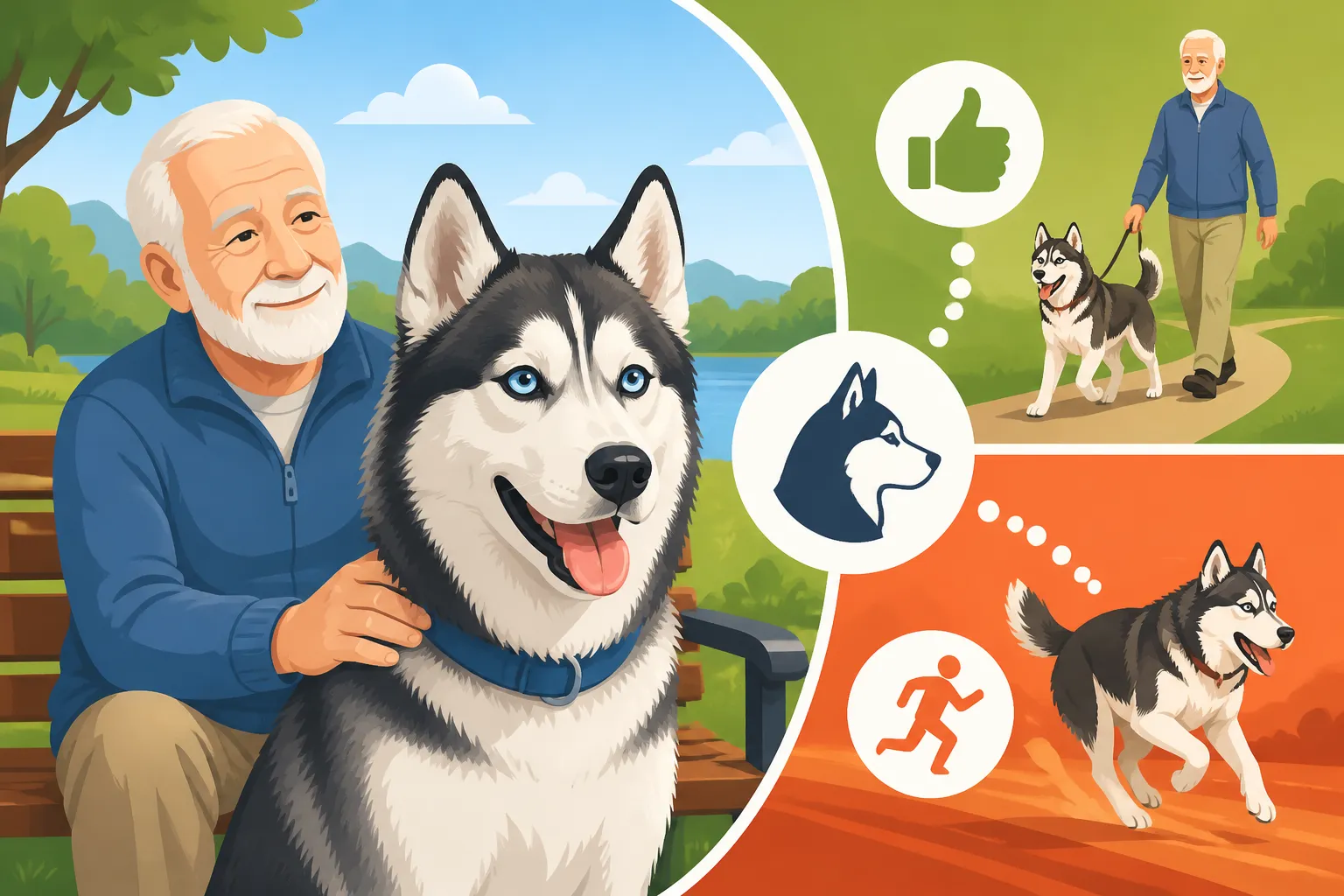
It’s a lovely thought, isn't it? You’ve worked hard your whole life, and now, with more time on your hands, you dream of sharing your golden years with a furry companion. A beautiful Siberian Husky, with those striking eyes and that proud posture, might catch your eye, promising adventure and loyal companionship. But before you leap into the wonderful, challenging world of Husky ownership, especially in retirement, it’s absolutely critical to understand the unique needs of this incredible breed. This guide will walk you through the realistic considerations to help you decide if a Siberian Husky is truly the right fit for your retired lifestyle, addressing the common pitfalls and offering insights into how some retired owners successfully make it work.
Understanding the Siberian Husky's Core Needs
Siberian Huskies are not your average couch potatoes. They were bred for a specific, demanding job in the coldest, harshest conditions, and those instincts are deeply ingrained, even in pet lines. This means they come with a set of needs that can be quite intense, requiring more than just a loving home.
The Unrelenting Energy Levels of a Husky
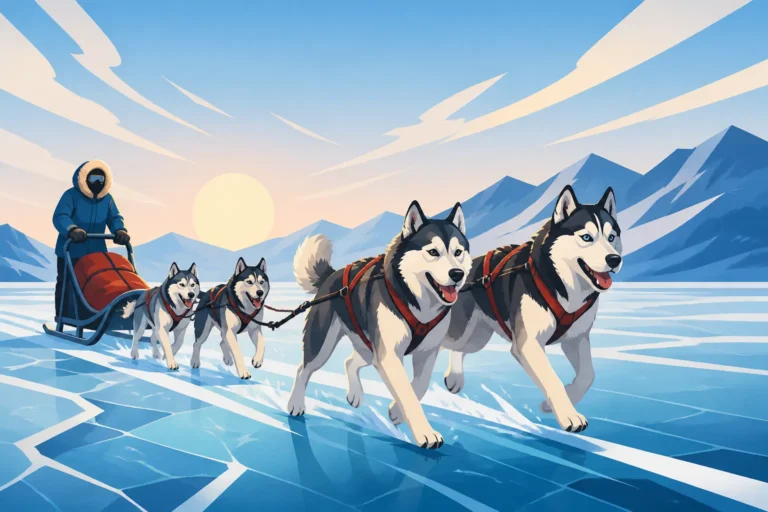
Let's be blunt: a Siberian Husky needs to run. Not just walk around the block, not a leisurely stroll in the park, but truly run, sprint, and expend serious energy. Their ancestors pulled sleds over vast distances, and that drive for movement is hardwired. If they don't get sufficient physical exercise – we're talking a minimum of an hour or two of vigorous activity daily, often more – that pent-up energy will manifest in ways you definitely won't appreciate.
Imagine a bored Husky, full of energy, in your meticulously kept home. That beautiful sofa might become a chew toy, your pristine garden a digging pit, and your quiet neighborhood a stage for their insistent, often loud, vocalizations. This isn't naughtiness; it's simply an unmet need. For a retired owner, keeping up with this level of physical demand can be a real challenge. You might have the time, but do you have the stamina to provide multiple long runs, bikejoring sessions, or extensive hikes every single day, year after year? How Much Exercise a Siberian Husky Really Needs explores this further, and it’s a crucial read.
A Mind That Needs a Job
Beyond physical exertion, Huskies are intelligent and independent problem-solvers. They aren't the kind of dog who lives to please you like some retrieving breeds. They're more likely to weigh your command against whatever exciting scent just crossed their nose. This intelligence, combined with their independence, means they need mental stimulation to prevent boredom and destructive behaviors. Without a "job" for their brain, they'll invent their own, and trust me, you probably won't like their choices.
Puzzle toys, regular training sessions that are fun and engaging (and short, because their attention span can be fleeting), and activities like scent work can help. But even with these, their minds are constantly seeking new challenges. A mentally under-stimulated Husky can become escape artists, diggers, and vocalists of impressive volume. They need an owner who is consistently thinking ahead, providing novelty, and engaging their clever minds in constructive ways.
Social Butterflies (Sometimes)
Siberian Huskies are generally very social creatures. They thrive on companionship, often preferring to be with their "pack," which for a pet Husky is usually their human family. They aren't typically one-person dogs; they tend to love everyone, sometimes to a fault when it comes to stranger danger. This pack mentality means they can struggle with being left alone for long periods. If you're retired and hoping for a dog that's happy to nap quietly while you spend hours running errands or visiting friends, a young Husky might surprise you with separation anxiety or destructive behavior born of loneliness.
While they often get along well with other dogs, their social nature can sometimes extend to all animals, which isn't always a good thing. Their strong prey drive means that while they might love to play with another Husky, smaller creatures like cats, rabbits, or even neighborhood squirrels can become targets. Understanding this innate drive is essential for managing their social interactions safely.
Common Challenges for Any Husky Owner, Retired or Not
Regardless of your age or lifestyle, certain aspects of Siberian Husky ownership are universal challenges that require dedication, patience, and often, a sense of humor. These aren't necessarily deal-breakers, but they are realities that every Husky owner must contend with.
The Escape Artist Tendencies
The phrase "escape artist" was practically coined for the Siberian Husky. Their boundless energy, intelligence, and deeply ingrained roaming instinct mean they are constantly looking for ways to explore beyond your property lines. A six-foot fence? Many Huskies will scale it. A weak latch? They'll figure it out. Digging under? A classic move. An open door? They're gone in a flash. This isn't defiance; it's instinct. They are bred to cover vast distances, and a yard, no matter how large, can feel like a cage to them.
Because of this, a secure yard is non-negotiable. We're talking about a fence that is not only tall but also extends underground with an L-footer to prevent digging, and gates with multiple robust latches. Even with all these precautions, constant vigilance is required. The Roaming Instinct Bred Into Every Siberian Husky really drives home just how powerful this drive is. Many dedicated Husky owners swear their dog is never off-leash outside of a securely fenced area, and for good reason. Why a Siberian Husky Cannot Be Trusted Off Leash delves into the dangers, which include traffic, altercations with other animals, and simply getting lost far from home. This constant need for containment can be physically demanding, requiring regular checks of your perimeter and potentially repairs if your clever Husky finds a weak spot.
Vocalization and Neighborhood Harmony
Siberian Huskies are notoriously vocal, but not always in the way you might expect. They're not big barkers like some breeds, but they are masters of the "Husky howl," the "woo-woo" talking, and sometimes, the dramatic, ear-splitting "Siberian scream." They howl at sirens, when they're excited, when they're bored, or simply because they feel like expressing themselves. While charming to their owners, this level of vocalization can be a serious issue for neighbors, especially if you live in a quiet residential area or an apartment complex.
Managing a Husky's vocal habits requires consistent training and understanding their triggers. If you're retired and looking for peace and quiet, the constant soundscape of a Husky's opinions might be more than you bargained for. It's a fundamental part of who they are, and while it can be managed to some extent, it's rarely completely "trained out" of them.
Grooming the Double Coat
That stunning, thick coat that makes them look so majestic? It comes with a price: shedding, and lots of it. Siberian Huskies have a dense double coat designed to protect them from extreme temperatures. This coat "blows" twice a year, typically in spring and fall, during which they shed massive amounts of undercoat for several weeks. During these periods, it can feel like your house is perpetually coated in a layer of fine, soft fluff.
Even outside of coat blows, they shed year-round, just at a lighter rate. Regular, even daily, brushing is essential to manage the shedding, prevent mats, and keep their skin healthy. This grooming requires physical effort – bending, reaching, and brushing thoroughly down to the skin. Many owners invest in high-velocity dryers and specialized rakes, which can be found at places like Chewy, to help "blow out" the undercoat, significantly reducing the amount of hair that ends up on your furniture. However, this is a messy, time-consuming job. Siberian Husky Coat Blow and the Six Weeks It Lasts details the sheer volume of hair involved. For someone with limited mobility or energy, this crucial aspect of Husky care can become overwhelming very quickly.
Specific Considerations for Retired Owners
While many of the challenges of Husky ownership are universal, there are particular nuances that retired individuals should carefully consider. Your stage of life brings both advantages and potential limitations that are important to acknowledge.
Physical Capacity and Stamina
One of the biggest realities for many retired individuals is that physical stamina and mobility may not be what they once were. A young, strong Siberian Husky, even one that is well-trained, is still a powerful animal. When they see a squirrel, or another dog, or just get a burst of zoomies, they can pull with surprising force. Managing a 50-60 pound dog (or more, for a large male) on a leash, especially if they decide to lunge or pull, requires core strength and quick reflexes.
Beyond leash walks, providing a Husky with their necessary vigorous exercise means you need to be able to participate. Can you comfortably run for extended periods, even if it's alongside a bike or with a scooter? Can you handle bending, kneeling, and the physical exertion required for intensive grooming, cleaning up after their inevitable messes, or managing them during vet visits or training sessions? If your physical health is declining or you anticipate it will in the near future, bringing a young, high-energy Husky into your home could lead to a situation where neither you nor the dog gets their needs met, which is heartbreaking for everyone involved.
Financial Realities on a Fixed Income
Owning a dog is an expense, and owning a Siberian Husky can be a significant one. While you might have saved for retirement, a fixed income often means less flexibility for unexpected or ongoing large costs. Beyond the initial purchase or adoption fee, you're looking at a lifetime of expenses that can quickly add up. The Yearly Cost of Owning a Siberian Husky breaks down many of these, and it's eye-opening.
Consider regular costs like high-quality food (which you can often find great deals on through retailers like Chewy), routine vet care, and parasite preventatives. Then there are the potential major expenses: secure fencing, professional training (especially if you need help with leash manners or escape prevention), grooming tools, and potential repairs to your home or yard if your Husky acts out of boredom. Huskies are generally healthy dogs and can live a good long time, often 12-14 years, meaning you're looking at a long-term financial commitment. Siberian Husky Lifespan and What Shortens It highlights their longevity, which is a blessing but also a long-term financial responsibility. As they age, medical costs can increase. Caring for a Siberian Husky Past Ten offers insights into the specific needs and potential costs of senior Huskies. Can your retirement budget comfortably absorb thousands of dollars annually for a decade or more, including emergency vet visits or specialized care if needed?
Travel and Pet Care Arrangements
One of the joys of retirement is often the freedom to travel, whether it's visiting grandchildren across the country or taking that cruise you've always dreamed of. However, traveling with or arranging care for a Siberian Husky presents its own set of challenges. Their escape artist tendencies and high energy make them less-than-ideal candidates for casual pet sitters or general boarding kennels. Finding a reliable pet sitter who understands the breed's specific needs, can handle their strength on a leash, and ensure their containment is crucial, and often more expensive.
Likewise, not all boarding kennels are equipped to handle a climbing, digging, or vocal Husky. Some facilities may even have breed restrictions or charge a premium for their care. Boarding a Siberian Husky That Climbs details the specific issues you might encounter. If your travel plans are frequent or extensive, securing appropriate, safe, and affordable care for your Husky can become a significant source of stress and expense, potentially limiting your freedom in retirement.
When a Siberian Husky Can Work for a Retired Owner (Niche Scenarios)
Despite the many challenges, there are specific situations where a Siberian Husky can be a wonderful companion for a retired individual. It's less about a blanket "yes" or "no" and more about finding the right dog, the right owner, and the right support system.
The "Unicorn" Husky or Older Rescue
It's generally not advisable for a retired person to get a young Siberian Husky puppy. Their peak energy, intense training needs, and destructive puppy behaviors are often too much for someone seeking a calmer companion. However, not all Huskies are the same, and sometimes, a true "unicorn" dog appears. More often, the solution lies in considering an older rescue Husky. Many Huskies, unfortunately, end up in shelters or breed-specific rescues for the very reasons we've discussed – owners underestimated their needs. Why So Many Siberian Huskies End Up in Rescue explains this common dilemma.
An older Husky, particularly one over the age of six or seven, may have a significantly lower energy level, a more settled temperament, and might even come with some basic training. Rescues often have a good understanding of their dogs' individual personalities, energy levels, and any specific needs, allowing for a better match. They can tell you if a particular dog is truly a calmer soul, perhaps one who enjoys shorter walks and more cuddles than rigorous runs. Whether an Adult Siberian Husky Settles Faster also touches on the potential for an older Husky to be a better fit. When considering a senior Husky, it's vital to inquire about their health history, as older dogs can come with their own set of medical needs.
Here's a quick look at why an older rescue might be a better option:
| Feature | Young Siberian Husky (0-3 years) | Older Siberian Husky (6+ years) |
|---|---|---|
| Energy Level | Extremely high, requires intense daily exercise. | Often significantly lower, enjoys walks and naps. |
| Training Needs | Intensive, consistent, early socialization. | May have existing manners or be calmer to train. |
| Destructive Behavior | High risk if bored/unexercised. | Less prone to destruction if needs are met. |
| Temperament | Independent, mischievous, prone to testing limits. | More settled, predictable, can be very affectionate. |
| Health Risks | Fewer age-related issues, but genetic testing still matters. | Potential for age-related conditions, vet history is key. |
| Adjustment | Adapts quickly to new routines. | May take longer to adjust, but bonds strongly. |
Support Systems and Active Lifestyles
A retired owner who has an extensive, reliable support system can certainly make Husky ownership work. This might include adult children or grandchildren who are enthusiastic about taking the dog for long runs or hikes, a network of friends who enjoy dog walking, or the financial means to regularly hire professional dog walkers and trainers who specialize in the breed. In this scenario, the Husky’s exercise needs are met not solely by the retired individual, but by a collaborative effort.
Furthermore, some retired individuals are incredibly active! If you're someone who is retired from work but still runs marathons, enjoys competitive hiking, or participates in dog sports like canicross or bikejoring (which Huskies excel at), then your personal lifestyle might perfectly align with a Husky's needs. The key is that your activity level matches, not just your availability. For these active retirees, a Husky could be the ultimate adventure companion.
Living Arrangements and Yard Security
The physical environment of your home and property plays a huge role. If you have a large, highly secure yard – and by secure, we mean fortress-level fencing with anti-dig measures like an L-footer and securely locked gates – then managing their escape tendencies becomes less of a daily battle. Proximity to safe, fenced dog parks or rural trails where you can engage in activities like long-line training (always supervised, of course!) is also a huge advantage.
Consider the climate too. While Huskies are built for cold, they can struggle significantly in hot, humid climates. If you live somewhere warm, you need to ensure your home has reliable air conditioning and that you can provide exercise during cooler parts of the day, which might mean early mornings or late evenings. Having a secure, shaded yard with access to water, perhaps even a kiddie pool, during warmer months, is essential.
Ultimately, owning a Siberian Husky in retirement is a significant commitment that demands an honest assessment of your physical capabilities, financial resources, and willingness to adapt your lifestyle to meet the needs of a truly unique and demanding breed. For the right individual, with the right dog and support system, it can be an incredibly rewarding experience, but it requires careful planning and realistic expectations.
Disclaimer
This article is for general informational purposes only and does not constitute professional advice. Laws, prices and regulations vary by location and change over time. Consult a qualified professional for guidance on your specific situation.