How Long the Chukchi Bred Siberian Husky Ancestors
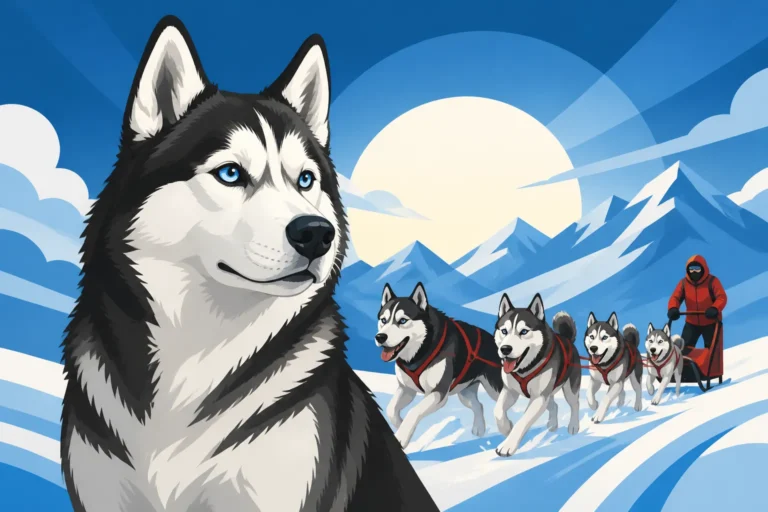
Many people look at a Siberian Husky today and see a striking, athletic dog with piercing eyes, perhaps a hint of mischief, and an undeniable urge to run. But the story of this breed isn't just about their captivating looks or their athletic prowess; it's a profound tale of survival, adaptation, and an incredibly long partnership between humans and dogs. If you've ever wondered about the true historical depth of this bond, and exactly how many centuries the indigenous Chukchi people devoted to shaping what we now know as the Siberian Husky, you're about to delve into a heritage that stretches back far beyond written records, into the very mists of time itself.
The Deep Roots of the Siberian Husky with the Chukchi People
The Siberian Husky, as we know it, isn't a modern creation. It's the living legacy of an ancient culture, painstakingly developed over countless generations by the Chukchi people of northeastern Siberia. They weren't just breeding dogs; they were cultivating a cornerstone of their very existence in one of the harshest environments on Earth. Understanding this long, deliberate process is key to appreciating the Husky’s unique traits.
Tracing the Origins: When Did It All Begin?
Pinpointing an exact start date for the Chukchi's breeding efforts is like trying to find the first ripple in a vast ocean. Archaeological evidence, genetic studies, and cultural traditions suggest that their relationship with these specialized dogs dates back at least 3,000 to 4,000 years, if not even longer. We’re talking about a span of time that predates many major civilizations and empires. The ancestors of modern Siberian Huskies were not simply wild dogs that happened to live alongside humans; they were intentionally selected and bred for specific traits necessary for the Chukchi way of life. This wasn't a casual endeavor but a cornerstone of their survival, deeply woven into their daily fabric.
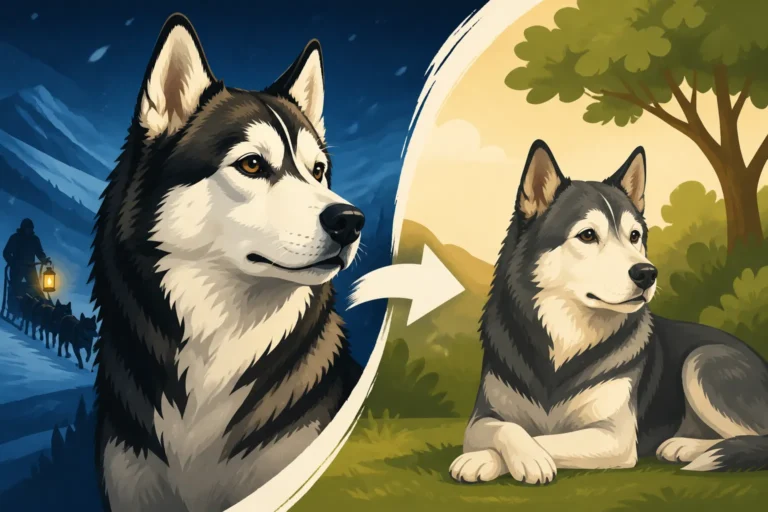
Imagine generation after generation, carefully observing which dogs performed best, survived harshest, and possessed the most agreeable temperaments. This continuous selection over millennia gradually refined the breed, honing their physical and mental attributes to perfection for their environment. It’s truly astounding to think about the dedication of these people, watching their dog teams year after year, noting which animals passed on the most valuable traits. This isn't just a brief breeding project; it's an ancestral commitment. The Chukchi Origins of the Siberian Husky delves deeper into the foundational history of this remarkable partnership.
Life in the Siberian Arctic: The Necessity of a Specialized Dog
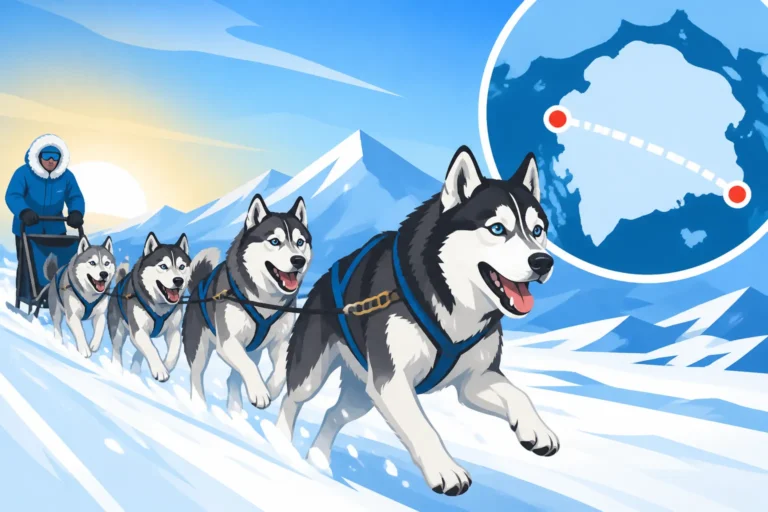
The Chukchi lived a nomadic or semi-nomadic life, relying on reindeer herding, hunting, and fishing in a brutal landscape characterized by endless ice, deep snow, and temperatures that could plummet to extreme lows. In such an environment, a reliable mode of transportation was not a luxury; it was the difference between life and death. Reindeer were crucial for food and hides, but dogs were essential for pulling sleds, transporting goods, hunting, and even providing warmth.
These weren't just any dogs. They needed to be resilient, capable of enduring prolonged periods of cold, able to work on minimal rations, and possess incredible stamina to cover vast distances. Weak links in the team meant potential disaster for the entire community. Therefore, the Chukchi developed a rigorous breeding program—though perhaps not formalized as we think of it today—that ruthlessly selected for these critical survival traits. The dogs literally pulled the weight of their civilization, ensuring food, shelter, and communication across the frozen tundra. What the Chukchi Bred the Siberian Husky For provides further insights into the specific roles these dogs played.
The Chukchi's Unparalleled Dedication to Their Dogs
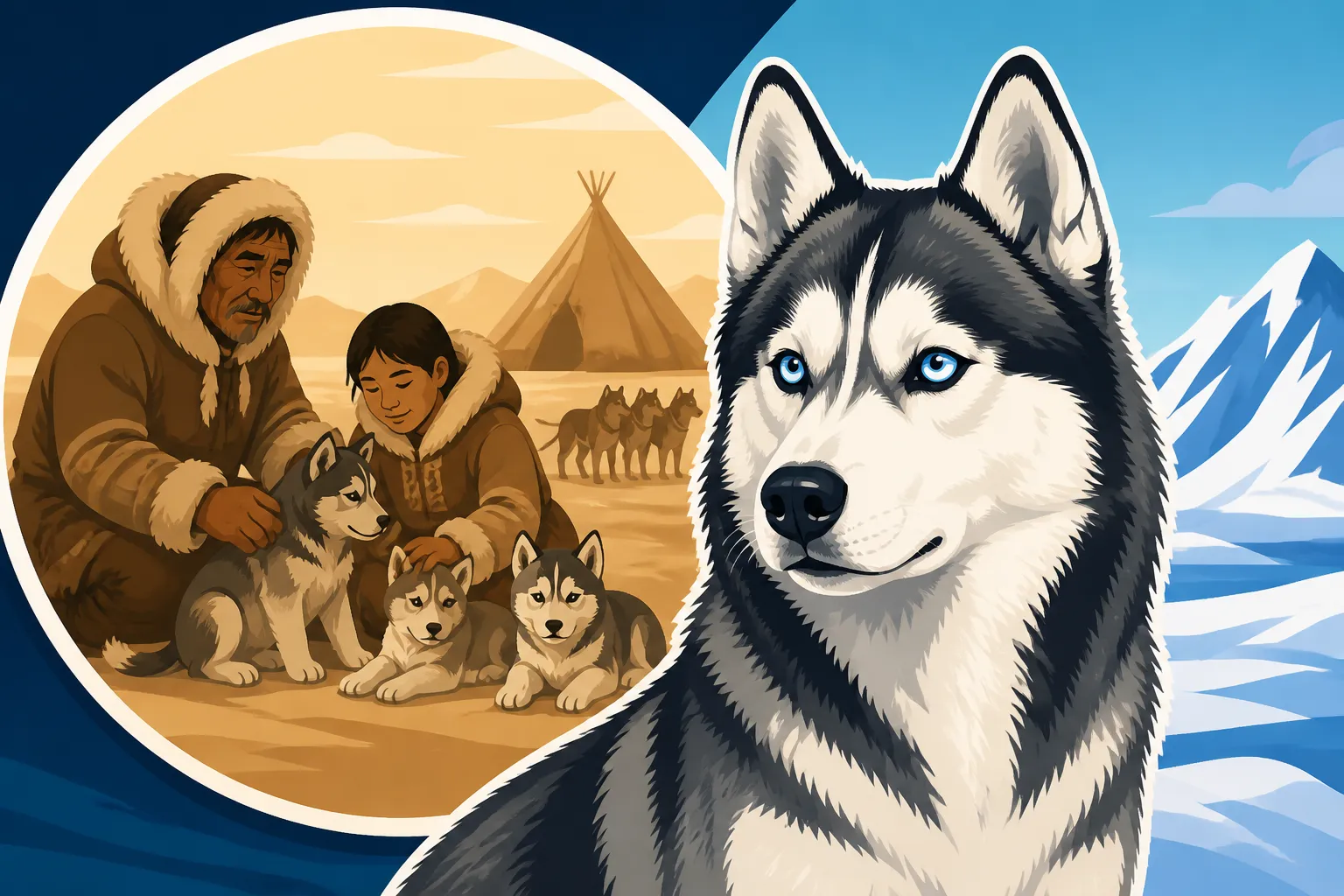
The bond between the Chukchi and their dogs was profound, extending far beyond a master-animal relationship. These dogs were family. They slept inside the shelters with the people, not just for warmth, but as integral members of the household. This close interaction undoubtedly contributed to the Husky’s famously friendly and companionable nature, despite its strong working drive. This isn't a dog bred to be aloof or aggressive; it's a dog bred to be a partner.
This deep respect and reliance meant that breeding decisions were made with immense care. Only the strongest, healthiest, and most temperamentally sound dogs were allowed to reproduce. Those that didn't meet the stringent demands of the Arctic were culled, not out of cruelty, but out of the harsh necessity of survival. This intense natural and human selection over thousands of years is precisely what sculpted the Husky into the breed we recognize today. It speaks volumes about the Chukchi that they fostered such loyalty and trust in their animals, recognizing their sentience and critical role. You can explore this unique cohabitation further in Why Husky Ancestors Slept Inside Chukchi Homes.
The Purpose-Driven Breeding Philosophy of the Chukchi
The Chukchi people weren't breeding for aesthetics or popularity contests. Every single trait they selected for served a vital, practical purpose. This pragmatic approach led to a dog that is incredibly specialized and efficient, a true marvel of natural and human selection.
Efficiency, Endurance, and Temperament: Key Traits for Survival
The environment dictated everything. Dogs needed to be energy-efficient, capable of traveling long distances on minimal food. This led to the development of the Husky’s renowned "easy keeper" metabolism, a trait that sometimes surprises new owners who expect a high-energy dog to eat a ton. They don't, thanks to this ancient conditioning. Their coats needed to provide superior insulation against extreme cold, leading to the dense double coat that is their hallmark.
Endurance was paramount. These dogs weren't sprinters; they were marathon runners of the ice. They needed the physical build—a compact, muscular frame with efficient gait—to pull sleds for hours, day after day, often in blizzard conditions. This is why a modern Husky thrives on sustained activity rather than short bursts. And temperament was crucial: working in close teams, often with other dogs and humans, required a cooperative, non-aggressive nature. A dog that fought with its teammates or its handler simply wouldn’t make the cut. Feeding a Siberian Husky on an Efficient Metabolism expands on their unique dietary needs.
The Chukchi didn't want aggressive guard dogs; they wanted dogs that could live in harmony with their families and work tirelessly together. This ancient selection for a gentle, even-tempered nature is why the modern Siberian Husky is generally known for its friendliness and lack of guarding instinct. They were bred as communal workers and companions, not protectors, as discussed in Why the Chukchi Never Bred Huskies to Guard. When you're looking for dog supplies that support your Husky's health and energy, especially for that unique metabolism, sites like Chewy are great resources to check for specialized high-quality foods and supplements.
More Than Just Working Dogs: Companionship and Family Integration
While their primary role was certainly work, the emotional bond was equally important. These dogs provided companionship in isolated settlements and were often seen interacting gently with children. This close living arrangement, where dogs were part of the family structure, reinforced selection for a dog that was tolerant, good-natured, and adaptable to human company. They weren't just tools; they were family members.
This deep integration into Chukchi family life meant that aggression towards humans would have been utterly unacceptable. Dogs that bit or snapped were not only dangerous but disrupted the delicate balance of a community reliant on cooperation. This historical context illuminates why modern Siberian Huskies are generally so good-natured and affectionate with their human families, even if they sometimes test boundaries with their notorious independence. Understanding this aspect of their heritage helps owners build stronger, more empathetic relationships with their Huskies today.
Shaping the Husky's Unique Metabolism and Physicality
The Chukchi diet was rich in protein and fat, reflecting the resources available in the Arctic. Their dogs were adapted to thrive on this type of diet, converting it efficiently into energy for their demanding work. This metabolic efficiency is a hallmark of the breed, allowing them to perform incredible feats on relatively modest amounts of food compared to other breeds of similar size and energy levels.
Furthermore, their physical structure was optimized for movement across snow and ice. The compact, medium size allowed for agility and speed without excessive weight. Their strong, well-muscled legs and strong paws with ample fur provided traction and protection from the cold. Even the set of their tail, often carried up and over the back, can serve a purpose, curling to cover the face for warmth when sleeping. These aren’t random traits; they are the result of thousands of years of careful, functional breeding by the Chukchi people. For specific dietary needs that align with a Husky's efficient metabolism, especially during active periods, you'll often find a wide array of options on platforms like Chewy, offering different protein and fat ratios.
The Enduring Legacy: How Chukchi Breeding Influences Modern Huskies
The ancient practices of the Chukchi people didn't just create a breed for their time; they laid the foundation for the Siberian Husky we cherish today. Many of their defining characteristics are direct echoes of their ancestral purpose.
Instincts and Traits Passed Down Through Millennia
When you observe a modern Siberian Husky, you're seeing millennia of Chukchi selection in action. That powerful urge to run, to explore, to follow a scent trail? That's the ingrained "roaming instinct" of a sled dog, bred to cover vast distances. The intelligence, often perceived as stubbornness, is actually an independent problem-solving ability, essential for dogs working ahead of their human on a sled team. They needed to make decisions, not just blindly follow. The Roaming Instinct Bred Into Every Siberian Husky explores this deep-seated trait.
Even the Husky’s social nature, often thriving in multi-dog households, harks back to their team-working origins. They are pack animals, accustomed to cooperation. And their strong prey drive, which can be challenging for owners with smaller pets, is a remnant of their ancestors' role in hunting and self-sufficiency in a lean environment. This isn't a flaw; it's a testament to their ancient, functional design. Understanding these deep-seated instincts is crucial for any Husky owner.
| Trait Developed by Chukchi | Modern Husky Manifestation | Why It Was Essential for Survival |
|---|---|---|
| Efficient Metabolism | "Easy keeper," low food intake for energy | Survive lean times, long journeys on sparse rations |
| Strong Roaming Instinct | Desire to run, explore, independent | Cover vast distances for travel and hunting |
| Thick Double Coat | Shedding, insulation against cold | Protection from extreme Arctic temperatures |
| Cooperative Temperament | Friendly, good with other dogs | Work in close teams, live closely with families |
| Independent Thinking | "Stubbornness," problem-solving | Navigate hazards, make decisions ahead of handler |
| High Prey Drive | Chasing small animals, escape attempts | Hunt for food, alertness to surroundings |
Understanding Your Husky Through Its Ancestral Heritage
For new Husky owners, or even seasoned ones, recognizing these deep historical roots can transform how you view your dog's behavior. That "stubbornness" during training isn't necessarily defiance; it's an intelligent dog evaluating if your command is truly worth its effort, much like its ancestors had to weigh risks and rewards on the trail. That boundless energy isn't hyperactivity; it's the inherited drive of a working dog designed for miles of endurance.
Providing outlets that tap into these ancestral instincts is vital for a happy, well-adjusted Husky. This might mean engaging in harness sports like canicross or bikejoring, or simply providing extensive, challenging exercise that satisfies their need to move and explore. Understanding that their history shaped them into independent thinkers and tireless workers helps us set realistic expectations and create environments where they can truly thrive. This breed asks for more than just a walk around the block; it demands a partnership rooted in understanding their profound history. You can find more about their intelligence and independence in Siberian Husky Intelligence and Independence.
Preserving the Essence of the Breed in the Modern World
The legacy of the Chukchi continues through responsible breeders and dedicated owners who strive to maintain the health, temperament, and working abilities of the Siberian Husky. Health testing, careful genetic selection, and an emphasis on functional conformation all help ensure that the qualities painstakingly developed over millennia are not lost in the modern world.
It also means respecting their natural inclinations, even if they sometimes conflict with our modern lifestyles. For instance, their strong prey drive means responsible containment and supervision are paramount, particularly around smaller animals. Their love of running translates into a need for secure fencing and careful Siberian Husky Leash Work Against a Pulling Instinct. Many owners even purchase items from Chewy to help manage these instincts, like durable crates, extra-secure harnesses, and puzzle toys that challenge their intelligent minds. It's about honoring their past while integrating them into our present.
Estimating the Timeline: A Look at the Archaeological and Cultural Evidence
While we don't have definitive historical records detailing the exact year the Chukchi began breeding what would become the Siberian Husky, a combination of archaeological findings, oral histories, and modern genetic analysis paints a compelling picture of a very long and consistent breeding tradition.
Glimpses from Ancient Settlements and Dog Remains
Archaeological sites in Siberia and the surrounding Arctic regions have yielded dog remains dating back thousands of years. While not all ancient dog bones can be definitively identified as Husky ancestors, many share morphological characteristics consistent with efficient sled dogs adapted to the cold. The presence of purpose-built sleds and other dog-related artifacts further supports the idea of an ancient, established sled dog culture among indigenous peoples like the Chukchi. These findings aren't isolated incidents; they represent a persistent pattern of human-canine collaboration in the Arctic that suggests a highly specialized role for dogs from very early times.
Consider the complexity of designing and building efficient sleds, and then training multiple dogs to work cohesively as a team. This isn't something that happens overnight or even in a few generations. It requires centuries of observation, refinement, and passing down knowledge, both human and canine, through successive generations. The evolution of specialized working breeds and their equipment go hand-in-hand, providing a tangible timeline for their development.
Oral Traditions and Historical Accounts
The Chukchi people themselves have a rich oral history that speaks of their deep connection to their sled dogs, recounting stories of their bravery, endurance, and loyalty. These stories, passed down through generations, reinforce the idea of a relationship that spans countless human lifetimes. While not precise scientific data, such cultural narratives are invaluable for understanding the depth and duration of their partnership with these dogs.
Early European explorers and traders who encountered the Chukchi people in Siberia consistently noted their exceptional sled dogs, describing them in ways that clearly align with the characteristics of the Siberian Husky. These external accounts, some dating back several centuries, confirm that the dogs were already highly developed and integral to the Chukchi way of life long before the breed gained international recognition. This consistency across different forms of historical evidence strengthens the argument for a very long breeding period.
Genetic Studies and Their Insights into Husky Lineage
Modern genetic studies offer perhaps the most compelling scientific evidence for the ancient origins of the Siberian Husky. DNA analysis has consistently shown the Siberian Husky to be among the oldest dog breeds, with a genetic lineage that traces back thousands of years to ancient Arctic dogs. These studies often highlight a close genetic relationship between Siberian Huskies and other ancient working breeds of the Arctic, suggesting a common ancestral pool that diverged and specialized over immense periods of time.
These genetic markers indicate a long period of isolation and specific selection pressures, aligning perfectly with the Chukchi's long-standing, purpose-driven breeding program in their remote Arctic homeland. The genetic signature of the Siberian Husky is not a recent development; it is a tapestry woven over millennia, reflecting thousands of years of the Chukchi's careful stewardship and profound understanding of the canine form and function. It truly underscores just how long the Chukchi people dedicated themselves to shaping the ancestors of what we now lovingly call the Siberian Husky. This makes the breed not just a pet, but a living piece of history. How Closely Siberian Huskies Are Related to Wolves offers more fascinating details about their ancient genetic makeup.
Disclaimer
This article is for general informational purposes only and does not constitute professional advice. Laws, prices and regulations vary by location and change over time. Consult a qualified professional for guidance on your specific situation.