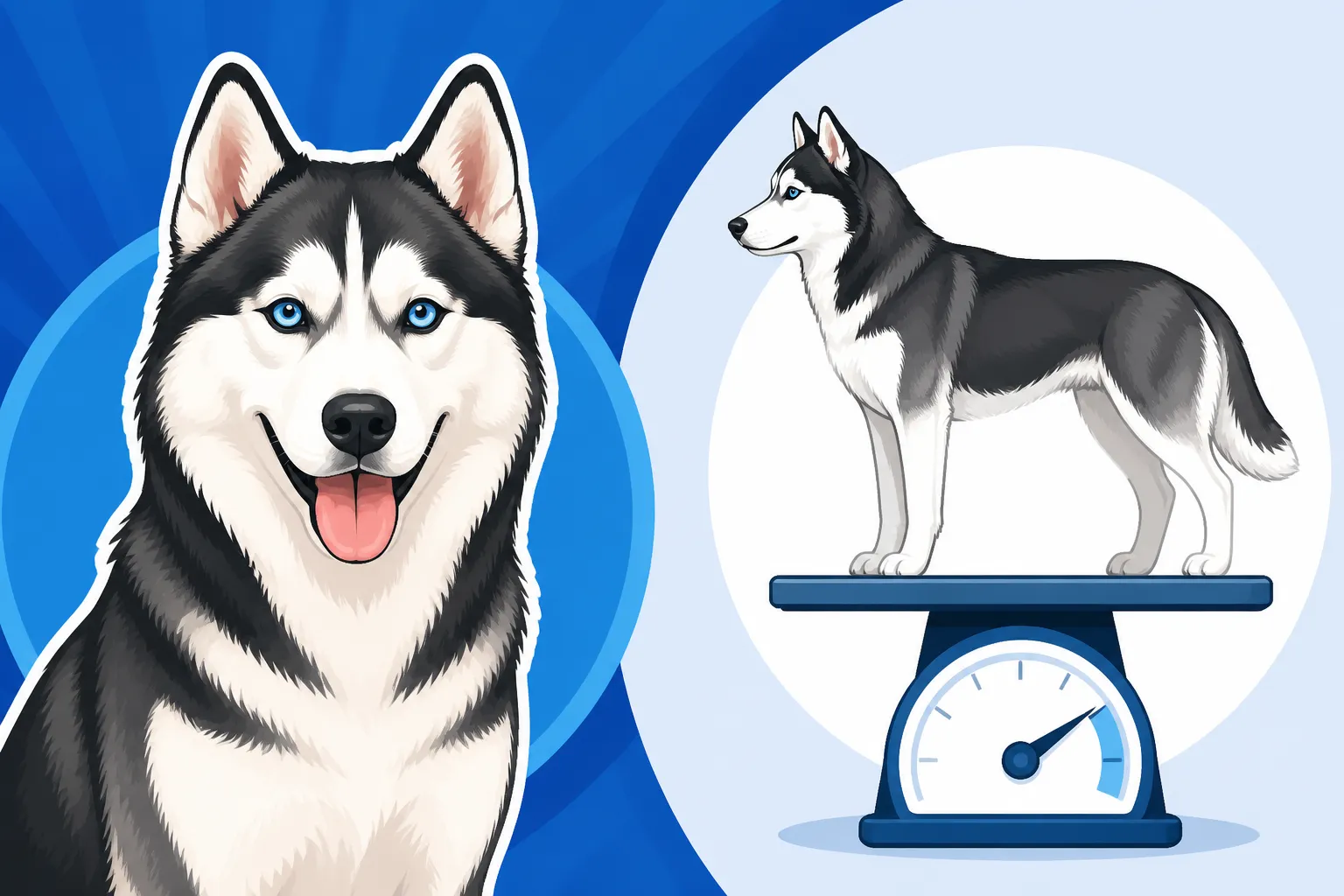
What an Adult Siberian Husky Weighs
One of the most common questions new Siberian Husky owners, or those just admiring these stunning dogs, often have is about their size, especially their weight. It's a natural curiosity, but also a really important practical consideration, because a healthy weight directly impacts their overall well-being and longevity. This guide aims to demystify the typical weight range for an adult Siberian Husky, helping you understand what's normal and what might be a red flag.
Understanding the Siberian Husky Weight Standard
When we talk about the ideal weight for an adult Siberian Husky, it's really important to look at the breed standard. This isn't just some arbitrary number; it's a carefully crafted description that guides breeders and judges, aiming to preserve the functional characteristics of the breed. For Siberian Huskies, those characteristics are all about endurance, agility, and the ability to pull light loads over vast distances in cold climates. This means they are built for efficiency, not bulk.
Male vs. Female Weight Averages
There's a noticeable difference in size and weight between male and female Siberian Huskies, just like with many other breeds. Typically, males are larger and heavier, while females tend to be a bit more delicate in build. This isn't just about personal preference; it’s part of the breed's natural dimorphism. When you're looking at an adult, these differences are usually quite pronounced.
For an adult male Siberian Husky, the standard weight typically falls between 45 and 60 pounds (approximately 20 to 27 kilograms). They also stand a bit taller, usually between 21 and 23.5 inches (53 to 60 cm) at the shoulder. They have a powerful, but never bulky, appearance. Their musculature is lean and well-defined, built for sustained effort.
Female Siberian Huskies, on the other hand, are generally lighter, with a standard weight range of 35 to 50 pounds (approximately 16 to 23 kilograms). Their height usually ranges from 20 to 22 inches (51 to 56 cm) at the shoulder. They maintain the same elegant, yet powerful, build as the males, just scaled down slightly. It's this balance of weight and structure that allows them to perform their traditional roles with such grace and efficiency.
What the AKC Standard Emphasizes
The American Kennel Club (AKC) breed standard, which many refer to, doesn't just list numbers; it describes the type of dog a Siberian Husky should be. It emphasizes a moderate build, never too heavy or too light, and a body that conveys speed, strength, and endurance. They explicitly state that excess weight or bone is a fault, as it would hinder their ability to perform their intended function as a sled dog. Similarly, a dog that is too slight or refined would lack the necessary power and resilience. It's all about that perfect balance. You can learn more about What the AKC Standard Asks of a Siberian Husky.
This emphasis means that while the numbers provide a guideline, it’s truly about the overall condition and athletic ability of the individual dog. A Husky that is within the weight range but looks soft and out of condition isn't ideal, just as a Husky slightly outside the range but perfectly fit and muscled might still be considered excellent. The double coat can also sometimes trick the eye, making a dog appear heavier or bulkier than they actually are. This is why feeling for ribs and assessing body condition is far more important than just glancing at a number on the scale.
Factors Influencing an Adult Siberian Husky's Weight
While the breed standard gives us a solid framework, it's important to remember that individual Huskies are not cookie-cutter versions of each other. Several factors can influence where an adult Siberian Husky falls within or even slightly outside the typical weight range. These factors are crucial for understanding your own dog's unique physique and ensuring their long-term health.
Genetics and Lineage
Just like people, Siberian Huskies inherit a lot from their parents. A dog's genetic background plays a huge role in their ultimate size and build. Huskies from traditional working lines, bred for competitive sled racing, might lean towards the lower end of the weight spectrum, often being leaner and more compact. This is because every ounce of unnecessary weight can slow them down on the trail. Their metabolism is often incredibly efficient, allowing them to perform on surprisingly little food, which ties back to their endurance heritage.
Conversely, Huskies from show lines might sometimes be on the heavier side of the standard, or even slightly above it, particularly if the emphasis in breeding has shifted slightly towards a more "substantial" look within the acceptable range. These differences aren't about being "wrong," but rather reflecting different breeding goals within the same breed. It's why when you meet a Husky, their exact weight can vary depending on where they came from. Always ask a breeder about the lineage and typical size of their adult dogs.
Activity Level and Exercise Regimen
This is perhaps the biggest controllable factor in your Husky’s weight. Siberian Huskies are an active breed, bred to run for hours. A sedentary Husky is almost guaranteed to put on excess weight, even if fed a moderate amount of food. Their metabolism is designed for high output, and if that output isn't happening, the calories quickly accumulate. Think about a sled dog that runs 100 miles a week versus a beloved pet who only gets a couple of leashed walks around the block. Their caloric needs and subsequent body composition will be vastly different.
Regular, vigorous exercise is non-negotiable for a healthy Husky weight. This isn't just about maintaining a healthy number on the scale; it's about building strong muscles, keeping joints supple, and burning off that restless energy that can lead to destructive behaviors. Activities like running, Canicross and Bikejoring With a Siberian Husky, hiking, or even just long, brisk walks are essential. A Husky who isn't exercising enough might also appear heavier due to a lack of muscle tone, even if they're not technically overfed.
Diet and Metabolism
Siberian Huskies are known for their incredibly efficient metabolisms. This means they often require less food per pound of body weight than many other breeds of a similar size. If you feed a Husky the amount recommended on a typical dog food bag based solely on their target weight, you're very likely to overfeed them. This is a common pitfall for new owners! Their bodies are just so good at extracting every bit of energy from their food. You can discover Why a Siberian Husky Eats Less Than a Labrador.
It's not just about how much they eat, but what they eat. A high-quality, balanced diet rich in protein and healthy fats, appropriate for an active breed, is crucial. Cheap fillers and excessive carbohydrates can contribute to weight gain and provide less sustained energy. It's often a delicate balance to strike – enough to fuel their activities, but not so much that they pack on extra pounds. Consulting with your vet or a canine nutritionist is always a good idea, as is regularly feeling their ribs and assessing their body condition score to adjust food intake. You may even find specialized foods at retailers like Chewy that cater to active breeds with specific nutritional needs.
Managing Your Siberian Husky's Weight for Optimal Health
Maintaining a healthy weight is paramount for your Siberian Husky's overall health and happiness. An overweight Husky is at increased risk for a myriad of health issues, including joint problems, heart disease, diabetes, and a reduced lifespan. Conversely, an underweight Husky might lack the necessary energy reserves and muscle mass to thrive. It’s a continuous effort that combines mindful feeding with an appropriate exercise regimen.
Recognizing a Healthy Body Condition
Forget the number on the scale for a moment; the best way to assess your Husky's weight is by understanding their body condition. Because of their dense double coat, it can be hard to tell visually if a Husky is at a healthy weight. What looks like a robust dog might actually be an overweight one, hidden under all that fluff! This is where the "hands-on" approach becomes invaluable.
You should be able to easily feel your Husky's ribs when you run your hands along their sides, much like feeling the knuckles on your hand when your palm is flat. You shouldn't see them prominently sticking out, but a light touch should reveal them without much padding. You should also be able to see a distinct waistline tucking up behind their rib cage when viewed from above, and a slight abdominal tuck when viewed from the side. If you have to press hard to feel the ribs, or if there's no discernible waist, your Husky is likely carrying too much weight. If their ribs are glaringly obvious without even touching, they might be underweight. Learning Feeling for a Waist Under a Siberian Husky Coat is a crucial skill for any owner.
| Body Condition Score | Description | Visual Cues | Palpation Cues |
|---|---|---|---|
| Too Thin (1-2) | Ribs, vertebrae, pelvic bones easily visible from a distance. Obvious loss of muscle mass. | Emaciated, bony protrusions, severe abdominal tuck. | Ribs, spine, hip bones feel prominent with no fat. |
| Ideal (3-5) | Ribs easily felt, not seen. Waist visible behind ribs. Abdominal tuck evident. Lean muscle mass. | Well-proportioned, defined waist, slight abdominal tuck. | Ribs felt easily, minimal fat cover. Smooth contours over spine and hips. |
| Overweight (6-7) | Ribs difficult to feel. Waist absent or barely discernible. Abdomen saggy. Some fat deposits visible. | Rounded appearance, no waist, possibly sagging belly. | Ribs felt with moderate pressure, thick fat cover. Some fat over spine and tail base. |
| Obese (8-9) | Ribs, spine, pelvic bones covered by heavy fat. No waist. Obvious abdominal distention. | Grossly overweight, massive fat deposits, no discernible body shape. | Ribs not palpable without significant pressure. Heavy fat deposits everywhere. |
Note: This table uses a common 9-point scale where 5 is ideal. Some vets use a 5-point scale where 3 is ideal.
The Role of Diet and Exercise
Achieving and maintaining a healthy weight for your Siberian Husky is a continuous balancing act between their caloric intake and their energy expenditure. This means being very intentional about both their food and their activity.
When it comes to diet, remember that unique Husky metabolism. Don't rely solely on the feeding guidelines on the dog food bag. Start with a conservative amount, perhaps 10-20% less than what's recommended for a dog of their target weight, especially if they are a pet and not a working sled dog. Monitor their condition for a few weeks and adjust from there. High-quality kibble from a brand like Chewy, formulated for active breeds, is a great starting point. Consider feeding twice a day rather than once, which can help with satiety. Avoid excessive treats, which can quickly add empty calories. If using treats for training, choose small, low-calorie options or subtract their caloric value from their main meals.
Exercise is equally vital. Siberian Huskies need more than just a leisurely stroll. Aim for at least 1-2 hours of vigorous exercise daily. This could include jogging, biking, Starting Long Line Work With a Siberian Husky, or even structured playtime in a secure area. Without sufficient exercise, a Husky will not only gain weight but also develop behavioral issues from pent-up energy. Remember that their tolerance for heat is lower than many other breeds, so Timing Siberian Husky Walks in Hot Weather is crucial to prevent overheating. During warmer months, early morning or late evening activities are best.
Common Weight-Related Misconceptions and Realities
There are a lot of ideas floating around about Siberian Huskies, and some of them can lead to misunderstandings about their ideal weight and health. Separating fact from fiction is key to providing the best care for your furry companion.
"My Husky Looks Fat, But It's Just Fluff!"
This is one of the most common statements I hear, and while it's true that the Siberian Husky's incredibly dense double coat can add a lot of visual bulk, it's also often used as an excuse for an overweight dog. Yes, their undercoat provides amazing insulation, making them look much larger than they are when fully "blown out." But this doesn't mean you shouldn't be able to feel those ribs.
The reality is that many Huskies are indeed carrying a few extra pounds (or more!) hidden beneath their beautiful fur. As mentioned, visual assessment alone is insufficient. You must get hands-on and feel their body condition. If you run your hands along their sides and can't easily distinguish their ribs without pressing, they are likely overweight, regardless of how fluffy they appear. A healthy Husky will still have a lean, athletic build underneath the coat. Don't let the fluff fool you into ignoring a potential health problem.
The "Big Husky" Misconception
Sometimes, people confuse Siberian Huskies with their larger cousin, the Alaskan Malamute, or they simply want a "bigger" Husky. This can lead to misconceptions about what a healthy weight truly is for the breed. The Siberian Husky is specifically bred to be a medium-sized, fast, and agile sled dog, not a heavy freight hauler. An excessively large or heavy Siberian Husky, even if it "looks impressive," is often outside the breed standard and can be prone to health issues.
Huskies that are bred for extreme size often come from questionable breeding practices, sometimes even outcrossing with larger breeds, which compromises the integrity of the Siberian Husky lines. Such dogs may experience Siberian Husky Hips and Why the Rate Is Low, Siberian Husky Weight and Joint Health issues, or other health problems due to their non-standard size and potentially compromised genetics. Sticking to the breed standard for weight and height ensures your Husky has the proper build for their health and traditional function. Prioritizing correct conformation over sheer size is always the healthier choice.
Adjusting Weight for Age and Lifestyle Changes
A Husky's weight isn't a static thing; it will naturally fluctuate throughout their life. A young, growing puppy will rapidly put on weight as they mature, but this should be lean muscle and bone, not fat. It's crucial not to overfeed puppies to try and make them "bigger," as this can lead to developmental orthopedic issues. You'll want to carefully monitor The Weight a Siberian Husky Hits at Six Months.
As your Husky enters adulthood and particularly as they age, their metabolism might slow down, and their activity levels may decrease. An older Husky might not need as many calories as a young, active adult. It's common for senior dogs to either gain weight due to reduced activity or, conversely, lose weight if they develop underlying health conditions. Caring for a Siberian Husky Past Ten often involves careful dietary adjustments and monitoring. Similarly, Adjusting Siberian Husky Food After Neutering is often necessary, as neutered dogs typically have slightly lower caloric needs. Regular vet check-ups are essential to catch any health-related weight changes early and make appropriate dietary or exercise adjustments.
Practical Tips for Weight Management
Keeping your Siberian Husky at their ideal weight involves consistent effort, keen observation, and smart choices. It's a journey, not a destination, and sometimes it requires a bit of trial and error to find what works best for your individual dog.
Consistent Feeding and High-Quality Nutrition
One of the cornerstones of healthy weight management is a consistent feeding schedule with high-quality food. Measure your Husky's food accurately. Scoops can vary, so weighing their daily ration with a kitchen scale is the most precise method. You can learn Weighing a Siberian Husky's Ration Instead of Scooping. This helps avoid accidental overfeeding, which is incredibly easy to do with Huskies given their efficient metabolism.
Look for dog foods with quality protein sources as the primary ingredients and moderate fat content, unless you have a truly high-performing working dog who needs more. Many owners find success with premium brands available from retailers like Chewy, which often provide transparent ingredient lists and formulations tailored to active breeds. Avoid free-feeding, where food is left out all day. This makes it difficult to track intake and can lead to overeating. Instead, offer meals at set times, allowing them about 15-20 minutes to eat before picking up the bowl. If they consistently leave food behind, it might be a sign they're getting too much, or they might be one of those Huskies who just A Siberian Husky That Leaves Food in the Bowl.
Ensuring Adequate Exercise
As we've discussed, exercise is non-negotiable for a Siberian Husky. This breed thrives on activity and needs a consistent outlet for their energy. Aim for a variety of activities to keep them mentally and physically stimulated. This might include:
- Daily Runs or Walks: Brisk walks of at least an hour, or several shorter, more intense runs throughout the day.
- Harness Sports: Canicross and Bikejoring With a Siberian Husky are fantastic ways to tap into their natural pulling instincts and provide intense cardiovascular exercise.
- Hiking: If you have access to trails, hiking can be a great way to explore and provide varied terrain for muscle engagement.
- Secure Off-Leash Play: If you have a secure, fenced area or access to a private dog park like Sniffspot, allow them safe off-leash time to run and play. Remember, Why a Siberian Husky Cannot Be Trusted Off Leash in unsecured areas.
The amount and type of exercise will depend on your Husky's age, health, and individual energy levels. Always start gradually and build up intensity to avoid injury. A well-exercised Husky is not only at a healthier weight but is also a happier, better-behaved companion.
Regular Vet Check-Ups
Your veterinarian is your best partner in managing your Husky's weight and overall health. Regular check-ups allow your vet to perform a thorough physical exam, assess body condition, and discuss any concerns you might have. They can help you determine an appropriate target weight range for your individual dog, considering their age, activity level, and any pre-existing health conditions.
During these visits, your vet might also recommend blood tests, especially for older Huskies or those with unexplained weight changes, to rule out underlying medical issues like Siberian Husky Thyroid and Autoimmune Disease or other metabolic disorders. They can also offer guidance on specific diets, portion control, and safe exercise routines. Don't hesitate to bring up any changes in appetite or energy levels, as these can be early indicators of a shift in their health or weight status. Proactive care is key to a long and healthy life for your Siberian Husky.
Disclaimer
This article is for general informational purposes only and does not constitute professional advice. Laws, prices and regulations vary by location and change over time. Consult a qualified professional for guidance on your specific situation.