What Happened to the Husky Balto After 1925
It’s easy to think of Balto and picture the iconic statue in Central Park, or remember the thrilling story of the 1925 serum run to Nome. But what happened to this legendary Siberian Husky after he delivered the life-saving diphtheria antitoxin? Many assume he lived a life of pampered luxury, forever celebrated, but the reality for Balto and his team was far more complex and, at times, heartbreaking, until a devoted effort changed everything. This guide will take you beyond the finish line, exploring the lesser-known years of Balto's life and the incredible journey he took after becoming a national hero.
Balto's Moment in the Spotlight: The 1925 Serum Run
Before we dive into Balto's post-run life, it’s important to remember the context of his initial fame. The winter of 1925 brought a terrifying diphtheria epidemic to Nome, Alaska. With blizzard conditions making air travel impossible, the only way to get antitoxin to the isolated community was by dog sled, in a relay across nearly 700 miles of treacherous Alaskan wilderness. This epic undertaking, known as the "Great Race of Mercy," captured the world's attention.
The Diphtheria Outbreak and the Heroic Journey
Imagine the desperation in Nome. Children were dying, and the nearest supply of life-saving medicine was hundreds of miles away in Anchorage. The solution was a monumental relay, involving over 20 mushers and around 150 dogs, facing temperatures as low as -50 degrees Fahrenheit and winds that could churn snow into a blinding whiteout. Each team ran a segment, passing the precious cargo from one musher to the next, pushing their limits against nature's fury. The entire nation held its breath, following newspaper reports of this heroic effort. It was a race against time and the elements, showcasing the incredible endurance and spirit of these northern dogs and their human companions. This event cemented the Siberian Husky breed's reputation for strength and resilience, a trait still admired today, though many still ask, whether a Siberian Husky can still work.
Balto's Role in the Final Leg
While many teams contributed heroically, it was Gunnar Kaasen and his lead dog, Balto, who completed the final, perilous leg of the journey into Nome. They faced an intense blizzard, with visibility so poor that Kaasen sometimes couldn on't even see Balto leading the team. The story goes that Balto, relying on his instincts, kept them on track, navigating through the whiteout conditions and across potentially dangerous ice. Their arrival in Nome with the antitoxin was met with immense relief and celebration, instantly catapulting Balto into the national spotlight as the face of this extraordinary feat. His image was plastered across newspapers, and he became an instant symbol of courage and determination.
Life After the Legend: Balto's Newfound Fame
In the immediate aftermath of the serum run, Balto became a sensation. He wasn't just a dog; he was a symbol of hope and heroism that resonated deeply with a public still recovering from World War I and the Spanish Flu epidemic. His fame, however, brought a complicated existence.
Touring America
Just weeks after his heroic run, Balto and his team, along with musher Gunnar Kaasen, embarked on a nationwide tour. This wasn't just a local celebration; it was a grand spectacle. They traveled by train, making appearances in major cities across the contiguous United States, drawing massive crowds wherever they went. People lined the streets, eager to catch a glimpse of the brave canine hero. Balto was paraded, photographed, and celebrated. He met dignitaries, appeared in parades, and was featured in newsreels, becoming a bona fide celebrity. It was a whirlwind of adoration, a stark contrast to the quiet, rugged life he had known pulling sleds in the Alaskan wilderness. This period was crucial in popularizing the image of the Siberian Husky in America, helping to drive interest in the breed and leading to questions like The 1926 Siberian Husky Tour of American Cities.
The Balto Statue in Central Park
One of the most enduring tributes to Balto's heroism was the unveiling of a bronze statue in New York City's Central Park. Just ten months after the serum run, on December 17, 1925, a statue sculpted by Frederick Roth was dedicated. The inscription reads: "Dedicated to the indomitable spirit of the sled dogs that relayed antitoxin 600 miles over rough ice, across treacherous waters, through blizzard for 5 1/2 days from Nenana to the relief of stricken Nome." It's a powerful tribute, not just to Balto, but to all the dogs and mushers who participated. The statue became an instant landmark, a physical manifestation of the awe and gratitude the public felt. To this day, it remains a beloved attraction, a place where people can connect with the story of courage and resilience.
A Less Glamorous Reality: Sold to the Vaudeville Circuit
While the tours and statues were symbols of public adoration, Balto's life took a less celebratory turn. His owner, realizing the commercial potential, eventually sold Balto and six of his teammates to a man named Sol Lesser, who managed a vaudeville act. This marked a significant shift from national hero to performing attraction.
The Harsh Realities of Travel and Performance
For Balto and his companions, the vaudeville circuit was a grueling existence. They were exhibited in a "dime museum" in Los Angeles, essentially a sideshow attraction where people paid a small fee to see the famous dogs. Imagine the constant travel, the loud, unfamiliar environments, and the endless stream of strangers. These were working dogs, bred for the open wilderness, suddenly confined to small cages and performing for crowds. Their living conditions were far from ideal, and the novelty of their fame began to wear thin, replaced by routine and potentially neglect. It wasn't the heroic retirement many imagined for a dog who had saved lives. This period highlights the often-unseen side of animal fame, where welfare can easily take a backseat to profit. This is why when considering a Siberian Husky Lifespan and What Shortens It, neglect and poor living conditions are serious factors.
Concerns for His Welfare
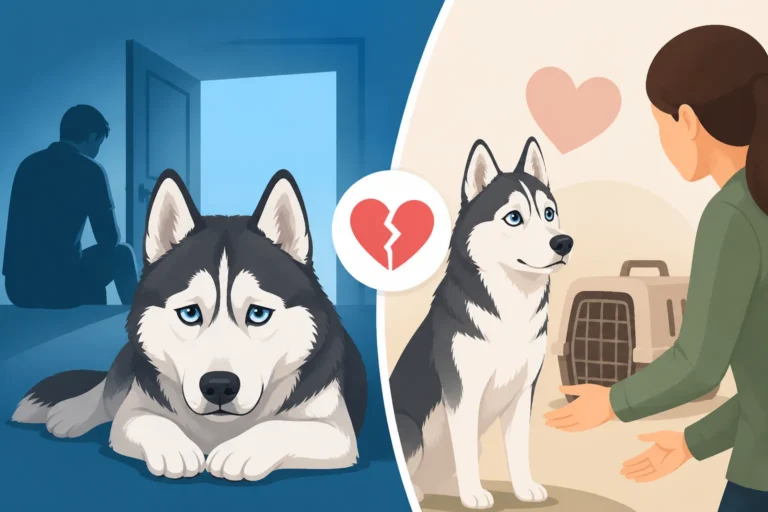
The conditions Balto and his team faced on the vaudeville circuit did not go unnoticed. A Cleveland businessman named George Kimble was visiting Los Angeles in 1927 when he stumbled upon Balto and his companions. He was horrified by their state – looking underfed, neglected, and confined in what he described as dismal conditions. Kimble recognized the injustice: these were not mere show dogs, but heroes who deserved respect and comfort. This discovery sparked an urgent desire to rescue Balto and give him the dignified retirement he truly deserved. It underscored the public's emotional connection to Balto, demonstrating that his story wasn't just about the serum run, but about the animal behind the legend.
George Kimble's Intervention: A Rescue Mission
Moved by Balto's plight, George Kimble immediately set out to secure the dogs' release. He struck a deal with the vaudeville owner, purchasing Balto and his six companions for a significant sum, but with a strict deadline: he had only a short window to raise the necessary funds.
The Cleveland Campaign
Kimble returned to Cleveland, Ohio, and launched an ambitious public fundraising campaign. He appealed to the citizens of Cleveland, sharing Balto's story and the unfortunate reality of his current circumstances. The response was overwhelming. Schoolchildren, local businesses, and everyday citizens all contributed, donating pennies, nickels, and dollars. Within a surprisingly short amount of time – just over a week – the full amount was raised. This outpouring of generosity proved that Balto's heroism was still deeply ingrained in the public consciousness, and people truly cared about his well-being. It was a remarkable community effort, demonstrating the power of collective compassion. If you're looking for quality supplies to care for your own hero, many owners find great value and selection through retailers like Chewy.
Balto's Arrival in Cleveland
On March 19, 1927, Balto and his six teammates arrived in Cleveland, greeted by a huge celebration. A parade was held, with thousands of cheering children and adults lining the streets, eager to welcome their rescued heroes. It was a moment of triumph, not just for the dogs, but for the community that had rallied to save them. Balto was finally free from the grueling life of a vaudeville performer and was about to enter a new, much happier chapter. This grand arrival solidified Cleveland's role in Balto's story, turning him from a national hero into a beloved local icon. This type of community support for animals is a beautiful thing, reminding us that What a Siberian Husky Rescue Asks of Adopters is often focused on the dog's future welfare.
Retirement and Legacy: The Cleveland Metroparks Zoo
Balto's final years were spent in comfort and peace, a well-deserved reward for his earlier heroism and the hardships he endured. He found a true home where he was appreciated and cherished.
A Comfortable Home and Public Adoration
Upon their arrival in Cleveland, Balto and his team were given a permanent home at the Cleveland Metroparks Zoo (then called the Brookside Zoo). Here, they lived out their days in a spacious enclosure, a far cry from the small cages of the vaudeville circuit. They were well-cared for, receiving proper nutrition, veterinary attention, and the respect they deserved. Visitors flocked to the zoo to see Balto, now a symbol of resilience and the community's kindness. He spent the rest of his life there, enjoying a comfortable retirement, interacting with a steady stream of admirers, and becoming a beloved fixture of the city. He lived a good, long life for a husky, and many today wonder How Long Siberian Huskies Live on Average.
Balto's Enduring Impact
Balto passed away on March 14, 1933, at the respectable age of 14, a testament to the care he received in his later years. His body was preserved through taxidermy and is now on display at the Cleveland Museum of Natural History, where he continues to inspire visitors. This allows countless generations to connect directly with his story, feeling a tangible link to a pivotal moment in history. Balto’s legacy extends beyond the serum run; he represents the incredible bond between humans and animals, the power of community action, and the enduring spirit of heroism. He taught us that a hero's journey doesn't always end with immediate glory, but can involve twists and turns, ultimately leading to a peaceful and respected end thanks to the compassion of others. His story reminds us to always look out for the welfare of our beloved companions, ensuring they have the best possible life.
Here's a quick look at some key milestones in Balto's life:
| Year | Event | Location | Significance |
|---|---|---|---|
| 1922 | Birth | Nome, Alaska Territory | Begins life as a working sled dog. |
| 1925 | Final Leg of Serum Run | Nome, Alaska Territory | Delivers antitoxin, becomes national hero. |
| 1925 | U.S. Tour & Central Park Statue Dedication | Major U.S. Cities, NYC | Public adoration, symbolizes heroism. |
| 1926 | Sold to Vaudeville Circuit | Los Angeles, CA | Shifts to a life of exhibition, welfare concerns arise. |
| 1927 | Rescued by George Kimble | Cleveland, OH | Community campaign raises funds for his rescue. |
| 1927 | Arrives at Cleveland Zoo | Cleveland, OH | Begins comfortable retirement, beloved local icon. |
| 1933 | Passes Away | Cleveland, OH | Lived to 14 years old, body preserved for public display. |
Balto's story is a powerful reminder that the lives of our animal companions, especially those who achieve fame, can be complex. From the icy trails of Alaska to the bustling stages of vaudeville and finally to a peaceful sanctuary in Ohio, Balto's journey after 1925 is a testament to his own resilience and the capacity for human compassion. It also teaches us the importance of understanding the full story behind the legends, and how to advocate for the well-being of animals in every stage of their lives. For those of us with Siberian Huskies today, it reminds us of their incredible heritage and the deep responsibility we have to care for them as they deserve, perhaps even choosing specific food from vendors like Chewy for their unique needs, or considering Health Testing Before You Buy a Siberian Husky to ensure a healthy start.
Disclaimer
This article is for general informational purposes only and does not constitute professional advice. Laws, prices and regulations vary by location and change over time. Consult a qualified professional for guidance on your specific situation.