When the First Siberian Husky Standard Was Published
It’s easy to look at a majestic Siberian Husky today and assume they’ve always been recognized as the incredible breed we know, with their distinct appearance and spirited personality. But like all breeds, there was a journey to formal recognition, a period where their unique traits needed to be documented and codified. If you've ever wondered how these magnificent dogs officially got their "blueprint" – the breed standard – you're certainly not alone. Many new owners, and even experienced Husky enthusiasts, often feel a bit lost in the historical details of breed recognition, making it hard to appreciate the thoughtful process that went into preserving the integrity of this incredible working dog. This guide will walk you through the fascinating story of when the first official Siberian Husky breed standard was published and why it remains so vital today.
The Alaskan Gold Rush and Early Husky Popularity
Before there was an official standard, there were the dogs themselves, toiling away in the frigid Siberian wilderness with the Chukchi people. These dogs were pure survivalists, bred for endurance, speed, and a lean metabolism that allowed them to travel vast distances on minimal food. They weren't bred for looks; they were bred for function. Their journey to the Western world, and eventually to formal recognition, began with the Alaskan gold rush and the rise of sled dog racing.
The first significant arrival of these "Siberian" dogs in North America was around 1908, brought over by a Russian fur trader named Charles Fox Maule Ramsay. He imported a team of these smaller, fast sled dogs to compete in the grueling All-Alaska Sweepstakes race, a 408-mile event from Nome to Candle and back. The locals initially scoffed, calling them "Siberian rats" compared to their larger, heavier Malamute-type dogs. But oh, how wrong they were! These speedy, resilient dogs, led by legendary mushers like John Johnson and later Leonhard Seppala, quickly proved their mettle. They started winning, and winning consistently, capturing the hearts and imaginations of the racing community. This is where the breed truly began to carve out its identity in the West, establishing its reputation for speed and stamina. How Siberian Huskies Reached Alaska in 1908 is a fascinating read about this initial journey.
The Road to AKC Recognition and the First Standard
The popularity of these Siberian dogs grew steadily through the early 20th century, particularly after their heroic role in the 1925 Serum Run to Nome, where teams of Huskies, including Seppala’s famous Togo and Gunnar Kaasen’s Balto, raced life-saving diphtheria antitoxin across frozen Alaska. This event catapulted the breed into national and international fame, cementing their image as courageous, tireless heroes. The Diphtheria Outbreak That Sent Huskies to Nome explains this epic journey.
With this newfound fame and a growing number of dedicated enthusiasts and breeders, the need for a formal breed standard became apparent. A breed standard is essentially the written blueprint that describes the ideal characteristics of a breed, covering everything from physical appearance and movement to temperament. It provides a consistent guideline for breeders to maintain the breed's unique traits and for judges to evaluate dogs in the show ring. Without a standard, a breed's characteristics can diverge widely, potentially diluting its unique qualities.
The American Kennel Club (AKC), the primary registry for purebred dogs in the United States, officially recognized the Siberian Husky as a breed in 1930. It was at this pivotal moment that the very first breed standard for the Siberian Husky was published by the AKC. This was a monumental step, transitioning the Siberian Husky from a collection of amazing working dogs into a formally recognized and meticulously defined breed. This initial standard was heavily influenced by the breed’s origins and its proven capabilities as a sled dog, aiming to preserve the traits that made them so exceptional in their working environment. AKC Recognition of the Siberian Husky in 1930 goes deeper into this significant year.
Why a Breed Standard Matters So Much
You might wonder why a piece of paper defining a dog's looks and personality is such a big deal, especially if you're just looking for a family pet. But trust me, the breed standard is far more than just a beauty contest rulebook. It's the cornerstone of responsible breeding and preservation for any purebred dog, and especially for a breed like the Siberian Husky, whose traits are so deeply intertwined with its historical purpose.
Safeguarding Breed Integrity and Health
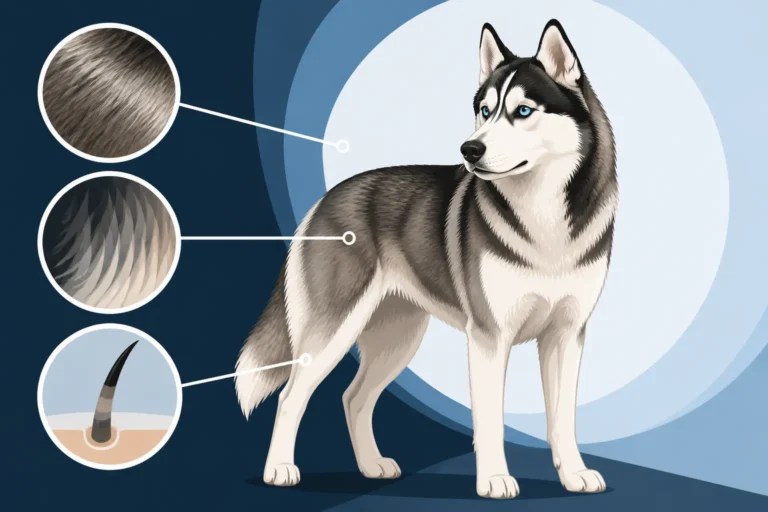
The standard is a living document that safeguards the breed's integrity. It ensures that breeders have a clear goal: to produce dogs that embody the breed's unique characteristics, both physically and mentally. This helps prevent deviations that could lead to health issues or loss of essential working traits. For example, the standard specifies a particular coat type and structure—a dense undercoat and medium-length guard hairs. This isn't just about aesthetics; it's about the coat's ability to protect the dog in extreme cold and heat. If breeders started favoring dogs with thinner coats for warmer climates, it would compromise the very essence of the Siberian Husky and could lead to major health challenges like overheating.
The standard also touches on temperament, which is crucial for overall well-being and suitability as a companion. It describes the Siberian Husky as friendly, gentle, alert, and outgoing, but also highlights their characteristic independence and mischievousness. This helps potential owners understand what to expect. Imagine the frustration if someone brings home a Husky expecting a cuddly lapdog, only to find a strong-willed, highly active escape artist. The standard helps set realistic expectations, which ultimately contributes to fewer dogs ending up in shelters because of misunderstood behavior. Siberian Husky Temperament and What the Standard Says really dives into these personality traits.
Guiding Breeders and Owners
For breeders, the standard is their compass. It dictates everything from desired eye color and ear set to tail carriage and gait. When a responsible breeder selects dogs for their breeding program, they are constantly striving to produce offspring that align as closely as possible with the ideal described in the standard. This isn't about vanity; it's about ensuring the continuation of healthy, type-specific dogs. Breeders use health testing to identify genetic predispositions and combine that with adherence to the standard to produce the best possible puppies. You can learn more about this by reading Health Testing Before You Buy a Siberian Husky.
For owners, while you might not be showing your Husky, understanding the standard helps you appreciate your dog's heritage and unique traits. It gives you insight into why your Husky acts a certain way or has particular needs. Knowing their ancestral purpose as endurance sled dogs, for instance, helps you understand their innate drive to run and explore, their need for a secure yard, and their exceptional energy levels. This knowledge empowers you to provide the best care. Even simple things like choosing the right brush from Chewy for their double coat, or selecting appropriate food for their efficient metabolism, are indirectly influenced by the standard’s description of their physical traits and working purpose.
What the Original Standard Emphasized
The first Siberian Husky standard, like those that followed and evolved slightly over the decades, focused on ensuring the breed retained its essential characteristics as a highly efficient sled dog. This meant emphasizing traits that directly contributed to their function and survival in harsh northern environments.
Ideal Physical Characteristics
The standard details crucial physical attributes. Size, for instance, is not just arbitrary; it relates to their role as light, fast freight dogs. Males typically stand 21-23.5 inches at the shoulder and weigh 45-60 pounds, while females are smaller. This proportion is vital for their agile, enduring gait. Siberian Husky Height and Weight in the Standard elaborates on these measurements.
Their double coat, consisting of a dense, soft undercoat and longer, somewhat harsh guard hairs, is explicitly described. This isn't just fluffy beauty; it's a critical insulation system. The standard recognizes various coat colors and markings, from pure white to black and white, reds, sables, and agoutis, often with striking facial masks. Siberian Husky Coat Colors and Markings explores this diversity. Eye color, too, is famously varied in Siberians, with blue, brown, bi-colored, and parti-colored eyes all being acceptable. The standard explicitly states that no preference is given to one color over another. Siberian Husky Eye Colors and Heterochromia covers this fascinating trait.
Temperament as Defined by the Standard
Perhaps one of the most important aspects of any breed standard, especially for a working dog, is the description of temperament. The Siberian Husky standard highlights their friendly, gentle, but also alert and outgoing nature. Crucially, it notes their characteristic independence. They are not typically one-person dogs and often display an affectionate nature towards most people, including strangers. This inherent friendliness is a hallmark of the breed, a trait that came from their original role where they lived closely with people and needed to be tractable.
The standard also makes it clear that they are not guard dogs. Their alert nature means they might notice an intruder, but their friendly disposition means they are more likely to greet them than deter them. This can be a frustration for new owners who expect a protective dog, but it's vital information that the standard provides upfront. Their intelligence, while undeniable, is often coupled with a mischievous streak and an independent spirit, which means training requires patience, consistency, and a keen understanding of their motivations. If you don't keep them engaged, you might find them turning their cleverness to things like opening gates or dismantling household items – something many Husky owners can attest to!
The Enduring Legacy of the Standard
The publication of the first Siberian Husky standard in 1930 was not the end of the story, but rather a robust beginning. It provided the framework that has guided generations of breeders and enthusiasts, helping to ensure that the Siberian Husky we admire today remains true to its heritage. While slight refinements may occur over time to clarify wording or address new understandings, the core principles established in that initial document continue to define the breed.
This historical moment was a testament to the dedication of early fanciers who saw the incredible value in these dogs and wanted to preserve their unique blend of beauty, athleticism, and personality. It reminds us that every time we see a Husky effortlessly pulling a cart, majestically trotting through the snow, or simply "talking" to us with their characteristic vocalizations, we are witnessing the living legacy of a carefully preserved and deeply understood breed. When you’re looking for high-quality, durable toys or even specialty foods designed for active breeds, checking out options on Chewy that cater to their specific needs, as outlined by the standards for their build and metabolism, is always a good idea. The National Siberian Husky Club plays a crucial role in upholding and interpreting this standard for the breed’s ongoing health and integrity. What a Siberian Husky Was Bred to Do further illustrates their incredible capabilities.
Comparative Look: Before and After the Standard
To truly appreciate the standard, it's helpful to consider what the situation was like before its existence and how it changed things.
| Feature | Before Official Standard | After Official Standard Publication (1930) |
|---|---|---|
| Breed Definition | Loose, based on anecdotal descriptions and working ability. | Clear, written description of ideal physical and temperament traits. |
| Breeding Goals | Primarily functional (speed, endurance for sled work). | Functional goals integrated with specific appearance standards. |
| Show Ring | Limited formal competition for "Siberians." | Established criteria for judging in conformation events. |
| Public Perception | "Siberian rats," then heroic sled dogs. | Recognized as a distinct, purebred dog with specific traits. |
| Breed Preservation | Relied on continuation of working lines. | Formalized framework to maintain breed type and health. |
This shift from informal recognition to a formal standard was monumental. It didn't just define the Siberian Husky; it gave enthusiasts a common language and a shared vision for the breed's future. It’s what allows us to celebrate the breed's consistent characteristics, whether it’s their striking eyes or their unwavering desire to run.
Disclaimer
This article is for general informational purposes only and does not constitute professional advice. Laws, prices and regulations vary by location and change over time. Consult a qualified professional for guidance on your specific situation.