Whether a Working Line Husky Makes a Harder Pet
It's a common thought that a "working line" Siberian Husky might be too much for the average household, sparking worries about hyperactivity, escape artistry, and sheer willfulness. Many potential owners wonder if they're signing up for a constant battle rather than a beloved companion. This guide will delve into the distinctions between working and pet lines of Siberian Huskies, exploring their inherent traits and offering realistic insights into what it truly takes to integrate a dog bred for purpose into a family environment, helping you understand if your lifestyle aligns with their unique needs.
Understanding the Core Difference: Pet vs. Working Lines
When people talk about "working line" versus "pet line" or "show line" Siberian Huskies, they're really talking about the primary focus of the breeding program that produced the dog. It's not always a black-and-white distinction, but understanding the general goals behind these lines is crucial for setting realistic expectations.
What Defines a Working Line Siberian Husky?
A working line Siberian Husky is bred first and foremost for performance in sledding, skijoring, canicross, or other endurance activities. Their lineage traces directly back to dogs actively competing or working in harness, often in demanding conditions. These are the dogs whose ancestors were essential to the survival and traditions of The Chukchi Origins of the Siberian Husky and later became famous in Alaskan races. Every trait, from their physical build to their mental fortitude, is selected to optimize their ability to run, pull, and endure.
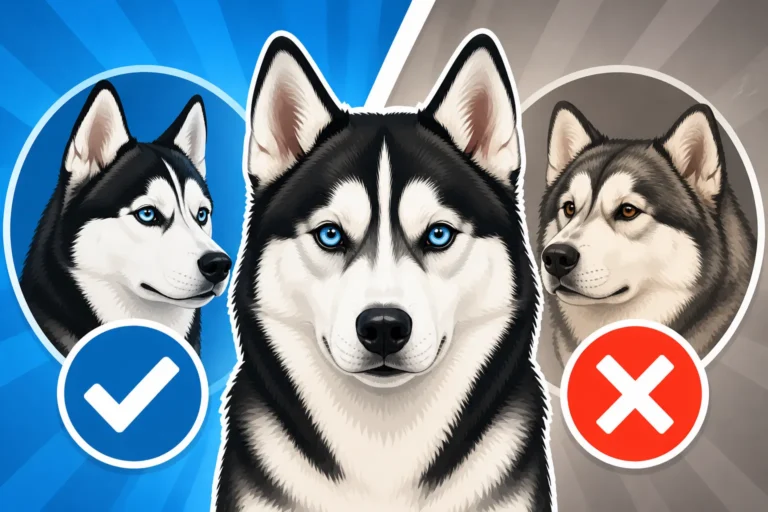
Physically, a working line Husky might appear lighter in bone and more athletic, built for speed and efficiency rather than a specific conformation standard. Their coats might be slightly less dense than some show lines, favoring insulation and quick drying over sheer fluffiness. Mentally, these dogs are often incredibly driven, intelligent in a problem-solving, independent way, and possess an almost insatiable desire to move. They thrive on having a "job" and can become frustrated or destructive if their inherent needs for physical and mental stimulation aren't met. They embody What a Siberian Husky Was Bred to Do perhaps more purely than any other line.
What Defines a Pet or Show Line Siberian Husky?
On the other end of the spectrum, pet or show line Siberian Huskies are bred with different priorities. For show lines, the focus is on adherence to the breed standard as defined by organizations like the American Kennel Club (AKC). This means breeders select for specific physical characteristics—head shape, ear set, coat color and texture, gait, and overall balance—that will do well in the conformation ring. Temperament is still important, often favoring a more tractable and generally agreeable nature suitable for a family environment and comfortable with handling by strangers in the show ring.
Pet lines, while often originating from show lines, might be bred more specifically for companionship, with less emphasis on strict conformation and even less on high-drive working ability. These dogs are generally selected for traits that make them easier to live with in a typical home: a slightly lower energy level, a more relaxed demeanor, and a higher desire for human interaction as opposed to independent exploration. This isn't to say they don't need exercise or mental engagement, but their needs are often less intense than those of their working line cousins. Many delightful family dogs come from these lines, providing loyal companionship without the demanding athleticism.
The Overlap and the Extremes
It's crucial to understand that these categories aren't always distinct, and there's a significant overlap. Many breeders try to produce dogs that can both perform well in the ring and have excellent temperaments for family life. A dog from a "pet line" might still possess a strong desire to run, and a "working line" dog can be a fantastic, affectionate companion. The labels serve more as general indicators of the breeder's primary goals and the traits they prioritize.
However, the "extremes" do exist. A top-tier working line Husky from a kennel that campaigns dogs in long-distance races might have an energy level and drive that would overwhelm even an active pet owner. Conversely, a very mellow pet line Husky might struggle to keep up with an owner hoping for a running partner. The key is to research the specific kennel and, most importantly, meet the individual dog and its parents if possible, to get a true sense of their temperament and energy. Don't assume that because a dog comes from a certain line, it will automatically fit a preconceived notion.
Key Traits That Influence Pet Suitability
When considering any Siberian Husky, but particularly one from a working background, there are several key traits that significantly impact their suitability as a pet. These are the aspects that often catch new owners off guard, leading to frustration if not properly understood and managed.
Exercise Requirements: Beyond a Daily Walk
This is perhaps the biggest differentiator. A working line Siberian Husky isn't just "energetic"; they are built for endurance and have a deep, instinctual need to run and pull. A leisurely stroll around the block or a quick romp in the backyard simply won't cut it. These dogs need substantial, consistent, and often structured exercise. We're talking about multiple miles of running, biking, or pulling in harness, sometimes daily.
Imagine trying to keep a marathon runner happy with a brisk walk to the mailbox. That's often how a working line Husky feels about insufficient exercise. Without an adequate outlet, this pent-up energy can manifest in destructive behaviors: chewing furniture, digging craters in the yard, or frantic pacing. It's not misbehavior; it's a dog fulfilling its biological imperative in the only way it knows how. Even many pet line Huskies need more than just a walk; for a working line, it's a non-negotiable part of their daily routine. Understanding How Much Exercise a Siberian Husky Really Needs is paramount for any owner.
Training and Independence: A Different Mindset
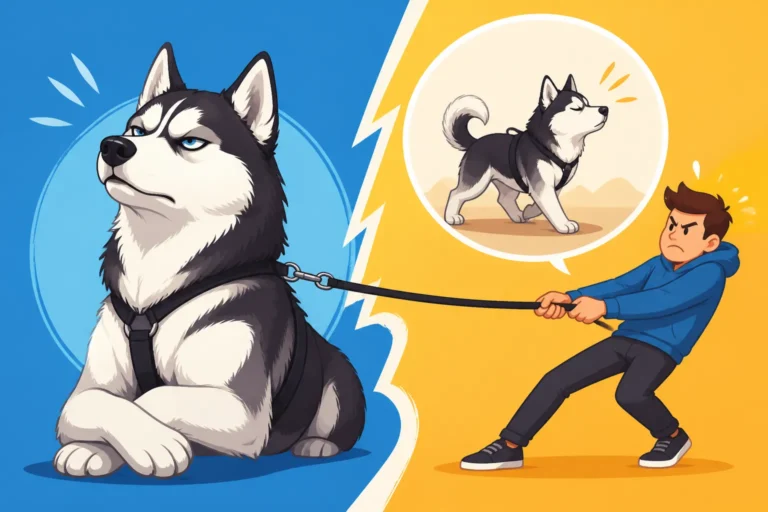
Siberian Huskies are intelligent, but their intelligence often expresses itself in problem-solving and independent thought, rather than a strong desire to please or biddability. This is especially true for working lines, which were bred to make decisions on the trail, often far from the musher. This independence can be misinterpreted as stubbornness. When you ask a working line Husky to do something, their first thought isn't "How can I make my human happy?" but "What's in it for me?" or "Is this a good idea right now?"
This translates into training challenges. While they are certainly trainable, they require an owner who understands positive reinforcement, is patient, consistent, and makes training fun and rewarding. Force or harsh corrections are largely ineffective and can damage the bond, leading to a dog that simply shuts down or doubles down on its independence. Recall, for instance, is famously difficult. A working line Husky's instinct to run and explore often overrides any command, making Why a Siberian Husky Cannot Be Trusted Off Leash a fundamental truth for the vast majority. It's not that they don't know the command; it's that the world is often far more interesting. Training an Independent Siberian Husky requires a unique approach tailored to their personality.
Prey Drive and Socialization: Instincts Unleashed
The Siberian Husky's historical role involved hunting small game when not pulling sleds. This means a strong, inherent prey drive is deeply ingrained in the breed, and it's often more pronounced in working lines. This drive can make coexistence with smaller pets like cats, rabbits, or even small dogs incredibly challenging, if not impossible. Even a well-socialized working line Husky can view a squirrel or neighborhood cat as legitimate prey, and their speed and agility make them incredibly effective hunters.
Managing this prey drive requires constant vigilance and secure containment. A simple walk can become a frantic struggle if a rabbit bolts across the path. For owners with multi-pet households, particularly those with smaller animals, this trait is a serious consideration. While socialization from a young age can help, it rarely eliminates the instinct entirely. Understanding Siberian Husky Prey Drive Around Small Animals is vital. Socialization with other dogs and people is also crucial for working lines to ensure they are well-adjusted, as their intensity can sometimes be overwhelming to other dogs if not properly introduced.
Management Strategies for a Working Line Husky in a Pet Home
If you're considering bringing a working line Siberian Husky into your home, you're signing up for a lifestyle adjustment, not just adding a pet. Their needs are profound, but with the right strategies, they can be incredibly rewarding companions.
Creating a "Job" for Your Husky
The most effective way to manage a working line Husky's energy and drive is to give them a "job." This doesn't necessarily mean entering professional sled dog races, but it does mean providing outlets that tap into their innate desire to run and pull. Activities like canicross (running with your dog in harness), bikejoring (biking with your dog pulling), or even urban mushing with a scooter are excellent ways to burn physical and mental energy. These activities engage their bodies and minds in a way that replicates their historical purpose.
Beyond formal harness sports, structured, high-intensity exercise is critical. Long, brisk runs with you, hiking on varied terrain, or even intense fetch sessions with a strong, durable toy can help. Puzzle toys from brands like Chewy, which require your Husky to think and problem-solve for their food or treats, can also provide mental stimulation, though they are no substitute for physical exercise. Remember, a tired Husky is usually a well-behaved Husky. When considering these activities, make sure your Husky is old enough and physically mature enough to participate safely. Giving a Siberian Husky a Job in Harness is key to their happiness and your sanity.
Fortifying Your Home and Yard
Siberian Huskies, especially those with strong working instincts, are escape artists of legendary proportions. Their intelligence, athleticism, and independent nature mean they'll test every weak point in your containment strategy. A standard six-foot fence is often just a suggestion for a determined Husky, as they are expert climbers and diggers. You'll need to think like a Husky to secure your property.
This means ensuring fences are at least six feet tall, preferably higher, and installing "L-footers" or burying wire mesh along the bottom to prevent digging out. Gate latches should be secure and perhaps even double-locked, as some clever Huskies can figure out how to open basic mechanisms. For indoors, crating can be a lifesaver, but a working line Husky might view a standard wire crate as a challenge to be conquered. Look for heavy-duty, escape-proof crates. Even then, Siberian Husky Destruction When Left Alone can be a major issue if they aren't properly exercised and mentally stimulated before being left. For these items, online retailers like Chewy often provide a wide range of options, allowing you to read reviews and select the most robust products.
The Importance of Consistency and Patience
Living with a working line Siberian Husky requires an exceptional level of consistency, patience, and commitment. They are not a breed for the faint of heart or for those seeking an obedient, biddable companion. They respond best to clear rules, consistent expectations, and a positive, reward-based training approach. Wavering on boundaries or being inconsistent with training will lead to a Husky who happily takes advantage of the situation.
Their independent nature means you'll often need to find creative ways to motivate them. Food rewards, high-value treats, and exciting play can be powerful motivators, but praise alone often won't cut it. You need to be more interesting than the environment. This lifelong commitment to training, exercise, and management ensures that your Husky remains a happy, well-adjusted member of your family. It's a journey, not a destination, and requires daily dedication. Siberian Husky Leash Work Against a Pulling Instinct is an ongoing process that benefits from consistent training and the right equipment.
Deciding If a Working Line Husky is Right for You
Bringing any dog into your home is a big decision, but with a working line Siberian Husky, it requires an even deeper level of introspection about your lifestyle, resources, and expectations.
Assessing Your Lifestyle and Resources
Before you even consider a working line Husky, take a long, honest look at your life. Do you have several hours each day to dedicate to their exercise and mental stimulation? Not just a weekend warrior, but day in and day out? Are you an avid runner, biker, or hiker who genuinely enjoys being outdoors, even in less-than-ideal weather? If your primary exercise is walking to the fridge, a working line Husky is likely not the right fit.
Consider your living situation. Do you have a securely fenced yard, or are you prepared to invest in one? Are you committed to ongoing training, possibly with professional help? Do you have the financial resources for potentially higher food bills (due to their activity level, though Siberians are efficient eaters), specialized gear from places like Chewy, and potential vet visits associated with an active lifestyle? Who Should and Should Not Own a Siberian Husky really comes down to this kind of self-assessment. Their potential for Stopping a Siberian Husky From Escaping the Yard means you'll need to invest time and money into secure containment.
| Trait Aspect | Working Line Siberian Husky | Pet/Show Line Siberian Husky |
|---|---|---|
| Primary Breeding Goal | Performance in sledding, endurance, speed | Conformation to breed standard, companionship |
| Physical Build | Lighter bone, athletic, built for speed and efficiency | Sturdier build, aesthetically pleasing, balanced conformation |
| Energy Level | Extremely high, needs intense daily exercise, constant desire to move | Moderate to high, needs regular exercise, more adaptable to varied routines |
| Drive | High prey drive, strong pull instinct, independent, problem-solver | Moderate prey drive, can still have pull instinct, more people-focused |
| Trainability | Intelligent but independent, easily bored, needs consistent, engaging, positive reinforcement | Intelligent, generally more biddable, can still be independent, enjoys engaging training |
| Destructive Potential (if needs unmet) | Very high: digging, chewing, escaping, vocalizing | Moderate: can still be destructive, but often less intense or frequent |
| Best Suited For | Active individuals/families who enjoy outdoor sports, experienced dog owners | Active families, those seeking a loyal companion, individuals willing to provide consistent exercise |
Seeking Out Reputable Breeders or Rescues
If you've honestly assessed your lifestyle and believe you can meet the demanding needs of a working line Siberian Husky, your next step is to find an ethical source. A reputable breeder of working line Huskies will be incredibly transparent about the intensity and needs of their dogs. They will likely be involved in sledding or other harness sports themselves and will be looking for homes that understand and can provide a similar outlet. They won't try to minimize the commitment required.
Alternatively, many breed-specific Siberian Husky rescues often have dogs from a variety of backgrounds, including those with higher energy needs. These organizations do an excellent job of temperament testing and understanding each individual dog's requirements. They can help match you with a Husky whose energy level and personality truly align with what your household can offer. When talking to breeders or rescues, be upfront about your experience and lifestyle. Don't be afraid to ask about the parents' temperaments and energy levels, and specifically inquire about the dog's drive and need for a "job." A good breeder or rescue wants to ensure their dogs go to the right homes.
Disclaimer
This article is for general informational purposes only and does not constitute professional advice. Laws, prices and regulations vary by location and change over time. Consult a qualified professional for guidance on your specific situation.