Red and Copper Siberian Huskies
It’s a common sight to see people’s eyes widen when they encounter a Siberian Husky with a truly striking red or copper coat. Many folks instantly picture Huskies in classic black and white or shades of gray, so these fiery hues often come as a pleasant surprise, even leading some to wonder if they're seeing a rare breed or a mix. This guide is here to shed light on everything you need to know about red and copper Siberian Huskies, from their genetics and coat variations to how to keep their beautiful color vibrant and healthy.
Understanding Siberian Husky Coat Colors
When you think of a Siberian Husky, what color comes to mind first? For most, it's that iconic black and white, or perhaps a wolf-gray with crisp white markings. But the truth is, the Siberian Husky breed is incredibly diverse when it comes to coat colors, offering a stunning array of shades that often catch people off guard. Red and copper Huskies are a perfect example of this natural variation, and understanding their place within the breed standard is key to appreciating their unique beauty.
The Standard's View on Color
The American Kennel Club (AKC) breed standard for the Siberian Husky is surprisingly broad when it comes to acceptable colors. It explicitly states, "All colors from black to pure white are allowed." This is fantastic news for anyone who loves the breed but might be drawn to colors beyond the typical. It means that whether your Husky is black, gray, sable, red, copper, or even pure white, they are all equally recognized and valued within the breed. There's no preference for one color over another, which means you shouldn't feel pressured to choose a puppy based solely on the perceived "rarity" of its coat. What matters most is a healthy, well-tempered dog from reputable lines, regardless of its color palette. You can explore this further by looking into Siberian Husky Coat Colors and Markings.
Why Red and Copper Are Standard
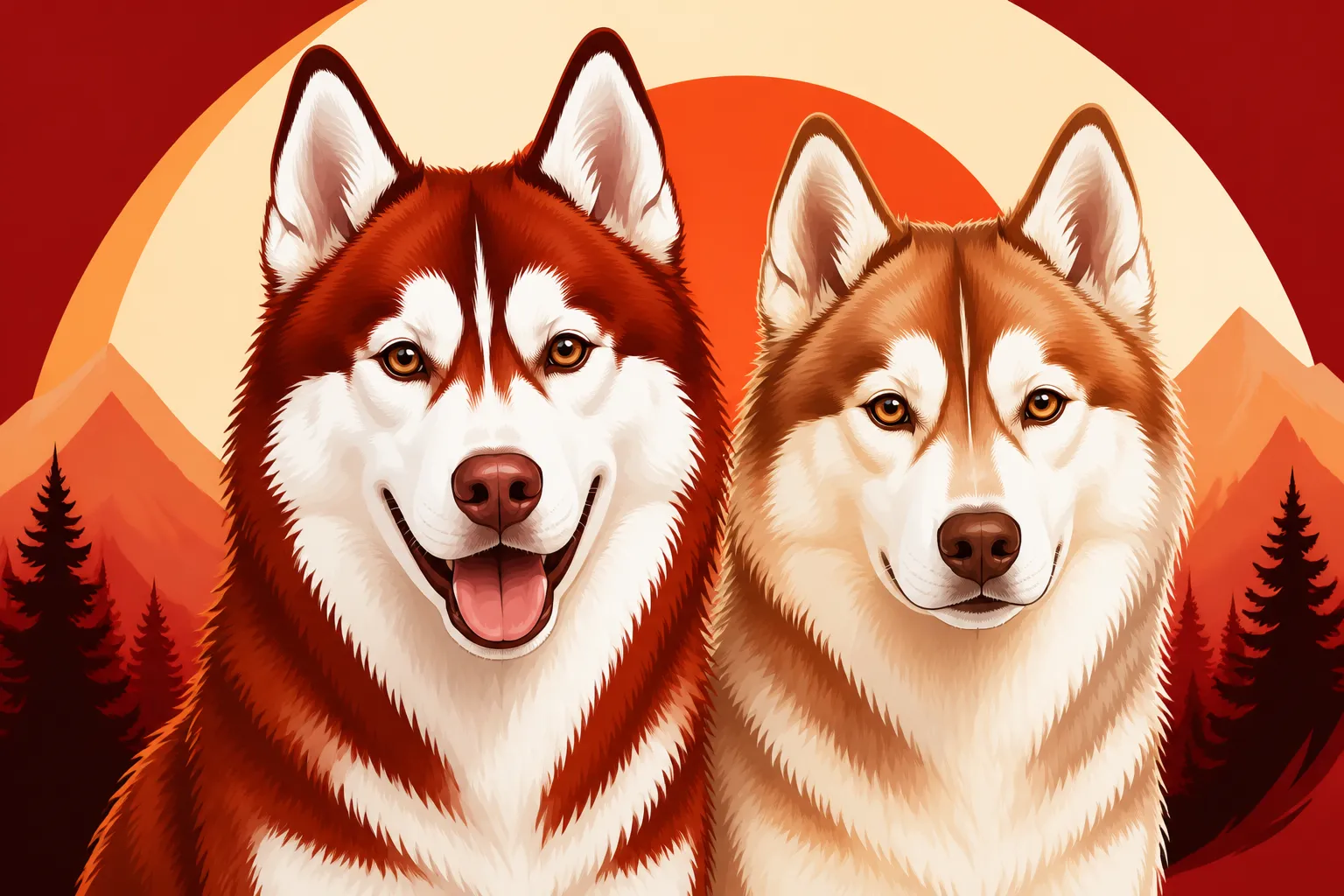
So, why do some people assume red or copper Huskies aren't standard? It often comes down to exposure. The more common colors are simply seen more frequently in media or in public. However, red and copper are absolutely standard and have been present in the breed for generations. These shades range from a light, almost creamy copper to a deep, rich mahogany red, often complemented by white markings on the chest, legs, and face. These white markings can sometimes be extensive, creating a striking contrast that really makes the red or copper pop. It's truly a testament to the genetic diversity that breeders have preserved over time, allowing for such a beautiful spectrum of possibilities. Understanding The Coat Colors the Siberian Husky Standard Allows helps clarify this.
Genetics Behind Red Pigmentation
The science behind a red or copper Siberian Husky's coat color is fascinating, and it mostly comes down to a gene called the "E locus." Without getting too bogged down in complex genetics, essentially, this gene controls whether a dog can produce black pigment in its fur. Huskies that are genetically "ee" at the E locus can only produce red pigment, regardless of what other color genes they carry. The intensity of that red can then be influenced by other genes, leading to the variations we see, from pale copper to dark red. This is why you might see a whole litter with black, gray, and red puppies – it’s all part of the beautiful genetic lottery that makes each Husky unique. The underlying genetics for these coats are no different from those producing the more common colors, simply different expressions of the same genetic blueprint.
The Spectrum of Red and Copper Hues
The beauty of red and copper Siberian Huskies lies in their incredible range of shades. It's not just "red" or "copper"; it's a whole palette of warm, earthy tones that can truly make each dog distinctive. From sunrise orange to sunset burgundy, these colors are captivating and often evolve slightly as the dog matures.
Light Copper to Deep Red
Imagine a warm autumn leaf, and you might get a sense of the colors we're talking about. A light copper Husky might have a coat that shimmers with golden, almost apricot undertones, especially in the sunlight. These dogs often have very light, creamy white markings that blend softly with their main color. On the other end of the spectrum, you have deep red Huskies, whose coats can be a rich, almost mahogany red, sometimes with a subtle auburn tint. These darker reds often have stark, bright white markings that create a dramatic and beautiful contrast. No two red or copper Huskies are exactly alike, and observing the subtle nuances in their coat is part of the joy of owning one. The way the light catches their fur can transform their appearance entirely, from bright and vibrant to deep and mysterious.
The Role of White Markings
The white markings on a red or copper Siberian Husky play a huge role in defining their overall look. Just like with black and white Huskies, these white areas typically appear on the chest, belly, legs, and sometimes as a stripe or mask on the face. For a light copper Husky, these white areas might be soft and blend seamlessly, creating a gentle, ethereal look. With a deep red Husky, the white becomes a sharp, eye-catching contrast, highlighting the rich depth of the red. Some red Huskies might also have "points," where a lighter, creamy color appears on their legs, muzzle, or around their eyes, rather than stark white. These variations are all perfectly normal and contribute to the stunning visual appeal of these dogs.
Sable Versus Red Huskies
Here's where things can sometimes get a little confusing, even for experienced Husky enthusiasts. While red and copper Huskies primarily display eumelanin (black pigment) only in their nose and paw pads (if they have it), sable Huskies are a slightly different genetic expression. A sable Husky will have black tipping on their individual red or tan hairs. This means that while their base coat is shades of red, tan, or gold, the presence of black tips gives them a darker, often smokier or "dirty" appearance, especially along their back or over their ears. Sable Siberian Huskies are truly beautiful, but their genetic makeup allows for that black overlay on a red base. A true red or copper Husky, by contrast, will not have these black tips in their coat hairs; their coat will be purely red or copper from root to tip, with only their nose, lips, and eye rims showing black pigment (or liver if they are "dilute" reds, but that's a different story!).
Caring for a Red or Copper Husky's Coat
Regardless of color, a Siberian Husky's double coat is one of its most defining features and requires specific care. For red and copper Huskies, there are a few extra considerations to keep their vibrant color looking its best and their coat healthy.
Sun Exposure and Fading Concerns
One of the considerations with any richly pigmented coat, including red and copper, is the potential for sun fading. Just like our own hair can lighten in the sun, a Husky's red coat can sometimes become a little duller or brassier with prolonged, intense sun exposure. This isn't harmful to the dog, but if you're keen on maintaining that deep, rich hue, it's something to be mindful of. You might notice the sun causing a brighter, lighter red to appear on the back or flanks, especially after a long summer spent outdoors. While a Husky needs plenty of outdoor time, ensuring they have access to shade during peak sun hours can help mitigate this. Remember, their coat is designed to protect them from both heat and cold, so never be tempted to shave them to "cool them off"—you'll actually do more harm than good and expose their skin to harmful UV rays. Always remember Why a Shaved Siberian Husky Overheats.
Grooming for Coat Health and Vibrancy
Regular grooming is essential for all Siberian Huskies, and red and copper coats are no exception. Their dense double coat means they shed profusely, especially during their twice-yearly "coat blow" when they shed their entire undercoat. During these times, daily brushing with an undercoat rake and slicker brush is paramount to remove dead hair, prevent matting, and allow new, healthy hair to grow. This not only keeps their coat looking vibrant but also helps regulate their body temperature. Outside of coat blow season, a good brush out once or twice a week is usually sufficient. Keeping the coat clean and free of dead hair will help the natural oils distribute properly, enhancing the shine and richness of their color. For more on this, check out Siberian Husky Coat Blow and the Six Weeks It Lasts.
Choosing the Right Products
When it comes to bathing, Siberian Huskies are remarkably clean dogs and don't need frequent baths, perhaps only a few times a year or when truly dirty. Over-bathing can strip their natural oils, leading to a duller coat and dry skin. When you do bathe your red or copper Husky, look for shampoos designed to enhance color or those that are gentle and moisturizing. Products with natural conditioners can help keep the coat soft, shiny, and vibrant. Avoid harsh detergents that might strip color or cause skin irritation. Many quality pet retailers, like Chewy, offer a wide range of shampoos and conditioners specifically formulated for double-coated breeds or for color enhancement. They also stock essential tools like undercoat rakes and high-velocity dryers, which are game-changers for dealing with the sheer volume of hair during a coat blow. A good sturdy brush from Chewy can make all the difference in managing their spectacular fur.
Here’s a quick overview of essential grooming for a red or copper Husky:
| Grooming Task | Frequency | Key Benefit | Recommended Tools (from Chewy, for example) |
|---|---|---|---|
| Brushing | Daily during coat blow; 1-2x weekly otherwise | Removes dead undercoat, prevents mats, distributes oils | Undercoat rake, slicker brush, de-shedding tool |
| Bathing | Every 2-3 months or as needed | Cleans coat, removes dirt and odors | Gentle, color-enhancing shampoo/conditioner |
| Nail Trimming | Every 2-4 weeks | Prevents discomfort, encourages healthy paw structure | Nail clippers or grinder |
| Ear Cleaning | Monthly or as needed | Prevents infections, removes wax/debris | Vet-approved ear cleaner, cotton balls |
| Teeth Brushing | Daily (ideally) | Prevents dental disease, fresh breath | Dog toothbrush/toothpaste |
Common Misconceptions and Unique Traits
There are a lot of myths and misunderstandings floating around about specific coat colors in dogs, and red and copper Siberian Huskies are no exception. Let's clear up some of the common questions and highlight traits often associated with these stunning hues.
Eye Color and Red Huskies
Many people associate Siberian Huskies with piercing blue eyes, but the truth is, Huskies can have a variety of eye colors: blue, brown, bi-eyed (one blue, one brown), or parti-colored (flecks of blue and brown in the same eye). The beautiful thing about red and copper Huskies is that they can sport any of these eye colors, just like their black and white or gray counterparts. While brown eyes often look stunningly rich against a deep red coat, and blue eyes create a striking contrast, there's no genetic link between a red coat and a specific eye color. So, if you see a red Husky with brilliant blue eyes, it's not any more "rare" than a black and white Husky with the same eye color. The combination is simply captivating!
Nose and Paw Pad Pigmentation
Just as with coat color, the pigmentation of a Siberian Husky's nose, lips, and paw pads can vary. For red and copper Huskies, you'll most commonly see a black nose, which contrasts beautifully with their warm coats. However, it's also perfectly acceptable for them to have a "liver" (brown or reddish-brown) nose, especially for lighter copper shades. This liver pigmentation will also extend to their lip rims and paw pads. Some Huskies, regardless of coat color, also experience "snow nose," where their nose pigment lightens to pink during winter months and darkens again in summer. This is completely normal and not a health concern. Understanding the nuances of their nose color is just another fascinating aspect of these dogs; learn more about Snow Nose in a Siberian Husky Through Winter.
Temperament: Is Color Linked to Personality?
Absolutely not! This is one of the most persistent myths in the dog world: that a certain coat color dictates a dog's temperament or intelligence. Whether your Siberian Husky is red, copper, black, gray, or white, their personality is determined by a combination of genetics from their parents and the socialization and training they receive. Red and copper Huskies are just as intelligent, mischievous, independent, and affectionate as any other Siberian Husky. Their desire to run, their strong prey drive, their famous "Husky talk," and their tendency to be escape artists are traits inherent to the breed, not tied to a specific coat color. So, if you're welcoming a red or copper Husky into your life, expect all the wonderful, sometimes challenging, qualities that make the Siberian Husky such a unique and beloved breed. Focus on consistent training and early socialization, and you'll have a fantastic companion, regardless of their stunning hue.
Disclaimer
This article is for general informational purposes only and does not constitute professional advice. Laws, prices and regulations vary by location and change over time. Consult a qualified professional for guidance on your specific situation.