A Siberian Husky Puppy That Refuses Meals
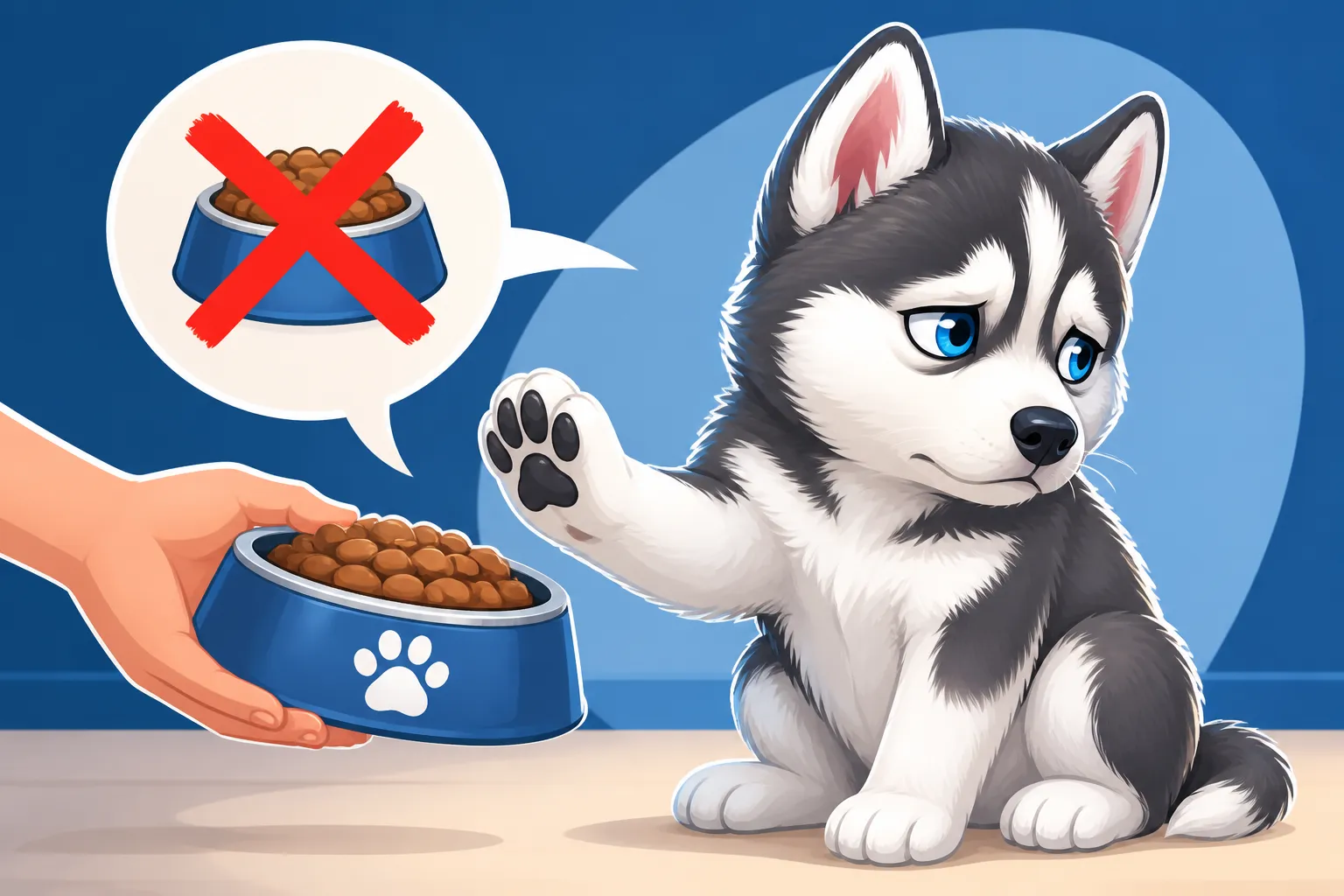
It’s incredibly unsettling when your energetic Siberian Husky puppy, who you expect to be a bottomless pit of fluff and zoomies, suddenly turns up their nose at their food bowl. You watch them sniff, take a tentative bite or two, then walk away, and your heart sinks a little, wondering if something is seriously wrong or if you’ve somehow messed up. This guide is here to walk you through the many reasons why your Husky pup might be refusing meals and offer practical, reassuring strategies to get them eating happily again.
Understanding the Husky Puppy Metabolism and Appetite
Siberian Huskies are truly a breed apart, and their unique physiology often surprises new owners. What might seem like a problem in another breed can sometimes just be a Husky being a Husky. Understanding their inherent nature is the first step in decoding their eating habits.
Why Huskies Aren't Always Guzzle-Machines
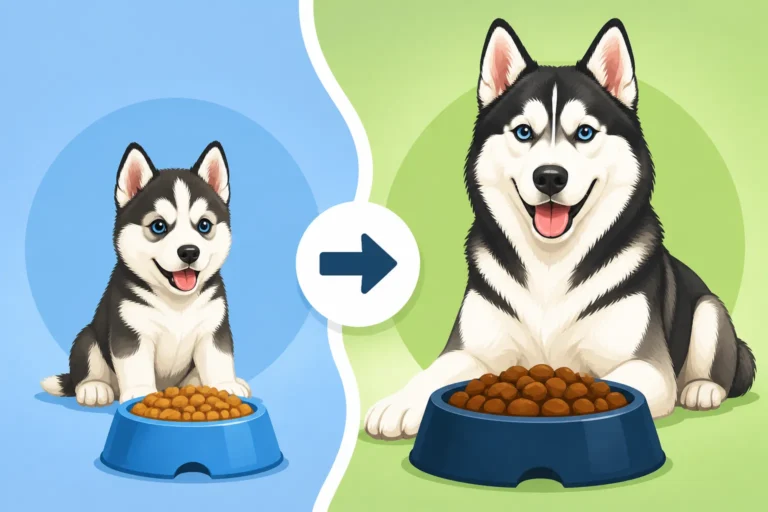
Unlike many other medium-sized breeds that seem to live to eat, Siberian Huskies often possess an incredibly efficient metabolism. They were bred for endurance in harsh conditions, meaning their bodies learned to extract maximum energy from minimal food. This isn't just about being "picky"; it's a deep-seated evolutionary trait. While a Labrador puppy might dive headfirst into their bowl, a Husky pup might approach mealtime with a more discerning, almost casual, attitude. You might find yourself comparing your pup to a friend's dog that inhales food, leading to worry that your Husky isn't getting enough. Rest assured, their normal isn't always the same as other breeds' normal.
This metabolic efficiency means that Huskies, even as puppies, often require fewer calories per pound of body weight than many people assume or what generic food bag guidelines suggest. If you're feeding according to the back of a standard kibble bag, you might actually be offering too much food for their needs, especially if your pup isn't a high-energy working line. When faced with an abundance of food, a Husky puppy's natural inclination isn't always to gorge; it's often to eat what they need and leave the rest. This can look like refusal, but it's simply a testament to their incredibly effective internal systems.
Their ancestral diet, which often consisted of lean protein and limited resources, also plays a role in how they view food. They're not generally driven by the same intense food motivation you might see in breeds developed for different purposes. This isn't to say they don't enjoy their meals, but rather that their bodies are finely tuned to sustain themselves without constant intake. So, when your puppy seems less enthusiastic than you'd expect, remember that their ancestors taught them to be efficient, not ravenous.
The Growth Plateaus and Spurts of a Husky Puppy
Puppies don't grow at a perfectly steady rate, and Siberian Huskies are no exception. They'll have periods of rapid growth spurts where they seem to stretch overnight, and then they'll hit plateaus where their growth slows considerably. During these slower growth phases, their caloric needs naturally decrease, and it's perfectly normal for their appetite to wane a bit. It’s easy to panic when your puppy, who was eating like a champ a few weeks ago, suddenly starts leaving food in the bowl, but it might just be a sign they’re in a growth lull.
It’s worth paying attention to The Health Milestones of a Siberian Husky Year by Year to get a general idea of when these shifts might occur. For instance, a Husky puppy often experiences significant growth in the first six months, then a slower, more gradual filling out until they reach maturity around 12-18 months. Their energy levels might also fluctuate with these growth phases; a super active phase might mean a hungrier pup, while a calmer period could mean less interest in food.
Observing your puppy's overall condition is more important than fixating on every single meal. Are they still playful? Do they have good energy? Is their coat shiny and their eyes bright? If the answer is yes, then a temporary dip in appetite during a growth plateau is usually nothing to worry about. Their body is simply adjusting its caloric intake to match its current developmental needs, and they're often very good at self-regulating when given the opportunity.
Common Reasons a Siberian Husky Puppy Might Skip Meals
Beyond their unique metabolism, there are several very common and understandable reasons why your young Siberian Husky might be turning away from their food. Pinpointing the cause is often the biggest step towards finding a solution.
Environmental Stressors and New Home Adjustments
Bringing a new puppy home, even the most confident Siberian Husky, is a huge change for them. They've left their littermates, their mother, and the familiar smells and sounds of their breeder's home. Everything is new, from the layout of your house to the sound of the vacuum cleaner, and this can be incredibly stressful. This stress often manifests in a temporary loss of appetite, just as it might for us when we're feeling overwhelmed or anxious. It's a normal physiological response, and it usually resolves as they settle in.
Those first few days or even weeks are a critical adjustment period. Your puppy might be more interested in exploring their new surroundings, figuring out the family routine, or simply feeling a bit overwhelmed by all the new stimuli. Loud noises, unfamiliar people, or even just too much handling can contribute to their anxiety. Providing a quiet, safe space where they can retreat, perhaps a crate covered with a blanket, can help them feel more secure and, in turn, encourage them to eat. Consistency in routine, including feeding times, helps build their confidence.
Another common stressor can be changes in routine or environment. Have you recently moved? Had houseguests? Changed your work schedule? Any significant disruption to your Husky puppy's predictable world can cause a temporary blip in their eating habits. They thrive on routine, and even small shifts can throw them off. Offering their food in a calm, consistent location, free from distractions, can make a big difference in helping them feel safe enough to eat.
Teething Discomfort and Oral Pain
Just like human babies, Siberian Husky puppies go through a teething phase, and it's not always a comfortable experience. From about three to six months of age, those sharp puppy teeth start to fall out, making way for their stronger adult teeth. This process can cause sore, swollen gums, and chewing on hard kibble can become genuinely painful. Imagine trying to eat a crunchy snack when you have a toothache – it's no fun!
During this period, your puppy might show a preference for softer foods, or they might just pick at their regular kibble. You might also notice them chewing excessively on toys, furniture, or even your hands, trying to relieve the pressure in their gums. This is a tell-tale sign of teething discomfort. Offering Chews for a Teething Siberian Husky can help them find relief and keep their minds off the pain, potentially making them more inclined to eat their meals.
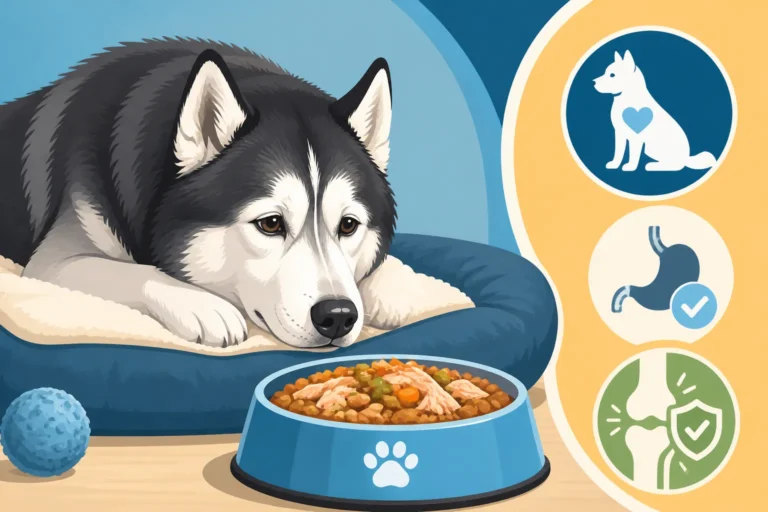
If you suspect teething is the culprit, try softening their kibble with warm water or a little low-sodium chicken broth. Some owners temporarily switch to a canned puppy food or a fresh food option like Ollie (always introduce new foods gradually to avoid stomach upset). Gently checking their mouth for red, swollen gums or loose teeth can also give you clues. If they seem hesitant to even approach the bowl, it’s worth considering if their mouth is simply too sore for a crunchy meal.
Illness or Underlying Health Issues
While often it's a minor issue, sometimes a refusal to eat is a red flag for an underlying health problem. This is especially true if the lack of appetite is accompanied by other symptoms. Puppies, with their still-developing immune systems, can be susceptible to various ailments that impact their desire to eat. Don't hesitate to contact your veterinarian if you're seeing more than just a slight dip in appetite.
One of the most common culprits in puppies is intestinal parasites. Worms can cause stomach upset, discomfort, and a general feeling of being unwell, leading to a loss of appetite. If your puppy hasn't been recently dewormed or you're seeing other signs like a pot-bellied appearance, diarrhea, or vomiting, a vet visit is definitely in order. Ensuring Vaccinating a Siberian Husky Puppy on Schedule is also vital, as certain illnesses can similarly reduce appetite.
Beyond parasites, a puppy could be experiencing a stomach upset, a minor infection, or even something more serious. Watch for lethargy, repeated vomiting, diarrhea, difficulty breathing, or any other signs that suggest they're not feeling well. A puppy that is truly ill will often show a complete lack of interest in food, water, and play. In these cases, it's always best to err on the side of caution and consult your vet promptly.
Picky Eating Habits and Food Aversion
Sometimes, your clever Siberian Husky puppy simply learns that if they hold out long enough, something better might come along. This can happen if they're getting too many treats, frequent table scraps, or if you've been constantly switching foods in an attempt to find something they'll eat. Huskies are smart, and they quickly learn to manipulate situations to their advantage, even if it’s unintentional on your part.
If your puppy is receiving a lot of Treat Spending Through Siberian Husky Training throughout the day, or if family members are sneaking them bites of human food, they might simply not be hungry for their regular meals. Treats and scraps, even in small quantities, can add up quickly for a puppy with an efficient metabolism, making their kibble seem much less appealing. Be honest about how much "extra" food your pup is getting outside of their bowl.
Furthermore, some Huskies can develop a genuine aversion to a specific food if they've had a bad experience with it, or simply because they find it boring after a while. If you've been feeding the same kibble day in and day out, and your pup is generally healthy but just uninterested, it might be time to consider a change in flavor or protein source, but do so strategically rather than constantly chopping and changing.
Practical Strategies to Encourage Your Husky Puppy to Eat
Once you’ve considered the potential reasons for your Husky puppy's meal refusal, it’s time to implement some practical strategies. Consistency and a thoughtful approach are key to success.
Establishing a Consistent Feeding Schedule
One of the most effective ways to encourage good eating habits is to establish and stick to a consistent feeding schedule. Free-feeding, where food is left out all day, often doesn't work well for Huskies. Their efficient metabolism means they might just graze, picking at food intermittently, which can lead to fussy eating and make it harder to monitor their intake. Instead, decide on specific meal times and stick to them.
For a young Siberian Husky puppy, How Often a Siberian Husky Puppy Eats typically involves three to four meals a day. As they grow older, this usually transitions to two meals. Offer the food for a set period, generally 15-20 minutes. During this time, remove all distractions, and don't hover or try to coax them into eating. Let them approach the food on their terms. When the time is up, whether they've eaten or not, pick up the bowl. No exceptions.
This method teaches your puppy that food is available at specific times, and if they don't eat it, it's gone until the next meal. It taps into their natural instinct to eat when food is present, rather than holding out for something better. While it might feel harsh at first, most puppies quickly learn the routine and adjust. Always ensure they have access to fresh water, of course, but the food schedule should be firm.
Making Mealtime Appealing
Sometimes, a little creativity can go a long way in tempting a reluctant eater. Your Husky puppy might just need a bit of encouragement to find their food more enticing. Think about appealing to their senses – smell and texture play a huge role in a dog's enjoyment of food.
Try warming their kibble slightly with a bit of warm water or low-sodium chicken broth. The warmth releases the aroma, making it much more appealing. You can also add a tiny dollop of plain canned pumpkin (not pie filling!) for fiber, a sprinkle of freeze-dried meat toppers, or even a tablespoon of plain yogurt (if they tolerate dairy) to their regular food. Services like Ollie that provide fresh, human-grade food can also be highly appealing to picky eaters due to their texture and aroma, though any dietary change should be introduced gradually.
If your puppy is teething, consider temporarily switching to a soft, canned puppy food, or even softening their existing kibble significantly. Many pet supply stores, including large retailers like Chewy and Amazon, offer a wide variety of palatable wet foods designed for puppies. Just remember to transition slowly from one food to another over several days to avoid digestive upset. Presentation can also matter; a clean bowl in a quiet, undisturbed area can make a difference.
Managing Treats and Scraps
This is a big one! It's easy to spoil a cute puppy with treats, but excessive snacking can directly impact their willingness to eat their regular meals. If your Siberian Husky puppy is filling up on training treats or forbidden table scraps, they simply won't have the appetite for their balanced puppy food.
Be mindful of how many Training Treats a Siberian Husky Cares About they're getting throughout the day. While treats are essential for training, they should be high-value and used strategically, not as a constant snack. Keep them small – pea-sized is often plenty for a puppy. Calculate those calories into their daily intake, especially for a metabolically efficient breed like a Husky.
Enforce a strict "no table scraps" rule for everyone in the household. It’s tough, especially with those captivating Husky eyes staring at you, but human food, often rich or seasoned, can make bland kibble seem even less desirable. Plus, many human foods are not good for dogs and can cause stomach upset. By limiting external food sources, you're making sure your puppy is genuinely hungry for their nutritionally complete meals, which are crucial for their growth and development.
When to Consult Your Veterinarian
While many cases of a picky Husky puppy are easily resolved with behavioral changes or minor adjustments, it's absolutely crucial to know when to seek professional veterinary advice. Your vet is your best resource for ruling out any underlying medical conditions.
If your puppy completely refuses to eat for more than 24 hours, or if their refusal is accompanied by other symptoms such as vomiting, diarrhea, lethargy, fever, persistent coughing, or changes in their normal behavior, it's time to call the vet immediately. These signs can indicate a more serious health issue that needs prompt attention. Don't wait to see if it improves, especially with young puppies who can dehydrate or decline quickly.
Even if there are no obvious severe symptoms, but your puppy's lack of appetite persists despite trying the above strategies, or if they are consistently losing weight, schedule an appointment. Your vet can perform a thorough examination, check for parasites, assess their overall health, and discuss nutritional needs. They can also offer specific dietary recommendations or medications if necessary. Regular Siberian Husky Vet Visits by Life Stage are important for ongoing health monitoring.
| Symptom / Behavior | Potential Cause | Recommended Action |
|---|---|---|
| Sniffs, walks away, no other signs | Picky eating, efficient metabolism, growth plateau | Consistent schedule, warm food, limit treats |
| Whining, pawing at mouth, chewing | Teething pain, oral discomfort | Soften food, offer Chews for a Teething Siberian Husky, vet check |
| Vomiting, diarrhea, lethargy | Illness, parasites, infection | Immediate vet visit |
| Eating treats, but not kibble | Too many treats/scraps, food aversion | Stop scraps, reduce treats, strict schedule |
| Sudden disinterest in all food | Stress, environmental change, sudden illness | Provide quiet space, monitor, vet if persistent/worse |
| Weight loss, dull coat | Inadequate nutrition, underlying health issue | Vet visit and nutritional assessment |
The Long-Term Perspective on Husky Feeding
Understanding that your Siberian Husky's eating habits can be different from other breeds will serve you well not just in puppyhood, but throughout their life. Their unique needs extend beyond their early months.
Transitioning to Adult Food
The shift from puppy food to adult formula is another milestone where a Husky's appetite might seem to shift. Generally, The Age a Siberian Husky Moves to Adult Food is around 12 months, though some vets recommend waiting until 18 months for larger breeds. Puppy food is calorie-dense to support rapid growth, but continuing it for too long can lead to excess weight gain once their growth plates have closed.
When it's time to transition, do it gradually over 7-10 days. Start by mixing a small amount of adult food with their puppy food, slowly increasing the adult food portion while decreasing the puppy food. This helps their digestive system adjust and minimizes the chances of a food refusal due to abrupt change. Monitor their weight and energy levels closely during this time. A lean, athletic build is ideal for a Husky, not an overweight one.
Even on adult food, remember that your Husky might not eat as much as the bag suggests. Why a Siberian Husky Eats Less Than a Labrador is a question many owners ask, and it comes back to that efficient metabolism. You'll need to learn to "read" your Husky's body condition by feeling their ribs – you should be able to feel them easily but not see them protruding. This tactile assessment is often more accurate than any feeding chart.
Understanding Their Adult Eating Patterns
Your adult Siberian Husky might continue to be a somewhat "picky" or "casual" eater, and that's usually perfectly fine as long as they are maintaining a healthy weight and good energy levels. Their efficient metabolism means they might genuinely require less food than similarly sized dogs of other breeds. Don't be surprised if they occasionally skip a meal or leave some kibble in the bowl.
Instead of focusing solely on the amount they eat at each sitting, look at their overall intake over a day or two. If they are active, bright-eyed, and maintain a healthy weight, they are likely getting enough. Many seasoned Husky owners find that Weighing a Siberian Husky's Ration Instead of Scooping is a more accurate way to ensure consistent caloric intake, given how precise their bodies are. Consistency in feeding times and avoiding excessive treats will continue to be important throughout their lives.
Sometimes, Huskies will also self-regulate their food intake based on their activity levels. A day with an intense run or long hike might see them finish their bowl with enthusiasm, while a lazy day curled up on the couch might lead to a lighter appetite. This adaptive eating is a natural part of their incredibly efficient system. As long as they're not showing signs of illness, learning to trust your Husky's natural eating patterns will save you a lot of worry in the long run.
Disclaimer
This article is for general informational purposes only and does not constitute professional advice. Laws, prices and regulations vary by location and change over time. Consult a qualified professional for guidance on your specific situation.