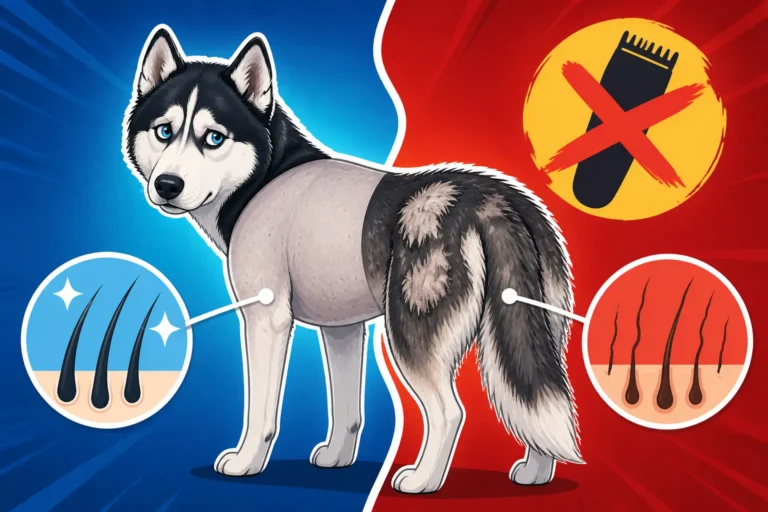
Why Siberian Huskies Barely Smell
One of the most delightful surprises for new Siberian Husky owners, and often a point of utter bewilderment for those who don't own one, is how remarkably little these dogs smell. We all have that ingrained idea of a "doggy smell," especially with larger breeds, but Huskies often defy it. If you've been wondering why your Siberian Husky seems to maintain an almost pristine, low-odor profile despite all their adventures, you're in for a treat as we dive into the fascinating reasons behind this unique trait.
The Unique Science Behind the Siberian Husky's Low Odor
It’s not magic; it’s evolution and biology working hand-in-paw! Siberian Huskies are incredibly well-adapted animals, and their low odor is a direct result of their physical characteristics and ancestral environment. These dogs weren't just bred for pulling; they were bred to thrive in conditions where a strong scent might actually be a detriment.
The Double Coat: A Natural Barrier Against Odor
The Siberian Husky’s famous double coat is far more than just insulation; it's a sophisticated environmental control system. This magnificent coat consists of two distinct layers: a soft, dense undercoat and a protective, somewhat coarser topcoat or guard hairs. The undercoat provides incredible warmth and insulation, while the guard hairs are water-resistant and help shed dirt and debris.
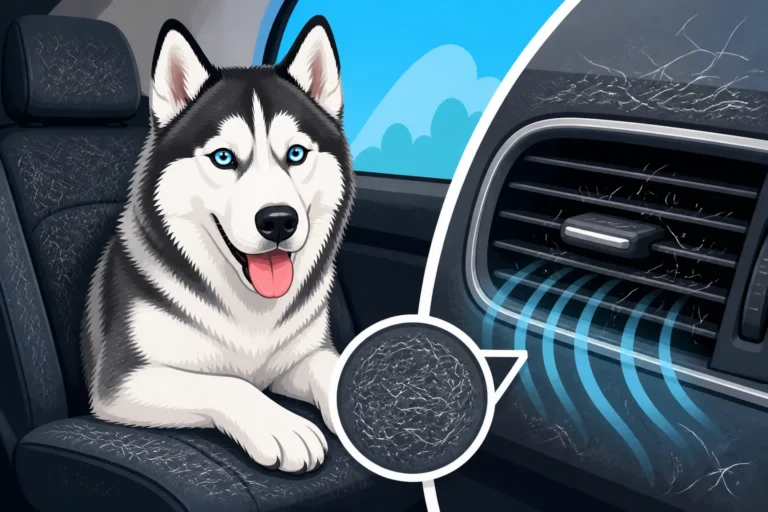
This unique structure means that dirt, dust, and even moisture often don't penetrate directly to the skin. Instead, they tend to get trapped in the outer layer of the guard hairs or sit on top of the undercoat. When the Husky shakes, rolls, or even just moves, a lot of this foreign matter is naturally dislodged. It's like having a self-cleaning mechanism built right into their fur. This minimizes the accumulation of odor-causing bacteria and grime directly on the skin, which is often the source of that typical "doggy" smell. You can learn more about What the Siberian Husky Double Coat Actually Does.
Skin Physiology: Less Oil, Less Smell
Compared to many other breeds, Siberian Huskies naturally produce less skin oil, or sebum. This might seem like a small detail, but it's actually a huge factor in their low odor. Sebum is a fatty substance that helps moisturize the skin and coat, but it's also a prime feeding ground for bacteria and yeast, which are the primary culprits behind that strong, unmistakable "doggy" smell. Breeds with oily coats, like Basset Hounds or certain retrievers, tend to have a much more pronounced scent because their skin provides a richer environment for these microorganisms to flourish.
Because Huskies produce less of this oil, there's less fuel for the odor-producing microbes. Their skin stays cleaner and drier naturally, which discourages the growth of bacteria and yeast that thrive in moist, oily conditions. This isn't to say a Husky never gets oily or dirty, especially if they roll in something particularly pungent, but their baseline skin chemistry works in their favor for staying fresh.
Their Ancestral Environment: Adaptation to Cold and Cleanliness
Think about where Siberian Huskies come from: the harsh, cold regions of Siberia. In such an environment, having a strong body odor wouldn't just be unpleasant; it could be a liability. A strong scent might attract predators or, for a working sled dog, might interfere with tracking or team dynamics. Evolution favors traits that aid survival, and a low odor profile likely contributed to the success of these dogs in their native land.
Furthermore, the cold, dry air of their ancestral home isn't conducive to the rampant growth of odor-causing bacteria and fungi that thrive in warmer, more humid climates. Their bodies are designed to shed snow and ice, which also means they're excellent at shedding dirt and debris that might otherwise stick and lead to smells. It's a testament to how deeply adapted these incredible dogs are to their environment, carrying those adaptations with them even into our modern homes.
Grooming Habits That Contribute to a Clean Husky
While their natural biology gives them a head start, a Husky's generally clean demeanor is also bolstered by certain natural behaviors and, of course, the right human intervention. They're not just low-odor by chance; they actively work to maintain it!
Self-Cleaning Tendencies: More Like a Cat Than a Dog
This is one of the most endearing and, frankly, astonishing traits of many Huskies. They groom themselves much like cats do! You'll often see them meticulously licking their paws, chests, and even flanks, working to remove dirt, loose fur, and anything else that might cling to their coats. My own husky, Loki, spends a good chunk of his quiet time just meticulously cleaning himself, often to the bewilderment of our Golden Retriever, who views cleanliness as something that happens to you, not by you.
This fastidious nature is a huge reason why they remain so fresh. By actively removing debris and loose hair, they're preventing matting and the accumulation of foreign substances that could become breeding grounds for bacteria and smells. This natural instinct minimizes the need for frequent bathing and helps keep their unique double coat in top condition.
Strategic Bathing: When and How Often to Bathe a Husky
Given their self-cleaning habits and low oil production, Siberian Huskies really don't need to be bathed very often at all. In fact, over-bathing can actually be detrimental. Stripping away their natural oils too frequently can dry out their skin, leading to irritation, flakiness, and ironically, potentially more odor as their skin overproduces oils to compensate.
Most Huskies only need a bath a few times a year, or when they've managed to roll in something truly offensive (and trust me, they will find the stinkiest thing in a five-mile radius if given the chance!). For routine cleanliness, a good brushing is usually far more effective. When you do bathe them, use a gentle, dog-specific shampoo and ensure you rinse them thoroughly to prevent residue buildup. Make sure you get down to the skin, and then dry them completely to prevent problems like "hot spots." For more details, read Bathing a Siberian Husky and How Rarely.
Here's a quick guide to husky bathing frequency:
| Factor | Recommended Bathing Frequency | Notes |
|---|---|---|
| Normal, Clean Husky | 2-4 times per year | Unless they roll in something truly awful! |
| Allergy Sufferer | As directed by vet | Special shampoos or more frequent baths might be necessary for skin conditions. |
| Excessive Rolling | As needed | If they find the mud puddle, the dead critter, or the fermented apple pile. |
| Prior to Coat Blow | Once before | Helps loosen dead undercoat and makes brushing easier during the shedding season. |
| After Severe Matting | Once after careful de-matting | Mats trap moisture and dirt, leading to skin issues and odor. |
Brushing and Coat Maintenance Beyond Shedding
While baths are rare, regular brushing is non-negotiable for a Siberian Husky, especially during their famous "coat blows." These periods, typically twice a year, see them shedding massive amounts of undercoat. Regular brushing not only helps manage the blizzard of fur in your home but also plays a critical role in odor control.
By removing dead hair and dander, brushing prevents it from accumulating and potentially trapping moisture or providing a medium for bacterial growth. It also helps distribute the natural, minimal oils in their coat, keeping it healthy and clean. Even outside of a full coat blow, a weekly brushing session with an undercoat rake or slicker brush (like those you can find on Amazon or Chewy) is crucial for maintaining coat health and keeping smells at bay. This is part of Siberian Husky Weekly Grooming Between Blows, and it truly makes a difference.
Diet's Role in a Husky's Natural Scent
What goes in often affects what comes out – and not just in the obvious ways! A dog's diet has a surprisingly significant impact on their skin health, coat quality, and ultimately, their overall scent.
High-Quality Nutrition and Skin Health
Just like with humans, a healthy gut and balanced nutrition translate to healthy skin and coat for your dog. A diet rich in high-quality protein, essential fatty acids (especially Omega-3 and Omega-6), and appropriate vitamins and minerals supports a strong skin barrier and a healthy, resilient coat. When the skin is healthy, it's less prone to dryness, flakiness, or excessive oil production, all of which can contribute to unpleasant odors.
Choosing a premium dog food that lists real meat as the first ingredient, and avoiding excessive fillers or artificial ingredients, can make a noticeable difference. Some owners find that fresh food diets, like those offered by services like Ollie, contribute to even healthier skin and coats, further enhancing their Husky's natural low-odor profile. Always make sure the food is appropriate for a breed with an efficient metabolism like a Husky.
Common Dietary Missteps That Can Lead to Odor
Conversely, a poor-quality diet or one that doesn't agree with your Husky can definitely contribute to a stronger, more unpleasant odor. Foods high in allergens for your individual dog, or those lacking essential nutrients, can lead to:
- Dry, flaky skin: This can irritate your Husky, leading to scratching, which in turn can create micro-lesions where bacteria can thrive.
- Excessive oil production: Sometimes, poor skin health triggers the skin to overcompensate by producing more oil, creating that perfect environment for odor-causing microbes.
- Yeast infections: These often manifest as a yeasty, corn-chip-like smell, particularly in paws or ears. Certain dietary imbalances can make dogs more susceptible to yeast overgrowth.
- Poor digestion: While less common for overall body odor, some digestive issues can lead to unpleasant breath or flatulence, which certainly contributes to the overall "smell" of a dog!
If you notice a sudden change in your Husky's scent, evaluating their diet is a great first step. Even if they are generally low-odor, a bad diet can certainly push them towards being a bit more… fragrant. You can check out more on The Protein Level a Siberian Husky Needs and how it impacts their overall health.
Hydration and Its Impact on Skin and Coat
Water intake might seem like a simple thing, but it's fundamental to skin and coat health. A well-hydrated dog will have healthier skin cells and a more robust skin barrier. This means the skin is better equipped to protect itself from external irritants and to maintain its natural balance.
Adequate hydration also supports proper kidney and liver function, which are crucial for detoxifying the body. While not a direct cause of "doggy odor," systemic health issues stemming from poor hydration can indirectly affect overall skin and coat health, making it more susceptible to problems that lead to smells. Always ensure your Husky has access to fresh, clean water, especially after exercise.
Environmental Factors and Odor Perception
Even with their low-odor superpower, a Husky isn't immune to environmental influences. Where they live and what they do can certainly impact how "clean" they smell.
Living Indoors vs. Outdoors: How Environment Affects Smell
A Siberian Husky who spends most of their time outdoors, especially if they're rolling in dirt, splashing in puddles, or interacting with wildlife, will naturally pick up more external scents. Mud, damp leaves, and even certain plant pollens can cling to their coat and create a temporary odor that has nothing to do with their natural body scent.
Indoor Huskies, on the other hand, tend to stay cleaner simply because their environment is more controlled. They're less likely to encounter the array of natural "perfumes" that outdoor dogs collect. However, an indoor Husky living in a humid climate or a home with poor ventilation might still develop a slightly heavier scent than one in a dry, airy environment, simply because moisture can become trapped in their dense coat.
The Impact of Humidity and Climate
Humidity is the enemy of a low-odor dog. While Huskies thrive in dry, cold climates, high humidity can make their double coat a challenge. When the undercoat gets damp and doesn't dry properly, it can become a breeding ground for mildew and bacteria, leading to that tell-tale musty smell. This is especially true if a Husky gets wet and isn't thoroughly dried.
If you live in a humid area, it's extra important to ensure your Husky dries completely after a bath or if they get caught in the rain. Using a high-velocity dryer (often found on Amazon or Chewy) can be a lifesaver for forcing air deep into their dense undercoat. Ignoring wetness in a Husky's undercoat can even lead to skin issues like Whether a Wet Siberian Husky Undercoat Causes Hot Spots, which absolutely can cause a smell.
When a Husky Does Smell: Red Flags to Watch For
While Huskies are generally low-odor, if your Siberian Husky suddenly develops a strong, persistent, or unusual smell, it's a definite red flag that something might be amiss. This isn't just about being a little "doggy"; it's about a change from their norm. Here are some common causes of unexpected odor:
- Skin Infections: Bacterial or yeast infections (pyoderma, malassezia dermatitis) can cause a very distinct, often sweet, sour, or "corn chip" smell. These often accompany redness, itching, flakiness, or pustules.
- Ear Infections: Huskies have erect ears, which tend to be less prone to infection than floppy-eared breeds, but they can still get them. A foul smell, excessive shaking of the head, or discharge from the ears warrants a vet visit. This relates to Whether Siberian Huskies Get Ear Infections.
- Dental Disease: Bad breath is a common sign of dental problems, from tartar buildup to gum disease. Regular dental care is essential. Consider checking out Siberian Husky Dental Disease by Age Five.
- Anal Gland Issues: When anal glands become impacted or infected, they can emit a very strong, fishy, and unpleasant odor. You might notice your Husky scooting or licking excessively at their rear.
- Urinary Tract Infections (UTIs): A strong, abnormal urine smell might indicate a UTI or other kidney issues.
- Rolling in something gross: This is probably the most common culprit! Huskies love to explore with their noses and bodies, and if there's something particularly pungent to roll in, they absolutely will.
If you notice a persistent bad smell that isn't easily remedied by a simple bath (after they've rolled in something), it's always best to consult your veterinarian to rule out any underlying health issues.
Debunking Myths: What Doesn't Cause "Doggy Odor" in Huskies
There are a lot of misconceptions about dog odor, and it's easy to assume certain things contribute to it when they don't, especially with a breed as unique as the Siberian Husky.
The Myth of Coat Type and Smell
Some people mistakenly believe that dogs with thick coats, like Huskies, must smell more. The logic seems to be that more fur equals more smell. However, as we've already discussed, it's actually the opposite for Huskies. Their double coat, with its unique structure and low oil production, actually works against odor. It acts as a protective barrier and is designed to shed debris, not trap it in an odor-producing way.
Contrast this with some breeds that have thin, single coats but produce a lot of skin oil; they can be much smellier than a Husky. So, while a Husky's coat requires extensive grooming to manage shedding, that doesn't translate to a higher odor potential. It's about the quality and function of the coat, not just its quantity.
Exercise and Odor Production
It's common to associate exercise with sweat and body odor, and while dogs do "sweat" through their paw pads and pant to cool down, they don't produce the same type of body odor from exertion as humans do. A Husky might smell a little damp or "earthy" after a strenuous run, especially if they've been running through woods or wet grass, but this is usually a temporary, external scent rather than a deep-seated body odor.
In fact, regular exercise can contribute to a lower overall odor profile by keeping your Husky healthy. A well-exercised dog is generally less stressed, has better circulation, and maintains a healthier metabolism, all of which support healthy skin and coat. So, don't worry that your Husky's daily run is making them smell; it's probably helping them stay fresh!
Age and Odor Perception
As dogs age, some owners report a slight change in their scent. This isn't necessarily because old age causes a dog to smell worse, but rather because senior dogs can be more prone to certain health issues that might manifest with an odor. For example, older Huskies might develop dental disease more readily, leading to bad breath. They might also have weakened immune systems, making them more susceptible to skin infections, or develop incontinence, which can certainly lead to smells.
It's important to remember that any change in a senior Husky's scent should be investigated by a vet. It's more likely a symptom of an underlying health condition that needs addressing rather than an unavoidable part of aging itself. Keeping up with regular vet checks, especially for Caring for a Siberian Husky Past Ten, can help catch these issues early.
So, the next time someone comments on how surprisingly good your Siberian Husky smells, you can explain it's not just luck – it's a testament to their incredible evolutionary design, their fastidious self-grooming, and your diligent care!
Disclaimer
This article is for general informational purposes only and does not constitute professional advice. Laws, prices and regulations vary by location and change over time. Consult a qualified professional for guidance on your specific situation.