Why the Alaskan Husky Is Not a Registered Breed
It's incredibly common to hear people talk about "Alaskan Huskies" as if they're a distinct, recognized breed, right alongside the Siberian Husky. But here's the thing: despite their incredible athletic prowess and distinct look, the Alaskan Husky isn't actually a registered breed in the way that the Siberian Husky or a Labrador Retriever is. This often leads to confusion for aspiring owners and even long-time dog enthusiasts, who wonder why such a famous and capable type of dog doesn't have official recognition. This guide will delve into the fascinating world of the Alaskan Husky, explaining exactly why they aren't a registered breed, what their true identity is, and what that means for anyone interested in these remarkable dogs.
Understanding the "Alaskan Husky" Identity
The term "Alaskan Husky" conjures images of powerful, enduring dogs pulling sleds across vast, snowy landscapes. And for good reason – these dogs are legends in the world of mushing. However, their identity is far more nuanced than a simple breed name might suggest.
The Alaskan Husky: A Type, Not a Breed
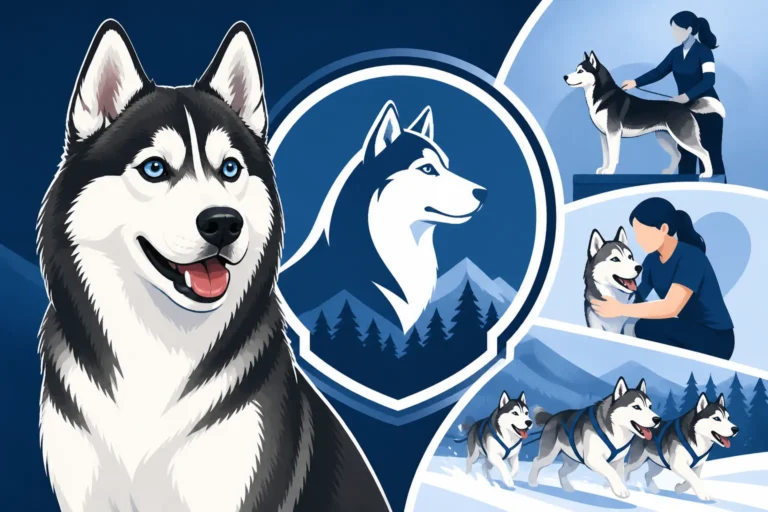
When we talk about an "Alaskan Husky," we're not referring to a breed with a closed gene pool, a detailed written standard, and generations of documented pedigrees through organizations like the American Kennel Club (AKC) or the United Kennel Club (UKC). Instead, the Alaskan Husky is a type of dog, specifically bred for a singular, demanding purpose: sled dog racing. These dogs are the result of generations of selective breeding by mushers who prioritize performance, speed, endurance, and toughness on the trail above all else.
Think of it this way: if you wanted a top-tier running horse, you'd look for one specifically bred for speed and stamina, likely a thoroughbred. But within that, you might have lines that excel at shorter sprints versus long-distance racing. Alaskan Huskies are similar; they are purpose-bred athletes. Their appearance can vary wildly because looks are secondary to their ability to run. A musher isn't selecting for ear set, coat color, or eye color; they're selecting for lung capacity, leg drive, mental fortitude, and a strong desire to pull. This open-source genetic approach is what makes them so successful in their niche, but it's also why they don't fit the mold of a traditional registered breed.
How the Alaskan Husky Came to Be
The origins of the Alaskan Husky are deeply intertwined with the history of sled dog racing in Alaska, particularly after the arrival of the Siberian Husky in the 1908 All-Alaska Sweepstakes. Early mushers quickly realized that while purebred Siberian Huskies were fantastic, there was room to improve performance by introducing other traits. They began selectively breeding their best sled dogs, often crossing them with various other breeds to enhance specific characteristics.
This evolutionary process involved a diverse genetic melting pot. Indigenous Alaskan village dogs, known for their resilience and local adaptation, were certainly part of the mix. Over time, pointers and hounds were introduced to increase speed and stamina, adding longer legs and a more streamlined build. Some suggest even wolf hybrids might have been bred in early on, although this is far less common today and generally frowned upon due to temperament and management issues. The key was always functional breeding: if a dog performed well on the trail, its genetics were valued, regardless of its specific parentage. This utilitarian approach ensured that the Alaskan Husky continually adapted and improved for its intended job.
Why Breed Registries Don't Recognize Them
Breed registries like the AKC operate under very specific rules. To be recognized as a breed, dogs must consistently reproduce specific physical traits and temperaments, have a documented history of purebred lineage, and meet a detailed "breed standard" that outlines everything from ear shape to tail carriage. The goal is uniformity and predictability within the breed. The Alaskan Husky, by its very nature, defies this.
Because Alaskan Huskies are bred for performance rather than a uniform appearance or ancestry, they don't have a fixed standard. You might see an Alaskan Husky that looks somewhat like a Siberian, another that strongly resembles a lean hound, and yet another with characteristics pointing to a pointer or even a shepherd mix. Their genetics are too broad, and their physical manifestation too varied, to fit the strict criteria of a registered breed. The lack of a closed studbook, where only dogs registered within that specific breed can be bred to one another, is another critical factor. For breed registries, the purity and predictability of lineage are paramount, and the Alaskan Husky's strength comes from its deliberate genetic diversity.
The Traits and Purpose of an Alaskan Husky
Beyond the technicalities of breed registration, understanding the Alaskan Husky means appreciating their incredible design for the rigors of sled dog racing. These aren't your average pets; they are elite athletes.
Built for Speed and Endurance, Not Looks
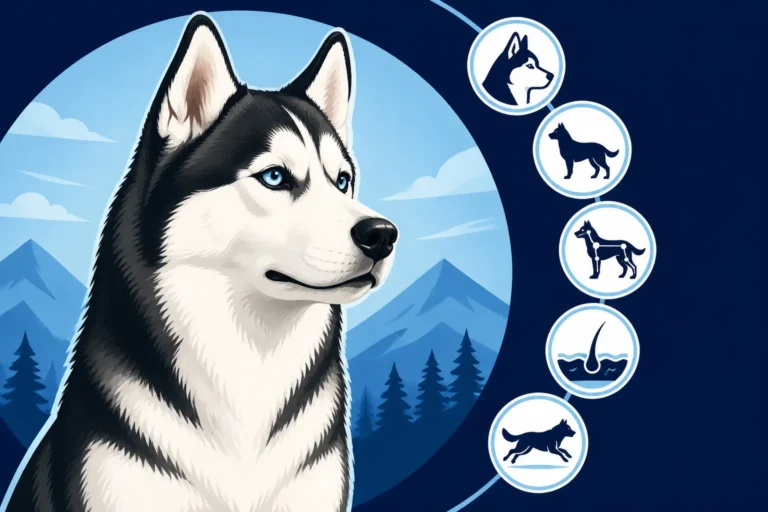
An Alaskan Husky is a masterclass in functional anatomy. Every aspect of their physical being is optimized for pulling a sled over long distances at high speeds. They typically have a lean, muscular build, often appearing less bulky than a traditional Siberian Husky against the Alaskan Malamute. Their legs are usually longer, providing powerful propulsion, and their paws are tough and well-padded to withstand miles of harsh terrain. While many retain the double coat characteristic of northern breeds, it might not be as dense or "wooly" as a show-line Siberian, striking a balance between insulation and heat dissipation during strenuous exercise.
Their drive is perhaps their most defining trait. These dogs want to run and pull. It's ingrained in their DNA, the result of generations of selection for dogs that eagerly lean into the harness. This isn't just a physical trait; it's a profound mental and emotional one. A well-bred Alaskan Husky lives to work, finding immense satisfaction in the rhythmic trot and the challenge of the trail. This single-minded focus on their job is why they excel, but it also means they have very specific needs that most companion dog owners might not be equipped to meet.
The Diverse Genetics Behind Their Prowess
The genetic cocktail that makes an Alaskan Husky is a testament to the power of selective breeding for function. While the Siberian Husky forms a foundational element, providing strong sled dog instincts and cold tolerance, other breeds have been strategically introduced.
For example, pointers, especially German Shorthaired Pointers and English Pointers, contribute incredible speed, a strong work ethic, and a lean body structure. Greyhounds or Salukis might add even more speed and lanky athleticism. Hounds, particularly Alaskan Hounds (another purpose-bred type, not a registered breed), contribute endurance and a tough, resilient nature.
This blending results in a dog that often combines the best traits for racing. They might have the incredible work ethic and stamina of a pointer, coupled with the dense paws and cold-weather resilience of a northern breed. The beauty of this approach is that mushers can tailor their breeding programs to produce dogs suited for different types of racing – whether it's short, fast sprint races or multi-day endurance events like the Iditarod. This genetic diversity is their secret weapon, allowing for constant adaptation and improvement, but simultaneously preventing them from being neatly categorized by traditional breed standards.
Comparing Alaskan Huskies to Purebreds like the Siberian
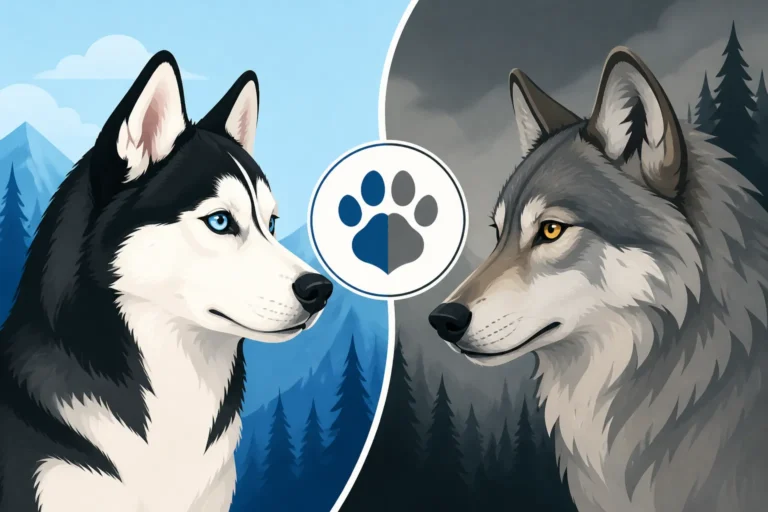
When you place a purebred Siberian Husky next to an Alaskan Husky, the differences, while subtle to an untrained eye, become clear. The Siberian Husky, beautiful and iconic, is bred to a specific standard that values a certain appearance, size, and temperament. They are excellent sled dogs, renowned for their efficient gait and ability to work in teams, famously demonstrated in events like the 1925 Serum Run to Nome. However, their breeding focus includes conformation and adherence to a physical ideal.
The Alaskan Husky, on the other hand, often looks more like a mongrel or a mixed-breed dog, simply because their appearance is not a selection criterion. They might be leggier, have a less plush coat (though still dense enough for cold weather), and their ear and tail sets might vary widely. Their temperament, while still friendly and outgoing like many northern breeds, is hyper-focused on working. While a Siberian Husky makes a wonderful companion if properly exercised, an Alaskan Husky almost requires a job. Owners often find that a pet Siberian Husky needs extensive exercise and mental stimulation to prevent issues like Siberian Husky destruction when left alone, but an Alaskan Husky's needs are often even more intense, built for daily, high-mileage runs. This contrast highlights why one is a registered breed and the other is a high-performance athletic type.
What This Means for Owners and Adopters
Understanding that an Alaskan Husky isn't a registered breed has significant implications for potential owners, from where and how you might acquire one, to their expected health and behavior. It means approaching ownership with a different set of expectations.
Finding an Alaskan Husky: Expectations vs. Reality
If you're looking for an "Alaskan Husky," you won't find them listed in the classifieds as often as you would a purebred. You certainly won't find them from an AKC-registered breeder. Instead, you'll typically find them through connections within the mushing community, or sometimes, sadly, through rescues that specialize in northern breeds or working dogs. These are often dogs retired from racing, or those who didn't quite make the cut for a racing team.
When seeking an Alaskan Husky, you won't be looking for "papers" in the traditional sense. Instead, you'll be looking for proof of working lineage – information about their parents' racing careers, their performance records, and the reputation of the musher who bred them. This shifts the focus from aesthetic standards to proven athletic capability. Be prepared for a wider variation in appearance and less predictability in exact temperament traits compared to a purebred. It's a journey into a world where function reigns supreme, and the dog in front of you is a product of practical selection, not a beauty contest. Many online retailers like Chewy offer resources for dog breed information, but for specific "types" like the Alaskan Husky, direct contact with working dog communities is usually more fruitful.
Health and Temperament in a Mixed-Breed Sled Dog
While Alaskan Huskies don't have breed-specific health clearances in the same way purebreds do (like OFA hips for Siberian Husky hips and why the rate is low), their diverse genetic background can actually be a huge advantage. They often benefit from "hybrid vigor," meaning a broader gene pool can sometimes lead to fewer inherited health conditions compared to breeds with very tight, closed gene pools. However, this doesn't mean they are immune to health issues. Mushers are diligent about maintaining healthy lines because sound dogs are essential for success. They'll select for dogs with good conformation, strong heart health, and resistance to common injuries.
Temperament-wise, Alaskan Huskies are generally intelligent, highly energetic, and possess an incredible desire to run. They are typically friendly and social, as they often live and work in large teams. However, their drive is intense, and they can be quite demanding. They require an owner who understands their need for extreme exercise and mental engagement. Like Siberian Huskies and cats under one roof, an Alaskan Husky's prey drive can be very high due to their hunting ancestors, so careful management around small animals is crucial. They are not content to be couch potatoes and will develop destructive habits or anxiety if their needs are not met.
Living with an Alaskan Husky: Exercise and Training Needs
Bringing an Alaskan Husky into your home is not a decision to be taken lightly. These dogs thrive on activity, and their needs go far beyond a casual walk around the block. They are essentially endurance athletes living in a domestic setting. Expect to dedicate significant time daily to their physical and mental exercise, ideally involving activities that allow them to run and pull, like canicross, bikejoring, or even recreational mushing if you have the facilities. Canicross and bikejoring with a Siberian Husky provides a good insight into the kind of activities an Alaskan Husky would excel at.
Training an Alaskan Husky requires consistency, patience, and positive reinforcement. They are intelligent but can be independent thinkers, much like their Siberian cousins, and their high energy can make focus challenging. They excel when given a job to do and clear direction. A secure yard, ideally with a six-foot fence a Siberian Husky needs and perhaps an L-footer to prevent digging, is absolutely essential, as their desire to roam and explore is profound. Many of the challenges owners face with purebred Siberians – like their strong prey drive, propensity for escape, and vocal nature – are amplified in the highly driven Alaskan Husky. Stocking up on tough toys and engaging puzzle feeders from places like Chewy can help keep their minds active when they're not running.
The Unique Value of the Alaskan Husky
While the Alaskan Husky might not carry the fancy "registered breed" title, their value and legacy are undeniable. They represent the pinnacle of canine athleticism and partnership in one of the most demanding sports on Earth. Their story is a testament to what can be achieved when breeding is focused purely on function, optimizing traits for a specific, challenging purpose. They might not fit into a neat little box with a standardized look, but their heart, drive, and capability speak volumes. If you're looking for a dog that embodies grit, speed, and an unbreakable spirit of adventure, and you're prepared to match their boundless energy, an Alaskan Husky might just be the most extraordinary companion you could ever hope for.
| Feature | Siberian Husky | Alaskan Husky |
|---|---|---|
| Registration | Registered AKC/UKC Breed | Not a registered breed; a "type" or "landrace" |
| Primary Purpose | Sled dog (working, racing, show, companion) | Elite sled dog racing (speed, endurance) |
| Appearance | Consistent breed standard; distinctive look | Highly varied; functional appearance; less emphasis on aesthetics |
| Genetics | Closed gene pool; purebred | Diverse gene pool; often mixes of northern breeds, hounds, pointers |
| Temperament | Friendly, outgoing, independent, requires exercise | Highly driven, immense work ethic, intelligent, extreme exercise needs |
| Health | Specific breed health concerns (e.g., eye issues) | Hybrid vigor often observed, but health still priority for mushers |
| Acquisition | Reputable breeders, breed-specific rescues | Mushing communities, working dog rescues, sometimes individual mushers |
| Exercise Needs | High; daily vigorous activity, mental stimulation | Extremely high; requires intense, structured exercise, often pulling |
Disclaimer
This article is for general informational purposes only and does not constitute professional advice. Laws, prices and regulations vary by location and change over time. Consult a qualified professional for guidance on your specific situation.