Whether a Siberian Husky Is Affectionate
One of the most common questions I hear from new or prospective Siberian Husky owners is, "Are they affectionate?" It’s a completely understandable concern, especially when you envision curling up on the couch with your furry best friend, only to find your Husky prefers to lounge a few feet away. This guide is here to untangle the often-misunderstood nature of Siberian Husky affection, helping you understand what to expect and how to build a deep, meaningful connection with your independent, loving companion.
The Nuance of Siberian Husky Affection: It's Not What You Think
When people ask if a dog is "affectionate," they often have a very specific image in mind: a dog constantly seeking physical contact, snuggling into laps, and demanding pets. While some breeds fit this mold perfectly, the Siberian Husky, with its ancient working lineage and distinct personality, expresses its affection in ways that are far more nuanced and, dare I say, unique. This difference can sometimes lead to misunderstandings, leaving owners feeling a little bewildered or even rejected.
The Myth of the Cuddle Bug: Why Huskies Aren't Always Lapdogs
Let’s just get this out of the way: if your dream dog is a dedicated lap-warmer, constantly glued to your side, a Siberian Husky might surprise you. It's not that they don't love you; it's that their love language often doesn't involve being a velcro dog. Many Huskies enjoy their personal space. They might be in the same room as you, watching your every move, but they might not want to be on you. I've had Huskies who would only tolerate a quick ear scratch before gracefully relocating to a cool spot on the floor, seemingly saying, "Thanks, human, but I've got things to observe from over here."
This isn't a reflection of their bond with you, but rather a characteristic deeply rooted in their history. Bred to run for miles in packs, often making independent decisions, Siberian Huskies developed a strong sense of self-reliance. Their ancestors weren't necessarily seeking constant human touch in the way a companion breed might. They needed to be alert, efficient, and capable on their own. This historical independence is a huge part of Siberian Husky Temperament and What the Standard Says, and it manifests in how they interact with their families today. Expecting a Husky to be a constant cuddler can set you up for disappointment, but understanding why they behave this way opens the door to appreciating their true nature.
Reading the Signs: How a Husky Shows They Care
So, if they're not always in your lap, how do Siberian Huskies show affection? Their displays are often more subtle, thoughtful, and perhaps, more profound once you learn to recognize them. For a Husky, affection might look like:
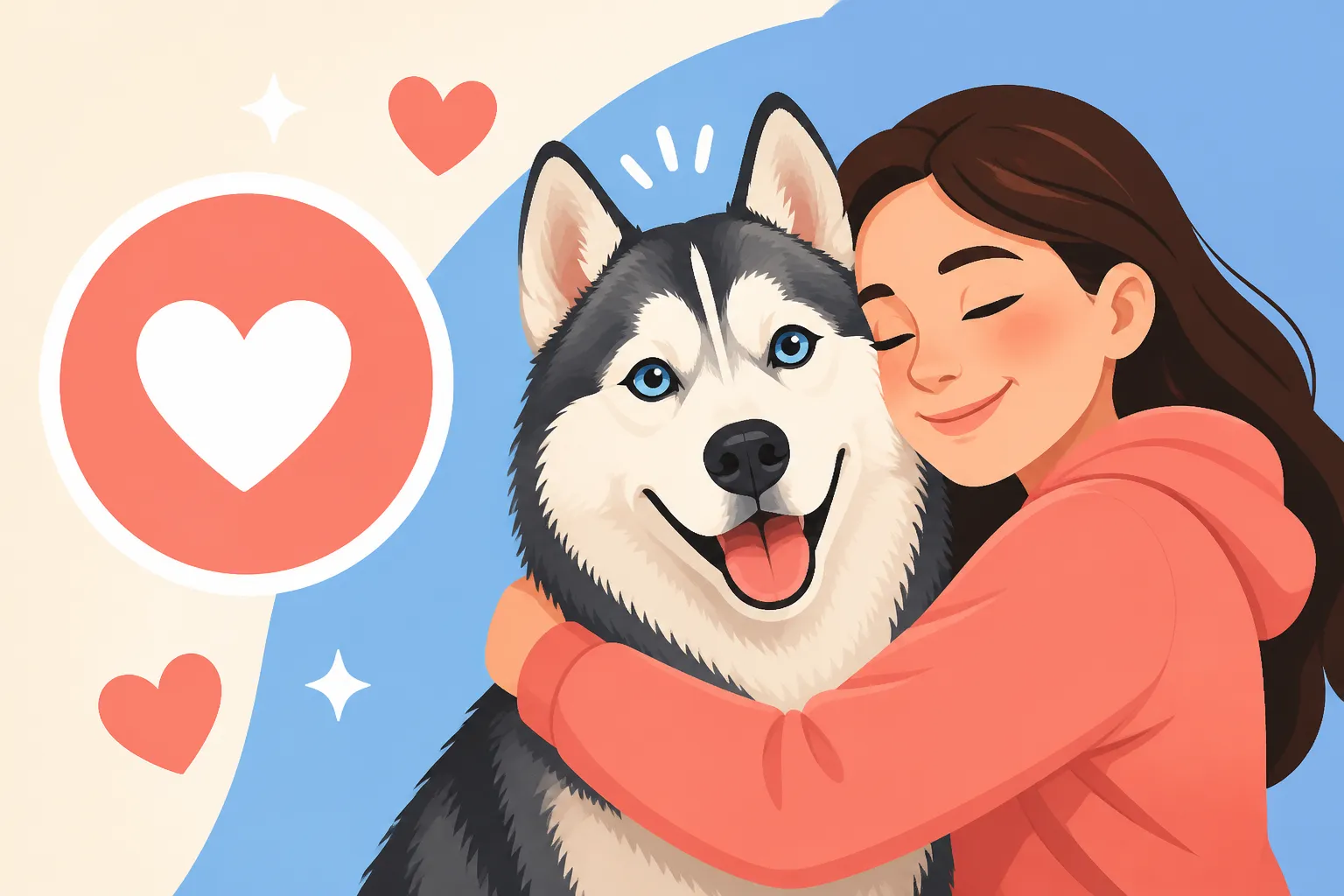
- "The Lean": Instead of jumping into your lap, your Husky might stand beside you and lean their full weight against your legs. This is a quiet, steady declaration of trust and comfort. They're saying, "I choose to be close to you, and I feel safe here."
- Following You Room-to-Room (The Shadow): You get up for a glass of water, and there they are, padding softly behind you. You move to the bathroom, and they might even join you, settling just outside the door. This constant, unobtrusive presence is a strong sign of attachment. They want to be aware of where their "pack" is at all times.
- The Happy Dance (or "Woo-Woo"): When you come home, a Husky's greeting is often exuberant, involving a lot of body wiggles, tail wags, and their characteristic "woo-woo" vocalizations. This isn't just excitement; it's a clear expression of joy at your return, a celebration of your bond. It's their version of saying, "I missed you!"
- Proximity Sleeping: They might not sleep on your bed, but they'll often choose to sleep on the floor next to your bed, or at least in the same room. They like knowing you're near and safe.
- Checking In: During a walk or while in the yard, a Husky might run ahead, then stop, turn, and look back at you, making eye contact before continuing. This "check-in" is a way of confirming you're still with them, a subtle act of care and connection.
- Play Bows and Play Nips: Initiating play with a low bow, a playful bark, or even a gentle, open-mouthed nip (never hard or aggressive) is an invitation to engage. For a Husky, play is a vital form of interaction and a strong indicator of their affection and comfort with you.
It's about recognizing these quieter, less conventional expressions of love. Once you tune into them, you'll realize your Husky is showing you affection all the time, just in their own unique, independent way.
Unpacking the Independent Spirit: Why Huskies Are Different
Understanding why Huskies often display affection differently means taking a peek into their very essence. Their independence isn't a flaw; it's a feature, carefully cultivated over centuries for a very specific purpose. This breed's history and innate characteristics play a huge role in how they relate to their human companions.
A Legacy of Work: What Their History Taught Them
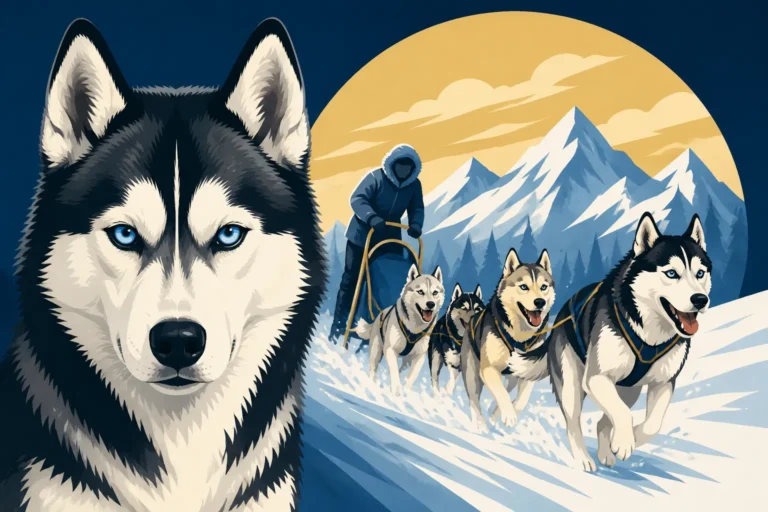
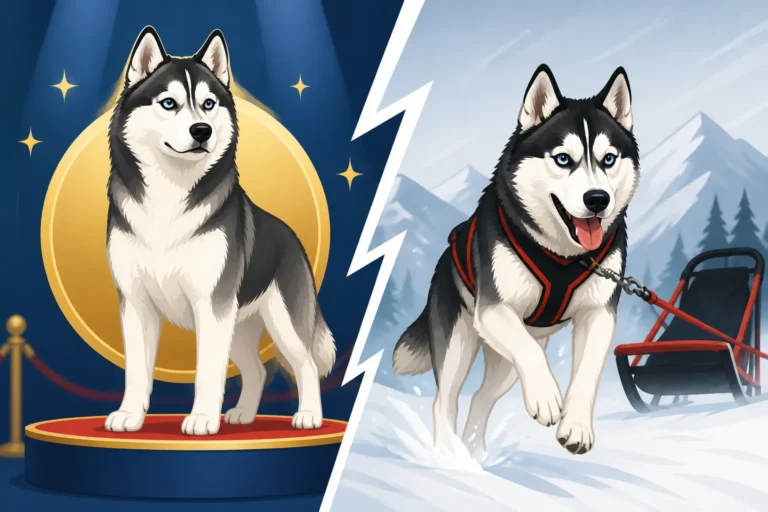
The ancestors of today's Siberian Huskies were bred by the Chukchi people in Siberia, primarily for pulling light loads over vast distances in harsh, icy conditions. These dogs weren't pampered pets; they were essential working partners whose survival depended on their intelligence, endurance, and ability to make decisions independently, sometimes far from their human drivers. When you think about The Chukchi Origins of the Siberian Husky, you realize that a dog who was too reliant on human direction or constant touch might not have survived in that environment.
This history has imprinted a strong sense of self-sufficiency onto the breed. They are not naturally inclined to be constantly seeking validation or physical reassurance in the same way, say, a Labrador Retriever might be. Their affection often stems from mutual respect and partnership rather than a need for constant physical closeness. This isn't to say they don't form deep bonds; quite the opposite. Their loyalty, though expressed differently, is profound. It's just a different flavor of love.
Bonding on Their Own Terms: Respecting Their Space
One of the biggest lessons I learned living with Huskies is the importance of respecting their personal space. Trying to force cuddles on a Husky who isn't in the mood can backfire, making them retreat further. Instead, offering affection when they seek it, or inviting them to be near you without pressure, builds a much stronger, more trusting relationship.
Think of it like this: your Husky might decide to drape themselves over your feet while you're working at your desk, or lean against your leg while you're cooking dinner. These are moments they've chosen to connect. Acknowledging these moments with a quiet pet or a soft word, rather than immediately scooping them up for a big hug, reinforces that their chosen acts of affection are valued. This mutual respect is key. It's also why training an independent dog like a Husky requires patience and understanding of their motivations. If you’ve ever found yourself wondering Why Siberian Huskies Are Called Stubborn, it often ties back to this deep-seated independence. They're not being defiant; they're often simply processing information and choosing the most logical (to them) course of action.
Cultivating Connection: Building Affection with Your Husky
Even with their independent streak, you absolutely can build a strong, loving, and affectionate relationship with your Siberian Husky. It just requires a slightly different approach, focusing on activities and interactions that resonate with their specific breed characteristics and personality. It’s about meeting them where they are and appreciating the unique ways they show their devotion.
Beyond Cuddles: Shared Activities as Love Language
For many Huskies, shared activities are the ultimate expression of love and bonding. They thrive on having a "job" or engaging in activities with their people. This could be anything from:
- Long Walks and Runs: Huskies were born to move. A brisk walk, a jog, or even training for canicross (running with your dog pulling you) fulfills their innate drive and strengthens your bond. Time spent together exploring the world is incredibly valuable. How Much Exercise a Siberian Husky Really Needs is significant, and meeting this need often results in a calmer, more connected companion indoors.
- Harness Sports: If you're physically able, engaging in actual harness work like dog scootering or bikejoring allows your Husky to tap into their ancient instincts. This partnership, where you're working together towards a common goal, creates an incredibly deep level of trust and affection. Even a pet Husky can enjoy pulling a lightweight cart or simply being given commands in harness. For more on this, you might check out articles like Giving a Siberian Husky a Job in Harness.
- Training Sessions: Despite their independent reputation, Huskies are smart. Short, engaging training sessions using positive reinforcement can be fantastic for bonding. They love to figure things out, and earning a high-value treat from you (many can be found at retailers like Chewy) is a big motivator. This builds a foundation of communication and trust, making them more receptive to your presence and cues, including Building a Siberian Husky Recall Word From Scratch, which is crucial for safety.
- Interactive Play: Games like fetch, tug-of-war (with rules, of course!), or hide-and-seek with toys or treats can be wonderful ways to connect. Huskies often have a playful nature that comes alive when they're engaging with their human family.
These activities are not just about exercise; they're about shared experiences, mutual understanding, and building a partnership. It's in these moments of teamwork and fun that a Husky often feels most connected and expresses their deep affection.
Consistency and Trust: The Cornerstones of a Husky Relationship
Building trust with a Siberian Husky is paramount. They respond incredibly well to consistency, clear expectations, and a calm, confident leader. Yelling or using harsh methods will likely cause a Husky to shut down or become more aloof. Instead, focus on positive reinforcement and predictable routines.
Think about the little things: consistent meal times, regular exercise, and predictable training sessions. These create a sense of security and reliability that fosters trust. A Husky who trusts you feels safe enough to relax and show you their true, albeit unique, affection. If you've ever observed Siberian Huskies that bond with one person, it’s often because that person has been the most consistent, trustworthy, and engaging presence in their lives.
It's a marathon, not a sprint, with a Husky. Their affection might not hit you like a ton of bricks right away, but it will grow steadily over time, woven into the fabric of your daily life together. Be patient, be understanding, and celebrate every lean, every soft nudge, and every "woo-woo" as the precious signs of love they truly are. It truly highlights What New Siberian Husky Owners Underestimate when they first bring one home.
| Affectionate Behavior Type | Typical "Cuddle Bug" Dog | Siberian Husky Expression |
|---|---|---|
| Physical Closeness | Jumps on lap, constant snuggles, sleeps in bed | Leans against legs, lies at feet/near bed, seeks brief pets on own terms |
| Greeting Rituals | Full-body wags, licking, jumping | Exuberant "woo-woos," happy dances, circling, playful nips |
| Seeking Attention | Nudges hand for pets, brings toys for play | Observes from a distance, brings toy then drops it, nudges with nose |
| Emotional Support | Licks tears, stays physically close during sadness | Stays in the same room, offers quiet presence, occasionally nudges |
| Playfulness | Initiates fetch, tug, wrestling directly | Play bows, brings toy, chases you, engages in short, intense play |
| Vocalization | Whines, barks for attention | "Woo-woos," talking, low grumbles, expressive howls |
Ultimately, a Siberian Husky's affection is a treasure, especially because it's given on their own terms. It’s an acknowledgment of their choice to include you in their pack, a profound statement from a naturally independent spirit.
Disclaimer
This article is for general informational purposes only and does not constitute professional advice. Laws, prices and regulations vary by location and change over time. Consult a qualified professional for guidance on your specific situation.