Winter Sports a Siberian Husky Can Do
Many Siberian Husky owners find themselves wondering how to truly engage their energetic companions when the temperatures drop and snow blankets the ground. While a regular walk might suffice for some breeds, a Husky's innate drive for pulling and running really comes alive in the winter, and ignoring this instinct can lead to boredom and destructive behaviors. This guide will explore the fantastic winter sports and activities you can enjoy with your Siberian Husky, transforming those cold months into an exciting opportunity for bonding and physical fulfillment.
Understanding the Siberian Husky's Winter Drive
It’s no secret that Siberian Huskies thrive in cold weather. Their origins as sled dogs for the Chukchi people in Siberia imbued them with a profound love for snow, cold, and pulling. This isn't just a preference; it's deeply ingrained in their genetic makeup, affecting everything from their double coat to their efficient metabolism. When winter arrives, many Huskies who might seem a bit lazy in summer suddenly perk up, their energy levels soaring, practically begging for a job to do.
The Instinct to Pull and Run
Think about your Husky's lineage: generations upon generations of ancestors who worked in teams, pulling sleds across vast, snowy landscapes. This isn't just about speed; it's about endurance, cooperation, and using their powerful bodies for a purpose. When you see your Husky strain against their leash, it's not always defiance; sometimes, it's that ancient call to pull, to put their shoulder into a harness and move forward with determination. Providing an outlet for this natural inclination can dramatically improve their behavior and overall happiness.
Ignoring this powerful instinct can lead to frustrated dogs. A Husky with pent-up energy, especially when fueled by the invigorating cold, might channel that drive into destructive chewing, incessant howling, or even becoming a master escape artist. We've all heard the stories, or perhaps lived them, of a Husky scaling fences or digging out of yards when bored. Engaging them in winter sports isn't just fun; it's a critical component of their well-being, allowing them to express themselves in a way that truly resonates with their breed history. It's about giving them a job, something they were quite literally born to do.
The Physiological Advantages of a Husky in Cold
Beyond their mental drive, Siberian Huskies are physically built for winter. Their iconic double coat is an engineering marvel, designed to insulate them from extreme cold while also being light enough not to hinder movement. The dense undercoat provides warmth, trapping air close to their body, while the longer guard hairs shed snow and ice. This natural insulation means they can comfortably spend extended periods in temperatures that would send other breeds shivering indoors.
Their paws are also well-adapted, often having tough pads and a natural webbing that aids in traction on snow. Their efficient metabolism, refined over centuries of working in harsh conditions, allows them to convert food into energy effectively without carrying excess weight, which would be a hindrance in deep snow. This combination of physical traits and an innate desire for work makes them unparalleled athletes in a winter wonderland, capable of enduring long runs and demanding activities. Understanding these advantages helps us appreciate why they absolutely come alive when the snow flies and reminds us that their need for activity isn't just a suggestion, but a fundamental part of their being.
Getting Started: Essential Gear and Foundational Training
Before you hit the snowy trails, having the right equipment and ensuring your Husky understands basic commands are absolutely crucial for a safe and enjoyable experience. This isn't just about buying fancy gear; it’s about investing in tools that protect your dog and make the activity comfortable for both of you. Cutting corners here can lead to injuries or a frustrating experience for all involved.
Harnesses, Lines, and Booties
For any pulling sport, a proper canicross or sledding harness is non-negotiable. This isn't your everyday walking harness; it's specifically designed to distribute pressure evenly across your Husky’s chest and shoulders, allowing them to pull efficiently and comfortably without straining their neck or back. Look for X-back or H-back style harnesses made from durable, padded materials. Getting the fit right is key, so consider consulting with experienced mushers or specialized retailers. You wouldn't want to run a marathon in ill-fitting shoes, and your Husky shouldn't pull in an ill-fitting harness. Many reputable brands offer excellent options, and you can often find a good selection on platforms like Amazon, but always prioritize fit and function over price.
Next, you'll need a gangline or towline. These are specially designed lines with bungee sections that absorb shock, providing a smooth, consistent pull for your Husky and reducing jolts for you. Never use a standard leash for pulling sports, as it lacks the necessary shock absorption and can cause discomfort or injury. Finally, consider booties. While Huskies have naturally tough paw pads, prolonged exposure to snow, ice, and especially abrasive surfaces or road salt can cause irritation, cracks, or even frostbite. Booties offer protection and can significantly extend your Husky’s comfort and endurance on the trail. Just like with harnesses, there's a learning curve to getting your dog used to them, so start with short wear sessions at home.
Building Foundational Commands
No matter which winter sport you choose, a solid grasp of basic obedience commands is paramount. Your Husky needs to understand and respond reliably to cues like "Whoa" (stop), "Hike" (go forward), "Gee" (turn right), and "Haw" (turn left). While these are traditional mushing commands, even simple "Stop" and "Go" can be a great starting point. The goal is to be able to communicate effectively with your dog while they are actively engaged and moving at speed. This isn't just about convenience; it's about safety, allowing you to navigate trails, avoid obstacles, and prevent collisions with other trail users or wildlife.
Positive reinforcement is the absolute best approach for training a Siberian Husky, especially when teaching them to pull or respond to directional cues. Huskies are intelligent but can be independent, so making training fun and rewarding is essential. High-value treats, praise, and exciting toys work wonders. For help with consistent, positive reinforcement training, resources like BAXTER & Bella offer online programs that can guide you through building these crucial foundational behaviors, even before you step onto the snow. Remember, consistency and patience are your best friends here. Don't expect perfection overnight, but celebrate every small victory. A well-trained Husky is a safe and happy Husky, and it truly enhances the experience for both of you. Training an Independent Siberian Husky is a great resource if you find yourself struggling with their famous independence.
Popular Winter Sports for Siberian Huskies
Winter offers a fantastic array of activities that tap into your Siberian Husky's inherent talents. From traditional sledding to more modern human-powered sports, there's something for every adventurous Husky and their dedicated owner. Choosing the right sport depends on your fitness level, available equipment, and local trail access.
Skijoring: Skiing with Your Husky
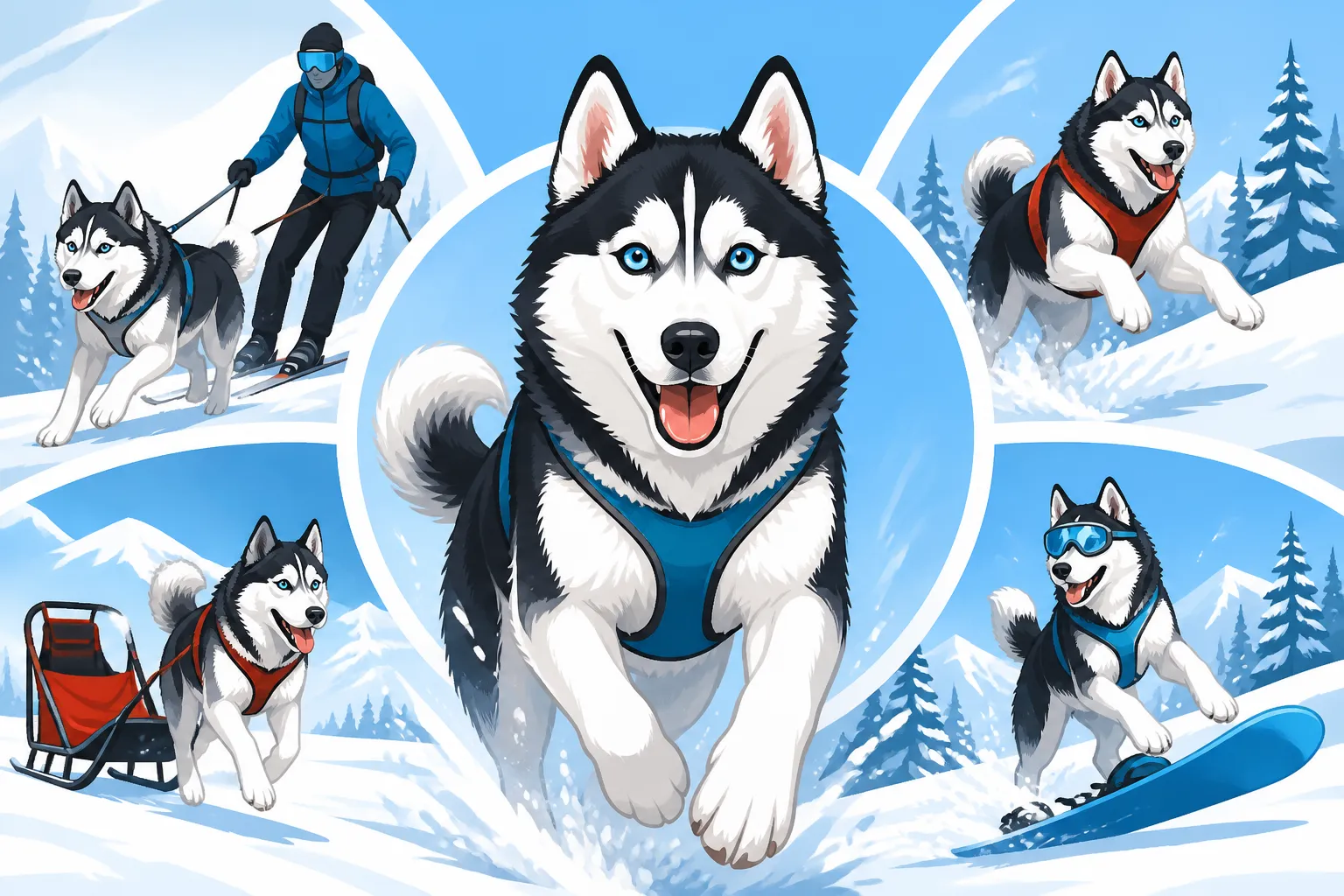
Skijoring is a dynamic and exhilarating winter sport where you, on cross-country skis, are pulled by one or two dogs. It's like cross-country skiing, but with a powerful canine engine helping you along! Your Husky wears a specialized pulling harness, connected to you by a towline that attaches to a skijoring belt around your waist. This setup allows your hands to remain free for ski poles, and your core muscles do much of the work alongside your dog.
The beauty of skijoring lies in its simplicity and the incredible workout it provides for both dog and human. Imagine gliding effortlessly across a snowy trail, powered by your enthusiastic Husky, the crisp winter air invigorating both of you. It's a fantastic way to cover significant distances and explore snowy landscapes. You'll need decent cross-country skiing skills, especially downhill, as your Husky's speed can be surprising! Starting on flat, open terrain is advisable, gradually introducing inclines and turns. Canicross and Bikejoring With a Siberian Husky shares similar principles for starting out. Many regional dog sport clubs offer introductory clinics, which can be invaluable for learning proper technique and safety protocols.
Canicross on Snow: Running with Your Husky
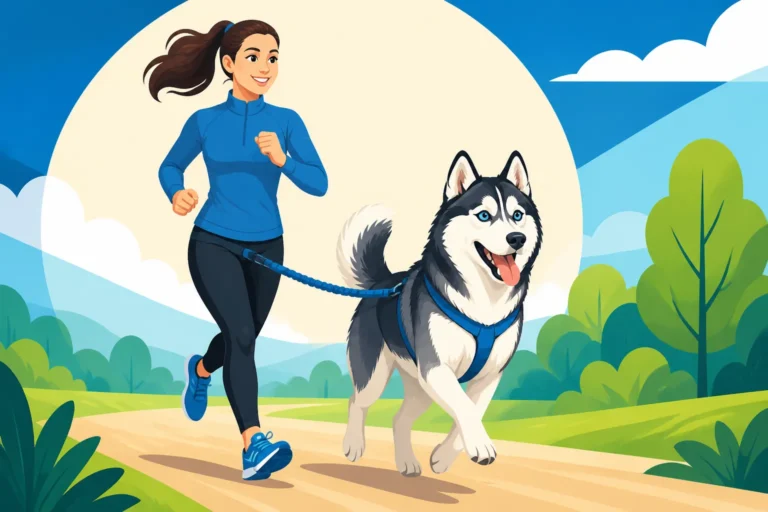
Canicross is essentially trail running with your dog pulling you, and it translates beautifully to snowy conditions. Instead of skis, you wear running shoes (often with traction aids like microspikes for icy patches) and are connected to your Husky via a hands-free belt and a bungee line. Your Husky wears a pulling harness, just like in skijoring. This sport is accessible to many runners and is an excellent way to maintain fitness for both you and your dog throughout the winter.
Running with your Husky pulling you through fresh snow is an unparalleled experience. It turns a challenging run into an assisted glide, especially on uphill sections, and lets your Husky fulfill their pulling drive at top speed. The soft snow is also often easier on their joints than hard pavement, though vigilance for hidden ice or sharp objects remains crucial. Running a Siberian Husky in Summer Heat might cover summer considerations, but in winter, pay attention to potential overheating due to exertion combined with heavy coats, especially on warmer winter days. As with any strenuous activity, monitor your Husky for signs of fatigue or cold stress, and always carry water for both of you, even in chilly weather, as dehydration can still be a concern.
Dog Sledding and Kicksledding
For the ultimate expression of your Husky's heritage, dog sledding (mushing) is the pinnacle. While traditional multi-dog teams might be a big undertaking, solo sledding or kicksledding with one or two Huskies is much more accessible for pet owners. A kicksled is a hybrid between a sled and a scooter; you stand on runners and push with one leg, while your Husky (or Huskies) pull in front. It provides a more stable and controlled experience than skis for those new to dog-powered sports.
Dog sledding, even with a small team, allows your Husky to truly live out its ancestral purpose. The joy and focus they exhibit when pulling a sled are truly something to behold. It’s a full-body workout for them, requiring both strength and endurance, and offers a unique bond between you and your dog as you work together as a team. Teaching a Siberian Husky to Pull in Harness is an essential skill for any type of sledding. Remember to choose trails appropriate for sledding – wider, groomed paths are ideal. Invest in sturdy equipment designed for the sport, as regular harnesses and leashes simply won't suffice for the forces involved in pulling a sled.
| Winter Sport | Human Effort | Dog Effort | Equipment Needed | Ideal Terrain | Benefits for Husky |
|---|---|---|---|---|---|
| Skijoring | High (cross-country skiing) | High (pulling) | Skis, poles, skijoring belt, bungee line, pulling harness | Groomed cross-country trails, open fields | Fulfills pull drive, high cardiovascular workout |
| Canicross (Snow) | Moderate (running) | High (pulling) | Running shoes (with traction), canicross belt, bungee line, pulling harness | Snowy trails, parks, soft snow | Intense exercise, great for runners, joint-friendly snow |
| Kicksledding | Moderate (kicking/pushing) | High (pulling) | Kicksled, pulling harness, gangline (for multiple dogs) | Wider groomed trails, open spaces | Full expression of pull drive, mental stimulation, teamwork |
| Dog Sledding (Small Team) | Low (steering/braking) | Very High (team pulling) | Dog sled, specialized harnesses, ganglines, snow hooks | Wide, deep snow trails | Ultimate breed fulfillment, high endurance work, mental engagement |
Safety First: Protecting Your Husky in Cold Weather
While Siberian Huskies are genetically predisposed to cold weather, it doesn't mean they are invincible. Owners still need to be diligent about safety to prevent injury, exhaustion, or even hypothermia or frostbite during intense or prolonged winter activities. Your Husky relies on you to make smart decisions, even when they're bursting with energy.
Monitoring for Cold Stress and Overexertion
Even a Husky can get too cold or overexerted, especially if they are not conditioned properly, are very young or old, or have underlying health issues. Watch closely for signs of cold stress: shivering, reluctance to move, seeking shelter, or curling up tightly. These are clear indicators that it's time to head indoors or warm up. Conversely, during strenuous activity, a Husky can also overheat, especially if the air temperature isn't as cold as it seems, or if they're working very hard. Heavy panting, staggering, or a sudden drop in energy could mean they are pushing too hard.
Always build up your Husky's fitness level gradually. Don't expect them to run ten miles on day one if they've been couch potatoes all fall. Start with shorter distances and lower intensity, slowly increasing over weeks. How Much Exercise a Siberian Husky Really Needs will give you a good idea of their general requirements, but during winter sports, they will be burning significantly more calories and working harder. Regular breaks for water and rest are vital, especially if you're out for extended periods. Feel their ears and paws periodically; if they feel excessively cold to the touch, it's a warning sign.
Hydration and Nutrition in Winter
It's a common misconception that dogs don't need as much water in winter. In reality, Huskies engaged in strenuous winter sports can become dehydrated quickly. They're expending a lot of energy, and the dry winter air can increase fluid loss through respiration. Always carry fresh water and offer it frequently during breaks. Snow can be a source of hydration, but it requires energy to melt in their stomach and might not be enough on its own, especially for high-intensity work.
Their nutritional needs will also shift. Huskies have incredibly efficient metabolisms, meaning they often require less food than similarly sized breeds. However, a Husky actively participating in demanding winter sports will burn significantly more calories and may need a higher fat and protein diet to sustain their energy levels and maintain body condition. High-Fat Food Costs for a Siberian Husky in Winter hints at these adjusted dietary needs. Consult your vet to discuss appropriate calorie intake and food choices if your Husky becomes a serious winter athlete. Monitoring their weight and body condition closely is important; you should be able to feel their ribs easily, but not see them protruding.
Paw Protection and Trail Hazards
Your Husky's paws are their primary interface with the winter environment, and they face numerous threats. Ice can cut them, packed snow can cause painful "snowballs" to form between their toes, and chemical de-icers (like rock salt) on paths and roads can be incredibly irritating or even toxic if ingested. Booties, as mentioned earlier, are an excellent preventative measure for these common issues. If your Husky won't tolerate booties, consider a paw balm or wax (like Musher's Secret) to create a protective barrier.
Beyond paw-specific issues, winter trails can hide hazards. Thin ice over bodies of water, unseen obstacles under a fresh blanket of snow, or even sharp pieces of ice or branches can pose a risk. Always be aware of your surroundings. If you're using public trails, check local regulations regarding dogs and specific activities. Siberian Husky Paw Care Through Snow and Salt goes into much greater detail about how to keep those hardy paws healthy and ready for action. After every outing, carefully check your Husky's paws for any cuts, cracks, or embedded ice. A quick rinse with warm water can remove any salt or debris.
Beyond Competition: Enjoying Winter With Your Husky
While formal winter sports like skijoring and kicksledding are fantastic, you don't need to aspire to be a competitive musher to give your Siberian Husky a fulfilling winter. There are plenty of fun, informal activities that tap into their natural inclinations and strengthen your bond without requiring specialized equipment or intensive training.
Recreational Snowshoeing and Hiking
For those who enjoy a slower pace or simply want to explore serene winter landscapes, snowshoeing with your Husky is a wonderful option. It allows you to venture off groomed trails into deeper snow, opening up new areas to explore. Your Husky, with their snow-ready paws and powerful legs, will often "float" on top of shallower snow, especially with their wider paws. For deeper, softer snow, they might sink a bit, but they usually don't mind the extra effort.
Hiking in winter offers a different kind of challenge and beauty. The world transformed by snow can be magical, and sharing that experience with your Husky is incredibly rewarding. Just be mindful of ice, hidden obstacles, and ensure you're dressed appropriately for the weather, as are they. A simple, well-fitting harness (even a regular walking harness if not pulling hard) and a good leash are usually all you need. Parasite Prevention for an Outdoor Siberian Husky is a year-round consideration, but remember even in winter, ticks can still be active in some regions or dormant, only to awaken with slightly warmer spells. Enjoy the quiet crunch of snow underfoot and the happy trot of your Husky beside you.
Snow Play and Mental Enrichment
Sometimes, the best winter activity is simply letting your Husky be a Husky in the snow! Huskies love to roll, dig, and dive into snowbanks. Throwing snowballs (without rocks or ice chunks, of course!) can be a fun game of chase. Many Huskies will "mouth" snow, pushing their faces into it, or even try to eat it. This is perfectly normal and just another way they interact with their favorite element. These spontaneous play sessions are fantastic for their mental and physical well-being, allowing them to express joy and pure Husky exuberance.
You can also incorporate mental enrichment into snowy play. Hide treats or their favorite toys in snowdrifts and encourage them to sniff them out – a fantastic way to engage their keen sense of smell. You might be surprised at how much fun they have "hunting" in the snow. If you have a secure, fenced yard, simply supervise them while they enjoy digging and romping. Even if you're not participating in formal sports, simply letting them experience and enjoy the snow in their own unique way is incredibly enriching. This kind of Wearing Out a Siberian Husky Without Leaving the House applies to winter as much as any other season.
Building a Stronger Bond Through Shared Adventure
Ultimately, participating in any winter activity with your Siberian Husky is about strengthening the incredible bond you share. These activities are not just about physical exercise; they're about teamwork, communication, and mutual enjoyment. When you and your Husky conquer a snowy trail together, or simply share a laugh as they dive headfirst into a snowdrift, you're building trust and creating lasting memories.
The shared challenges and triumphs of winter adventures deepen your relationship in a way that everyday walks might not. You'll learn to read your Husky's signals better, understand their capabilities, and appreciate their unique spirit even more. Whether you're a serious musher or just a casual snow hiker, making winter an active, engaging time for your Siberian Husky will undoubtedly lead to a happier, healthier dog and a more fulfilling companionship for you. So, embrace the cold, gear up, and get out there – your Husky is waiting!
Disclaimer
This article is for general informational purposes only and does not constitute professional advice. Laws, prices and regulations vary by location and change over time. Consult a qualified professional for guidance on your specific situation.