Supervising a Siberian Husky in an Unfenced Yard
It’s a beautiful vision, isn't it? Your majestic Siberian Husky frolicking freely in a sprawling, unfenced yard, chasing butterflies, rolling in the grass, utterly devoted to you and never straying. Many of us harbor this dream. But the reality for most Husky owners, especially when an unfenced yard is involved, is a much more complicated, high-stakes game of vigilance. This guide will walk you through the undeniable challenges and offer realistic strategies to manage and supervise your Siberian Husky safely and responsibly in an environment that inherently conflicts with their deepest instincts.
Understanding the Siberian Husky's Instinct for Freedom
Let's be brutally honest: the concept of an unfenced yard and a Siberian Husky rarely mix without a significant amount of human intervention and vigilance. It's not about how well you've trained them indoors or even in a secure, fenced park. It's about their very DNA, a genetic blueprint forged over thousands of years for a life that actively encourages covering vast distances.
The Call of the Wild: Why Huskies Roam
Your Siberian Husky isn't being stubborn or naughty when their ears perk up, nose hits the ground, and they start to eye that open field with intense interest. They are simply responding to an ancient, powerful urge. These dogs were bred by the Chukchi people for endurance, to run for miles and miles, pulling light loads across the frozen tundra. They are independent thinkers, problem solvers, and natural explorers. When they see an open space, their brain often translates it into an invitation for an adventure, not a boundary to be respected. This isn't a flaw in their character; it's the essence of their breed.
Think about it: a loose Husky can easily cover several miles in an incredibly short amount of time, often without even realizing they are "lost." They aren't looking to escape from you; they're looking to explore for themselves. This drive is so profound that trying to train it out completely is often an exercise in futility and frustration. It's like asking a bird not to fly. Understanding this fundamental truth is the first step toward realistic management.
This profound instinct also means that the dangers of an unfenced space are magnified for a Husky. Their independent nature makes them less likely to check in with you once a scent or sight catches their attention. They might genuinely "forget" you exist for a few blissful minutes of pursuit, which can be disastrous in an unsecured environment. This inherent desire to roam is precisely Why a Siberian Husky Cannot Be Trusted Off Leash.
The Illusion of "Good Recall" in an Open Space
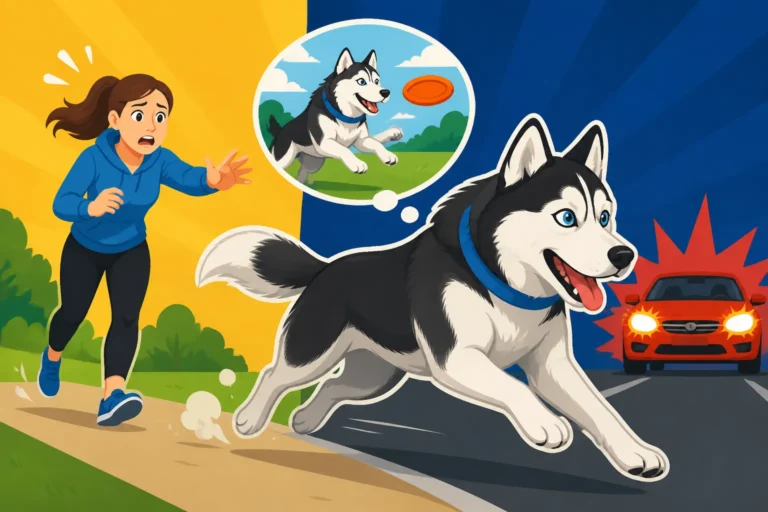
Many owners, myself included, have boasted about their Husky's "pretty good" recall. We've seen them come trotting back in a fenced park, or when we call them in the house. We feel a surge of pride and confidence. Then, one day, that squirrel darts across the distant tree line, or a new, intoxicating smell drifts on the breeze, and suddenly, your "pretty good" recall vanishes into thin air. It’s like they have temporary amnesia, completely deaf to your frantic cries.
The problem with Husky recall in an unfenced yard is that it's almost always conditional. It works when there's nothing more interesting than you, or when they're not fully committed to a chase. The moment their high prey drive is triggered, or they get a whiff of something truly exciting, their instinct takes over, overriding weeks, months, or even years of training. That instant gratification of the chase or the discovery of a new scent becomes far more rewarding than any treat or praise you can offer.
It’s heartbreaking, truly, to see your beloved companion, who normally hangs on your every word, become a distant, speeding white and grey blur. This isn't a reflection of your training failures as much as it is a testament to the power of their breed-specific drives. They are masters of selective hearing when the "call of the wild" is stronger. Your recall might be excellent in a controlled environment, but an unfenced yard is anything but controlled.
The Dangers of an Unsecured Environment
Allowing a Siberian Husky unsupervised access to an unfenced yard isn't just a matter of them getting lost; it's a gamble with their life and the well-being of others. The risks are varied and terrifying, and they happen far more often than we'd like to admit.
First and foremost, there are traffic accidents. A Husky, engrossed in a scent trail or the thrill of the run, will not stop for a car. The speed and determination with which they can cover ground mean they can be out of your sight and into traffic in mere seconds. Then there's the danger to other animals. Huskies have a very strong prey drive, and a loose Husky might see a neighbor's cat, a small dog, or even livestock as fair game. This can lead to tragic outcomes and significant legal and emotional repercussions for you, the owner. We often see heartbreaking stories of Siberian Husky Deaths From Trauma and Escape, and traffic incidents are sadly a leading cause.
Beyond immediate physical dangers, a loose Husky risks injury from other, less friendly dogs, getting stolen, or even falling victim to malicious individuals. And let's not forget the sheer panic and stress you will experience if your beloved dog goes missing, coupled with the potential fines from animal control for a loose animal. Relying on luck or hoping for the best is simply not an option when you have a breed like the Siberian Husky.
Essential Containment and Management Strategies
Given the Husky's inherent nature, a "hands-off" approach to an unfenced yard is a recipe for disaster. Instead, you need proactive, consistent, and layered management strategies. Your goal isn't to change their nature, but to safely channel it.
The Golden Rule: Leash or Long Line is Non-Negotiable
If you have an unfenced yard, this rule must be etched into your mind: your Siberian Husky is never outside without being attached to you or a secure anchor point via a leash or long line. There are no exceptions, no "just for a minute," no "they'll stay close." Even if you live on acres of private land with no immediate neighbors, the potential for a new smell or a fleeting animal to draw your Husky far afield is simply too high.
A standard leash is perfect for short potty breaks or controlled walks around the perimeter. However, to give your Husky a bit more freedom to sniff and explore safely within your property limits, a long line is an absolute game-changer. These lines typically range from 15 to 50 feet, or even 100 feet for very large spaces, allowing your dog to wander, investigate, and even run a little, all while you maintain control. You can hold the end of the line or, if your yard is truly expansive and clear of obstacles, attach it to a sturdy ground anchor while you supervise closely. This method allows them to engage their senses and move, fulfilling some of their natural drives without the risk of escape. Learning how to properly manage one is key, and you can get started with Starting Long Line Work With a Siberian Husky.
It's also crucial to use a secure, well-fitting harness with a long line, rather than just a collar. A determined Husky can easily slip a collar, especially when pulling hard against a long line. A harness distributes pressure more evenly and prevents escape. While Martingale Collars for a Siberian Husky offer some security for walks, a sturdy, escape-proof harness is truly the best choice for long-line work.
Physical Barriers: Even Temporary Ones Help
While a permanent, six-foot fence with an L-footer is the gold standard for Husky containment, that's not always feasible in every unfenced yard situation. However, even temporary physical barriers can provide additional layers of safety and allow for more freedom than a short leash might.
Consider using portable dog exercise pens (often called ex-pens or puppy pens) to create a supervised, contained area within your unfenced yard. These can be helpful for short periods where you need to do something else, but still want your Husky to get some fresh air. You can set up a larger, multi-panel pen to give them more room to move, sniff, and perhaps enjoy a chew toy. However, remember that Huskies are clever and agile. A standard ex-pen might contain a puppy or a very calm adult, but a motivated Husky can potentially climb, push, or even dismantle some lighter models. Always choose a sturdy, tall pen and never leave them unsupervised for more than a few moments.
Another option might be temporary mesh fencing or snow fencing for very specific, short-term situations, such as creating a safe zone for a few minutes while you retrieve something from your car. Again, these are temporary, supervised solutions, not permanent containment. They serve as visual and minor physical deterrents, but they are absolutely no match for a Husky determined to be on the other side. The key word here is "supervised" – your presence and active engagement are the real barrier.
Supervision is Your Ultimate Fence
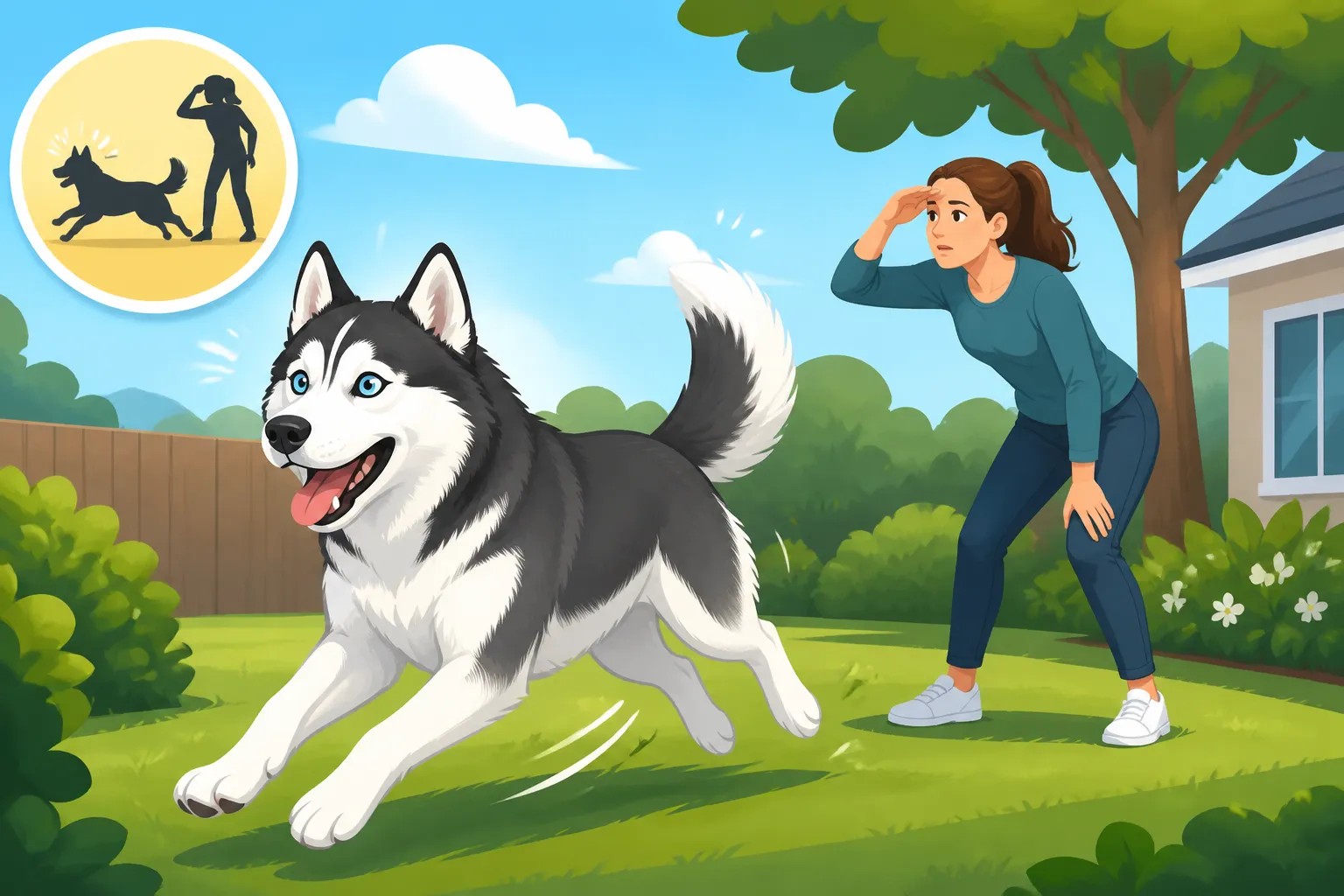
In an unfenced yard, you become the primary barrier. This means active, undivided supervision every single second your Husky is outside. This isn't just glancing out the window while you chop vegetables; this means you are physically present, engaged, and constantly aware of your Husky and their surroundings.
What does active supervision look like?
- No distractions for you: Put down your phone, don't try to garden, don't talk on the phone, don't try to multitask. Your sole focus is on your dog.
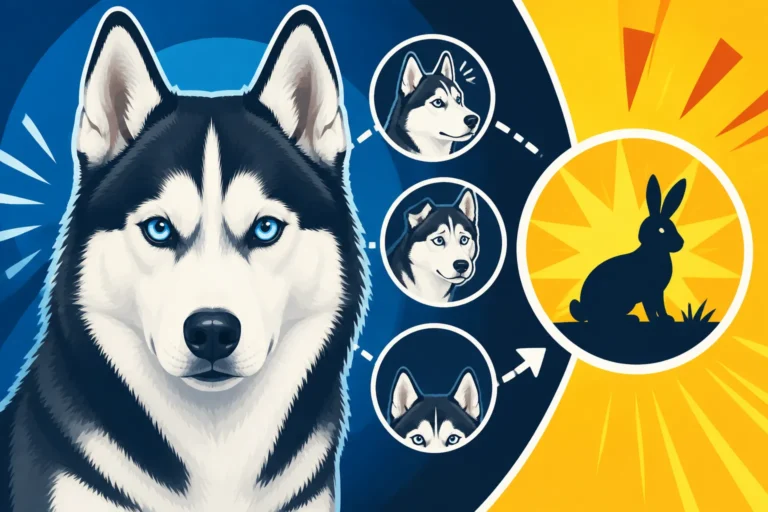
- Constant scanning: Watch your Husky's body language. Are their ears swiveling? Is their nose glued to a scent trail? Are they fixating on something in the distance? These are all signs they might be about to bolt.
- Proactive intervention: If you see them starting to get too engrossed or heading towards a potential escape route, intervene before they act. Call them, redirect them with a treat or toy, or physically move them.
- Awareness of surroundings: Are there cars passing? Other dogs walking by? Children playing? What potential triggers are present that might set off your Husky's prey drive or wanderlust?
This level of supervision is exhausting, I know. It's why an unfenced yard is so challenging for Husky owners. It means sacrificing your own outdoor time to monitor your dog constantly. This is one of the biggest reasons Leaving a Siberian Husky Alone in a Yard in an unfenced setting is never acceptable – the risks are simply too high for both the dog and the community.
Training and Enrichment in the Absence of a Fence
While management is key, training still plays a vital role in reinforcing safe behaviors and channeling your Husky's energy in positive ways. You might not be able to train away their instinct, but you can build strong habits that contribute to their overall safety.
Building a Rock-Solid Emergency Recall
For a Siberian Husky in an unfenced area (even if they are on a long line), an emergency recall isn't just a convenience; it's a lifeline. This isn't the same as your everyday "come." This is a special, high-stakes command that means, "Drop everything and get to me RIGHT NOW, no matter what."
Here's how to approach it:
- Choose a unique, urgent word: Don't use your regular "come." Pick something like "HERE!" or "FRONT!" or a sharp whistle. This word should only be used for true emergencies.
- High-value rewards: This means the absolute best treats your Husky can imagine – cooked chicken, cheese, hot dogs, steak. This isn't the time for dry kibble. The reward must be so incredibly appealing that it outweighs the excitement of a chase or a fascinating smell. Rewards That Beat the Siberian Husky Chase Instinct are crucial here.
- Practice in controlled environments: Start in a quiet, securely fenced area with zero distractions. Gradually introduce more distractions once they are 100% reliable. Practice daily, even several times a day, always ending on a positive note.
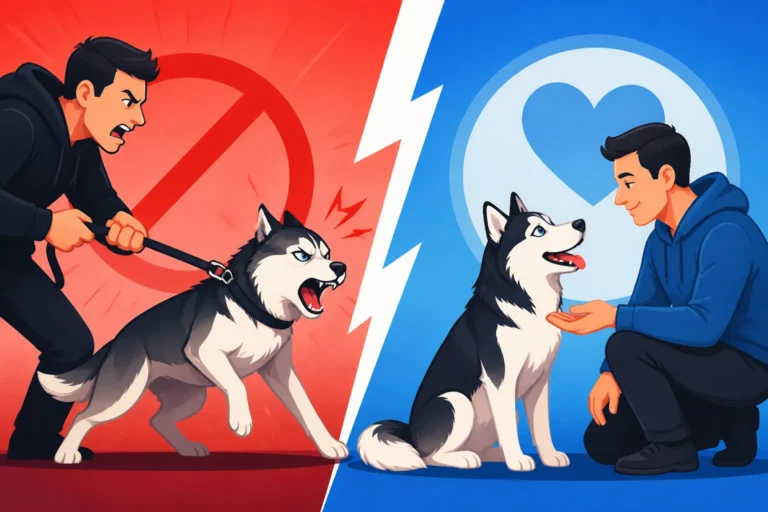
- Never punish on recall: If your Husky takes a moment to come, never scold or punish them when they finally arrive. Always make coming back a profoundly positive experience. If they associate coming to you with negativity, that emergency recall will fail when you need it most.
While this command should ideally be practiced in a safe, fenced space, even perfecting it indoors can lay the groundwork. The more positive associations you build with this high-stakes command, the better your chances are in a real-world scenario. A good starting point for developing this critical skill can be found in Building a Siberian Husky Recall Word From Scratch. For owners looking for structured training programs that focus on impulse control and recall, BAXTER & Bella offers online courses and resources that can be incredibly helpful for independent breeds like Huskies, guiding you through the steps to build reliability even with distractions.
Harnessing Instinct: Providing Alternative Outlets
A bored Siberian Husky is a destructive or escape-prone Siberian Husky. Their immense energy and intelligent minds need outlets, especially if they can't simply run free in a secure yard. You must proactively provide ways for them to exercise their bodies and minds.
- Long Line Exploration: As discussed, using a long line allows them to cover ground, sniff, and investigate within a safe boundary. Make these sessions engaging by hiding treats for them to find, or playing fetch with a favorite toy on the line.
- Harness Sports: Embrace their natural pulling instinct! Activities like canicross (running with your dog attached to you via a waist belt and bungee line) or bikejoring (cycling with your dog pulling in front) are fantastic ways to burn off energy safely. These activities are done on trails or quiet roads, with your Husky securely in a pulling harness. This allows them to fulfill their drive to run and pull in a structured, controlled manner. Learn more about these exciting options in Canicross and Bikejoring With a Siberian Husky.
- Mental Stimulation: Don't forget their brains! Engage them with puzzle toys (many excellent options are available on Amazon), treat-dispensing toys, or scent work games (like hiding treats around the house or yard for them to sniff out). Even short training sessions (10-15 minutes) working on new tricks or obedience cues can be mentally tiring for a Husky. A tired Husky, both physically and mentally, is a much less likely candidate for escape attempts.
Management vs. Training: Knowing the Limits
It’s vital to understand the difference between management and training when it comes to Siberian Huskies and unfenced yards.
Management refers to controlling the environment to prevent unwanted behaviors. For an unfenced yard, this means leashes, long lines, temporary barriers, and constant supervision. It's about putting safeguards in place because you know their instincts are strong.
Training aims to teach your dog new behaviors or modify existing ones through positive reinforcement. This builds a foundation of communication and cooperation.
With a Siberian Husky, especially regarding their roaming instinct, management nearly always trumps training in an open, unsecured environment. You can train a fantastic recall, but a split-second lapse in attention from you or an overwhelming distraction for them can negate all that training. Therefore, while training is incredibly important for building a well-behaved companion and strengthening your bond, it should never be seen as a substitute for strict management when your Husky is in an unfenced area. You are managing a powerful, ancient drive, not just a stubborn habit.
Practical Tools and Resources for Unfenced Situations
Even with the best intentions and the most diligent supervision, having a Siberian Husky in an unfenced yard requires practical tools to enhance safety, manage their energy, and prepare for the unexpected.
Long Lines and Their Accessories
Long lines are arguably the most important tool for an unfenced yard situation. They offer a compromise between full freedom and strict leashed control, allowing your Husky to explore a wider area safely.
- Materials: Long lines come in various materials. Nylon is common, affordable, and durable, but can get wet and heavy. Biothane is a fantastic choice: it’s waterproof, easy to clean, doesn't absorb odors, and maintains flexibility in cold weather – perfect for a Husky who loves to explore wet or muddy areas. You can find a vast array of high-quality biothane long lines on Amazon.
- Lengths: Start with a 30-foot line to get comfortable, then consider a 50-foot or even 100-foot line if you have a very large, clear space and excellent control. Remember, the longer the line, the more challenging it is to manage without tangling or snagging.
- Harnesses: As mentioned before, a sturdy, escape-proof harness is essential. Look for harnesses with multiple points of adjustment and a front clip for added control if your Husky tends to pull. Avoid thin, flimsy harnesses that could break under a sudden lunge. A well-designed harness like those offered by many reputable brands available on Amazon will distribute pressure across their chest rather than their neck, making long-line use safer and more comfortable for your dog.
GPS Trackers: A Safety Net, Not a Solution
Let's be clear: a GPS tracker is not a containment solution. It will not prevent your Siberian Husky from escaping an unfenced yard. However, it is an invaluable recovery tool if, despite all your best efforts, an escape does occur. Given how far and fast a Husky can travel, a GPS tracker dramatically increases your chances of finding them quickly and safely.
- How they work: These small, lightweight devices attach to your dog's collar and use GPS technology to show their real-time location on your smartphone. Many also offer features like virtual fences (geofencing) that alert you if your dog leaves a predefined area, though these should never be relied upon as your primary containment for a Husky in an unfenced space.
- Considerations: Look for trackers with good battery life, reliable signal strength, and a durable, waterproof design. Most require a monthly or annual subscription service. While they come with an upfront cost and ongoing fees, the peace of mind they offer is often considered priceless by Husky owners. You can explore various reputable brands and models by searching for GPS Collars Worth Buying for a Siberian Husky.
Having a tracker is like having insurance – you hope you never need it, but you'll be incredibly grateful if you do.
Professional Help: When to Call in the Experts
Even the most dedicated owner can feel overwhelmed by the unique challenges of a Siberian Husky, especially in an unfenced environment. If you're struggling with consistent recall, managing their energy, or dealing with specific behaviors, don't hesitate to seek professional guidance.
- Experienced Trainers: Look for a certified professional dog trainer who has extensive experience with independent, high-drive breeds like Siberian Huskies. A trainer who understands the working dog mentality can offer tailored strategies that resonate with your Husky's nature, rather than trying to force them into a mold that doesn't fit. They can help you refine your long-line handling skills, build a more reliable emergency recall, and suggest creative enrichment activities. For advice on finding the right fit, check out Finding a Trainer Who Has Worked With Huskies.
- Positive Reinforcement: Always choose a trainer who uses modern, positive reinforcement methods. Forceful or punitive training techniques are not only detrimental to your bond with your Husky but are also largely ineffective with this intelligent and sensitive breed. They will simply shut down or become more resistant.
- Behavioral Consultations: If you're seeing persistent escape attempts despite your best management, or if your Husky is displaying other concerning behaviors, a veterinary behaviorist can provide a deeper dive into the root causes and develop a comprehensive behavior modification plan.
Supervising a Siberian Husky in an unfenced yard is a monumental task that requires constant vigilance, intelligent management, and a deep understanding of the breed. It's not the dream scenario many of us envision, but with the right tools, training, and unwavering commitment, you can provide a safe and fulfilling life for your adventurous companion.
| Management/Tool | Primary Purpose | Key Benefit | Important Caveat | Recommended Usage |
|---|---|---|---|---|
| Active Human Supervision | Prevention of escape and immediate intervention. | Most effective safety measure. | Demands 100% human focus; prone to distraction. | Mandatory for any time a Husky is in an unfenced yard, even for short durations. |
| Long Line | Controlled exploration and exercise. | Freedom to roam without risk of escape. | Requires active handler, can tangle, needs space. | For supervised exercise and sniff-walks in the yard, always attached to a secure harness. |
| Portable Ex-Pen | Temporary, contained space. | Offers a brief, secure spot for dog to be. | Not truly escape-proof for a determined Husky; needs supervision. | Very short, supervised breaks; useful for puppies or less adventurous adults. |
| Emergency Recall | Critical safety command. | Can prevent an imminent escape or danger. | Requires intense, high-value training; not 100% reliable in all Husky situations. | Daily practice in safe areas; reserved for critical moments. |
| GPS Tracker | Aid in recovery after escape. | Significantly increases chances of finding a lost Husky. | Does NOT prevent escape; relies on dog wearing device. | As a vital backup for all outdoor activities, even with other safety measures in place. |
Disclaimer
This article is for general informational purposes only and does not constitute professional advice. Laws, prices and regulations vary by location and change over time. Consult a qualified professional for guidance on your specific situation.