Trimming Only a Siberian Husky’s Feet
It’s a common misconception that our beautiful, fluffy Siberian Huskies need to be shaved down in the warmer months to keep cool. In reality, a full body shave can do more harm than good, often leaving them susceptible to sunburn and heatstroke. However, there’s one area where a little trim is not only acceptable but often highly beneficial for their comfort and health: their magnificent, furry feet. This guide will walk you through why and how to correctly trim the hair on your Husky's paws, making their lives (and yours) a whole lot easier.
Why the "Full Shave" is a No-Go for Siberian Huskies and Why Feet are Different
Let's clear the air right away about shaving your Siberian Husky's body. I know, when summer hits, or you're wrestling with a huge coat blow, the idea of just buzzing it all off can seem like a dream. But for a Siberian Husky, that dream can quickly turn into a nightmare. Their coat is a marvel of natural engineering, and messing with it can have serious repercussions. However, their paws are a special case, and treating them with care and strategic trimming can truly improve their quality of life.
The Siberian Husky's Amazing Double Coat
Your Siberian Husky's coat isn't just for looking pretty – it's a vital, multi-functional piece of equipment designed by millennia of adaptation. They have a double coat, which means two distinct layers working in harmony. The outer layer consists of long, coarse guard hairs. These are waterproof and act like a shield, protecting against snow, ice, rain, and even harmful UV rays from the sun. Think of them as the roof shingles on a house.
Beneath this protective layer lies the soft, dense undercoat. This is where the magic really happens. The undercoat is incredibly insulating, trapping air close to the body, which keeps them warm in freezing temperatures. What many people don't realize is that this same undercoat also helps them stay cool in warmer weather. It creates an insulating barrier that prevents external heat from reaching their skin, similar to how insulation keeps your house cool in summer. This natural air conditioning system is crucial for their well-being. Trying to remove it through a full shave actually disrupts this intricate system, leaving them vulnerable. For more on this, check out What the Siberian Husky Double Coat Actually Does.
The Perils of Shaving Your Husky's Body
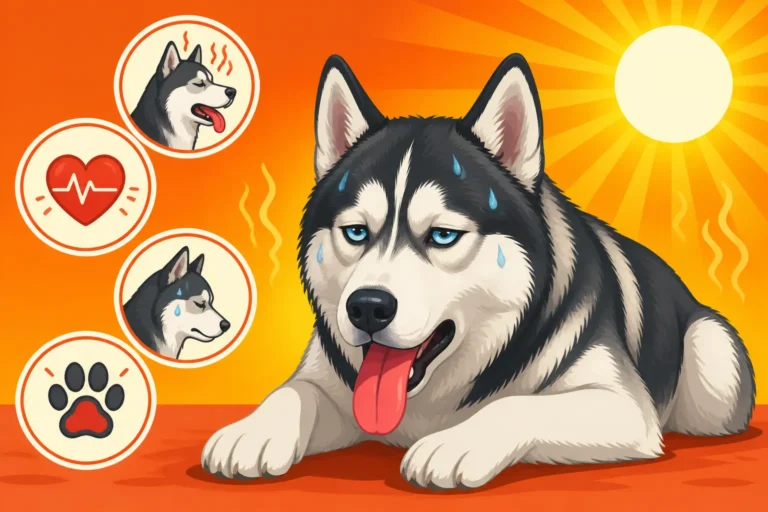
So, you can imagine why shaving off this incredible protective layer is a bad idea. When you shave a Siberian Husky, you remove both the guard hairs and the undercoat, leaving their delicate skin exposed. This immediately makes them much more susceptible to sunburn, which can lead to skin cancer over time. It also removes their natural insulation, meaning they actually become more prone to overheating because their body can't regulate its temperature as efficiently. It's counterintuitive, but true. Imagine wearing a t-shirt in extreme cold; that's what a shaved Husky feels like in the heat, but in reverse.
Beyond the immediate health risks, there's the issue of coat regrowth. Often, when a Husky's double coat is shaved, it can grow back improperly. Sometimes the guard hairs don't grow back to their original length or texture, and the undercoat might come in thicker and coarser, leading to a "wooly" coat that easily mats and no longer functions as effectively. This can be a permanent change, robbing your Husky of its natural protection for the rest of its life. This is a topic we delve into more deeply in Why a Shaved Siberian Husky Overheats. The intention might be good, but the outcome for their body coat is rarely positive.
Understanding the Specific Needs of Siberian Husky Paw Hair
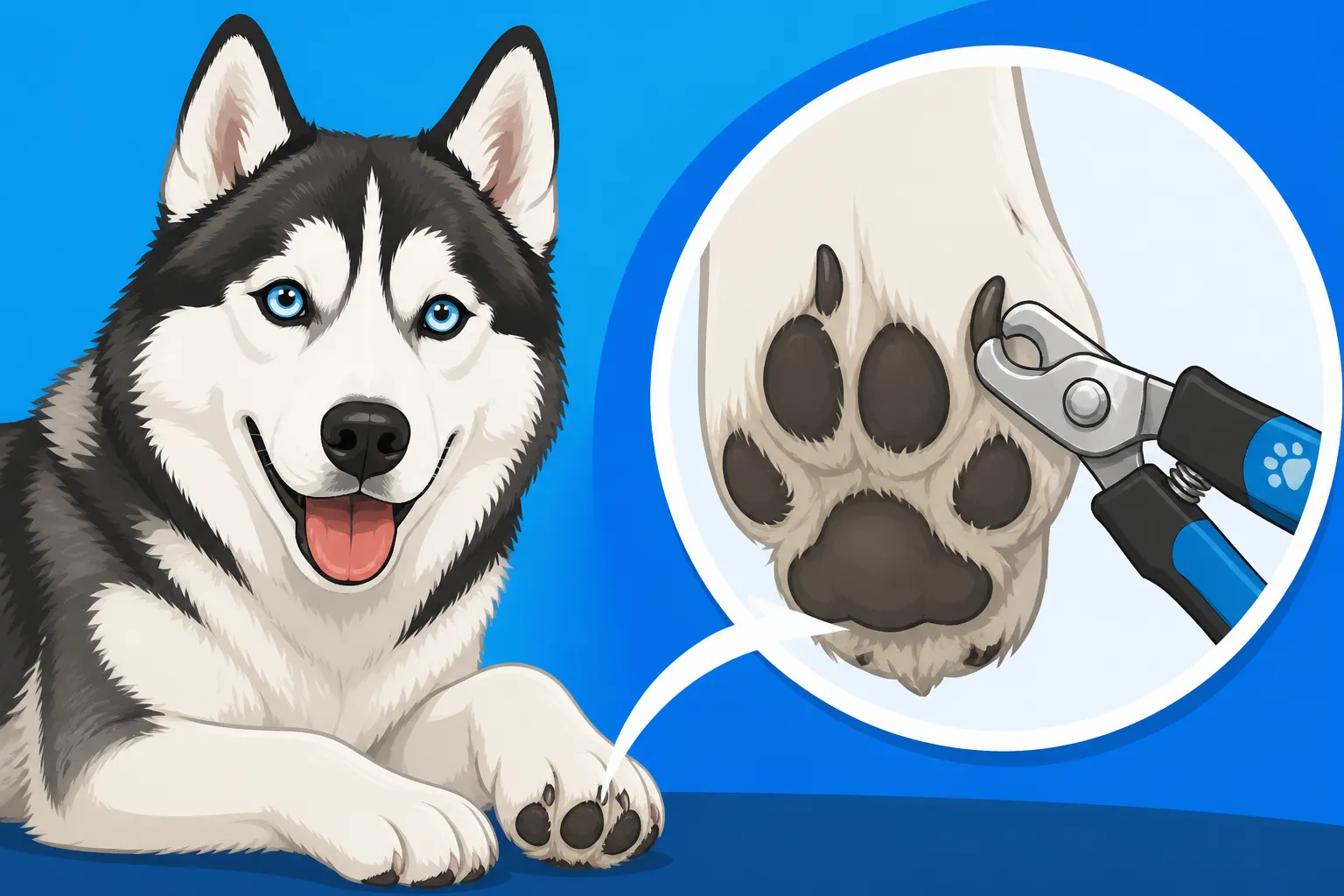
Now, let's talk about those adorable, furry paws. While the body coat is a no-shave zone, the hair that grows between and around a Siberian Husky's paw pads is a completely different story. This hair often grows quite long and thick, and unlike the rest of their coat, it doesn't serve a critical temperature-regulating or protective function in the same way. In fact, when left untrimmed, paw hair can cause a host of problems for your active companion.
The Troubles with Overgrown Paw Fur
Think about it: your Husky’s paws are constantly on the ground, exploring every terrain. When the hair between their pads gets too long, it acts like a sponge and a magnet. It collects all sorts of things: dirt, mud, burrs, tiny rocks, twigs, and even chewing gum. Imagine walking around all day with sticky bits stuck between your toes – not fun, right? This debris can cause irritation, matting, and even lead to painful sores or infections if not addressed.
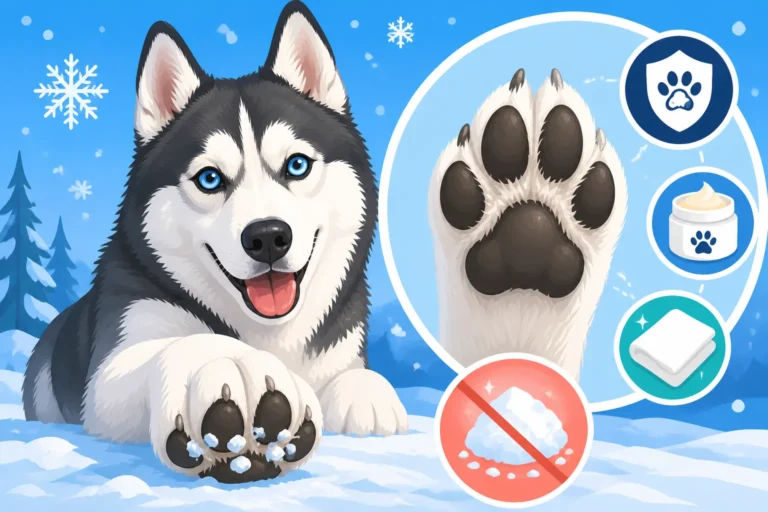
In winter, overgrown paw fur is an especially big problem. Snow and ice love to cling to long paw hair, forming painful ice balls between their pads. These frozen clumps can cause discomfort, abrasions, and even frostbite if not removed. It’s like walking on tiny, sharp pebbles with every step. I’ve seen many Huskies limp home from a winter walk because of these pesky ice balls. You can learn more about this specific challenge in Snowballs Between Siberian Husky Toes.
On smooth indoor surfaces, long paw hair can also reduce traction, making your Husky more prone to slipping and sliding. This isn't just annoying; it can be dangerous, especially for older dogs or those with joint issues, as it increases the risk of falls and injuries. Keeping that fur neatly trimmed is a simple way to give them better grip and confidence on hardwood or tiled floors.
Hygiene and Comfort for Happy Husky Paws
Trimming the hair on your Siberian Husky's paws is fundamentally about hygiene and comfort. By keeping this hair short and tidy, you create a cleaner environment for their feet. It’s easier to wipe away dirt and mud after an outdoor adventure, reducing the amount of grime tracked into your home. This also makes it simpler to inspect their paw pads for any cuts, cracks, or embedded objects that might otherwise be hidden by a forest of fur.
Beyond cleanliness, proper paw hair trimming allows for better air circulation around the pads. This can help prevent moisture build-up, which is a breeding ground for bacteria and yeast, potentially leading to infections or skin irritation. A well-groomed paw is a healthy paw, and a healthy paw means a more comfortable and happy Husky. They might not thank you verbally, but their eagerness to run and play without discomfort will be thanks enough. It's a small act of care that makes a big difference in their daily life.
Step-by-Step Guide to Safely Trimming Your Siberian Husky's Paw Hair
Okay, so we've established why trimming your Husky's paw hair is a good idea. Now, let's get into the how. This isn't a race; it's a calm, methodical process that requires patience, the right tools, and a gentle touch. Remember, consistency is key, and making it a positive experience for your Husky will make future trims much easier.
Gathering Your Tools and Setting the Scene
Before you even think about picking up clippers or scissors, make sure you have everything you need laid out and ready to go. Rushing or scrambling for tools will only add stress to the situation for both you and your Husky.
Here’s what you’ll want to have on hand:
- Small, Quiet Clippers: For the hair between the paw pads, a small, cordless clipper designed for sensitive areas or feet is ideal. Look for models that are quiet and have minimal vibration to avoid startling your Husky. Brands like Wahl or Andis offer good options that you can often find on Chewy or Amazon. These are much safer than trying to get full-sized clippers into those tight spots.
- Blunt-Nosed Scissors: For trimming the hair around the edges of the paw, especially the "fringe" that grows out past the pads, blunt-nosed grooming scissors are your best friend. The rounded tips drastically reduce the risk of accidentally poking or cutting your dog's skin if they wiggle.
- Fine-Toothed Comb: A small metal comb is excellent for brushing out the paw hair to see how long it truly is and to remove any tangles or debris before trimming.
- High-Value Treats: Absolutely essential! Have a generous supply of your Husky's favorite treats ready for positive reinforcement.
- Non-Slip Mat or Surface: If you’re working on a table, place a non-slip mat down. This helps your Husky feel secure and prevents them from slipping, which can make them anxious.
- Styptic Powder (just in case): Accidents happen. If you accidentally nick a quick (the blood vessel in the nail) or cut the skin, styptic powder will quickly stop the bleeding. It’s always better to have it and not need it.
Once you have your tools, choose a calm, quiet time when your Husky is relaxed. Maybe after a walk when they're a bit tired, or during their usual evening cuddle time. Avoid times when they're overly excited or rambunctious. A calm environment and your relaxed demeanor will go a long way in making this a stress-free experience. For a deeper dive into general grooming tools, see Grooming Tools a Siberian Husky Owner Buys Once.
The Art of the Paw Trim: Technique and Patience
Now for the actual trimming. Remember, slow and steady wins the race. You're not aiming for perfection on the first try; you're aiming for comfort and a positive association with paw handling.
- Start with the Comb: Gently comb all the hair up and out from between the paw pads. This helps you see the true length and untangle any mats.
- Trimming Between the Pads (Clippers):
- Hold your Husky's paw firmly but gently, with their pads facing up.
- Carefully use your small clippers to trim the hair between the pads. You want to trim it so it's flush with the pads, or slightly shorter, but never down to the skin. The goal is to remove the excess length that collects debris, not to remove all the hair down to nothing.
- Work slowly, taking small passes. Use your fingers to spread the pads slightly, exposing the hair. Be extremely careful around the toes and webbing.
- Many people find it easiest to just trim the hair that protrudes when the paw is held naturally.
- Trimming Around the Edges (Scissors):
- Once the hair between the pads is done, put the paw down naturally on the ground.
- Use your blunt-nosed scissors to trim the hair that sticks out around the circumference of the paw, especially at the back and sides. Again, aim for the hair to be flush with the pads.
- Think of it like giving them a neat "foot outline." You're trimming the "fringe" that hangs over, not trying to sculpt their paw.
- Always point the scissors away from the pads and never cut upward towards the skin.
- Reward, Reward, Reward: After each paw, or even after a few snips, offer a treat and praise. Make it a fun game. If your Husky gets anxious, stop, take a break, and try again later. It’s better to do a little bit across several sessions than to force a full trim and create a negative experience.
Remember, you're not trying to create a show-ring perfect trim. You're simply aiming for functional tidiness that prevents problems. Be patient with yourself and your Husky. With practice, you'll both get the hang of it! For general grooming questions, you might find some crossover in The Only Places a Siberian Husky May Be Trimmed.
| Tool Type | Best For | Advantages | Disadvantages |
|---|---|---|---|
| Small Clippers | Hair between paw pads, sensitive areas | Faster, less risk of accidental cuts between pads if used correctly | Can be noisy (scares some dogs), risk of cutting skin if not careful |
| Blunt-Nosed Scissors | Hair around paw edges, long "fringe" | Quieter, more precise for shaping, safer tips prevent accidental pokes | Slower, can be difficult for very dense hair or if dog is squirmy |
| Fine-Toothed Comb | Untangling, lifting hair for trimming | Essential for seeing what you're cutting, removes debris | None, always a helpful preparatory tool |
Maintaining Healthy Husky Paws Beyond Just Trimming
Trimming your Siberian Husky's paw hair is a crucial step, but it’s just one piece of the puzzle when it comes to comprehensive paw care. Their feet are their primary mode of transportation, their shock absorbers, and their connection to the world around them. Giving them a little extra attention can prevent discomfort, injury, and more serious health issues down the line.
Daily Checks and Preventative Care
Think of your Husky’s paws as their tires – they need regular inspection and maintenance to keep rolling smoothly. Make it a habit to do a quick check of your Husky's paws after every walk, especially if you’ve been on rough terrain, through snow, or near areas with potential hazards like broken glass or thorns.
What are you looking for during these checks?
- Cuts, Scrapes, and Abrasions: Even small cuts can become infected if not cleaned.
- Embedded Debris: Look for tiny rocks, splinters, burrs, or anything else stuck between their pads or in their fur.
- Redness or Swelling: These are signs of irritation, inflammation, or a possible infection.
- Cracks or Dryness: Paw pads can dry out and crack, especially in extreme weather conditions.
- Tenderness or Licking: If your Husky is excessively licking a paw or pulling it away when you touch it, that’s a clear sign something is bothering them.
If you find anything concerning, clean the paw thoroughly with mild soap and water, apply a pet-safe antiseptic if needed, and observe it closely. For more detailed guidance on what to look for, take a peek at Checking Siberian Husky Pads After Trail Runs.
Beyond checking, consider preventative measures. In winter, when pavements might be treated with salt or de-icers, or when temperatures are extremely low, paw balms are a lifesaver. Products like Musher's Secret or paw balms available from Chewy can create a protective barrier on their pads, shielding them from harsh chemicals and preventing dryness and cracking. In very extreme conditions, or for extended time outdoors, dog booties can offer superior protection against snow, ice, and rough terrain. Remember to always dry their paws thoroughly after walks in wet or snowy conditions to prevent moisture-related issues. For a deeper dive into protecting those paws year-round, check out Siberian Husky Paw Care Through Snow and Salt.
When to Call a Professional (or Your Vet)
While some basic paw trimming and daily checks are perfectly manageable for most Husky owners, there are times when a professional's expertise is invaluable.
If you find yourself uncomfortable or intimidated by trimming your Husky’s paws, don't hesitate to reach out to a professional groomer. They have the right tools, experience, and techniques to get the job done safely and efficiently. Many groomers offer "pawicure" services that include trimming the hair and nails, which can be a great way to keep your Husky's feet in top condition without the stress for you. If you're using a professional groomer for other services, like their bi-annual de-shedding, ask them to include paw trims in that service. This is often covered in discussions around general care, such as Professional De-Shedding for a Siberian Husky.
More importantly, your veterinarian should be consulted if you notice any persistent lameness, deep cuts, signs of infection (like pus, foul odor, or excessive swelling), or if your Husky is in significant pain. Don't try to self-diagnose or treat serious paw injuries or infections. A vet can properly clean and dress wounds, prescribe antibiotics if necessary, and address any underlying issues that might be contributing to paw problems. Early intervention can prevent minor issues from becoming major health concerns, ensuring your Siberian Husky can continue to enjoy their adventures on four healthy, well-groomed paws.
Disclaimer
This article is for general informational purposes only and does not constitute professional advice. Laws, prices and regulations vary by location and change over time. Consult a qualified professional for guidance on your specific situation.