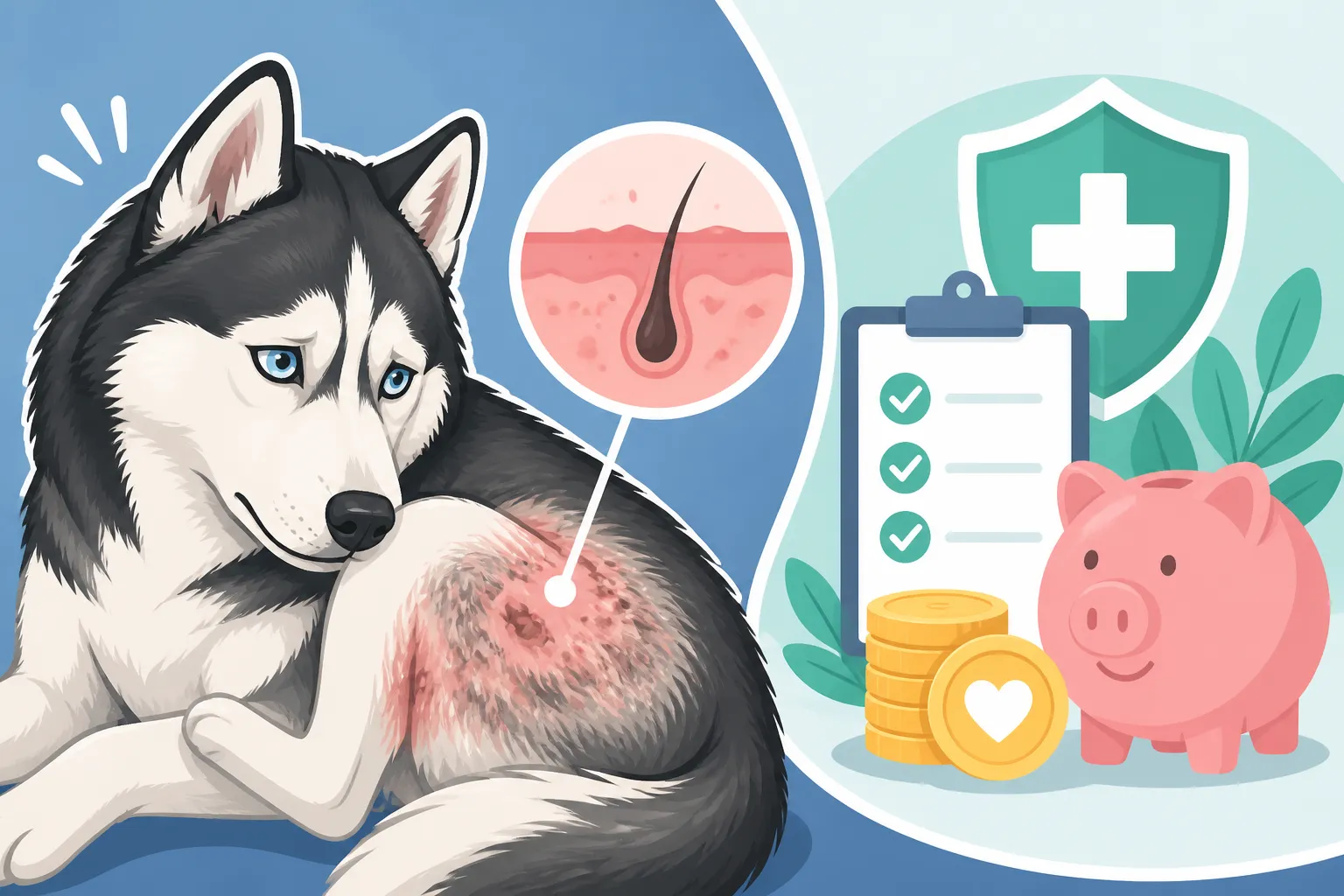
Treating Husky Zinc Dermatosis as a Standing Bill
It’s a truly disheartening experience to see your beautiful Siberian Husky develop dry, crusty, and inflamed skin, especially around their eyes, muzzle, and paw pads. What often starts as a small concern can quickly escalate into a persistent, uncomfortable condition known as zinc-responsive dermatosis, leaving many owners feeling frustrated and financially drained. This guide will walk you through understanding this unique Husky health challenge, the ongoing costs associated with managing it, and practical strategies to keep your furry friend healthy without breaking the bank.
Understanding Siberian Husky Zinc Dermatosis
Zinc-responsive dermatosis in Siberian Huskies isn't just a simple skin rash; it's a specific metabolic disorder that uniquely affects this breed. While zinc is a vital mineral for countless bodily functions, especially skin health, immune response, and wound healing, Huskies often struggle to absorb it efficiently from their diet. This isn't about feeding a "bad" diet; it's about a genetic quirk that means their bodies can't utilize the zinc they do consume.
What is Zinc-Responsive Dermatosis?
At its core, zinc-responsive dermatosis is a condition where a dog's body, despite getting enough zinc in its food, can't properly absorb or metabolize it. This leads to a functional zinc deficiency at a cellular level, even if blood tests might show normal or slightly low zinc levels. The skin, being the largest organ, is often the first and most visibly affected. You'll typically see distinct lesions, which are often symmetrical and develop in specific areas.
The symptoms usually involve patches of thickened, crusty, and sometimes painful skin. These lesions can be dry and flaky, or they might become moist and infected if bacteria or yeast take advantage of the compromised skin barrier. It’s not just a cosmetic issue; it can be incredibly itchy and uncomfortable for your dog, leading to scratching, rubbing, and further irritation. Without proper treatment, these areas can become severely inflamed, cracked, and prone to secondary infections, making your Husky miserable and impacting their overall quality of life.
Why Siberian Huskies Are Prone
Siberian Huskies, along with a few other northern breeds like Alaskan Malamutes, are genetically predisposed to this particular type of zinc malabsorption. It's often referred to as a "syndrome" because it encompasses a range of clinical signs tied to this metabolic inefficiency. Unlike other dogs who might become zinc deficient due to extremely poor diets, Huskies often develop this even on premium, balanced foods. Their bodies simply have an inherent difficulty processing zinc, making it a frustrating puzzle for owners and vets alike.
There appear to be at least two main types of zinc-responsive dermatosis recognized in dogs. Type I, which primarily affects Siberian Huskies and Malamutes, is thought to be an inherited defect in zinc absorption from the gut. This means no matter how much zinc is in their food, a significant portion just isn't making it into their system where it's needed. This genetic predisposition means that if you own a Husky, this is a condition you should always be aware of, even if your dog is currently healthy. Understanding that this isn't due to owner neglect or a "cheap" diet helps alleviate guilt and focuses efforts on the correct treatment path. You can dive deeper into Why Siberian Huskies Absorb Zinc Poorly to understand the scientific mechanisms behind this unique metabolic challenge.
Early Signs and Diagnosis
Catching zinc dermatosis early can make a world of difference for your Husky's comfort and your peace of mind. The earliest signs usually manifest as crusting, scaling, and hair loss around the eyes, muzzle, and chin. You might notice their lips becoming thickened or cracked. As the condition progresses, similar lesions can appear on the paw pads, ears, and around the genitals. These areas can look dry, greyish, and feel rough to the touch. In more severe cases, the paw pads can become painfully cracked, making walking difficult and causing lameness.
Diagnosing zinc-responsive dermatosis typically involves a combination of clinical signs, a thorough physical examination, and diagnostic tests. Your vet might suggest a skin biopsy, where a small tissue sample is taken and examined under a microscope. The specific changes seen in the skin cells are often characteristic of zinc deficiency. While blood tests for zinc levels can be helpful, they aren't always definitive for Huskies, as their issue is often malabsorption rather than absolute dietary deficiency. Sometimes, a "therapeutic trial" – giving zinc supplements and observing improvement – is also used to confirm the diagnosis. Recognizing the Crusting Skin on a Siberian Husky's Face is often the first critical step in addressing this issue effectively. Early intervention is crucial to prevent secondary infections and widespread discomfort.
The Ongoing Financial Reality of Managing Zinc Dermatosis
When you receive a diagnosis of zinc-responsive dermatosis for your Siberian Husky, it's natural to feel a mix of relief (finally, an answer!) and apprehension about what comes next. Unlike a one-off illness that you treat and then forget, this condition is typically lifelong. This means the associated costs become a "standing bill" in your household budget, requiring consistent financial planning. It's not just the initial diagnosis; it's the continuous management, monitoring, and addressing potential flare-ups that really add up.
Initial Diagnostic Costs
The journey to a diagnosis often begins with several vet visits, especially if the symptoms are non-specific or mimic other skin conditions. Each consultation incurs a fee, which can range from $60 to $150 or more depending on your location and veterinary clinic. Given that skin issues can be tricky, your vet might recommend various tests to rule out allergies, mites, or fungal infections, before even considering zinc dermatosis. These tests could include skin scrapes, fungal cultures, and general blood work, each adding to the bill.
The most definitive diagnostic tool is often a skin biopsy. This procedure requires sedation or general anesthesia, depending on your dog's temperament and the lesion location. The cost for a biopsy can range from $200 to $500, which typically includes the sedation, the procedure itself, and the pathology lab fees to analyze the tissue. In addition, some vets might opt for specific blood tests to measure zinc levels, although, as mentioned, these aren't always conclusive for Huskies. All these initial steps are necessary to get a clear picture, but they represent a significant upfront investment before ongoing treatment even begins. For a general overview of where vet money goes, you might find insight in our guide on Where a Siberian Husky's Vet Money Actually Goes.
Lifelong Supplementation Costs
Once diagnosed, the primary treatment for zinc-responsive dermatosis is lifelong zinc supplementation. This isn't a temporary fix; your Husky will likely need zinc supplements every single day for the rest of their life. The type of zinc, dosage, and frequency will be determined by your veterinarian, often involving some trial and error to find the optimal regimen for your individual dog.
The cost of these supplements can vary significantly. Generic zinc sulfate tablets are often the most affordable, but some Huskies respond better to chelated forms like zinc picolinate or zinc methionine, which are thought to be more bioavailable. These specialized forms can be more expensive. A typical monthly supply could range from $15 to $50, sometimes more for larger Huskies or specific formulations. While this might not seem like a huge expense on its own, when you project this over the lifespan of a Siberian Husky, which can be 12-14 years or more, it becomes a substantial standing bill. Over a decade, you could easily be looking at $1,800 to $6,000+ just for supplements. It's important to understand that Whether a Husky Needs Zinc for Life is a critical consideration for long-term budgeting.
Managing Flare-Ups and Secondary Infections
Even with consistent supplementation, some Huskies might experience occasional flare-ups, especially during times of stress, illness, or if their absorption fluctuates. These flare-ups often require additional veterinary attention. The inflamed skin is a perfect breeding ground for bacteria and yeast, leading to secondary infections that need immediate treatment.
A vet visit for a flare-up might involve another consultation fee, skin cytology (to check for bacteria or yeast), and prescriptions for antibiotics, antifungals, or medicated shampoos and topical creams. A course of antibiotics can cost anywhere from $30 to $100, and specialty shampoos or ointments can add another $20 to $50 per item. In severe cases, pain medication might be necessary. Each secondary infection adds an unplanned expense, turning the "standing bill" into an unpredictable one. Being prepared for these possibilities, both emotionally and financially, is key to providing consistent care. Our detailed guide on Zinc Supplement Costs for a Siberian Husky breaks down these recurring expenses further.
Supplementation Strategies and Their Costs
Managing zinc-responsive dermatosis effectively relies heavily on consistent and appropriate zinc supplementation. It’s not a one-size-fits-all approach, and what works for one Husky might not be ideal for another. Understanding the different forms of zinc and how they interact with your dog’s unique metabolism is key to long-term success and cost management.
Types of Zinc Supplements
When it comes to zinc supplements for dogs, you'll encounter a few common forms, each with varying absorption rates and price points. The most widely used are:
- Zinc Sulfate: This is often the most readily available and cheapest form of zinc. It’s effective for many dogs and can be a good starting point. However, it can sometimes cause gastrointestinal upset in sensitive dogs, and its absorption might not be as efficient as chelated forms for Huskies with severe malabsorption issues. You can usually find a large bottle of human-grade zinc sulfate (which can be safely dosed for dogs under vet guidance) for a relatively low cost.
- Zinc Picolinate: Considered a chelated form, where zinc is bound to picolinic acid, which is thought to enhance absorption. Many owners and vets find this form to be very effective with fewer side effects. It’s generally more expensive than zinc sulfate but might be worth the investment if your Husky doesn't respond well to the cheaper alternatives or experiences digestive upset.
- Zinc Methionine: Another chelated form, where zinc is bound to the amino acid methionine. This is often found in higher-end veterinary supplements specifically formulated for pets. It’s typically well-absorbed and well-tolerated. Brands like Zymox (though primarily for skin issues, they have some supplements) or other veterinary-specific brands might offer this form. It usually sits at the higher end of the price spectrum.
Choosing the right type is a discussion you'll have with your vet, balancing effectiveness, potential side effects, and your budget. Sometimes, starting with a cheaper option and escalating if needed is a sensible approach. Many owners find their preferred brands and stock up on sites like Chewy, which often have competitive pricing and auto-ship options for regular needs.
Finding the Right Dosage
Determining the correct dosage for your Husky is crucial, and it’s almost always a process of careful trial and error under veterinary supervision. The goal is to provide enough zinc to alleviate symptoms without causing toxicity, which can be just as problematic as deficiency. Your vet will typically start with a specific dose, often a relatively high one initially, and then adjust it based on your dog's response and any side effects.
Dosages are usually given in milligrams (mg) per day, sometimes split between two meals. For example, a common starting dose for a Siberian Husky might be around 2-3 mg of elemental zinc per kilogram of body weight, but this can vary widely. It’s incredibly important to never self-dose without veterinary guidance, as too much zinc can lead to copper deficiency and other serious health problems. Symptoms of zinc toxicity can include vomiting, diarrhea, and anemia. Therefore, regular monitoring, possibly including follow-up blood work to check zinc and copper levels, is part of the ongoing management. This constant fine-tuning is part of why managing this condition is a long-term commitment. You can learn more about Zinc Doses Used in Siberian Huskies for a better understanding of typical regimens.
Dietary Considerations and Zinc Absorption
While zinc supplementation is the cornerstone of treatment for Huskies, diet can play a supportive role, though it rarely solves the malabsorption issue on its own. It’s a common misconception that simply feeding a "zinc-rich" diet will fix the problem. Unfortunately, for Huskies with genetic malabsorption, it's not the amount of zinc in the food that's the issue, but rather their body's inability to extract and use it. This is why Why a Balanced Diet Does Not Fix Husky Zinc Loss is a crucial concept for Husky owners to grasp.
However, certain dietary factors can either enhance or inhibit zinc absorption. Foods high in phytates (found in grains and legumes) or calcium can interfere with zinc uptake, so your vet might recommend avoiding excessive amounts of these. Conversely, certain proteins might aid absorption. Some owners explore fresh food diets, like those offered by Ollie, as they believe the bioavailability of nutrients might be higher, but supplements will almost certainly still be required. Regardless of the diet, always administer zinc supplements separately from meals or with specific foods as advised by your vet to maximize absorption and minimize interaction with other dietary components. Choosing the right kind of diet and understanding its role can be part of Diet Changes That Help Husky Zinc Absorption.
Minimizing Costs Without Compromising Care
The ongoing nature of zinc-responsive dermatosis means that finding ways to manage expenses without sacrificing your Husky's well-being is a constant balancing act. Luckily, there are smart strategies you can employ to make this "standing bill" more manageable over the years.
Bulk Purchasing and Online Pharmacies
One of the most effective ways to reduce the cost of lifelong zinc supplementation is through smart purchasing. Buying supplements in larger quantities often results in a lower per-dose price. Many online pet pharmacies and retailers offer bulk discounts, especially for common supplements. For instance, reputable online stores like Chewy not only provide a wide selection of zinc supplements, including various chelated forms, but also offer auto-ship options that can come with a percentage discount and ensure you never run out.
Before committing to a large purchase, always verify with your vet that the specific brand and formulation are appropriate for your Husky. Read reviews, check expiration dates, and ensure the supplier is reputable. While human-grade zinc supplements are often used for dogs (again, under vet guidance), comparing prices between human and pet-specific options can also yield savings. However, always prioritize quality and effectiveness over the absolute lowest price, as inconsistent or ineffective supplements will only lead to more vet visits and discomfort for your dog in the long run.
Pet Insurance Considerations
When facing a lifelong condition like zinc-responsive dermatosis, pet insurance can seem like a godsend. However, it’s crucial to understand how these policies typically work, especially concerning pre-existing conditions. Most pet insurance plans, including popular providers like Healthy Paws, will not cover conditions that were diagnosed before your policy's waiting period or enrollment. This means if your Husky is already diagnosed with zinc dermatosis, it will likely be considered a pre-existing condition and excluded from coverage.
This doesn't mean pet insurance is useless for a Husky with zinc dermatosis. If you enroll a puppy or a young adult Husky before any signs of the condition appear, and before diagnosis, future costs associated with its treatment could be covered, depending on the policy. Even if zinc dermatosis isn't covered, pet insurance can still be invaluable for other unexpected illnesses or accidents that might arise over your Husky's lifespan. It's always wise to research different plans, understand their clauses regarding chronic conditions and pre-existing ailments, and consider enrolling your Husky when they are young and healthy. Our guide on Siberian Husky Pet Insurance and the Eye Clause offers more insights into navigating pet insurance for specific Husky health concerns.
Preventative Care and Early Intervention
Preventative care might sound counterintuitive for a genetic condition, but it plays a significant role in minimizing the severity and cost of flare-ups. Regular, thorough grooming can help you spot early signs of skin changes, crusting, or irritation before they escalate into painful, infected lesions requiring extensive veterinary intervention. Pay close attention to the typical areas: around the eyes, muzzle, ears, and paw pads.
Maintaining your Husky's overall health through a high-quality diet (even if supplements are needed), appropriate exercise, and a stress-free environment can also contribute to a stronger immune system and healthier skin, potentially reducing the frequency or intensity of flare-ups. Regular vet check-ups, even when your Husky seems fine, allow your veterinarian to monitor their skin condition, adjust zinc dosages if needed, and catch any subtle changes that might indicate an impending issue. Early intervention with a slight dosage adjustment or a topical treatment at the first sign of trouble can often prevent the need for costly antibiotics and emergency visits later on. For insights into initial health screenings, consider reading Health Testing Before You Buy a Siberian Husky, as early knowledge can sometimes help you prepare.
Living with a Husky with Zinc Dermatosis: Daily Life and Budgeting
Living with a Siberian Husky is already an adventure, but adding a chronic condition like zinc-responsive dermatosis adds another layer of responsibility and care. It becomes part of your daily routine and a consistent line item in your budget, emphasizing the need for both unwavering commitment and smart financial planning.
Incorporating Zinc into Daily Routine
Consistency is absolutely paramount when it comes to zinc supplementation. Missing doses can lead to a return of symptoms and prolong discomfort for your Husky. The best way to ensure consistency is to integrate the supplement seamlessly into your dog's daily routine. Many owners find success by giving the supplement with a small, highly palatable treat, or crushing it and mixing it into a tiny portion of their favorite wet food. Some even use a pill pocket or wrap it in a bit of cheese or peanut butter.
Establishing a consistent time each day – perhaps with breakfast or dinner – helps ensure it becomes a habit that's hard to forget. Setting a reminder on your phone or using a pill organizer can also be helpful, especially if your Husky is on multiple medications. Remember, this isn't a temporary course of treatment; it's a permanent part of their care. Making it as stress-free as possible for both you and your Husky will contribute significantly to their long-term health and your peace of mind.
The Importance of Regular Vet Check-ups
Even once your Husky's zinc dermatosis is well-controlled with supplements, regular veterinary check-ups remain critical. These aren't just for general wellness; they are specifically important for monitoring the effectiveness of the zinc therapy and your dog's overall health. Your vet will assess their skin condition, look for any new lesions or signs of irritation, and may recommend periodic blood work to check zinc and copper levels. This helps ensure the dosage is still optimal and prevents accidental toxicity.
These routine appointments allow your vet to adjust the dosage as needed based on your Husky's age, weight changes, or any new health issues that might arise. They can also catch potential secondary infections early, before they become severe and more expensive to treat. Think of these check-ups as essential maintenance appointments that safeguard your Husky's comfort and health, ultimately preventing more serious and costly problems down the line. Managing chronic conditions, even for older dogs, is a key aspect of Caring for a Siberian Husky Past Ten.
Budgeting for a Chronic Condition
Accepting that zinc dermatosis represents a "standing bill" is the first step in effective financial planning. This means actively incorporating the costs of supplements, regular vet visits, and potential flare-up treatments into your monthly or annual budget.
Here’s a practical approach:
- Estimate Monthly Supplement Costs: Based on the type and dosage of zinc your vet recommends, calculate the average monthly cost.
- Factor in Routine Vet Visits: While general wellness visits are usually annual, your vet might recommend more frequent check-ups (e.g., twice a year) for chronic conditions. Budget for these consultation fees and any routine blood work.
- Create an "Emergency Fund" for Flare-Ups: Since flare-ups and secondary infections are a possibility, setting aside a small amount each month into a dedicated "Husky health" savings account can make these unexpected expenses less stressful. Even $20-$50 a month can quickly add up to cover a sudden vet visit or a course of antibiotics.
- Explore Discount Programs: Ask your vet if they offer any loyalty programs or discounts for chronic medication. Look for online pharmacies (like Chewy) that provide auto-ship discounts.
Proactive budgeting helps reduce the financial strain and ensures that your beloved Siberian Husky consistently receives the care they need without compromise. It's about being prepared, not just reacting to expenses as they arise.
Alternative and Complementary Approaches
While zinc supplementation is the cornerstone for managing zinc-responsive dermatosis in Siberian Huskies, some owners explore alternative and complementary approaches to further support skin health and overall well-being. It's crucial to remember that these should complement vet-prescribed zinc therapy, not replace it, and always be discussed with your veterinarian first.
High-Quality Diets and Zinc-Rich Foods
As discussed, simply feeding a "zinc-rich" diet rarely solves the malabsorption issue in Huskies. Their genetic predisposition means they struggle to absorb zinc regardless of intake. However, feeding a high-quality, easily digestible diet can still play a supportive role in overall skin health. A diet that minimizes ingredients known to cause sensitivities and maximizes bioavailability of other nutrients can help bolster the skin barrier and immune system.
Some owners opt for fresh food diets, like those offered by Ollie, believing that the minimally processed nature of the food might improve nutrient absorption generally, even if specific zinc malabsorption still needs direct supplementation. These diets can be more expensive but might provide other health benefits. When considering such changes, focus on diets that avoid excessive calcium or phytates, which can further inhibit zinc absorption. Always consult your vet before making significant dietary changes, especially if your Husky is on medication. For more information on feeding choices, consider our article on Monthly Food Spend for an An Adult Siberian Husky.
Topical Treatments and Skin Support
Beyond internal supplementation, managing the external symptoms of zinc dermatosis can significantly improve your Husky's comfort. Topical treatments can help soothe inflamed skin, reduce itching, and treat secondary infections.
- Medicated Shampoos: Your vet might prescribe or recommend specific shampoos containing ingredients like chlorhexidine (for bacterial infections), miconazole (for yeast), or soothing oatmeal. Regular bathing with these shampoos, as directed, can help clean the skin, remove crusts, and manage microbial overgrowth.
- Emollients and Moisturizers: Dry, cracked skin benefits immensely from moisturizing. Products containing ceramides or fatty acids can help restore the skin barrier. Brands like Douxo or Zymox (which has a line of skin care products) offer various topical solutions, gels, and sprays that can be applied to affected areas. These can help alleviate discomfort and prevent further cracking, especially on paw pads and the muzzle.
- Antipruritic Sprays: For Huskies experiencing significant itching, your vet might suggest sprays to reduce discomfort and prevent self-mutilation from scratching.
The key is gentle application and adherence to your vet's instructions, ensuring that these external treatments support the internal work of the zinc supplements.
The Role of Environment
While not a direct treatment, the environment your Husky lives in can indirectly impact their skin health and comfort, especially when dealing with a chronic condition like zinc dermatosis.
- Cleanliness: A clean living environment can reduce exposure to allergens and irritants that might exacerbate skin issues. Regularly washing bedding and keeping grooming tools clean are simple but effective steps.
- Humidity: In dry climates, a humidifier in your home might provide some relief for dry, flaky skin, although this is more of a comfort measure than a treatment.
- Stress Reduction: Stress can impact a dog's immune system and overall health, potentially leading to flare-ups of existing conditions. Ensuring your Husky has a consistent routine, plenty of exercise, and a calm home environment can contribute to their overall well-being. This includes managing situations that might cause anxiety, such as excessive alone time or lack of mental stimulation.
By combining consistent veterinary care and supplementation with supportive environmental management, you can provide the most comprehensive care for your Siberian Husky with zinc-responsive dermatosis.
| Zinc Supplement Type | Typical Bioavailability | Potential Side Effects | Cost (Approx. monthly) | Pros | Cons |
|---|---|---|---|---|---|
| Zinc Sulfate | Moderate | GI upset | $15 – $30 | Most affordable, widely available | Can cause stomach upset, lower absorption for some Huskies |
| Zinc Picolinate | High | Rare GI upset | $25 – $50 | Better absorption, well-tolerated | More expensive |
| Zinc Methionine | High | Rare GI upset | $30 – $60+ | Excellent absorption, often found in pet-specific formulas | Most expensive, may require vet prescription for specific brands |
Disclaimer
This guide is intended for informational purposes only and should not be taken as professional veterinary advice. Always consult with a qualified veterinarian for any health concerns or before making any decisions regarding your Siberian Husky's care, diet, or medication.