A Red Painful Eye in a Siberian Husky
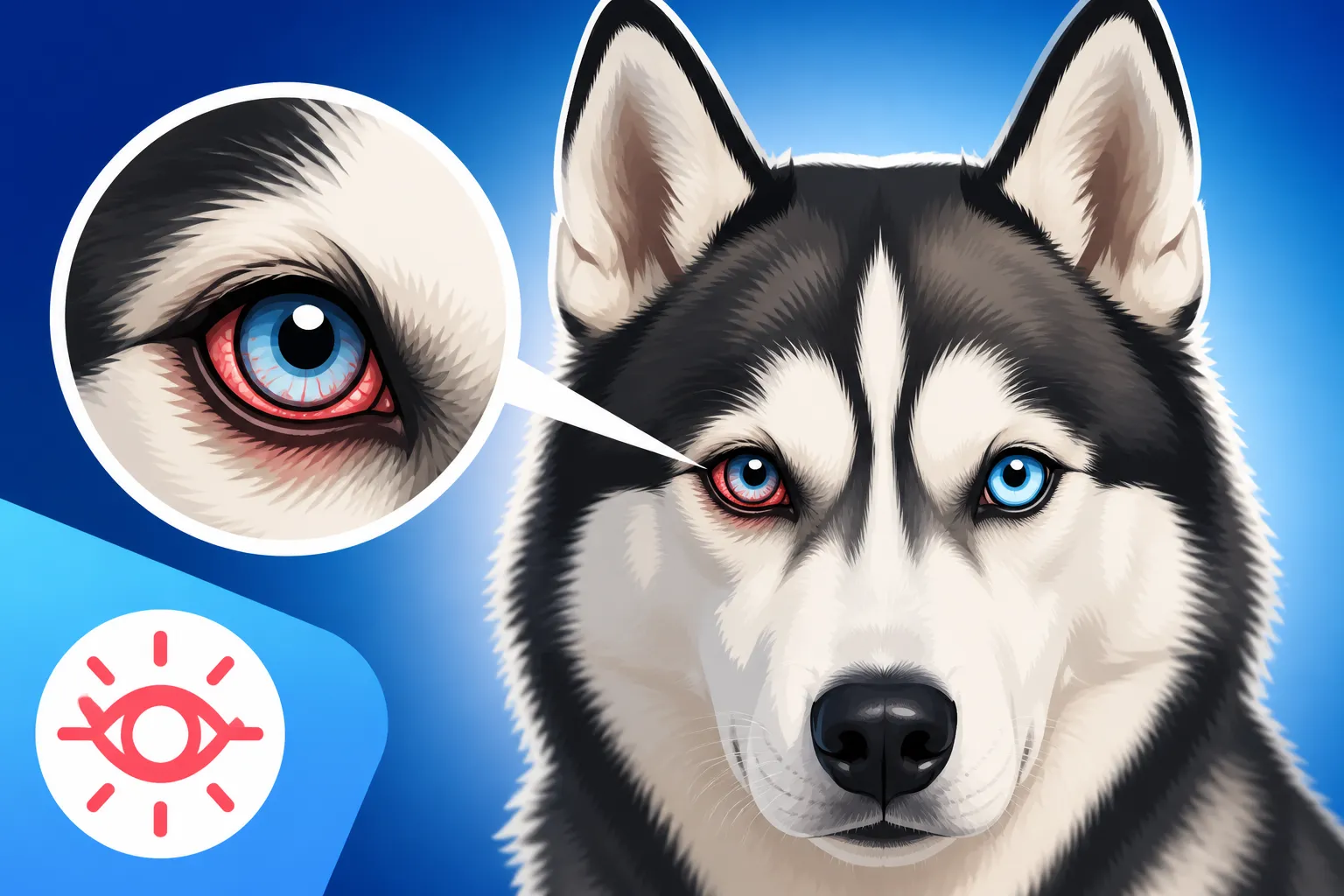
Few things are quite as alarming as looking into your beloved Siberian Husky's beautiful eyes and seeing one suddenly bloodshot, swollen, and clearly causing them discomfort. That moment of panic, wondering if their vision is at risk or if it's something truly serious, is a feeling no Husky owner wants to experience. This guide is here to walk you through the various reasons your Siberian Husky might develop a red, painful eye, what you need to do immediately, and how veterinarians approach diagnosis and treatment to protect your dog's sight and comfort.
Understanding Why a Siberian Husky's Eye Might Turn Red and Painful
When a Siberian Husky's eye turns red and seems painful, it's a clear signal that something is amiss. Their eyes are not only expressive but also quite sensitive, and redness coupled with pain often indicates an underlying issue that needs prompt attention. While some causes might be relatively minor, others can be truly sight-threatening emergencies.
Common, Less Severe Causes
Sometimes, a red eye isn't a full-blown crisis, but it still warrants observation and often, veterinary advice. These are the kinds of issues that can make an eye look irritated and cause mild discomfort, but typically aren't immediately vision-threatening if addressed.
One of the most frequent culprits is conjunctivitis, often simply called "pink eye." This is an inflammation of the conjunctiva, the clear membrane that lines the inside of the eyelids and covers the white part of the eyeball. In Huskies, it can be triggered by anything from environmental irritants like dust, pollen, or smoke, to bacterial or viral infections. You might notice discharge (clear, watery, or thick and yellowish-green), blinking, squinting, or pawing at the eye. While it can be uncomfortable, bacterial conjunctivitis usually responds well to antibiotic eye drops, and viral forms often resolve on their own with supportive care. Allergies can also manifest as conjunctivitis, making your Husky's eyes itchy, red, and watery, especially during certain seasons.
Another common scenario involves a simple foreign body that hasn't caused significant damage yet. A speck of dirt, a stray piece of hair from their own glorious double coat, or even a tiny plant awn can get lodged in the eye, irritating the surface and leading to redness and tearing. Huskies, with their adventurous spirits and love for digging and exploring, are particularly prone to getting things in their eyes. Sometimes, simply flushing the eye gently with saline solution can dislodge it, but if the irritation persists or the eye remains painful, it's best to let a vet check for deeper scratches or embedded debris.
Urgent, More Serious Conditions
While the less severe issues are common, it's crucial to be aware of the more serious conditions that present with a red, painful eye, as these often require immediate veterinary intervention to save vision. Ignoring these can have devastating consequences.
Perhaps one of the most frightening eye emergencies is glaucoma. This condition involves increased pressure inside the eye, which can rapidly damage the optic nerve and lead to irreversible blindness. Glaucoma is often agonizingly painful for the dog, making the eye appear very red, swollen, and sometimes cloudy. Your Husky might be rubbing their eye excessively, squinting, or even showing signs of lethargy due to the intense pain. Siberian Huskies are actually predisposed to certain types of glaucoma, so if you suspect this, don't delay – get to an emergency vet now. If you notice your Siberian Husky is exhibiting Siberian Husky Eye Pain and Sudden Squinting, it could be a sign of glaucoma or another serious issue. Rapid diagnosis and treatment are absolutely critical for Saving Sight in a Siberian Husky Glaucoma Case.
Uveitis is another serious condition that presents with a red and painful eye. This is an inflammation of the uvea, the middle layer of the eye, which includes the iris (the colored part), the ciliary body, and the choroid. Uveitis can be caused by infections, autoimmune diseases, trauma, or even certain cancers. In addition to redness and pain, you might notice a constricted pupil, cloudiness in the front of the eye, and light sensitivity. Siberian Huskies can be susceptible to a severe autoimmune form of uveitis known as Uveodermatologic Syndrome, which can affect the skin and coat in addition to the eyes. This condition, discussed further in Uveodermatologic Syndrome and the Siberian Husky, demands aggressive and immediate treatment to prevent severe complications, including blindness.
Finally, corneal ulcers are incredibly painful and also cause redness. A corneal ulcer is essentially an open sore on the clear outer surface of the eye (the cornea). These can result from trauma (like a scratch from a branch or another animal), foreign bodies, chemical irritants, or even severe dry eye. Huskies with their playful, active natures are certainly at risk for accidental corneal abrasions. An ulcer makes the eye look red, watery, and very painful, often accompanied by significant squinting and sensitivity to light. If left untreated, ulcers can deepen, become infected, or even rupture the eyeball, so prompt veterinary care is essential. Sometimes, you might even notice a cloudy area over the ulcer itself. While some corneal conditions like Corneal Dystrophy in the Siberian Husky are typically not painful and don't require urgent treatment, an ulcer is a different story entirely.
What to Do Immediately When You Spot a Red, Painful Eye
Discovering that your Siberian Husky has a red, painful eye can be truly frightening. Your immediate actions can make a big difference in the outcome, especially if it's a serious condition. The key is to act calmly, assess the situation as best you can, and prioritize getting professional help.
Initial Assessment at Home
Before you rush out the door, take a moment to gently observe your Husky. This isn't about diagnosing them yourself, but rather gathering information that will be vital for your veterinarian. Try to get them into a well-lit area, perhaps with a treat or a calming voice, to allow you a closer look.
First, observe the degree of redness. Is it just the white part of the eye that's a little pink, or is the entire eye bloodshot, almost beet-red? Is there any swelling around the eye or of the eyelid itself? Next, check for any discharge. Is it clear and watery, yellow, green, or thick and pus-like? Does your Husky seem sensitive to light, squinting more in brighter rooms? Note if they are pawing at the eye, rubbing their face on the carpet, or showing any signs of pain like whining or withdrawing. If you can, try to gently open the eyelids to see if there's an obvious foreign object visible, but do not attempt to remove anything embedded. This gentle visual check can help you explain the situation clearly to your vet.
What you should not do is equally important. Avoid trying to medicate the eye with anything you have on hand, whether it's an old prescription for yourself, another pet, or even over-the-counter human eye drops like Visine. Many human eye drops contain vasoconstrictors that can temporarily reduce redness but do nothing to address the underlying cause and can even be harmful in certain situations, especially with corneal ulcers. Similarly, do not try to forcibly remove any object from the eye, as you could cause more damage. Your goal at home is observation, comfort, and preparation for the vet. You can apply a cool, damp compress to the area around the eye if it seems swollen and your Husky tolerates it, but avoid pressing directly on the eyeball.
The Importance of Immediate Veterinary Care
Let's be absolutely clear: a red, painful eye in a Siberian Husky is almost always an emergency, or at the very least, an urgent situation that requires veterinary attention immediately. Eye conditions can deteriorate rapidly, and delays in treatment can lead to irreversible vision loss, chronic pain, or even the loss of the eye itself. This isn't like a limping leg that might get better with rest; eye problems are often progressive and time-sensitive.
As soon as you notice a red, painful eye, call your regular veterinarian. Explain the symptoms clearly. They will likely advise you to bring your Husky in as an emergency appointment. If it's after hours or on a weekend, you'll need to contact an emergency veterinary clinic. Don't wait until the next business day. Conditions like glaucoma can cause permanent blindness within hours if not treated. Being prepared for what a vet checks in a Husky's eye can help you understand the process. The thoroughness of a vet visit for eye issues is something that all Siberian Husky owners should understand, as it's a critical part of maintaining their overall health, as outlined in Siberian Husky Eye Disease and the Annual Exam.
When you call, be ready to describe what you've observed: when it started, how quickly it progressed, any discharge, whether your Husky is rubbing it, and any other symptoms they might be showing. The more information you can provide, the better equipped the veterinary team will be to prepare for your arrival and prioritize care. Remember, they are there to help, and their expertise is invaluable in protecting your Husky's precious eyesight. Even a seemingly minor irritation can quickly escalate into a severe problem, so it's always best to err on the side of caution.
Diagnosing and Treating Eye Conditions in Siberian Huskies
Once you've rushed your Siberian Husky to the vet, a thorough examination will be performed to pinpoint the exact cause of their discomfort. Eye problems require specific diagnostic tools and a tailored treatment plan, often differing significantly from other types of ailments.
Veterinary Diagnostic Tools
Veterinarians, especially those specializing in ophthalmology, have a range of tools at their disposal to accurately diagnose eye conditions. When your Husky comes in with a red, painful eye, they won't just glance at it; they'll perform a systematic series of tests.
One of the first tests is often a fluorescein stain test. This involves applying an orange dye to the surface of the eye. If there's an abrasion or ulcer on the cornea, the dye will stick to the damaged area and glow bright green under a special blue light, making even tiny scratches visible. This is a quick and painless test but incredibly effective at detecting corneal ulcers, which are a common cause of pain and redness.
Another critical test, especially if glaucoma is suspected, is tonometry. This measures the intraocular pressure (IOP) inside the eye. A small, specialized instrument, often a TonoPen or iCare Tonometer, is gently tapped against the surface of the numbed eye. This test is crucial because elevated IOP is the hallmark of glaucoma. The veterinarian will be looking for specific Glaucoma Pressure Readings in a Siberian Husky to determine if pressure is indeed a problem.
The vet will also use an ophthalmoscope to examine the internal structures of the eye, looking for signs of inflammation, bleeding, or other abnormalities. They might also use a slit lamp biomicroscope to get a magnified, detailed view of the cornea, iris, and lens. This can reveal subtle changes indicative of uveitis, cataracts, or other conditions. In some cases, a Schirmer tear test might be performed to check for dry eye, as inadequate tear production can lead to corneal irritation and ulcers. Finally, depending on the suspected cause, the vet might take samples for cytology (looking at cells under a microscope) or bacterial culture to identify infections. Understanding What an Ophthalmologist Checks in a Siberian Husky provides insight into the thoroughness required for eye health.
Treatment Approaches for Different Eye Issues
Once a diagnosis is made, your veterinarian will develop a treatment plan tailored to your Husky's specific condition. Treatments can range from simple topical medications to complex surgical procedures.
For conjunctivitis or minor irritation, treatment typically involves topical eye drops or ointments. If it's bacterial, antibiotics will be prescribed. If allergies are the cause, antihistamine drops might be used, alongside efforts to minimize exposure to allergens. In cases of very mild irritation, a veterinarian might simply prescribe an anti-inflammatory drop to reduce swelling and discomfort.
When a corneal ulcer is diagnosed, the goal is to promote healing and prevent infection. This usually involves a combination of antibiotic eye drops, pain medication (topical and/or oral), and sometimes atropine drops to dilate the pupil and reduce spasms, which helps alleviate pain. In severe or non-healing ulcers, surgical intervention might be necessary, such as a grid keratotomy or a conjunctival flap, to encourage healing.
Glaucoma is a true emergency and requires aggressive treatment to lower intraocular pressure as quickly as possible. Medications, both topical and oral, are often used to reduce fluid production within the eye or increase fluid drainage. This can include drugs like dorzolamide, timolol, or latanoprost. In some cases, if medical management isn't sufficient or if the glaucoma is advanced, surgical options like laser cyclophotocoagulation or even eye removal (enucleation) might be considered to alleviate pain, especially if the eye is already blind.
For uveitis, the primary treatment involves anti-inflammatory medications. Topical corticosteroids are commonly used to reduce inflammation within the eye. Oral anti-inflammatory drugs might also be prescribed, especially if the uveitis is severe or linked to a systemic condition. If an underlying infection is identified, specific antimicrobial treatments will also be administered. Autoimmune forms of uveitis, like those seen in some Huskies, may require long-term immunosuppressive therapy to manage the condition. Keeping an eye on costs for such specialized care, especially concerning Immunosuppressant Costs in a Husky Uveitis Case, is important for owners.
| Eye Condition | Key Symptoms (beyond red, painful eye) | Common Diagnostic Tests | Typical Treatment Approach | Urgency Level |
|---|---|---|---|---|
| Conjunctivitis | Discharge (clear, yellow, green), mild swelling | Visual exam, cytology (rarely) | Antibiotic drops/ointment, anti-inflammatory drops, allergy meds | Moderate |
| Foreign Body | Tearing, blinking, pawing, visible object (sometimes) | Visual exam, fluorescein stain | Removal, antibiotic drops | High |
| Corneal Ulcer | Squinting, discharge, cloudy spot on cornea, light sensitivity | Fluorescein stain | Antibiotic drops, pain meds, atropine drops, surgery (severe cases) | High |
| Glaucoma | Eye swollen, cloudy, dilated pupil, intense pain, lethargy | Tonometry, visual exam | Emergency pressure-lowering meds (topical/oral), surgery (if severe) | CRITICAL |
| Uveitis | Constricted pupil, cloudy eye, light sensitivity, systemic illness signs | Slit lamp exam, ophthalmoscopy, bloodwork | Anti-inflammatory meds (topical/oral), antibiotics (if infection), surgery (rarely) | High |
Long-Term Management and Prevention
Caring for a Siberian Husky's eyes isn't just about reacting to emergencies; it's about proactive care and being prepared for potential issues. Long-term management involves both preventive measures and understanding the financial aspects of ongoing care.
Preventing Future Eye Problems
While you can't prevent every eye issue, there are definite steps you can take to minimize risks and catch problems early. Regular veterinary check-ups are paramount. This should include an annual eye exam as part of their general wellness visit. For Huskies, especially, yearly eye exams with a veterinary ophthalmologist are often recommended due to their breed's predisposition to certain genetic eye conditions. You can read more about why this is so important in Why a Siberian Husky Needs an Eye Exam Every Year. These specialized exams can catch subtle changes before they become serious problems.
Beyond professional exams, daily vigilance is key. Take a moment each day to look closely at your Husky's eyes. Are they clear and bright? Is there any redness, discharge, or cloudiness? Are they blinking normally? Are the pupils equal in size? Early detection of any changes can lead to quicker treatment and a better prognosis.
Consider their environment. If your Husky spends a lot of time outside, especially in dusty or brushy areas, keep their face clear of excessive hair that could irritate their eyes. After adventures, a quick check of their eyes for debris can be beneficial. If you live in an area with harsh winds or lots of pollen, discuss with your vet whether protective eyewear (like dog goggles) might be appropriate for specific activities. Make sure their living environment is clean, and avoid exposing them to irritating fumes from cleaning products, smoke, or excessive dust.
Financial Considerations and Pet Insurance
Eye emergencies and long-term treatment for chronic eye conditions can be expensive. A single emergency vet visit for a red, painful eye could easily run into hundreds of dollars, and if surgery or long-term medication is required, costs can quickly climb into the thousands. For example, What a Siberian Husky's Eye Care Costs Over a Lifetime can be substantial, especially if they develop a chronic condition.
This is where pet insurance can be an absolute lifesaver. Many owners find that having a good pet insurance plan provides peace of mind and allows them to make medical decisions based on what's best for their Husky, rather than being solely driven by cost. Companies like Healthy Paws offer comprehensive plans that can cover a significant portion of emergency visits, diagnostics, medications, and even specialized surgeries for unexpected illnesses and accidents. It’s always wise to enroll your Husky when they are young and healthy, as most policies have waiting periods and pre-existing conditions are typically not covered. If you're looking into coverage, understanding Siberian Husky Pet Insurance and the Eye Clause is crucial, as some policies might have specific provisions or waiting periods related to breed-specific eye conditions.
Carefully review different pet insurance providers and their policies. Look for plans that offer good coverage for unexpected illnesses and accidents, have flexible deductibles, and a high reimbursement percentage. Don't be afraid to ask detailed questions about what is covered for eye conditions, particularly those known to affect Siberian Huskies. Investing in pet insurance is a way to budget for the unexpected and ensure your Husky receives the best possible care without breaking the bank.
Disclaimer
This article is intended for informational purposes only and is not a substitute for professional veterinary advice, diagnosis, or treatment. Always seek the advice of your veterinarian or other qualified animal health provider with any questions you may have regarding a medical condition. Never disregard professional veterinary advice or delay in seeking it because of something you have read in this article.