Raking an Old Siberian Husky That Cannot Stand Long
Grooming a Siberian Husky can be a challenge even when they're young, full of boundless energy, and able to stand for ages. But when your beloved senior Husky starts to slow down, battling the aches and pains that come with age, the idea of a long grooming session, especially during a dreaded coat blow, can feel utterly overwhelming for both of you. This guide is here to walk you through gentle, effective strategies for raking out that thick undercoat from an older Siberian Husky who can no longer stand for extended periods, making the process as comfortable and stress-free as possible.
Understanding the Senior Siberian Husky's Grooming Needs
As our Siberian Huskies gracefully age, their bodies change, but their magnificent double coat doesn't get any less demanding. In fact, sometimes it feels like it gets more demanding! The reality is that grooming an older Husky requires a shift in approach, focusing on comfort and patience above all else. You’re not just grooming a dog; you’re caring for a cherished elder.
The Persistent Coat Blow in Older Huskies
You might think that as a Husky slows down, their coat blows would become less intense or frequent. Sadly, that's often not the case! Older Huskies still experience significant coat blows, typically twice a year in spring and fall, but sometimes even more frequently or with less predictability. Their metabolism might slow down, and hormonal changes can sometimes impact coat health and shedding cycles. That thick undercoat still needs to be shed to make way for new growth and to regulate their body temperature effectively. Failing to remove dead undercoat can lead to matting, skin irritation, and even discomfort from trapped heat or moisture. Imagine wearing a heavy, itchy sweater you can't take off – that's what a neglected coat can feel like to your Husky.
Why Standing Becomes a Challenge
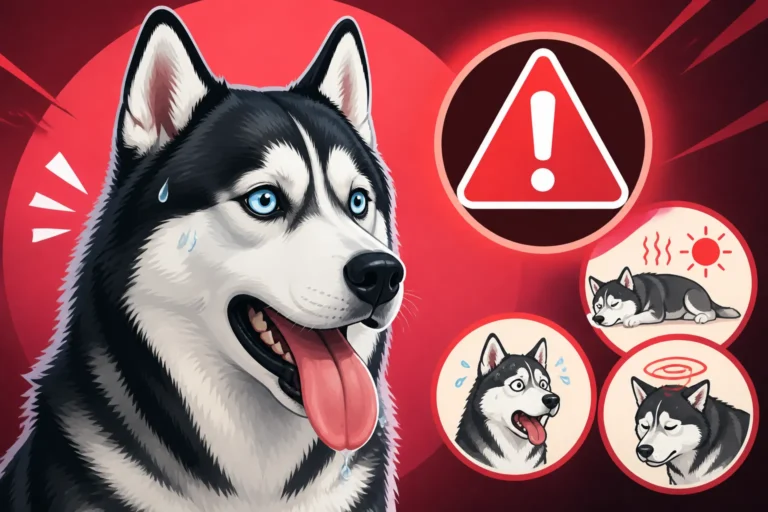
For many senior dogs, standing still for twenty minutes, let alone an hour or more, is simply out of the question. Common culprits include arthritis, especially in their hips, elbows, and spine. Conditions like Siberian Husky Hips and Why the Rate Is Low can make prolonged standing agonizing. Muscle weakness, a natural part of aging, also plays a huge role. Even if there's no specific diagnosis, general fatigue can mean they simply don't have the stamina they once did. Trying to force them to stand or make them uncomfortable will only create a negative association with grooming, making future sessions even harder. It's crucial to recognize the signs of discomfort – shifting weight, sighing, licking lips, or trying to lie down – and adapt your approach immediately. Our goal here is to prolong their comfort and quality of life, and that includes their grooming routine. What Changes in a Siberian Husky After Nine details many of these shifts.
Essential Tools for Gentle Grooming
When your Siberian Husky struggles to stand for grooming, your toolkit becomes even more critical. It’s not just about getting the job done, but about getting it done as gently and efficiently as possible. Investing in the right tools and creating a supportive environment can make all the difference, turning a dreaded chore into a manageable, even bonding, experience.
The Right Rakes and Brushes
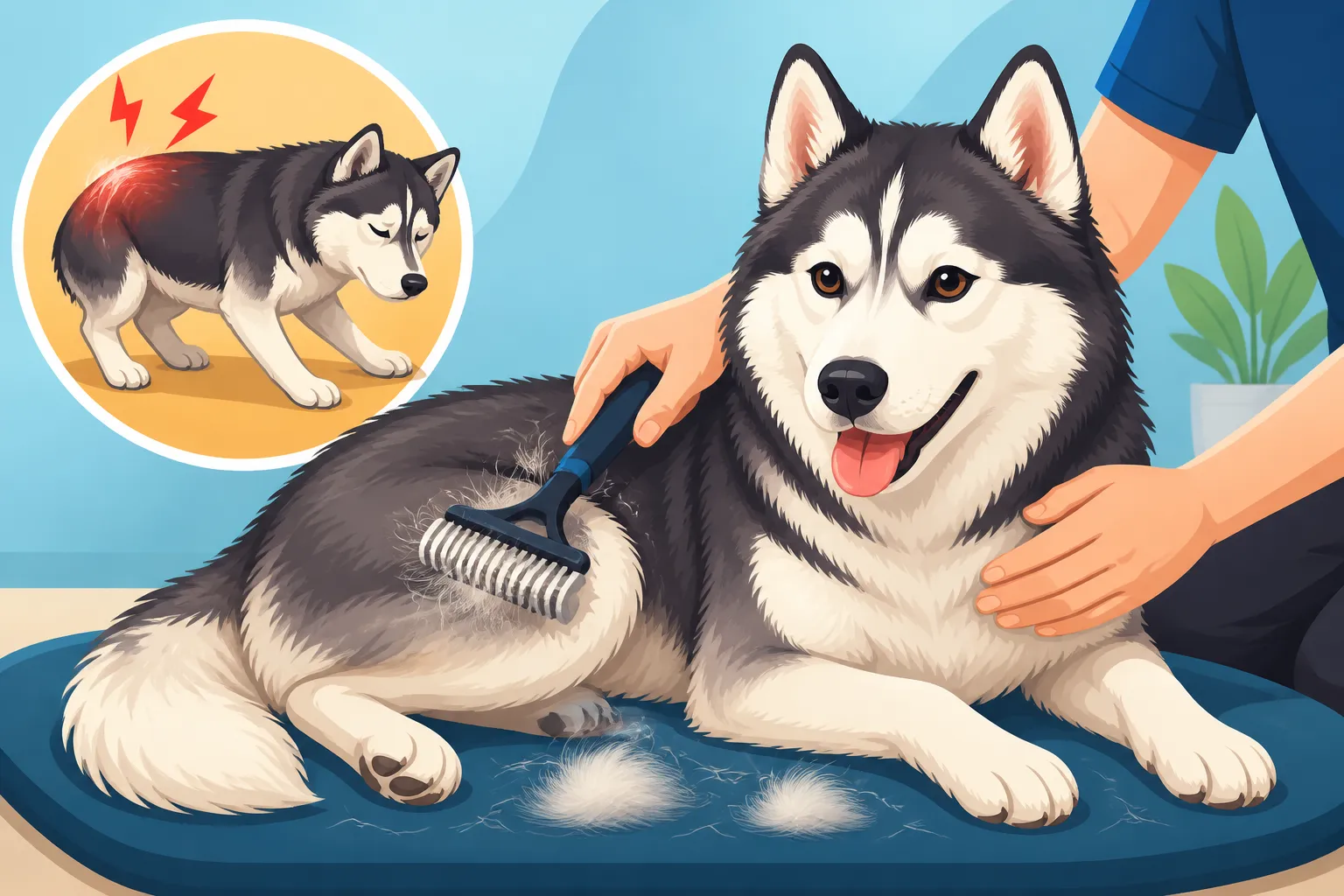
Forget harsh brushes or tools that pull. For a senior Husky, you need instruments that are effective at removing that dense undercoat but are incredibly gentle on their aging skin and joints. An undercoat rake with rotating teeth can be a godsend; these glide through the coat more smoothly, reducing tugging and snags. Look for one with a comfortable handle for your grip, as you'll be doing a lot of the work. A good quality slicker brush, while not for deep undercoat removal, can help with general detangling and fluffing, especially on areas where the coat is thinner or softer. Finally, a soft bristled brush can be used for a finishing touch, distributing natural oils and stimulating circulation without irritating sensitive skin. You can find a fantastic selection of these specialized tools on platforms like Amazon or Chewy, allowing you to read reviews and choose what’s best for your Husky. Remember, the goal is efficiency with kindness. Undercoat Rakes and Slickers for a Siberian Husky can give you more insights into selecting the right ones.
Supportive Surfaces and Non-Slip Mats
The surface your Husky stands or lies on during grooming is paramount for their comfort. A wobbly grooming table is an absolute no-go; if you use one, it must be incredibly sturdy and have a non-slip surface. Many owners find it more practical to groom their senior Huskies on the floor, especially on a thick, comfortable yoga mat or a plush rug. This provides better traction and cushioning for their joints. For those times they might be able to stand briefly, or when you need them to lean, a bolster cushion or a supportive dog bed can offer much-needed relief. The idea is to prevent any slipping or unnecessary strain that could cause pain or anxiety. Think about how you’d want to be supported if you had aching joints – your Husky deserves the same consideration.
High-Velocity Dryer Considerations
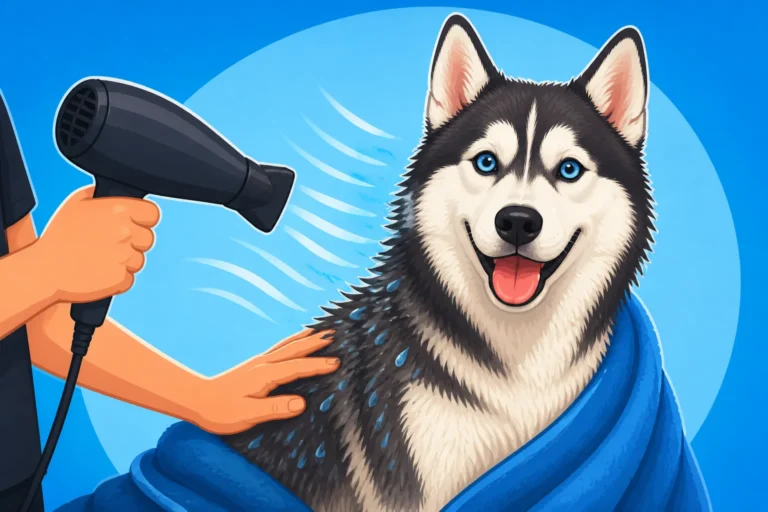
A high-velocity dryer isn't just for baths; it's an incredible tool for blowing out loose undercoat without extensive brushing, which can be a lifesaver for a senior Husky. The force of the air literally pushes the dead hair out. This can significantly reduce the amount of time you spend raking and brushing, minimizing the physical strain on your dog. However, caution is key:
- Temperature: Always use the dryer on a cool or low-heat setting. Older Huskies can be more sensitive to heat, and their skin may be thinner.
- Distance: Keep the nozzle a safe distance from their skin to avoid discomfort or skin irritation.
- Noise: Start with a low setting and slowly increase as your Husky tolerates it. Some older dogs become more sensitive to loud noises.
- Support: Ensure they are comfortably supported, ideally lying down, while you work the dryer over sections of their coat.
Using a high-velocity dryer judiciously can make grooming sessions much shorter and more comfortable. For more details, consider reading A High-Velocity Dryer for a Siberian Husky Coat.
Techniques for a Comfortable Grooming Session
Adapting your grooming approach for a senior Siberian Husky is about maximizing their comfort and minimizing their distress. It’s a shift from efficiency at all costs to gentle, compassionate care. You want grooming to be something they tolerate, or even enjoy, rather than dread.
Short, Frequent Sessions Are Key
This is perhaps the most critical change you'll make. Instead of aiming for one marathon grooming session, particularly during a major coat blow, break it down. Think of it as "micro-grooming." Spend just 5 to 10 minutes, maybe even less, several times a day or every other day. Focus on one small section of their body at a time – a flank, a shoulder, their chest. Once that section is cleared of loose undercoat, or when your Husky shows any sign of fatigue or discomfort, stop. Give them praise, a treat, and let them rest. This prevents them from becoming overwhelmed or experiencing prolonged pain. Over several days or a week, you'll still accomplish a full grooming without putting undue stress on their aging companion. This approach is far more beneficial than trying to cram it all into one session and leaving your dog sore and resentful.
Grooming in Supported Positions
Since standing is often out of the question, you’ll need to get creative with their positioning.
- Lying Down: Many senior Huskies are most comfortable lying on their side. You can gently rake the top side of their body, then encourage them to roll over to groom the other side. Use a thick dog bed or soft blankets to cushion their joints.
- Leaning Against You: Some Huskies enjoy leaning into their human for support. Sit on the floor with your Husky between your legs, or beside you, allowing them to lean against your body. This can provide stability and a sense of security.
- Using Bolsters: Specialized pet bolsters or even rolled-up towels can be placed under their belly or behind their hips to provide support while they lie down, taking pressure off their joints.
- Gentle Shifts: When you need to reposition them, do so slowly and deliberately. Offer a treat as you guide them. Avoid sudden movements that could catch them off guard or cause pain. Observing their body language is your best guide; a sigh, a lick of the lips, or a shift in weight tells you they're uncomfortable and it's time for a break or a new position. The Ages a Siberian Husky Changes Health-Wise can help you anticipate some of these physical changes.
Managing Pain and Discomfort
If your senior Husky is on pain medication for conditions like arthritis, try to schedule grooming sessions during the peak effectiveness of their medication. This might be an hour or two after their morning dose, for example. Always consult your veterinarian about the best timing. During grooming, pay close attention to their non-verbal cues. If they flinch, yelp, or try to move away, stop immediately. It’s also wise to avoid sensitive areas, such as directly over arthritic joints, unless absolutely necessary. For some Huskies, a warm compress on particularly stiff joints before grooming can help relax the muscles. Distractions can also be very effective; a high-value treat, like a bit of cooked chicken or a lick mat spread with peanut butter (check ingredients carefully for xylitol!), can keep them happily occupied during shorter bursts of grooming. You might find some excellent treat options from Ollie that can serve this purpose. Remember, a happy distraction is often more effective than forcing the issue. This mindful approach aligns with effective Pain Management for an Arthritic Siberian Husky.
Creating a Positive Grooming Experience
Beyond just getting the hair out, grooming a senior Siberian Husky is an opportunity to strengthen your bond and provide comfort. It's less about perfection and more about quality of life. By focusing on their well-being, you can make these necessary sessions a time of gentle care rather than stress.
Patience and Positive Reinforcement
Our senior Huskies have given us so much, and now it's our turn to give them patience and understanding. Rushing through grooming, especially when they're struggling, is counterproductive and cruel. Take your time. Speak in a calm, soothing voice. Offer abundant praise throughout the session, even for just tolerating a few strokes of the rake. High-value treats should be readily available and given frequently, not just at the end. The goal is to create a positive association, so they learn that grooming means good things happen, even if it's a little uncomfortable. If you get frustrated, take a break. Your mood will directly influence your Husky's, and a calm, happy human makes for a calmer, happier dog. Remember, this is about partnership, not a battle.
Regular Health Checks During Grooming
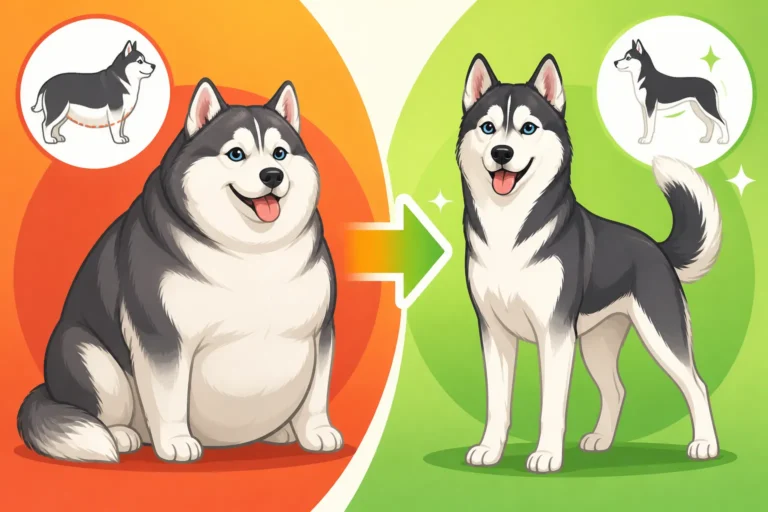
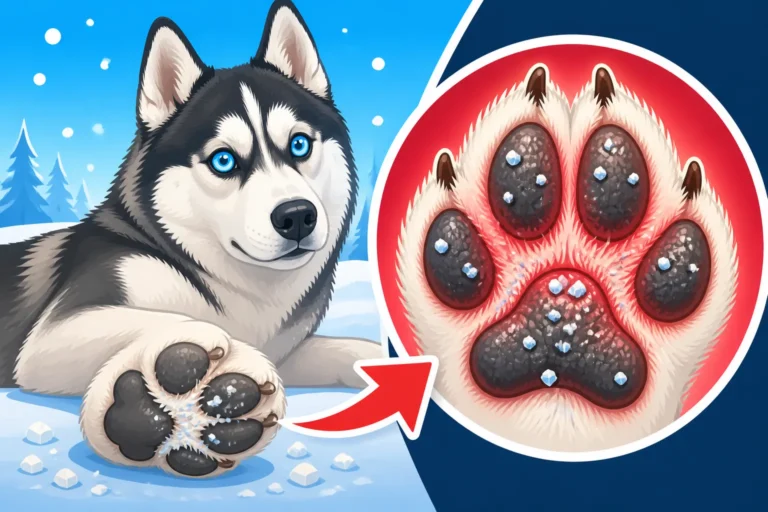
Grooming time, particularly when you're working closely and slowly over their body, is an invaluable opportunity to conduct a mini-health check. As you rake through their coat, feel for any new lumps or bumps, skin lesions, hot spots, or areas of increased sensitivity. Check their paw pads for cracks or tenderness, and their nails for excessive length (which can impact joint health). Siberian Husky Weight and Joint Health are closely linked, so also use this time to gently assess their body condition – are they losing muscle mass, or gaining unwanted weight? Pay attention to their eyes and ears for any discharge or signs of infection. Early detection of any issues can make a significant difference in their treatment and prognosis. This routine check is an integral part of Caring for a Siberian Husky Past Ten.
When Professional Help is Needed
There might come a point when, despite all your best efforts and gentlest techniques, grooming at home becomes too challenging or painful for your senior Husky. This is not a failure on your part, but a sign that professional help is needed. Seek out a professional groomer who has extensive experience with senior dogs and understands their unique needs.
- Specialized Facilities: Some groomers have hydraulic tables that lower to the floor, allowing your Husky to walk on and off without jumping.
- Patience and Expertise: A good senior-friendly groomer will work slowly, take frequent breaks, use supportive slings if needed, and prioritize the dog's comfort over cosmetic perfection. They'll also be skilled in detecting potential issues you might miss.
- Veterinary Consultation: In some cases, a trip to the vet for a mild sedative might be recommended for a particularly painful or anxious Husky, allowing a professional groomer to complete the necessary work with minimal stress. This is a conversation to have with your vet, exploring options like those discussed in Anesthesia Risk in a Senior Siberian Husky.
Remember, the comfort and well-being of your aging Siberian Husky should always be the top priority. Whether it's through your diligent home care or with the help of a compassionate professional, ensuring they remain well-groomed is an act of love.
| Grooming Tool | Purpose for Senior Huskies | Gentleness Level | Notes for Use |
|---|---|---|---|
| Undercoat Rake | Removes loose undercoat gently and efficiently | High | Look for rotating teeth to prevent pulling; use short, light strokes. |
| Slicker Brush | Detangles surface coat, removes loose guard hairs | Medium | Choose one with softer pins; use sparingly on sensitive skin. |
| Soft Bristle Brush | Distributes oils, stimulates circulation, finishes coat | High | Excellent for overall comfort and a gentle massage. |
| High-Velocity Dryer | Blows out loose undercoat, reduces brushing time | High (with care) | Use cool air only; maintain distance; monitor noise sensitivity. |
| Non-Slip Mats / Rugs | Provides traction and cushioning for joints | N/A | Essential for comfort, whether standing or lying down. |
| Soft Bolsters / Beds | Offers physical support and padding during grooming | N/A | Helps position and cushion your Husky, taking pressure off painful areas. |
Disclaimer
This article is for general informational purposes only and does not constitute professional advice. Laws, prices and regulations vary by location and change over time. Consult a qualified professional for guidance on your specific situation.