Checking Siberian Husky Pads After Trail Runs
Siberian Husky paw checks after trail runs help owners spot cuts, tears, and debris to protect canine mobility and prevent infections.
The daily stuff, done right.
Feeding amounts by life stage, coat and skin routines, dental and nail care, exercise needs, and what changes as they age.
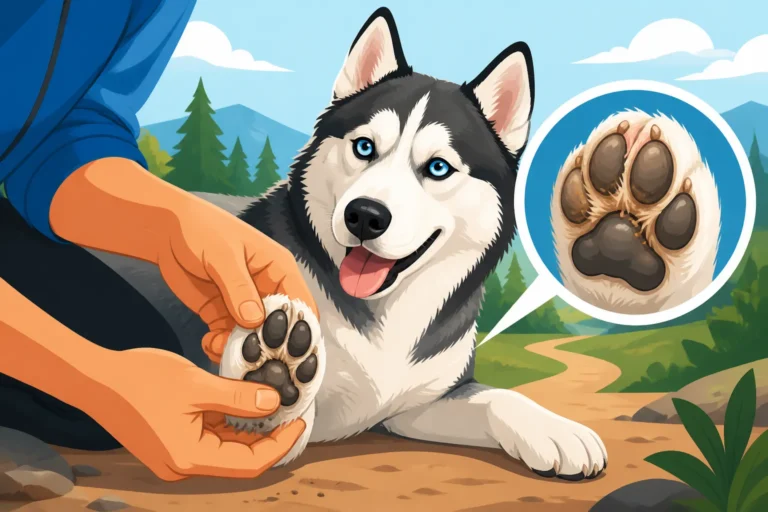
Siberian Husky paw checks after trail runs help owners spot cuts, tears, and debris to protect canine mobility and prevent infections.
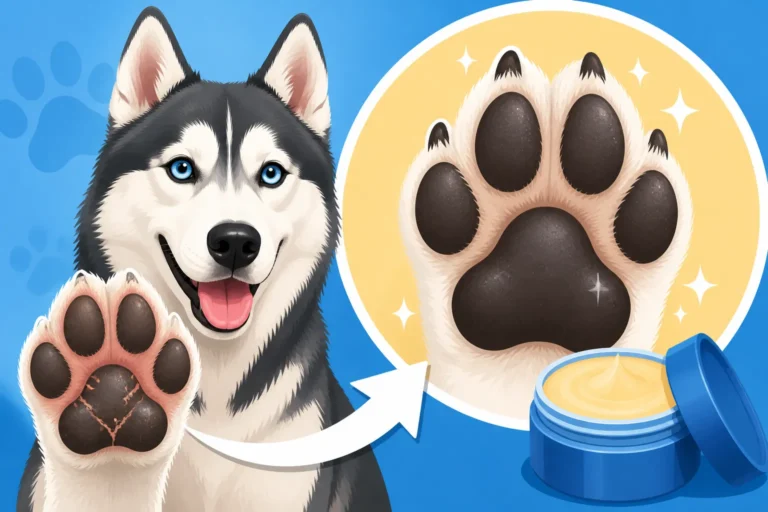
Siberian Husky paw balm application and selection methods help soothe dry, rough, or cracked pads caused by weather and activity.
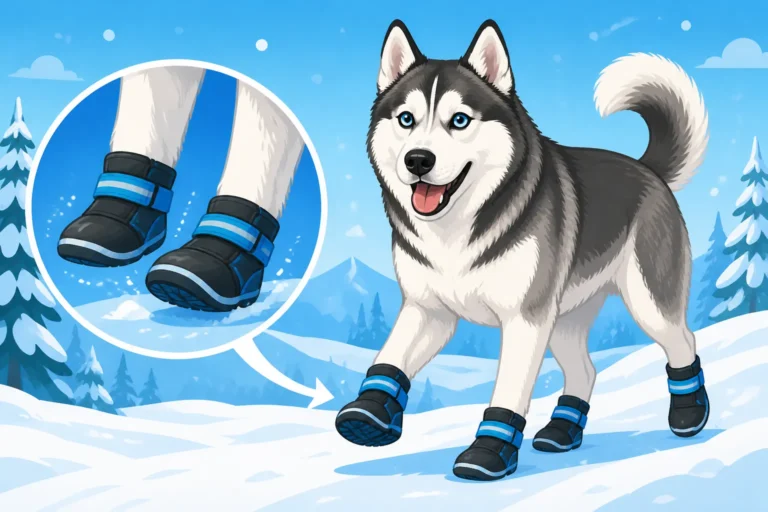
Siberian Husky winter booties protect sensitive paw pads from harsh de-icing chemicals, rock salt, and painful ice balls on suburban sidewalks.
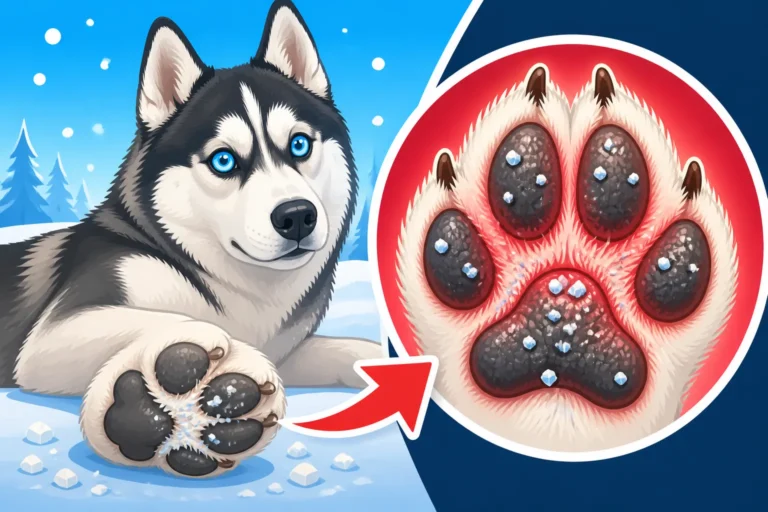
Road salt harms Siberian Husky paw pads by causing dryness, cracking, chemical burns, and dangerous digestive illness.
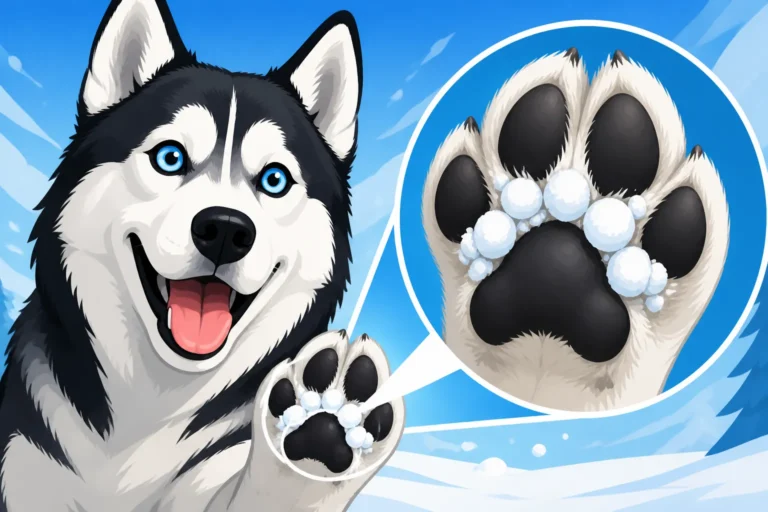
Siberian Husky paw fur and melting snow cause painful ice clumps, which owners can prevent by trimming interdigital hair.
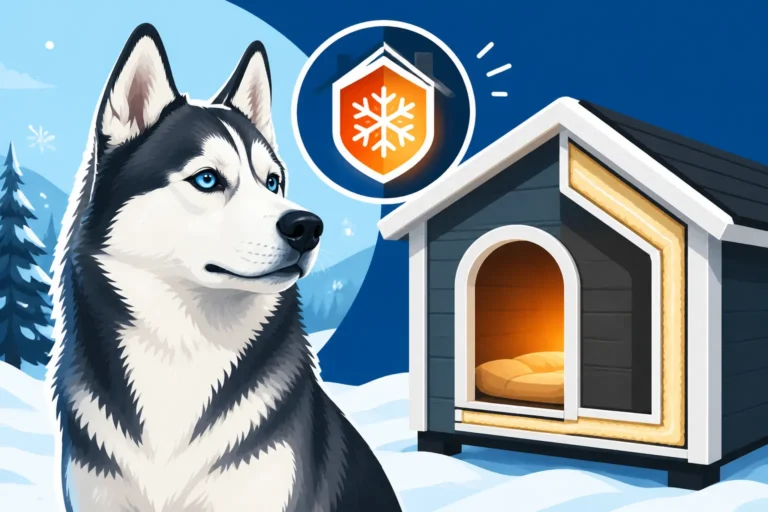
Insulated dog houses for outdoor Siberian Huskies provide crucial protection against extreme cold, wind, and moisture.
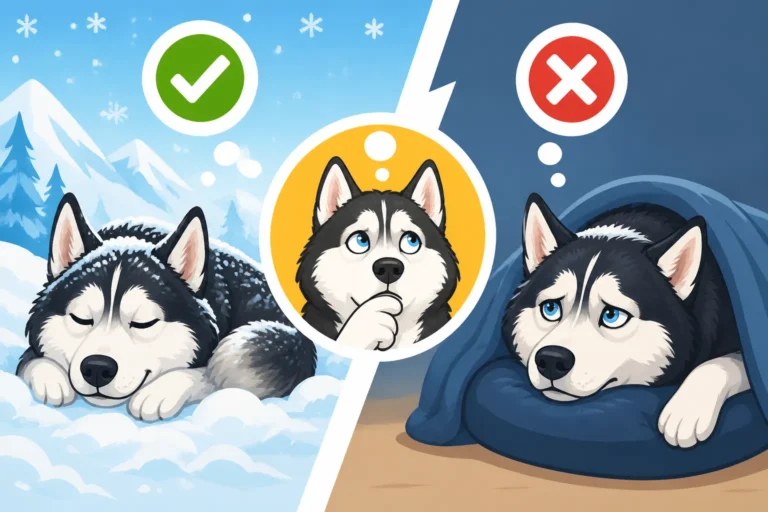
Siberian Huskies possess unique cold weather adaptations, including a double coat and specialized physiology, that explain their comfort sleeping in snow.
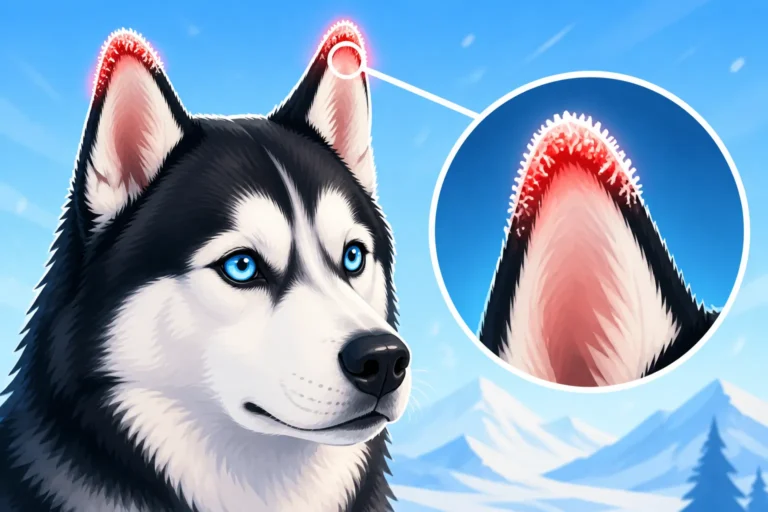
Siberian Husky ear tips are vulnerable to frostbite in extreme cold, causing pale skin, coldness, and numbness.
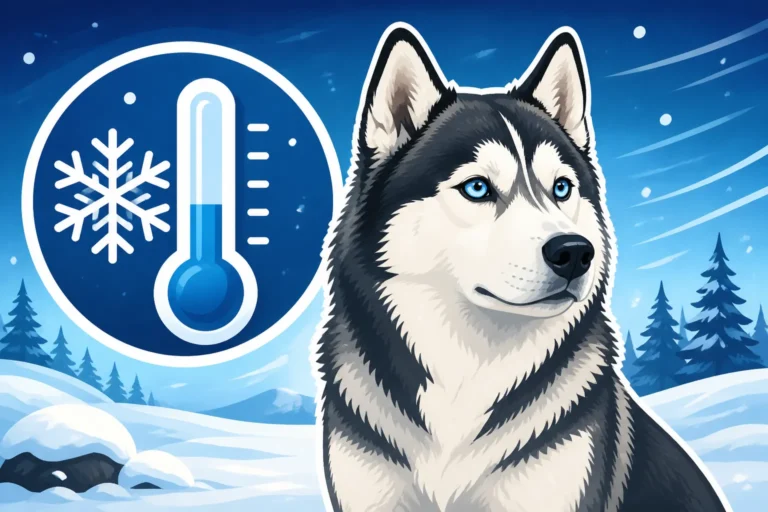
Siberian Husky cold tolerance depends on their winter coat, metabolism, age, and health status in harsh weather.
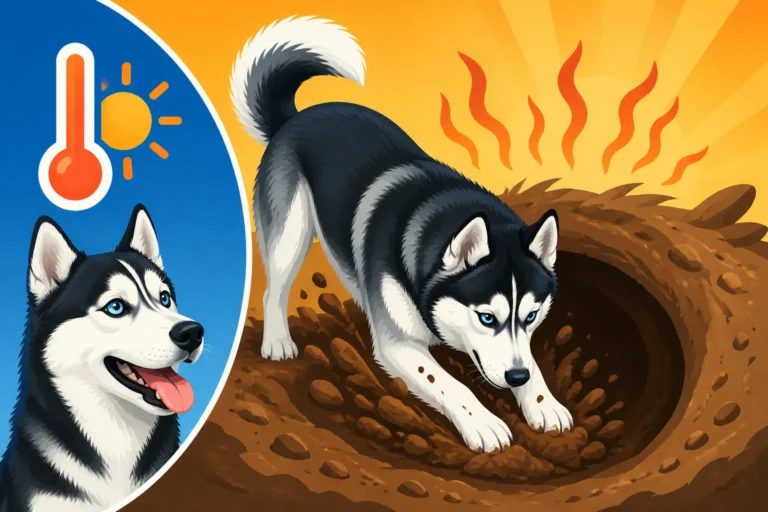
Siberian Husky heat behavior involves digging dens to reach cool soil and lower body temperature using natural insulation.