The Seppala Siberian Sleddog Explained
It can be incredibly confusing when you’re looking into Siberian Huskies and start hearing terms like "working lines" versus "show lines," or even a completely different name like "Seppala Siberian Sleddog." Many prospective owners aren't aware that while all these dogs share an ancestry, they've actually evolved into quite distinct types, each with their own needs and characteristics. This guide is here to untangle that, specifically focusing on what defines a Seppala Siberian Sleddog and how they might differ from the Siberian Huskies you typically see.
What Exactly Is a Seppala Siberian Sleddog?
When people talk about a "Siberian Husky," they often picture the dogs recognized by the American Kennel Club (AKC) – the ones you see in dog shows or as family pets. However, the Seppala Siberian Sleddog represents a distinct branch, intentionally bred to preserve the original working traits of the dogs brought from Siberia by Leonhard Seppala himself. These aren't just "working line" Huskies; they are a separate, carefully managed breed population with its own registry, designed for one purpose: pulling a sled.
The Historic Roots and Leonhard Seppala's Legacy
To understand the Seppala Siberian Sleddog, we have to go back to the early 20th century. The dogs that Leonhard Seppala imported from Siberia, brought to Alaska, were compact, fast, and incredibly efficient sled dogs. These were the dogs that truly shone in the All-Alaska Sweepstakes races and, most famously, in the 1925 Serum Run to Nome. Seppala, an unparalleled musher, was dedicated to breeding dogs that excelled at their job, prioritizing endurance, speed, and a strong work ethic above all else. His dogs were lean, athletic, and possessed an indomitable spirit on the trail.
After the Serum Run catapulted Siberian Huskies into the public eye, many of Seppala's dogs and their direct descendants formed the foundation of the breed in North America. But as the breed gained popularity, particularly after AKC recognition in the 1930s, some breeders began to focus on aesthetics and conformation for the show ring. This naturally led to a divergence in breeding goals. While some continued to breed for working ability, others emphasized traits like specific coat colors, eye colors, or a more robust, "prettier" appearance that might not always be conducive to long-distance sledding.
Divergence from the Mainstream Siberian Husky
The Seppala Siberian Sleddog lineage explicitly aims to maintain the original type that Seppala championed. Breeders of Seppala Siberians recognized that the mainstream Siberian Husky, while still a wonderful breed, was becoming increasingly diverse, and some of its working traits were being diluted. They wanted to ensure that the unique genetic contributions of Seppala’s original dogs were preserved, not just as a historical footnote, but as a living, breathing, working breed.
Today, the Seppala Siberian Sleddog is recognized by various registries outside of the AKC, often under a slightly different name to distinguish them. These dogs are specifically bred by dedicated enthusiasts who share a passion for traditional sledding and the preservation of a true working type. It’s not simply a matter of a dog being "from working lines"; it's a concerted effort to maintain a consistent physical and mental profile ideal for a particular job. You won't typically find these dogs in a standard dog show ring, as their breed standard is focused entirely on functional working ability rather than conformation aesthetics. If you're curious about the journey these dogs took, you might enjoy reading more about Leonhard Seppala and His Siberian Huskies or even The 1925 Serum Run to Nome.
How Seppala Siberians Differ from AKC Show Huskies
While both types are undeniably Siberian Huskies at their core, the differences, both subtle and significant, are born from generations of selective breeding for different purposes. Understanding these distinctions is crucial if you're considering bringing one into your life.
Physical Characteristics: Form Follows Function
The most noticeable differences often lie in their physical appearance. AKC-registered Siberian Huskies are judged against a standard that prioritizes certain aesthetics, leading to a generally more substantial build. You might see a wider range of coat colors, more varied eye colors, and often a denser, more plush coat that's appealing to the eye. Their appearance can sometimes be quite dramatic, with striking markings and a very "wolf-like" look.
Seppala Siberian Sleddogs, by contrast, are bred purely for efficiency and endurance on the trail. They tend to be:
- Lighter and leaner: They have a more athletic, streamlined physique. Think marathon runner versus a bodybuilder. Their bone structure is fine but strong, built for sustained effort, not heavy pulling.
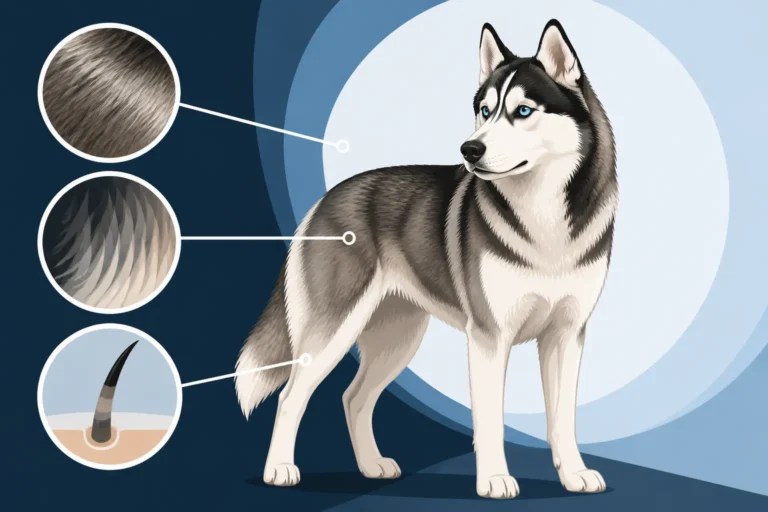
- Less dense coat: While still possessing a double coat for warmth and protection, it's often less "wooly" or overly plush than some show-line Huskies. The emphasis is on functionality – a coat that protects without overheating during strenuous activity, and one that sheds snow effectively.
- Often less varied in color/markings: While not a strict rule, Seppala lines often lean towards more traditional colors and simpler markings, as breeding choices are made for performance, not a specific "look." Their eyes might be brown or blue, but the focus isn't on rare eye colors.
- Smaller, more agile build: Their size typically falls within the lower to middle range of the Siberian Husky standard, emphasizing agility and a lighter footprint for speed.
This focus on function means that "faults" in a show ring, like a slightly less dramatic mask or a "less flashy" coat, are entirely irrelevant to a Seppala breeder, who cares only about the dog's ability to run.
Temperament and Drive: Born to Run
Perhaps even more important than physical differences are the distinctions in temperament and drive. A mainstream Siberian Husky, even one from working lines, can still vary widely in its overall energy level and focus. Many are fantastic family pets, happy with long walks, occasional runs, and plenty of cuddles. While they retain their independent spirit, many can adapt well to a suburban or even urban life if their exercise needs are met. Siberian Husky Temperament and What the Standard Says covers this broadly.
Seppala Siberian Sleddogs, however, possess an intensity and drive that is truly remarkable. They are:
- Highly energetic: Their need for intense, sustained exercise isn't just a suggestion; it's a fundamental requirement for their well-being. Daily, long-distance runs or pulls are not just desired, but essential. A simple walk around the block simply won't cut it.
- Strong work ethic: These dogs are happiest when they have a "job," particularly pulling in harness. They thrive on having a purpose and can become frustrated or destructive if under-stimulated. Their independence is channeled into problem-solving on the trail.
- Focused and determined: When they are in harness, their concentration is incredible. They are less likely to be distracted by external stimuli than some pet Huskies, as their genetics scream "pull forward!"
- Intelligent and adaptable (to their job): While independent, they are incredibly intelligent and eager to learn tasks related to sledding. Their "stubbornness" is often a reflection of their focus on their own agenda (like running a specific trail or pulling with a specific pace) rather than a lack of intelligence.
This intense drive means a Seppala Siberian Sleddog is not suited for every household. They are a significant commitment, demanding owners who are just as dedicated to an active, working lifestyle as the dogs themselves. Comparing them to Siberian Husky Against the Alaskan Malamute might help clarify the different kinds of working dogs out there.
| Feature | AKC Siberian Husky (Show Line Tendency) | Seppala Siberian Sleddog (Working Line Tendency) |
|---|---|---|
| Primary Goal | Conformation, companionship | Sled pulling, working ability |
| Build | Broader range, can be more substantial | Leaner, more athletic, streamlined |
| Coat Density | Often plush, thicker, "wooly" accepted | Functional, less "wooly," efficient for work |
| Coat/Eye Variety | Wide range of colors, striking masks, heterochromia common | Often more traditional colors, focus on function over aesthetics |
| Energy Level | High, needs significant daily exercise | Extremely high, requires intense, sustained pulling/running |
| Temperament | Friendly, independent, can be adaptable | Driven, focused, intense work ethic, less distracted on trail |
| Prey Drive | High, but varies individual to individual | Very high, finely tuned for catching small game if not focused on work |
| Registry | AKC, CKC, FCI (and others) | International Seppala Siberian Sleddog Club (ISSSC), others |
Living With a Seppala Siberian Sleddog
Bringing a Seppala Siberian Sleddog into your home is a commitment to a lifestyle, not just owning a dog. These aren't dogs you can just take for a leisurely walk around the block and expect them to be content. They are living, breathing athletes.
Exercise Requirements: Beyond a Walk in the Park
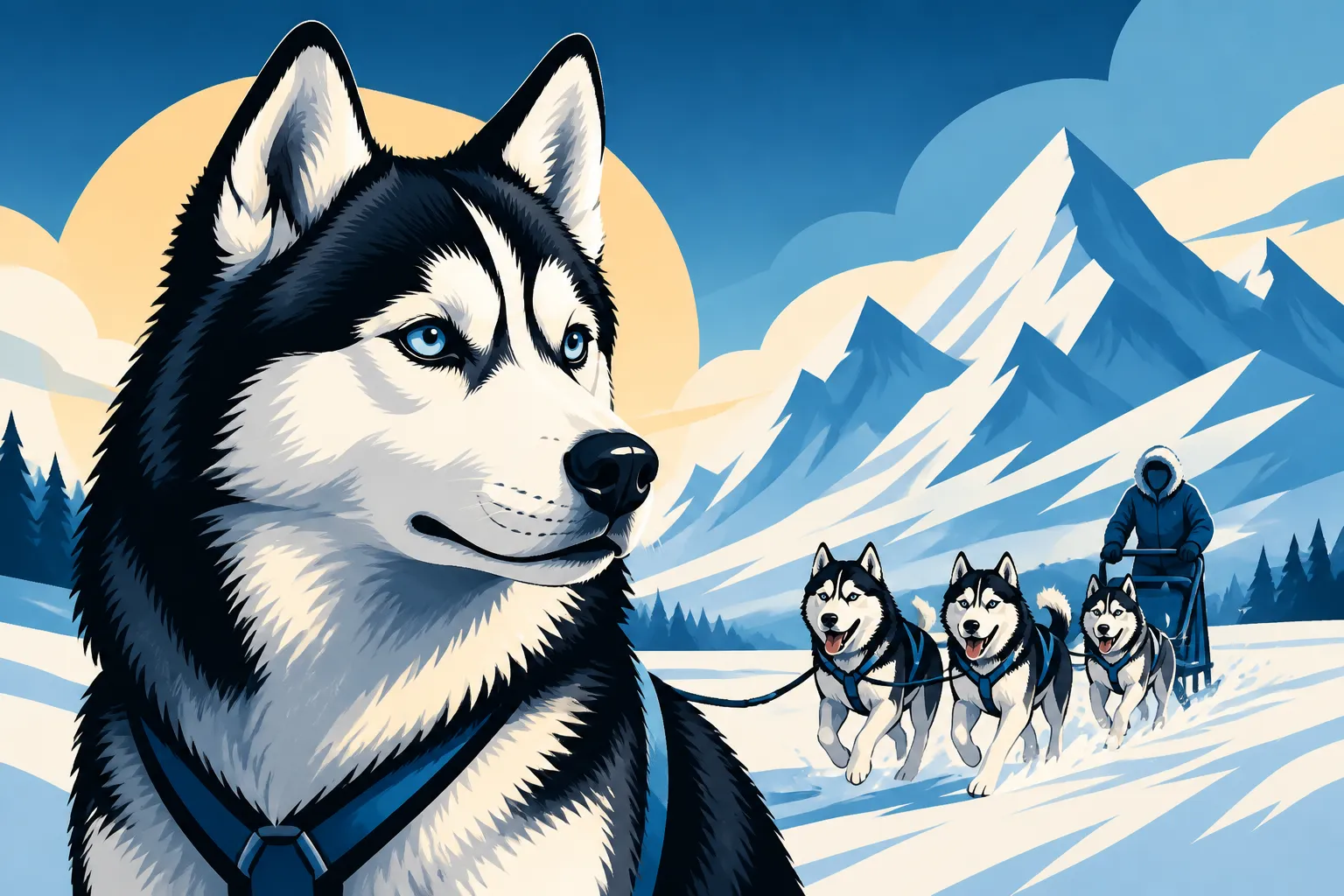
When we talk about "exercise" for a Seppala, we're not talking about a casual stroll. We're talking about dedicated, often daily, sessions of pulling in harness, whether that's skijoring, bikejoring, canicross, or actual sledding. They need to run, and they need to run for miles. This breed was developed for long distances at a consistent pace, and their bodies and minds are wired for it.
If a Seppala Siberian Sleddog doesn't get sufficient exercise, you're not just going to have a hyper dog; you're going to have a frustrated, potentially destructive, and deeply unhappy companion. This can manifest as:
- Destructive Chewing: Gnawing on furniture, ripping apart toys in minutes, or even chewing through doors and walls.
- Excessive Howling: Their vocalizations are a way to express boredom or pent-up energy.
- Escape Artist Behavior: A bored Seppala will channel its intelligence into finding ways out of the yard, under fences, or through gates. Their instinct to run is incredibly strong.
Many owners find that joining local dog sports clubs focused on pulling activities like Canicross and Bikejoring With a Siberian Husky is essential. It provides an outlet for their natural drives and connects you with a community that understands these magnificent athletes. If you want to know more about keeping your Husky engaged, check out Giving a Siberian Husky a Job in Harness or How Much Exercise a Siberian Husky Really Needs.
Training an Independent, Driven Mind
Training a Seppala Siberian Sleddog requires consistency, patience, and an understanding of their inherent independence. They are incredibly intelligent, but their motivation is often internal, driven by their desire to run and explore, rather than an eager-to-please attitude.
Here are some key considerations:
- Positive Reinforcement is Key: Harsh methods will likely lead to a shut-down dog. High-value treats and enthusiastic praise work best, especially when building a rock-solid recall, which is notoriously difficult for any Husky.
- Harness vs. Leash: They understand the difference between "pulling" in a harness for sport and walking politely on a leash. Teaching them specific cues for each is vital.
- Mental Stimulation: Beyond physical exercise, these dogs need mental challenges. Puzzle toys, scent work, and learning new commands (even if they don't seem immediately useful for sledding) can help tire their minds. Chewy offers a fantastic selection of durable puzzle toys that can stand up to a Husky's determination.
- Prey Drive: Be prepared for a very strong prey drive. Small animals like squirrels, rabbits, and even cats will often trigger their chase instinct. This means secure containment and diligent leash work are non-negotiable. Siberian Husky Prey Drive Around Small Animals is a must-read for any Husky owner.
Dietary Needs for the Canine Athlete
Given their high metabolism and intense activity levels, Seppala Siberian Sleddogs often have specific dietary requirements. They typically thrive on high-quality dog food formulated for active or working breeds, often with a higher fat and protein content than standard kibble.
It’s crucial to:
- Feed for their activity level: Their caloric needs will fluctuate based on how much they are working. Consult with your vet or a canine nutritionist to ensure they're getting the right balance without becoming overweight or underweight.
- Monitor their weight: Despite their high energy, it's still possible for them to gain weight if overfed and under-exercised, which can put strain on their joints. You should be able to feel their ribs easily, but not see them prominently.
- Hydration is vital: Especially after long runs, ensure they have constant access to fresh water.
Look for brands available at places like Chewy that offer high-performance formulas, as these are often designed to support the energy demands of working dogs. For more insights, consider Feeding a Siberian Husky That Runs in Harness.
Finding a Reputable Seppala Siberian Breeder
If you're truly captivated by the idea of a Seppala Siberian Sleddog and are confident you can meet their demanding needs, finding a reputable breeder is the most important step. Because they are a distinct, rarer population, this isn't as simple as finding a local AKC breeder.
Identifying True Seppala Lines
First and foremost, understand that not all "working line" Siberian Huskies are Seppala Siberian Sleddogs. Many excellent breeders produce working-line Huskies that excel in various sports and embody the breed's original spirit, but they are still registered as Siberian Huskies with the AKC or similar national registries. A true Seppala Siberian Sleddog will be registered with a specialized organization, like the International Seppala Siberian Sleddog Club (ISSSC).
A reputable Seppala breeder will:
- Specialize in the breed: They won't be breeding multiple dog breeds. Their passion and focus will be entirely on Seppalas.
- Prioritize working ability: Their dogs will be actively involved in sledding, skijoring, or similar harness sports, demonstrating their working aptitude. They can show you videos, race results, or introduce you to their working team.
- Provide health clearances: Even though they are a robust breed, health testing is still crucial. Expect to see clearances for eyes and hips at a minimum. Ask to see certificates for Siberian Husky Eye Disease and the Annual Exam and Siberian Husky Hips and Why the Rate Is Low.
- Be transparent about their program: They should be happy to answer all your questions, show you their facilities (or introduce you to their dogs via video if distance is an issue), and let you meet the puppy's parents.
- Be a resource for life: A good breeder is invested in their puppies for their entire lives and will offer support and guidance as you raise your Seppala.
Questions to Ask and Red Flags to Watch For
When you contact a potential breeder, be prepared with a list of questions, and pay close attention to their answers.
Questions to ask:
- "Which registry are your Seppala Siberians registered with?"
- "What health clearances do the parents have, and can I see the certificates?"
- "What kind of working activities are your dogs involved in?"
- "What is your philosophy on breeding, and what traits do you prioritize?"
- "What are the typical exercise requirements for your puppies when they mature?"
- "Can you provide references from other owners of your dogs?"
- "What kind of support do you offer after I take a puppy home?"
Red flags:
- No health testing: This is a major concern for any breed.
- No proof of working ability: If they claim "working lines" but can't show you their dogs actually working, be wary.
- Multiple breeds being bred: A dedicated Seppala breeder focuses solely on preserving this unique line.
- Lack of transparency: Hesitation to answer questions or allow you to see where the dogs live is a bad sign.
- "Pick of the litter" for highest price: While prices vary, a good breeder prioritizes matching the right puppy to the right home, not just the highest bidder.
- Puppies available year-round: Reputable breeders have limited, carefully planned litters.
Choosing a Seppala Siberian Sleddog is a serious decision, but for the right person, these intelligent, driven, and beautiful dogs can be the most rewarding companions. They demand a lot, but they give back in loyalty, challenge, and endless enthusiasm for life on the trail.
Disclaimer
This article is for general informational purposes only and does not constitute professional advice. Laws, prices and regulations vary by location and change over time. Consult a qualified professional for guidance on your specific situation.