The Siberian Husky Noise Nobody Warns You About
You thought you knew what you were signing up for with a Siberian Husky: the boundless energy, the mischievous eyes, the legendary escape artist tendencies. But then you brought them home, and a whole new world of sound erupted, leaving you wondering if your dog secretly moonlights as an opera singer or a disgruntled teenager. This guide will walk you through the astonishing range of vocalizations a Siberian Husky can produce, why they do it, and how to manage the symphony (or cacophony!) they bring to your life, so you can stop feeling like you're living in a wildlife documentary.
The Husky's Astounding Vocal Repertoire Beyond the Bark
When people think of dog sounds, barking usually comes to mind. Maybe a growl or a whine. But the Siberian Husky? Oh, they operate on an entirely different level. If you're a new Husky owner, or even just considering bringing one into your home, prepare yourself for a world of noises that will both charm and challenge you. It’s not just a bark, it’s a full-on conversational experience, a dramatic performance, and sometimes, a piercing siren.
The Classic Howl: From Ethereal to Ear-Splitting
The howl is perhaps the most iconic Siberian Husky sound, and it's deeply rooted in their ancestral connection to wolves. Some Huskies have a beautiful, melodic howl that sounds like something out of the wild tundra, truly evocative and spine-tingling in the best way. These are the howls that can give you goosebumps, a reminder of their ancient heritage. But then there are the other howls. The mournful, drawn-out laments that make you feel guilty for leaving them alone for five minutes. The insistent, demanding howls that escalate into a full-blown siren impression when they want something – anything – right now. And yes, the howls that seem to perfectly sync up with every emergency vehicle passing by, creating an impromptu canine chorus that your neighbors might not appreciate. Huskies often howl in response to high-pitched sounds, like sirens, or even certain musical notes. This isn't usually a sign of distress; it's often their way of "singing along" or responding to what they perceive as another distant pack member. For a deeper dive, check out Why Your Siberian Husky Howls and Talks and Howling in a Siberian Husky Household.
The "Woo-Woo": A Joyful, Conversational Greeting
Many Husky owners are familiar with the delightful "woo-woo" sound. This is typically a sound of pure joy and excitement, often reserved for greetings, playtime, or when they're particularly pleased to see you. It's less of a howl and more of a series of short, choppy, almost yodel-like vocalizations. Imagine your dog trying to talk to you, mimicking human speech patterns, but only able to get out a series of enthusiastic "woos." It's incredibly endearing and shows their affectionate, communicative nature. They might do this when you come home from work, when you pick up their leash, or even when you just look at them the right way. It's their unique way of saying, "Hello! I love you! Let's do something fun!"
The Husky Talk and Grumble: Sassy and Opinionated
Beyond the howl and the woo, Huskies are renowned for their "talking." This isn't a bark, and it's not a howl; it's a complex array of grumbles, groans, murmurs, and what sounds eerily like human words. They will "talk back" to you, especially when they're feeling particularly opinionated or when you're asking them to do something they'd rather not. You might find yourself having full-blown conversations with your Husky, where you speak, and they respond with a series of expressive vocalizations that clearly convey their thoughts – whether it's agreement, playful defiance, or just a general commentary on the state of the world. This can be especially prominent during training sessions, where they might offer a grumble or a sigh to let you know they're not entirely on board with your latest command. This "talking back" is a hallmark of their independent and often sassy personality. If you've ever felt like your Husky was negotiating with you, you're probably right! It's a truly unique aspect of their communication.
The Husky Scream: A Shocking Burst of Emotion
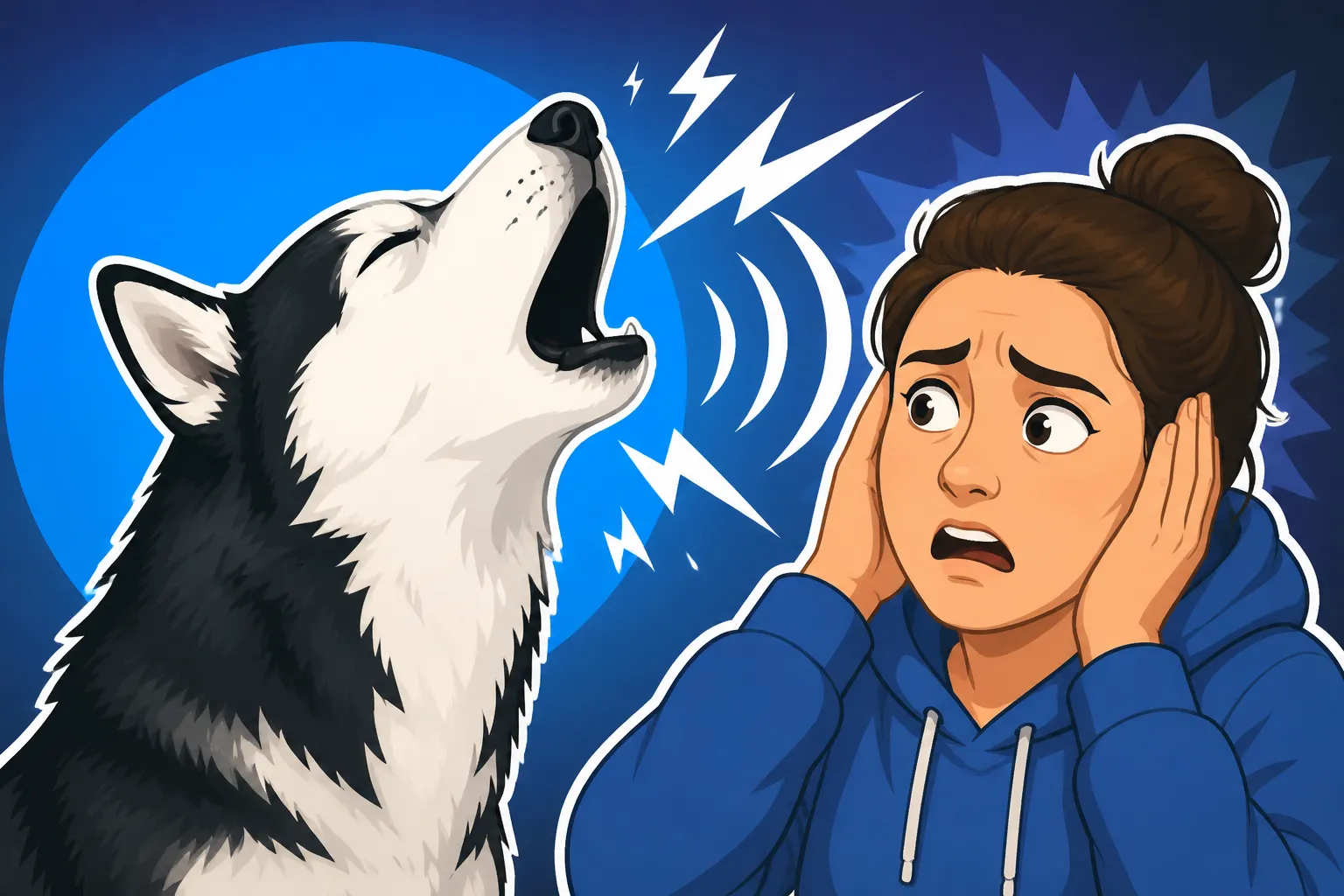
This is often "The Siberian Husky Noise Nobody Warns You About." Unlike the melodic howl or the charming woo, the Husky scream is a high-pitched, piercing shriek that can startle you right out of your skin. It's not a common sound, but when it happens, it's unforgettable. This scream is typically reserved for moments of extreme excitement, frustration, or even profound displeasure. Imagine your Husky seeing a squirrel just out of reach, or being told "no" to something they really wanted. That ear-splitting scream is their dramatic response. It can also occur during intense play, particularly when they're getting overstimulated. It's not usually a sign of pain or aggression, but rather an exaggerated expression of their emotions. Some Huskies will even unleash a full-blown "tantrum scream" if they feel their demands aren't being met, making you question if you're living with a dog or a toddler with lungs of steel. Understanding The Siberian Husky Scream and What Sets It Off can help prepare you for these moments.
The Whine: A Calculated Plea for Attention
While many dogs whine, a Siberian Husky's whine can feel particularly pointed and manipulative. Huskies are incredibly intelligent and quickly learn what gets a reaction from their humans. If a soft whine gets you to look their way, they'll amp it up. If a persistent, escalating whine gets them a treat or a trip outside, they’ll master that vocal tactic. Their whine isn't always a sign of true need; often, it's a highly effective attention-seeking strategy. They might whine when they want to play, when they want to go for a walk, or simply when they feel ignored. It can become a bit much, especially if they’ve learned that whining yields results. Distinguishing between a "true need" whine (like needing to go potty) and an "attention-seeking" whine (like wanting you to drop everything and play) is a critical part of living with a vocal Husky. For more insights on this, read A Siberian Husky That Whines for Attention.
Why Huskies Are So Talkative: Instincts and Communication
It’s not just random noise; there are deep-seated reasons behind your Siberian Husky's extensive vocabulary. Understanding these reasons can help you respond more appropriately and appreciate their unique way of communicating. It all ties back to their history, their breed traits, and how they perceive the world around them.
Ancestral Roots and Pack Communication
The primary reason Huskies are so vocal is their direct lineage from ancient sled dogs and, further back, wolves. Wolves communicate extensively through howls to rally the pack, announce their presence, and define territory. While your Husky isn't living in a wild pack, these instincts are hardwired. They use their voices to connect, to express emotions, and to make their presence known. A howl can be an invitation to play, a way to signal "I'm here!" to other dogs in the neighborhood, or simply a deep-seated urge to vocalize. They truly see their human family as their pack, and they communicate with you in the most expressive way they know how. This strong communication drive is a defining characteristic of the breed and something that makes them so endearing to many owners.
Expressing Needs, Wants, and Emotions
Huskies are not subtle creatures. They will use their voices to tell you exactly what’s on their mind. Are they hungry? You might get a series of demanding grumbles leading you to the food bowl. Do they need to go outside? A specific whine or a sharp "woo!" might be your cue. Are they bored and need stimulation? Prepare for an escalating symphony of frustrated howls and talks. This vocal communication is often a primary way they express their current state. It's a sophisticated form of interaction that goes beyond simple body language. They have strong personalities and they aren't afraid to use their voices to convey them, whether it's happiness, boredom, excitement, or even playful defiance. They truly want you to understand them, and they believe their voice is the most effective tool.
Boredom, Under-Exercise, and Mental Stimulation
One of the most common triggers for excessive Husky vocalization is unmet needs for exercise and mental stimulation. These dogs were bred to run for miles, pulling sleds across vast distances. A bored Husky is a destructive Husky, and a vocal Husky. If they aren't getting enough physical activity or if their intelligent minds aren't being challenged, they will find an outlet, and often that outlet is their voice. Picture a Husky cooped up all day with nothing to do. The howling, talking, and whining that erupt are often an expression of pent-up energy and frustration. They're literally crying out for a job, for attention, for something to engage their brilliant but demanding minds. Providing ample exercise, like long runs, hikes, or even Canicross and Bikejoring With a Siberian Husky, combined with puzzle toys and training sessions, can significantly reduce unwanted vocalizations stemming from boredom.
Attention-Seeking Behaviors: A Learned Skill
Huskies are incredibly smart, and they learn quickly what behaviors elicit a response from their humans. If whining, barking, or even a dramatic scream consistently gets your attention – whether it's a treat, a scolding, or a quick cuddle – they will learn to repeat that behavior. They don't necessarily care if the attention is positive or negative; to a Husky, any attention is better than none. This is where many owners unintentionally reinforce vocal habits. For instance, if your Husky whines for a toy, and you immediately give it to them, you’ve just taught them that whining works. It's a tricky balance, as you don't want to ignore genuine needs, but you also don't want to create a vocal monster. This learning aspect is crucial to managing their talkative nature.
Separation-Related Issues and Anxiety
While not all vocalizations signify true separation anxiety, many Huskies will become quite vocal when left alone. This can manifest as persistent howling, crying, or even the dreaded scream. It's often more rooted in frustration or intense boredom than clinical anxiety, though true separation anxiety can certainly be a factor for some. A Husky left alone might vocalize because they miss their pack, they're under-stimulated, or they're frustrated they can't join you. It's their way of protesting their solitude. For some, it might be an ongoing concern that needs careful management, as discussed in Siberian Husky Separation Behavior. The good news is that understanding the root cause, whether it's boredom or genuine anxiety, is the first step toward finding solutions.
Managing the Melodies: Strategies for a Harmonious Home
Living with a talkative Husky doesn't mean resigning yourself to a life of constant noise. There are plenty of strategies you can implement to manage their vocalizations and foster a more harmonious home environment. The key is consistency, understanding, and positive reinforcement.
Consistent Training and Positive Reinforcement
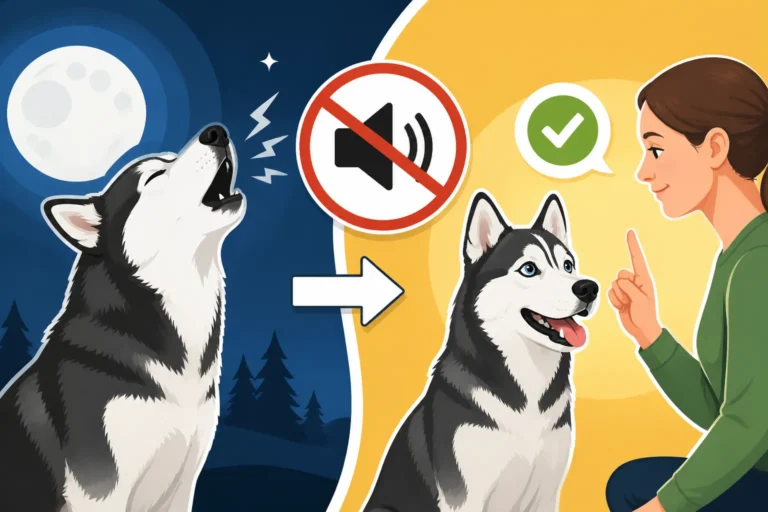
Training is paramount, especially with a breed as intelligent and independent as the Husky. You need to teach them when vocalization is appropriate and when it's not. Positive reinforcement works wonders. When your Husky is quiet, reward them! When they are calm, give them attention. When they start to get vocal in an unwanted way, try to redirect their attention or, if it's purely attention-seeking, ignore it until they are quiet, then reward the quiet. This is a subtle but powerful technique. A command like "Quiet" can be taught, but remember, Huskies are not typically silent dogs, so the goal is management, not eradication. Online training platforms, like those offered by BAXTER & Bella, often provide excellent modules on managing vocal behaviors through positive, force-free methods. They emphasize teaching desirable behaviors rather than punishing undesirable ones, which is crucial for a sensitive breed like the Husky. Consistency is key here; every member of the household needs to be on the same page. It’s hard to ignore a howling Husky at first, but if you give in, you reinforce the behavior. You can also explore specific training for complex behaviors, like in Siberian Husky Talking Back During Training.
Unleash the Energy: Exercise and Mental Stimulation
This cannot be stressed enough: a tired Husky is a quiet Husky. These dogs need significant daily exercise. This isn't just a leisurely stroll around the block; it means vigorous activity that allows them to burn off physical and mental energy. Think long runs, hikes, cycling with them, or engaging in dog sports. Beyond physical exercise, mental stimulation is equally important. Puzzle toys, interactive feeders, scent work, and regular training sessions can challenge their minds and keep boredom at bay. A Husky who has spent an hour running or figuring out a complex puzzle is far less likely to be howling at the ceiling fan. This proactive approach tackles many vocalizations at their root cause. A simple comparison table can help illustrate the connection between activity levels and vocalization:
| Activity Level (Daily) | Typical Husky Vocalization | Management Strategy |
|---|---|---|
| Low (short walks only) | High: Persistent howling, whining, destructive talking | Increase strenuous exercise (running, hiking), introduce puzzle toys, daily training sessions |
| Moderate (long walks) | Medium: Occasional howls, communicative grumbles, some attention-seeking whining | Add varied activities, rotate toys, engage in more interactive play |
| High (running, sports) | Low: Mostly joyful woo-woos, conversational talks, minimal nuisance vocalization | Maintain routine, ensure mental enrichment, reinforce calm behavior |
Remember that even two walks a day might not be enough for a true working line Husky. Consider structured activities like The Cues a Siberian Husky Needs in Harness for mental and physical engagement.
Environmental Management and Sound Control
Your Husky’s environment can play a big role in their vocal output. If they howl at every siren, try playing calming music or white noise when you know emergency vehicles are likely to pass. If they bark at everything outside the window, consider limiting their access to visual stimuli by drawing curtains or using window film. For those living in apartments or close quarters, Soundproofing an Apartment for a Siberian Husky might be a consideration. Even small changes, like providing a secure, comfortable crate (if they are crate-trained and enjoy it), can give them a safe space where they feel less need to vocalize. Enrichment items, such as long-lasting chews or puzzle toys (easily found on Amazon), can also keep them occupied when you can't actively engage with them.
Consistency Across the Household
Perhaps the most challenging aspect of managing Husky vocalizations is ensuring everyone in the household is consistent. If one person ignores the whining but another immediately gives in, your Husky will quickly learn who to manipulate. Sit down with everyone who interacts with your dog and establish clear rules for responding to vocalizations. Decide when to ignore, when to redirect, and when to reward quiet behavior. Children, especially, need guidance on how to interact with a talkative Husky without inadvertently reinforcing unwanted noise. This united front is critical for success in shaping your Husky's vocal habits.
When to Worry: Differentiating Normal Husky Noise from a Problem
While Siberian Huskies are inherently vocal, there are times when their noise might indicate something more serious than just expressing their opinion. Knowing the difference can save you a lot of stress and ensure your Husky gets the help they need.
Sudden Changes in Vocalization
If your normally boisterous Husky suddenly becomes quiet, or if a quiet Husky suddenly becomes extremely vocal, it warrants attention. A sudden increase in howling, whining, or frantic barking could signal pain, discomfort, or an underlying health issue. For example, excessive whining or yelping during movement might indicate joint pain or an injury. Any abrupt, unexplained change in their vocal habits should prompt a visit to your veterinarian to rule out medical causes. It's always better to be safe than sorry when it comes to your dog's health.
Excessive, Unrelenting Vocalization
While Huskies are talkers, unrelenting, non-stop vocalization can be a sign of distress. If your Husky howls or barks almost continuously when left alone, or if their whining seems endless despite all needs being met, it might point to more profound issues like severe separation distress or anxiety. This isn't just "talking back"; it's a persistent, often frantic, attempt to communicate deep unhappiness or panic. This is where you might see behaviors like A Siberian Husky That Screams When Left or other signs of true distress, such as destructive chewing, house soiling, or pacing.
Vocalization Paired with Destructive Behavior or Panic
When vocalizations escalate and are coupled with other concerning behaviors, it’s a red flag. If your Husky is howling for hours on end and destroying furniture, attempting to escape their crate, or injuring themselves, this points to a significant behavioral problem. This combination often indicates extreme frustration, severe boredom, or genuine separation anxiety that requires professional intervention. A dog in such distress isn't just being "stubborn" or "dramatic"; they are genuinely suffering.
Seeking Professional Guidance
If you've tried all the management strategies—increased exercise, mental stimulation, consistent training, environmental changes—and your Husky's excessive vocalization persists, it’s time to call in the professionals. A certified professional dog trainer or a veterinary behaviorist can help diagnose the root cause of the behavior. They can distinguish between attention-seeking, boredom, frustration, and true anxiety. They can also provide a tailored behavior modification plan, potentially involving medication in severe cases of anxiety, to help your Husky cope and reduce their distressing vocal habits. Don't feel like a failure if you need to seek help; some behavioral issues are complex, and getting expert guidance is a sign of a responsible owner committed to their dog's well-being. Ultimately, understanding and addressing why your Husky makes "The Siberian Husky Noise Nobody Warns You About" is key to a happy home for both of you.
Disclaimer
This article is for general informational purposes only and does not constitute professional advice. Laws, prices and regulations vary by location and change over time. Consult a qualified professional for guidance on your specific situation.