Whether a Siberian Husky Comes Back on Its Own
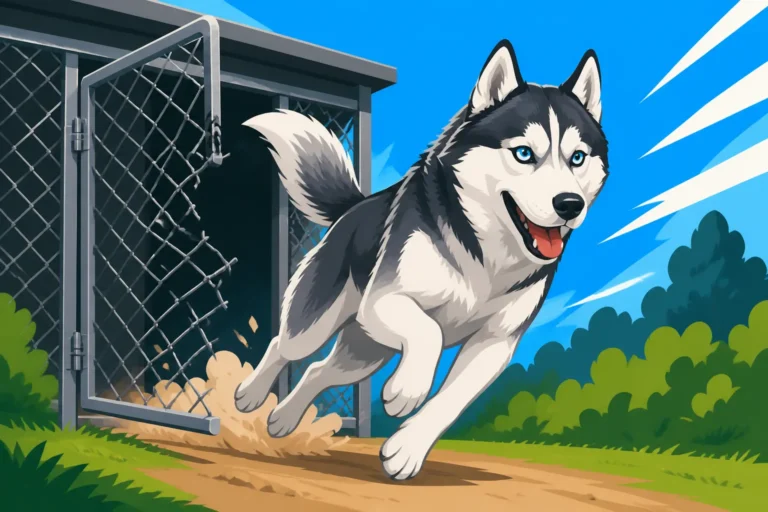
It's a heartbreaking scenario many Siberian Husky owners know all too well: the fleeting glimpse of a white-tipped tail vanishing over the horizon, a door left ajar for a split second, or a fence cleared with effortless grace. You stand there, heart pounding, calling their name, and a desperate hope whispers, "They'll come back, right?" This guide will confront the difficult truth about a Siberian Husky's independent spirit and deeply ingrained instincts, explaining why waiting for them to "come home on their own" is often a dangerous gamble and what steps you must take instead.
The Deep-Rooted Roaming Instinct of the Siberian Husky
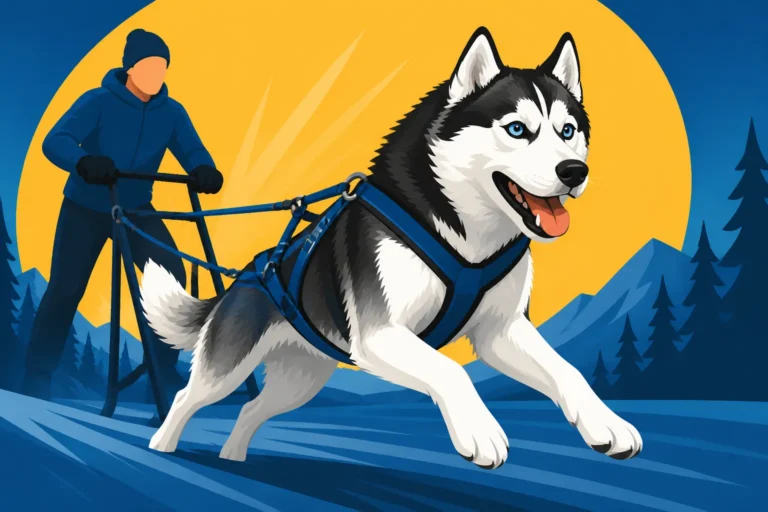
Let's start by understanding our beautiful, enigmatic companions. Siberian Huskies were not bred to be backyard pets that stick close to home or guard dogs that alert to strangers. Their entire genetic makeup, honed over centuries by the Chukchi people, was engineered for a very specific purpose: to pull sleds over vast, featureless, icy landscapes for incredible distances. This isn't just a preference; it's a fundamental part of who they are.
Centuries of Independent Travel
Imagine a team of Huskies, pulling a sled across the tundra. They needed to be able to navigate, make decisions, and cover ground efficiently, often in challenging conditions, without constant direction from a musher. This instilled a powerful sense of independence and self-reliance. They weren't bred to gaze adoringly at their human and wait for the next command; they were bred to go. When a Husky bolts, it's not necessarily disobedience or a lack of love for you. It's their ancestral programming kicking in, urging them to explore, to run, to see what's over the next hill or around the bend. This is why the common frustration of a Husky "ignoring" you often stems from a misunderstanding of their innate drive. They might hear you, but the call of the wild, or simply the thrill of covering ground, is often far more compelling. The Roaming Instinct Bred Into Every Siberian Husky explores this in more detail.
High Prey Drive and Endless Curiosity
Beyond the sheer joy of running, Huskies also possess a strong prey drive. Those centuries of working dogs were often semi-feral, foraging for small game when not pulling. A squirrel darting across the yard, a rabbit glimpsed in the distance, or even just a fascinating scent trail can trigger an instant, unwavering chase response. Once that switch is flipped, everything else, including your desperate calls, fades into the background. Their focus becomes singular: the pursuit. This isn't something they can easily "turn off," and it's a major reason why their recall is notoriously unreliable. Their curiosity is also boundless; every new smell, every rustle in the bushes, every passing car is an invitation to investigate. It's an adventure waiting to happen, and for a Husky, there's little more exciting than embarking on one.
Why "Coming Back on Its Own" Is a Dangerous Myth
The romantic notion that your beloved Husky will eventually get tired or realize it's lost and find its way home is, sadly, often a dangerous misconception. While some rare, well-socialized, or very elderly Huskies might eventually wander back if they haven't encountered trouble, relying on this is putting your dog at immense risk.
The Thrill of the Chase Over the Comfort of Home
Once a Husky is loose, the world becomes a playground of endless possibilities. The adrenaline of the chase, the novelty of new smells, the sheer exuberance of unrestrained running often overrides any desire to return to the familiar comfort of home. For them, it's not about being "lost"; it's about being "free." They aren't sitting there pondering their predicament; they're probably having the time of their lives, exploring every inch of their newfound territory. This can be incredibly frustrating for owners who expect a dog to prioritize their bond, but a Husky's brain is wired differently in these situations. They aren't trying to upset you; they're just following instincts.
The Many Dangers of a Loose Husky
The biggest reason not to wait for your Husky to come back on its own is the sheer number of hazards they face. Traffic is, of course, a huge concern. Their single-minded focus on a scent or a run means they often pay no attention to cars. They can cross busy roads without hesitation, leading to devastating accidents. Beyond traffic, there are other risks:
- Getting Lost Further: The further they travel, the harder it is for them to retrace their steps, especially if they're disoriented by unfamiliar surroundings. How Far a Loose Siberian Husky Travels can be surprising.
- Injury: They can get caught in fences, fall into ditches, or injure themselves on rough terrain.
- Hostile Wildlife or Dogs: Encounters with aggressive wildlife or other territorial dogs can lead to serious fights and injuries.
- Human Interference: Not everyone is a dog lover. Your Husky could be picked up by someone who isn't trying to help, or worse, someone who might harm them. They could also be shot if they venture onto private land where livestock or hunting is present, especially given their high prey drive.
- Animal Control: They might be picked up by animal control, leading to fees, impoundment, and the stress of recovery. This is often the safest outcome, but still a scary one.
Trust me, the panic that sets in when you realize your Husky is gone and the cold dread of knowing these dangers is a feeling no one wants to experience.
Proactive Strategies for Preventing a Siberian Husky Escape
Given their nature, prevention is absolutely key to keeping your Siberian Husky safe and sound. It's about thinking ahead and accepting that their default setting is "explorer," not "homebody."
Securing Your Home and Yard
Your home and yard are the first line of defense. For a Siberian Husky, a standard fence is often more of a suggestion than a barrier.
- The Six-Foot Minimum: A six-foot fence is generally considered the bare minimum for a Husky, and even then, some talented climbers can scale it. Chain link can be especially problematic as they can get toe-holds. Consider privacy fencing or adding coyote rollers to the top of existing fences to prevent them from getting purchase.
- L-Footers and Digging Barriers: Huskies are champion diggers. If they can't go over, they'll go under. Burying fence wire (an L-footer) or concrete blocks along the bottom of the fence line, extending inwards into your yard, can deter digging. This is a non-negotiable for many Husky owners. Stopping a Siberian Husky Digging Along the Fence offers more ideas.
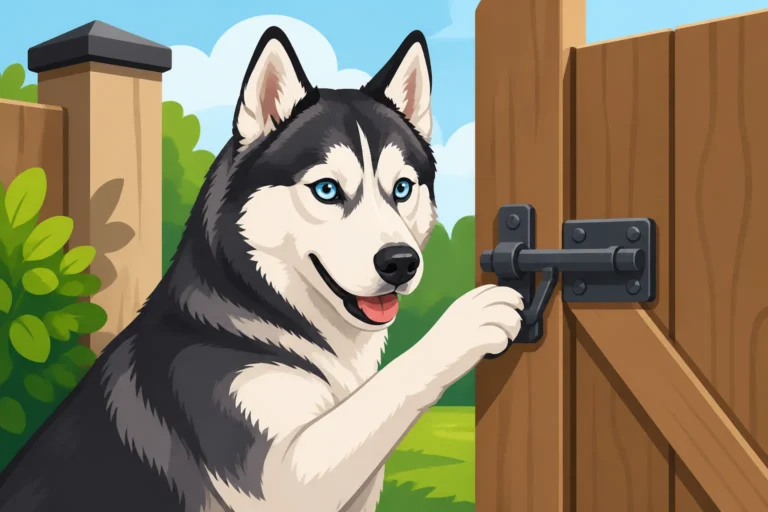
- Gate Security: Standard latches are no match for a clever Husky. Invest in heavy-duty, double-locking mechanisms, or even padlocks. Always ensure gates latch securely every time they are used. Teach everyone in your household to be vigilant.
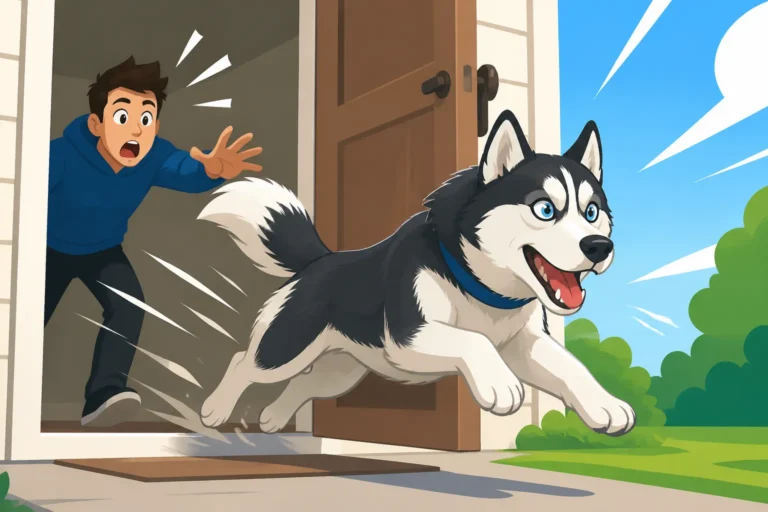
- Door Manners: Practice strict door manners. Your Husky should never be allowed to bolt out an open door. Training them to "wait" or "stay" several feet from the door until given a release cue can be life-saving. Even then, double lines of defense (baby gates, airlock systems) are a good idea, especially with guests. Door Manners That Keep a Siberian Husky Inside can help instill these habits.
Reliable Containment and Training Tools
Even with the most secure yard, a Husky needs more.
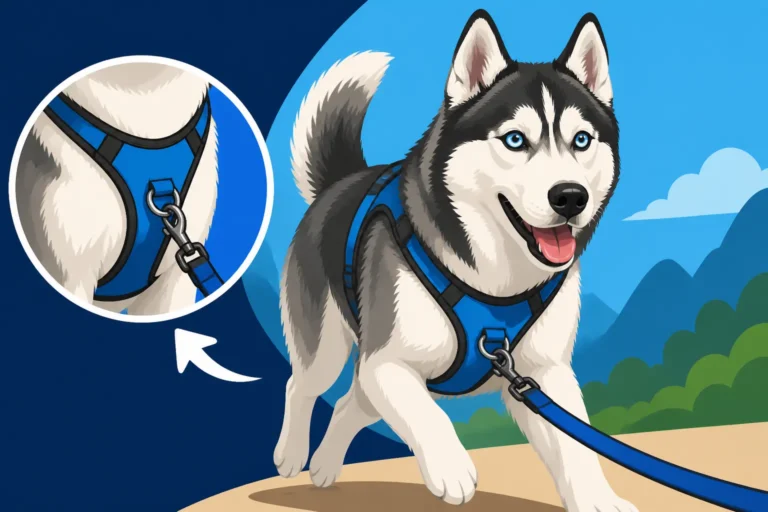
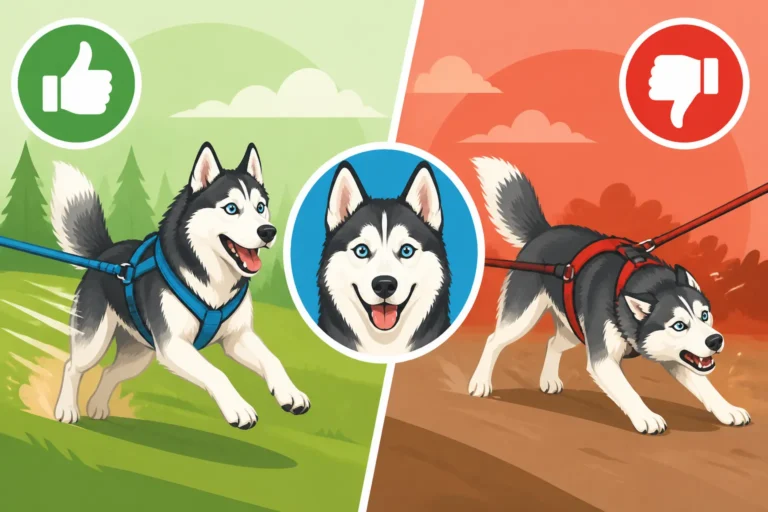
- Double Leashing and Martingale Collars: When walking your Husky, always use a secure harness and a martingale collar, with separate leashes attached to each. This gives you a backup if one fails or if they manage to slip out. Martingale Collars for a Siberian Husky are designed to prevent them from backing out when they pull against it, unlike flat buckle collars.
- Long Line Training: A long line (30-50 feet) is invaluable for practicing recall in a safe, open area, like a truly secure, private field. It gives your Husky the sensation of freedom while you maintain control. Brands like Amazon offer a variety of sturdy long lines that can withstand a Husky's strength. This is how you begin to build a Building a Siberian Husky Recall Word From Scratch.
- Microchipping and ID Tags: This isn't prevention, but it's crucial for recovery. Ensure your Husky is microchipped and that your contact information is always up to date with the microchip registry. They should also wear a collar with visible ID tags at all times. Microchip Registration for a Siberian Husky is a small step with huge impact.
It’s often disheartening to hear, but for many Siberian Husky owners, the understanding must be clear: they are never truly "off-leash" dogs in an unfenced or uncontrolled environment. Their instinct to run and explore is simply too strong to reliably overcome, even with the best training.
| Escape Prevention Strategy | Description | Why it's Critical for Huskies |
|---|---|---|
| Tall, Secure Fencing | At least 6 feet high, preferably solid or with small mesh. | Huskies are athletic jumpers and climbers. |
| L-Footers/Dig Barriers | Buried wire or concrete extending inward at the fence base. | Huskies are persistent and strategic diggers; they'll go under if they can't go over. |
| Double-Locking Gates | Latches that require more than a simple lift or push. | Smart Huskies can learn to open basic gate latches. |
| Door/Gate Training | Teach "stay" or "wait" before opening doors/gates; use baby gates indoors. | Huskies will bolt through any open egress if not trained and managed. |
| Martingale Collar + Harness | Two points of connection, especially with a martingale collar. | Huskies can easily slip out of standard collars; a martingale tightens without choking. |
| Constant Supervision | Never leave a Husky unsupervised in a yard, even if fenced. | Even secure yards can be compromised, and a Husky can find creative ways out. |
What to Do When Your Siberian Husky Does Bolt
Despite all precautions, sometimes escapes happen. A guest leaves the door open, a fence panel blows down, or a latch breaks. Your immediate reaction is critical, and surprisingly, it often involves not doing the most intuitive thing.
Resist the Urge to Chase
This is the hardest but most important piece of advice: do not chase your Siberian Husky. For a Husky, being chased often triggers their natural play instinct or their prey drive (they become the "prey"). They will interpret it as a game, or worse, see you as another predator, and run even faster and further away. Chasing reinforces the behavior and makes them harder to catch. Instead, if they are still within earshot or line of sight, try these tactics:
- Drop to the ground: Make yourself small and less threatening.
- Call excitedly: Use a happy, high-pitched voice, as if you've found the most amazing thing.
- Run away from them: This often triggers their herding instinct or curiosity, making them want to follow you.
- Jingle keys or a treat bag: Familiar sounds associated with good things can sometimes break their focus.
- Pretend to find something amazing: Make a big show of looking at the ground, pointing, and acting excited. Their curiosity might win out.
This counter-intuitive approach is often far more effective than a panicked chase. Why Chasing a Loose Siberian Husky Makes It Worse explains the psychology behind this.
Immediate Search and Community Alert
Once you've done what you can at the immediate scene, it's time to activate your search protocol:
- Enlist Help: Immediately call family, friends, and neighbors to help search. The more eyes, the better. Give them specific directions: do not chase.
- Contact Animal Control and Shelters: Call your local animal control, humane societies, and surrounding shelters immediately. Give them a detailed description and photos. Check their "found pet" listings frequently.
- Utilize Social Media: Post clear photos and descriptions on local lost pet Facebook groups, Nextdoor, and other community forums. Share widely. Include where they were last seen and any distinguishing features.
- Scent Trail: If you know the general direction they went, place a familiar item of yours (a worn t-shirt) or their unwashed dog bed near where they escaped. Your scent might draw them back.
- Canvas the Neighborhood: Walk or drive slowly, calling their name. Bring their favorite squeaky toy or treat bag. Listen for reports from residents.
- Consider a Professional Trapper: In some areas, there are professional lost pet recovery services that use tracking dogs or specialized equipment. This might be a last resort, but an option to consider if your Husky has been gone for an extended period.
Remember, time is of the essence. The longer a Husky is loose, the further they can travel and the more dangers they face. While the hope that they will return on their own can be comforting, it's not a reliable strategy. Proactive prevention and immediate, strategic action are your best allies in keeping your beloved Siberian Husky safe. Many pet stores, and even online retailers like Amazon, offer GPS trackers that attach to collars, which can be an invaluable investment for a breed so prone to wandering. For training resources, whether it's recall or door manners, online programs like BAXTER & Bella provide comprehensive, force-free methods that resonate well with the independent Husky mind, giving you tools to prevent these terrifying moments from happening.
Disclaimer
This article is for general informational purposes only and does not constitute professional advice. Laws, prices and regulations vary by location and change over time. Consult a qualified professional for guidance on your specific situation.