Starting Long Line Work With a Siberian Husky
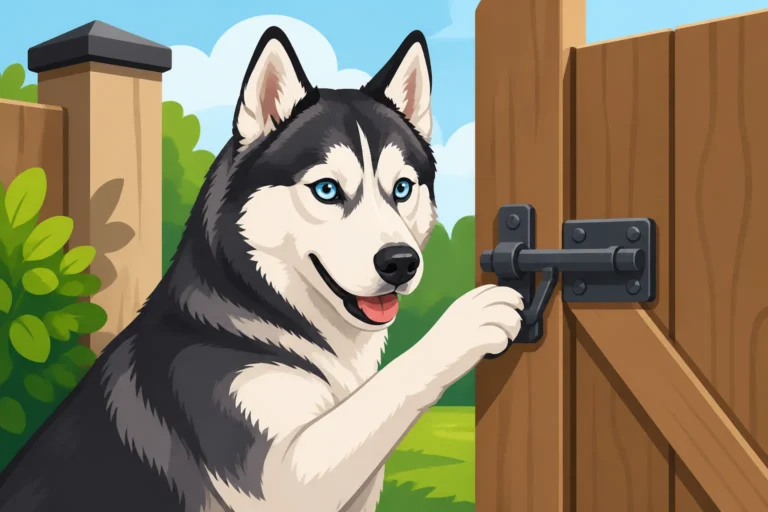
Oh, the sheer joy and utter terror of owning a Siberian Husky! One minute you're marveling at their stunning beauty and boundless energy, the next you're picturing them disappearing over the horizon with a mischievous glint in their eye. The dream of a perfectly reliable off-leash recall often clashes head-on with their ancient instincts to roam. If you're tired of holding your breath every time the front door opens, or if you long to give your adventurous Husky a bit more freedom while still keeping them safe, then long line work is about to become your new best friend, and this guide will walk you through how to master it.
Why Long Lines Are Essential for Siberian Huskies
Let's face it: the Siberian Husky wasn't bred to hang around your backyard. They were born to run, to cover vast distances, and to explore. This incredible heritage makes them fantastic companions for active people, but it also means their recall can be, shall we say, optional. Long lines aren't a crutch; they're a crucial piece of equipment that respects your Husky's innate drives while safeguarding them in a modern world full of cars, other animals, and endless temptations.
Understanding the Husky's Instinct for Roaming
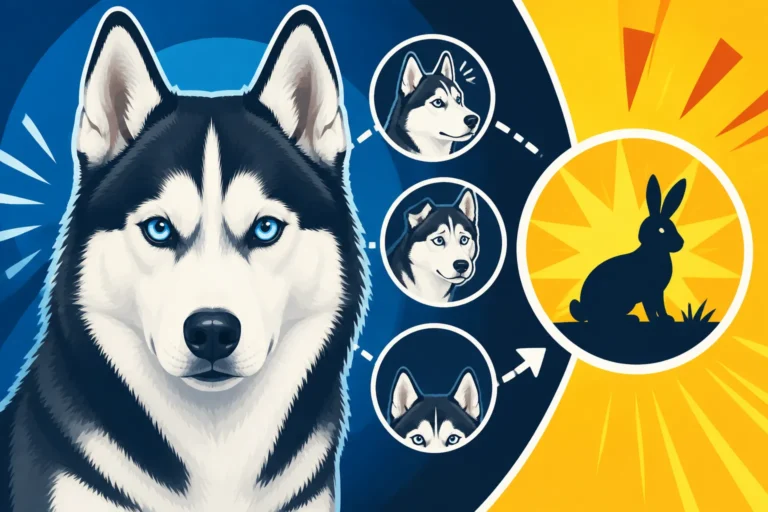
The history of the Siberian Husky is deeply intertwined with the Chukchi people, who developed them to pull light loads over long distances in harsh conditions. These dogs weren't typically kept in fenced yards; they were part of a nomadic culture that required them to travel, often without direct human supervision, yet remain loyal to their team and purpose. This means that a deep-seated desire to explore and run is literally in their DNA. It's not stubbornness when your Husky ignores your increasingly desperate calls as they chase a squirrel; it's simply a strong, genetic drive kicking in.
For many Husky owners, the dream of an "off-leash dog" quickly dissipates once they realize the sheer power of this instinct. Even the most well-trained Husky can, and often will, choose the thrill of the chase over coming back to you if the distraction is strong enough. This is why you'll often hear that a Siberian Husky cannot be trusted off leash, and it's a harsh reality that has led to countless heartbreaking stories of lost or injured dogs.
Because of this intense desire to roam, simply hoping for the best or relying on an inconsistent recall command can put your Husky in serious danger. They might encounter busy roads, aggressive wildlife, or simply get lost miles from home before you even realize they're gone. Understanding this fundamental aspect of their temperament is the first step in approaching their training realistically and effectively.
The Safety Net: What a Long Line Provides
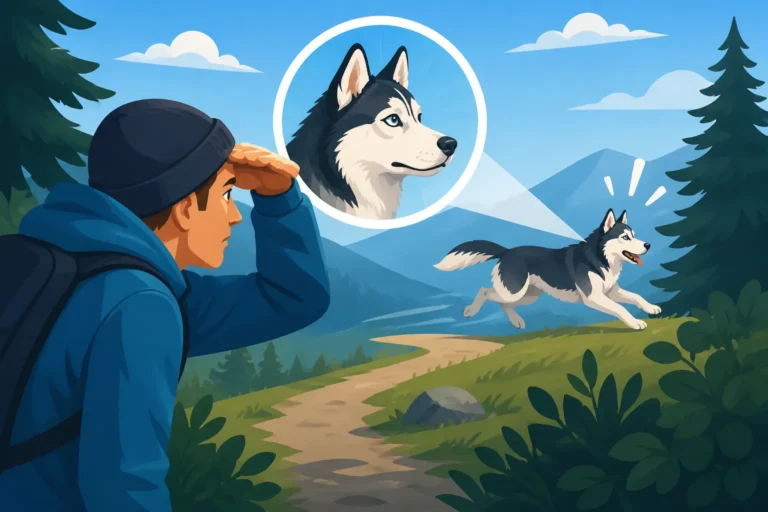
A long line offers the beautiful compromise between letting your Husky feel the exhilarating freedom of movement and maintaining absolute control. It’s not just a longer leash; it’s a vital safety tool that acts as an invisible tether, giving your Husky the illusion of independence while ensuring they can't dash into harm's way. Imagine being in a big, open field, watching your Husky joyfully gallop, sniff, and explore, knowing that with a quick step on the line, you can stop them from approaching something dangerous or simply reel them back in when it’s time.
This tool is invaluable for practicing and solidifying your recall command in progressively more distracting environments. Without the immediate risk of them bolting, you can work on building a rock-solid foundation for "Come!" that would be impossible with a standard leash or in a truly off-leash scenario. It allows for mistakes – yours and theirs – without dire consequences. It’s like having training wheels for real-world adventures, gradually building your confidence and your Husky's reliability.
Beyond recall, a long line is fantastic for allowing your Husky to explore scents and engage in natural dog behaviors that are often restricted on a short leash. They can investigate a fascinating patch of grass, roll in something delightfully stinky, or simply stretch their legs with a burst of speed. This enrichment is vital for a breed as active and intelligent as the Siberian Husky, contributing significantly to their overall well-being and satisfaction. It's truly a game-changer for enhancing their quality of life while ensuring their safety.
Choosing the Right Gear for Long Line Success
Before you even think about stepping out with a long line, you need to make sure you have the right equipment. This isn't a "one size fits all" situation, and the wrong gear can make the experience frustrating, ineffective, or even dangerous. Investing in quality, appropriate tools is foundational to successful long line training with your Siberian Husky.
Length and Material: What to Look For
When it comes to long lines, you'll find a wide range of lengths, typically from 15 feet all the way up to 100 feet. For starting out, a good general-purpose length is often 20 to 30 feet. This gives your Husky enough room to move and explore without the line becoming overly cumbersome or difficult to manage, especially if you're working alone. As you and your Husky gain experience and confidence, you might explore longer lines for really expansive areas. Remember, the longer the line, the more challenging it is to handle, especially in terms of tangling and retrieving.
The material of the long line is equally important. Nylon is a common choice, being relatively lightweight and affordable. However, it can absorb water, get dirty easily, and can cause rope burn if it slips through your hand rapidly. Biothane, a coated webbing, is often preferred by experienced trainers, especially for Huskies. It’s waterproof, incredibly durable, doesn’t tangle as easily, and offers a better grip, even when wet or muddy. While a bit more expensive, its benefits for handling and longevity often outweigh the initial cost. You can find excellent options for both nylon and Biothane long lines on platforms like Amazon, making it easy to compare and select the best fit for your needs.
Harness vs. Collar: Prioritizing Your Husky's Comfort and Safety
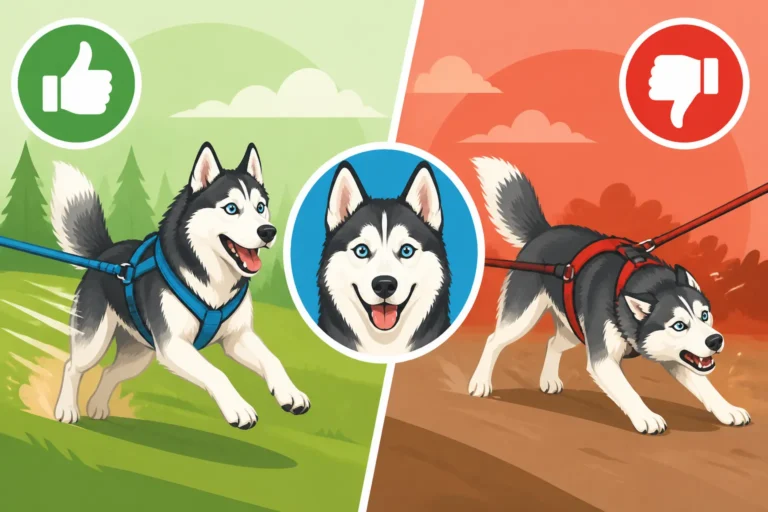
This is a non-negotiable point: always use a harness, never just a collar, when working with a long line. Huskies are powerful dogs, and if they hit the end of a long line at speed while wearing only a collar, it can cause serious injury to their neck, trachea, and even their spine. A harness distributes any sudden pressure across their chest and shoulders, which is much safer and more comfortable for them. Look for a well-fitting, Y-front harness that allows for full range of shoulder motion, rather than one that restricts movement or rubs against their armpits.
A proper harness is also crucial because it prevents your Husky from slipping out of it, which can happen more easily with a collar, especially if they try to back out of pressure. This security is paramount when you're giving them more freedom. Brands like Ruffwear or even quality basic harnesses found on Amazon often offer the durability and ergonomic design needed for active breeds like Huskies. Avoid harnesses that are primarily "no-pull" designs meant to redirect pulling from the front clip, as these aren't designed for the impact of hitting the end of a long line and could still cause discomfort or injury. Harness Against Collar for a Siberian Husky provides more details on this important distinction.
Ultimately, your Husky's safety and comfort are paramount. A good quality, comfortable harness will make the long line experience much more positive for both of you, setting the stage for successful training and enjoyable adventures together.
Step-by-Step Guide to Introducing Long Line Work
Starting long line work isn't just about clipping it on and hoping for the best. It's a gradual process that builds confidence, understanding, and a stronger bond between you and your Husky. Approach it with patience and positive reinforcement, and you'll soon see fantastic results.
Starting in a Controlled Environment
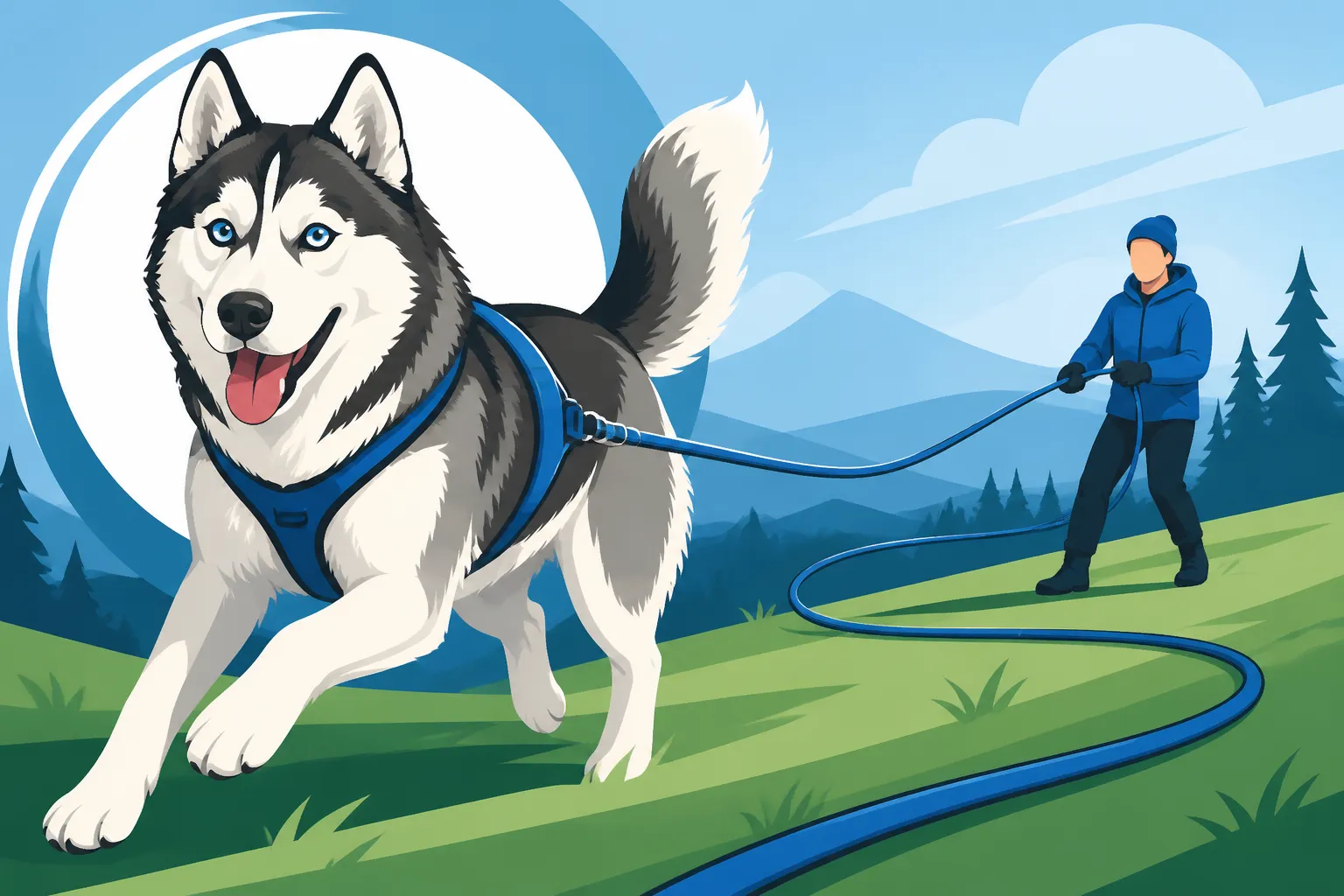
The absolute first step is to introduce the long line in a secure, distraction-free area. Think of a large, safely fenced yard or a private, empty field. The goal here isn't intense training, but rather for your Husky to get completely comfortable with the feeling of the line dragging behind them. Clip the long line to their harness (remember, harness only!) and just let them explore. Don't hold the line, don't try to correct them, just let them be a Husky.
Many Huskies will initially be confused or even annoyed by the sensation of the line dragging. They might stop, look back, try to chew it, or step over it. Let them work through this on their own. Resist the urge to intervene unless they're getting truly tangled or distressed. Your calm demeanor will communicate that this is a normal, non-threatening thing. This initial phase can take anywhere from a few minutes to a few sessions. Once they are ignoring the line and moving freely, you've achieved your first goal.
This low-pressure introduction is crucial because it prevents the long line from becoming associated with negative experiences or frustration. You want your Husky to see the long line as an extension of their freedom, not a new restriction. This foundational comfort will pay dividends as you move into more active training.
Building a Reliable Recall on the Long Line
Once your Husky is comfortable with the line dragging, you can start actively holding it and introducing recall practice. Begin by letting out a good length of the line, allowing your Husky to wander. When they're a little way off, use your established, enthusiastic recall cue – something like "Sparky, COME!" Make it sound like the most exciting thing in the world. As you call them, start reeling in the line gently but consistently. Don't just yank; maintain a steady, encouraging pull.
The moment your Husky starts moving toward you, even a step, praise them lavishly and continue reeling. When they reach you, make it a party! Offer incredibly high-value treats (think cooked chicken, cheese, or specialized training treats) and lots of cheerful praise and petting. Release them to explore again with your release cue, like "Okay, go sniff!" The key is to make coming back to you the most rewarding experience possible. Recall Games for a Siberian Husky Puppy discusses this concept further for younger dogs, but the principles apply to all ages.
Repeat this process many, many times in your controlled environment. The goal is for your Husky to associate your recall cue with amazing rewards and the pleasant sensation of coming back on the line. Over time, they'll learn that even when they're enjoying their freedom, coming back to you is an even better deal. Many positive reinforcement trainers, like those found through online programs such as BAXTER & Bella, emphasize consistency and high-value rewards for building truly reliable behaviors, and this approach is particularly effective for independent breeds like Huskies.
Managing the Line Safely and Effectively
Handling a long line, especially a long one, requires practice. Never wrap the line around your hand or wrist, as a sudden dash from your Husky could cause severe injury. Instead, hold it loosely, perhaps folded in several loops, allowing you to quickly drop it or step on it if needed. Many handlers prefer to wear gloves to prevent rope burn. Keep the line fairly slack most of the time, allowing your Husky to move freely, but be ready to gather it in if they get too close to a boundary or a potential hazard.
If your Husky suddenly bolts or ignores your recall, avoid a hard, sudden yank. Instead, step firmly on the line with your foot, bringing them to a gentle stop. This allows them to feel the consequence of reaching the end of the line without causing injury. Once they stop, call them again and encourage them to come to you. You can also use the line to gently guide them away from undesirable objects or areas, always pairing it with clear verbal cues.
Tangles are inevitable, especially with longer lines or in areas with bushes or trees. Learn to anticipate these and quickly untangle the line. Always scan your environment for potential snags or hazards before letting your Husky range freely. The more you practice, the more intuitive long line handling will become, and the safer and more enjoyable your outings will be.
Common Pitfalls and Troubleshooting
Even with the right gear and a solid plan, long line training can present its challenges with a clever and independent Siberian Husky. Anticipating these common issues and knowing how to troubleshoot them will save you a lot of frustration.
The Line as a "Tug of War" and How to Avoid It
One of the most common issues you might encounter is your Husky treating the long line like a personal tug toy, or worse, a game of "pull against me." This happens when they perceive the pressure on the line as something to resist or as an invitation to engage in a power struggle. It's a natural Husky instinct to pull, and if not managed correctly, the long line can reinforce this behavior, making walks even more challenging.
To avoid this, remember that the long line is primarily a safety and communication tool, not a constant source of tension. Keep the line as slack as possible when your Husky is moving appropriately. When you do need to stop them, aim for a gradual, consistent pressure rather than a harsh jerk. If they start to pull, avoid pulling back aggressively. Instead, gently apply pressure and then release it the moment they yield, even slightly. Reward this momentary slack with praise. The idea is to teach them that releasing the tension, not fighting it, leads to comfort and rewards. Holding a Siberian Husky That Outweighs Your Grip delves into managing a pulling Husky.
If your Husky starts to chew on the line, immediately redirect them with a toy or a "leave it" command. Chewing the line can damage it, making it unsafe, and it reinforces an undesirable behavior. Consistent, positive reinforcement for moving cooperatively and responding to cues will help establish that the line is not a toy, but a means to enjoy freedom with you.
Distractions and Advanced Environments
Once your Husky is reliably responding to recall in your controlled environment, it's time to gradually introduce more distractions. This is where the long line truly shines as a training tool for breeds with high prey drive and wanderlust. Start small: perhaps a slightly busier park at a quiet time of day, or an area with distant squirrels rather than direct encounters. The key word here is "gradually." Don't jump from your empty backyard to a dog park on a Saturday afternoon!
As you introduce distractions, your Husky's focus will inevitably waver. This is normal. Be prepared to intervene with the long line if they become too fixated or start to ignore your commands. Use the line as a gentle reminder to bring their attention back to you, and then reward them for re-engaging. Practice your recall cue frequently in these new environments, always reinforcing success with those high-value treats and enthusiastic praise. It’s okay if you have to reel them in more often at first; each successful recall, no matter how it’s achieved, builds the positive association.
Know when to "reset" or retreat to a less distracting environment if your Husky becomes overwhelmed or completely shuts down. Pushing them too far, too fast, can create negative associations with the long line or with training in general. The goal is to set them up for success, not failure. With consistent practice, you'll find that your Husky's reliability on the long line will grow, giving both of you the confidence to explore more places safely. Practicing Siberian Husky Recall in a Fenced Field can give you ideas for suitable next steps in expanding their training grounds.
| Feature | Nylon Long Line | Biothane Long Line |
|---|---|---|
| Material | Woven nylon webbing | Coated webbing (PVC/TPU over nylon) |
| Durability | Good, but can fray or wear over time | Excellent, highly resistant to abrasions & tears |
| Waterproof | Absorbs water, can get heavy & hold odors | Fully waterproof, easy to clean, doesn't absorb |
| Grip | Can cause rope burn, slippery when wet | Excellent, grippy texture, comfortable in hand |
| Tangle Resistance | Can tangle easily, especially when wet | Less prone to tangling, slides through foliage |
| Maintenance | Requires washing, can retain mud and odors | Wipes clean with a damp cloth, odor-resistant |
| Visibility | Varies by color | Often comes in bright, highly visible colors |
| Cost | Generally more affordable | More expensive initially, but lasts longer |
| Best Use | Casual training, dry conditions | All-weather training, messy conditions, active use |
Long line training offers an incredible opportunity to meet your Siberian Husky's inherent need for exploration and movement, all while keeping them safe. It's a journey of patience, consistency, and positive reinforcement, but the rewards—a happier, more enriched Husky and your newfound peace of mind—are absolutely worth every step.
Disclaimer
This article is for general informational purposes only and does not constitute professional advice. Laws, prices and regulations vary by location and change over time. Consult a qualified professional for guidance on your specific situation.