Skijoring With a Siberian Husky
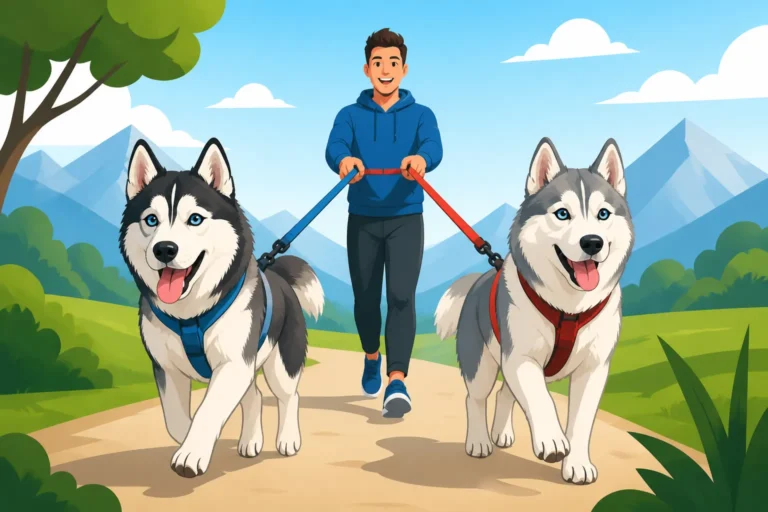
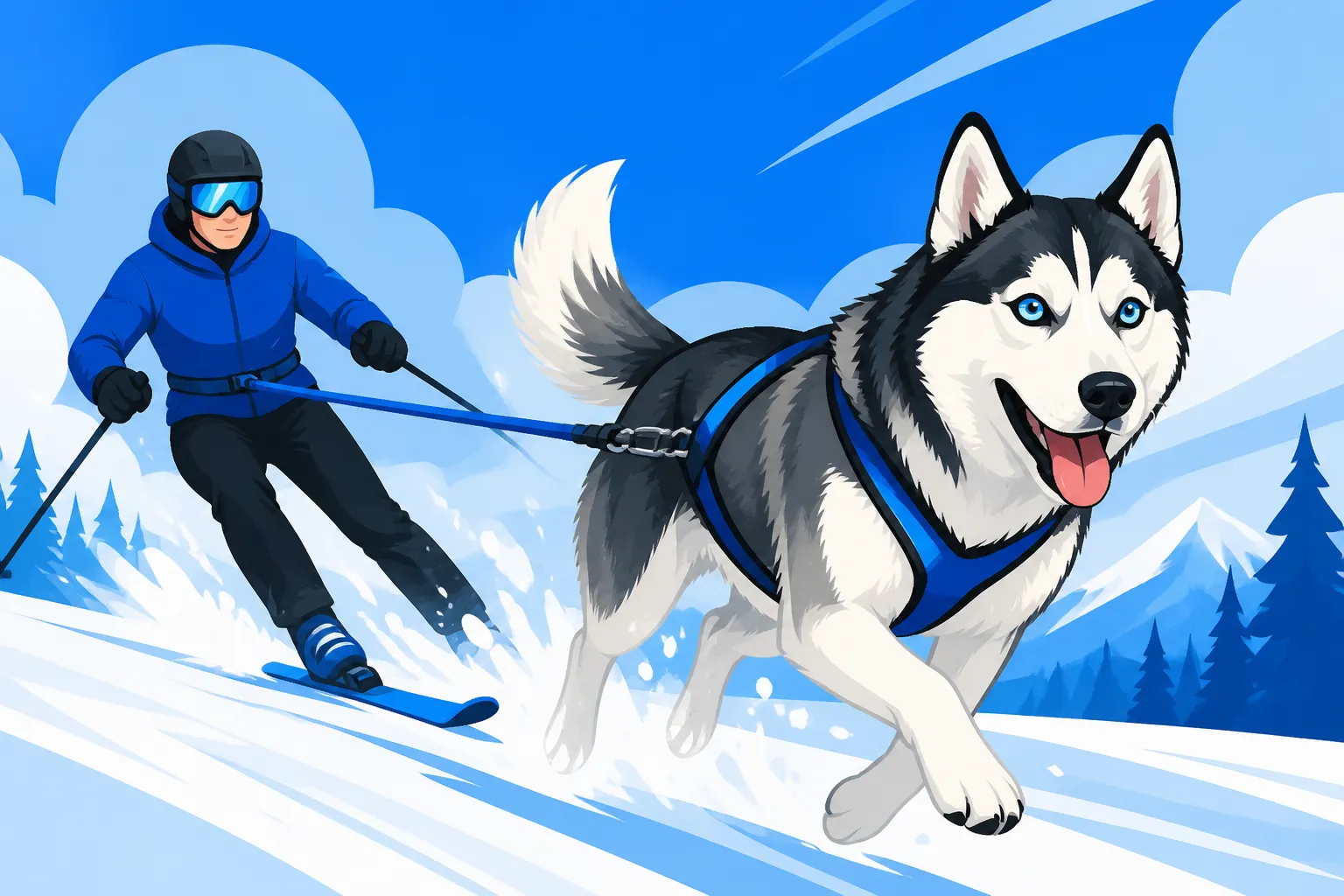
Many Siberian Husky owners dream of the quintessential winter scene: gliding effortlessly across a snowy landscape, pulled by their eager, powerful Husky. It looks idyllic in photos, a perfect harmony of human and dog working together. But if you’ve ever tried to harness that enthusiastic pull for anything other than a chaotic walk down the street, you know there’s a massive gap between the dream and the reality. This guide is here to bridge that gap, breaking down everything you need to know to safely and successfully get started with skijoring alongside your Siberian Husky.
The Siberian Husky's Instinct for Pulling and Why It Matters for Skijoring
It's no secret that Siberian Huskies love to pull. It’s practically etched into their DNA, a legacy from their origins as working sled dogs for the Chukchi people. This isn't just a quirky habit; it's a deep-seated instinct that makes them incredibly well-suited for activities like skijoring. However, that instinct, while a great starting point, isn't enough on its own. It needs to be understood, channeled, and refined.
The Genetic Drive for Work
Think about your Husky. When you clip on the leash for a walk, do they immediately lean into it, eager to forge ahead? That's the spark of their working heritage. For generations, these dogs were bred to cover vast distances efficiently, pulling light loads across snow and ice. They found purpose and joy in the rhythm of the trail, the feel of the harness, and the act of moving forward. Skijoring taps directly into this ancient drive, offering a modern outlet for their innate talents. It’s not just exercise; it's fulfilling a part of who they are.
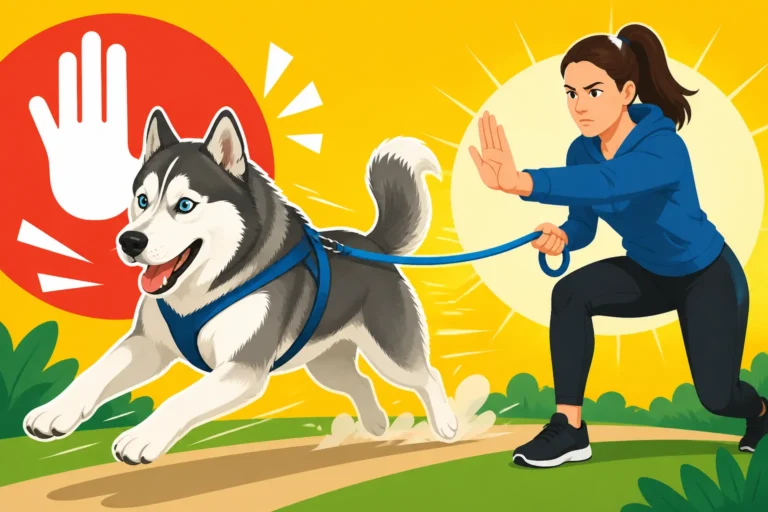
However, this raw enthusiasm also means they often don't differentiate between pulling you on skis and pulling you towards that tantalizing squirrel across the street. This is where the human element of training comes in. We need to teach them when and how to use that power, transforming a strong pull into a controlled, cooperative effort. It's about harnessing their natural inclination rather than fighting against it. The Chukchi Origins of the Siberian Husky explains more about their incredible history.
Channelling That Energy Productively
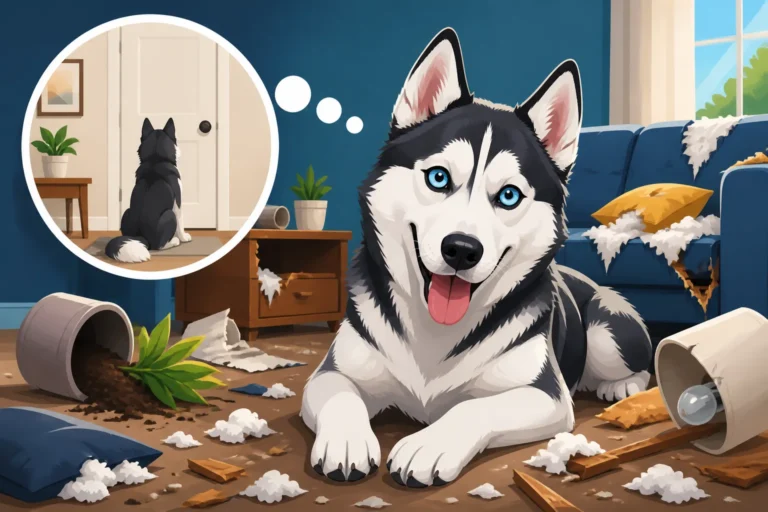
The energy a Siberian Husky possesses can be overwhelming if not properly managed. Many owners find their dogs become destructive or act out when they aren't getting enough mental and physical stimulation. Skijoring offers an incredible solution. It's a high-intensity workout that engages both their bodies and minds. They learn commands, they learn to work with you, and they burn off that boundless energy in a way that’s both fun and productive.
Without an appropriate outlet, that "pull" instinct can manifest as constant tugging on a leash during walks, or even a determined effort to escape the yard. Imagine the frustration of wanting a pleasant stroll, only to have your arm nearly dislocated by a dog determined to lead the charge. Skijoring provides a designated, acceptable context for this pulling behavior, often making other on-leash activities more manageable because the dog understands the difference between "pulling for sport" and "walking politely." It truly is about giving a Siberian Husky a job, which is something they thrive on. Giving a Siberian Husky a Job in Harness delves deeper into this concept.
Essential Gear for Skijoring with Your Siberian Husky
Before you even think about hitting the snow, you're going to need the right equipment. Skijoring isn't just about grabbing your cross-country skis and attaching a regular leash to your dog's collar. That's a recipe for disaster for both of you. Specialized gear ensures safety, comfort for your Husky, and efficiency for you.
The Skijoring Harness
The most critical piece of equipment for your Husky is the proper harness. This isn't your everyday walking harness. A skijoring harness, often called a "pulling harness" or "sledding harness," is designed to distribute the pulling weight evenly across your dog's chest and shoulders, preventing injury and maximizing their power.
A well-fitted harness will have padding and will extend down your dog's back, often to the base of their tail, with the attachment point for the towline near the tail. This design ensures that the force is distributed effectively and doesn't put undue pressure on their throat or spine. Trying to use a standard walking harness or, worse, a collar, can choke your dog, cause neck injuries, and will make pulling uncomfortable and inefficient for them. Brands like Ruffwear or even some specialty mushing suppliers found on places like Amazon offer excellent options designed for canine pulling sports. You want to look for an X-back or H-back style harness, often with adjustable straps to ensure a snug, custom fit for your unique Husky.
The Skijoring Belt and Towline
For you, the human, a specialized skijoring belt is essential. This belt is worn around your waist or hips and has a quick-release buckle and an attachment point for the towline. The quick-release mechanism is vital for safety, allowing you to quickly detach from your dog if there's an emergency, like a tangle or an unexpected obstacle. Trust me, you do not want to be inextricably linked to a bolting Husky when things go sideways.
The towline itself is typically a bungee cord or a line with an integrated bungee section. This elasticity absorbs shock, making the ride smoother for both you and your dog. Without it, every lurch or sudden stop would create a harsh jerk on both ends, potentially causing discomfort or injury. The length of the towline is also important; it needs to be long enough to keep your skis clear of your dog's paws but not so long that it becomes unmanageable or easily tangled. A good rule of thumb is usually between 8 to 12 feet from your belt to the dog's harness attachment.
Skis and Boots
While standard cross-country skis can work, lighter, more maneuverable classic or skate skis are generally preferred for skijoring. The key is that you need skis that you can manage effectively, especially if your Husky decides to pick up speed unexpectedly. Having good control over your skis will allow you to steer, stop, and keep pace, providing a better experience for both of you.
Your boots should be comfortable and provide good ankle support. Remember, you'll be doing a fair amount of work yourself, kicking and gliding to assist your dog and maintain momentum. The right footwear will prevent fatigue and allow you to react quickly to your Husky's movements.
Here's a quick overview of the essential gear:
| Item | Purpose | Key Features | Why It's Important |
|---|---|---|---|
| Pulling Harness | Distributes pulling force on dog | Padded, X-back/H-back design, D-ring at tail base, adjustable | Prevents injury, maximizes efficiency, ensures comfort for your Husky |
| Skijoring Belt | Worn by human, attaches to towline | Wide, padded, quick-release buckle, metal ring/loop for towline | Distributes pull across hips, essential safety feature, comfortable for human |
| Bungee Towline | Connects harness to belt | Elastic (bungee) section, specific length (8-12 ft), sturdy clips | Absorbs shock, smooths ride, prevents jerking, keeps skis clear |
| Cross-Country Skis | Human propulsion and control | Lighter classic or skate skis, good edge control | Allows for efficient gliding and steering, aids the dog, maintains balance |
| Ski Boots | Human comfort and support | Comfortable, good ankle support, compatible with ski bindings | Prevents fatigue, allows for quick reactions, enhances overall experience |
Training Your Siberian Husky for Skijoring
You wouldn't just jump into a marathon without training, and neither should your Husky jump into skijoring without preparation. This isn't just about physical fitness; it's about building a common language and understanding. Your Husky needs to learn specific commands and understand their role, and you need to learn how to communicate effectively from behind.
Starting with Foundational Obedience
Before you even think about a harness or skis, your Siberian Husky needs a solid foundation in obedience. This means a reliable "come," "stay," and "leave it." More importantly for skijoring, they need to understand directional commands. Words like "Gee" (right) and "Haw" (left) are traditional mushing commands and are incredibly useful. "Whoa" or "Stop" is vital, as is "On-by" (to pass distractions without stopping).
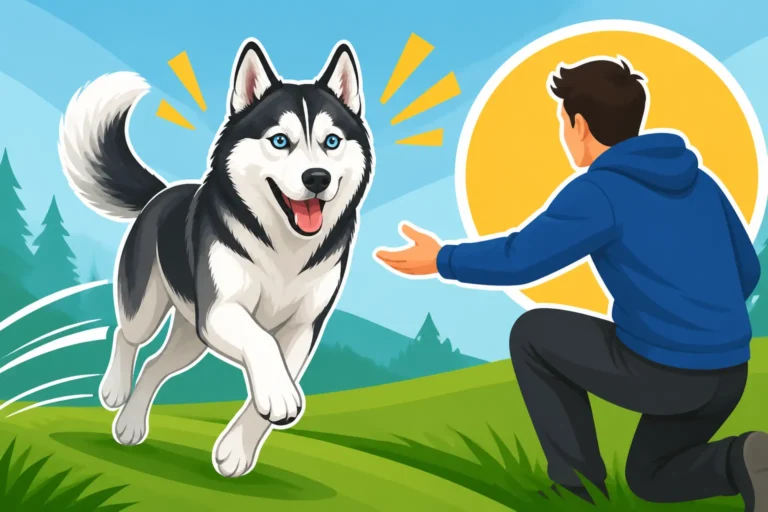
Start practicing these commands on walks, rewarding heavily when they respond correctly. A long line in a safe, open area can be fantastic for this, allowing them to feel some freedom while still under your control. Using high-value treats and enthusiastic praise will make these training sessions fun and engaging for your independent Husky. If you're struggling with basic obedience, resources like BAXTER & Bella can offer structured online courses that help build these crucial foundational skills before moving onto specialized sports. Training an Independent Siberian Husky offers more insights into their unique learning style.
Dryland Training: Harnessing the Instinct
Once your Husky understands basic commands, it's time to introduce the pulling harness. Let them wear it around the house for short periods to get used to the feel. Then, you can start with dryland training. This involves putting them in the skijoring harness and attaching the towline to a light resistance, like an old tire or a small log, while you walk or run behind them on foot.
This phase is all about teaching them to pull consistently and respond to your directional commands while in harness. It helps them understand the difference between a casual walk and a "working" session where pulling is encouraged. Reward them generously for pulling forward and for turning left or right on command. Consistency is key here. Practice in different environments, gradually increasing the distractions. This dryland training also builds their endurance and strength, preparing them for the more demanding work on skis. Teaching a Siberian Husky to Pull in Harness has more detailed steps.
Moving to Snow and Skis
When you finally transition to skis, start in a quiet, open area with soft snow. The first few times, your Husky might be confused by your presence behind them, or your skis might spook them. Be patient. Have a helper hold your dog at the start, or simply stand still and let them get used to the feel of you on skis behind them.
Begin with short, easy stretches. Your role is to assist your Husky by kicking and gliding, maintaining momentum, and communicating commands. Don't expect them to pull you effortlessly at first; you're a team, and you need to work together. Gradually increase the distance and complexity of your routes. Remember, a skijoring session is a collaborative effort, not just your Husky pulling you along like a lazy passenger. Keep an eye on their cues – are they still enjoying it? Are they tiring? End on a positive note, even if it's just a short run.
Safety and Best Practices on the Trail
Skijoring is a fantastic sport, but like any outdoor activity involving dogs, it comes with responsibilities. Safety for your dog, for yourself, and for others on the trail must always be your top priority.
Monitoring Your Husky's Health and Comfort
Siberian Huskies are built for cold weather, but they can still overheat, especially if they are new to skijoring or if the conditions are warmer than ideal. Always check the temperature. If it's above freezing, exercise extreme caution and consider shorter runs or postponing altogether. Pay close attention to your Husky's breathing. Excessive panting, lagging behind, or refusing to pull are all signs they need a break. Carry water and offer it frequently. Heat Stroke Risk in a Siberian Husky is a serious concern, even in winter if they're working hard.
Their paws are also vulnerable. Inspect them before and after each run for cracks, cuts, or ice build-up between the pads. Booties can be a great investment, especially on icy trails or if your Husky has sensitive paws. Siberian Husky Paw Care Through Snow and Salt is something every winter-active Husky owner should prioritize. Regular vet check-ups are important to ensure your Husky is in top physical condition for such a demanding sport.
Trail Etiquette and Awareness
When skijoring on shared trails, be mindful of others. Not everyone is comfortable with dogs, and certainly not with a fast-moving dog team. Always announce your presence ("Skijorer up!"), especially when approaching from behind. Have control over your dog and ensure they can pass other skiers, walkers, or dogs without incident. Commands like "On-by" are crucial here.
It's also important to be aware of the trail conditions. Freshly groomed trails might be off-limits to skijorers in some areas, as your dog's paws can damage the tracks. Always check local trail rules and regulations before you head out. Leaving no trace, including picking up after your dog, is non-negotiable.
Problem-Solving on the Go
Even with the best training, things can happen. Your Husky might get distracted by wildlife, tangled in the line, or simply decide they're done. Staying calm and having a plan is essential. Always carry your phone, a small first-aid kit for both you and your dog, and some high-value treats to regain focus.
If your Husky bolts or gets distracted, avoid yelling or running after them, which can often make the situation worse. Instead, try to use your recall command in a calm, encouraging voice. If they are tangled, use your quick-release on your belt immediately and then calmly untangle them. The key is to see these moments as learning opportunities, not failures. Every experience, good or bad, builds your bond and their understanding of the sport.
The Joy of the Glide: A Skijoring Partnership
Skijoring with your Siberian Husky is more than just a winter sport; it's an incredible partnership. It’s about feeling the rhythm of the snow, the power of your dog, and the shared joy of movement. It requires patience, dedication, and a deep understanding of your Husky's unique nature. When you finally hit that sweet spot, gliding effortlessly across a winter wonderland with your happy, pulling Husky leading the way, all the training and preparation will feel incredibly worthwhile.
It's a way to deepen your bond, provide unparalleled exercise, and honor the ancestral spirit of this magnificent breed. Many of us dream of such a connection, and with the right approach, skijoring can turn that dream into a thrilling reality. Just remember to start slow, prioritize safety, and most importantly, have fun out there with your furry teammate! How Much Exercise a Siberian Husky Really Needs and Cold Tolerance Limits for a Siberian Husky are good resources to round out your knowledge before hitting the trails.
Disclaimer
This article is for general informational purposes only and does not constitute professional advice. Laws, prices and regulations vary by location and change over time. Consult a qualified professional for guidance on your specific situation.